What Are Wheel Bearings on a Car? Symptoms, Costs & Replacement Guide
Wheel bearings are small but critical components that allow your car’s wheels to spin freely with minimal friction. When they wear out, you’ll notice humming noises, steering instability, and uneven tire wear — and ignoring them puts you at serious risk. This guide covers exactly what wheel bearings are, how to spot failure, and what to expect for replacement cost.
Wheel bearings are steel ball or roller assemblies inside each wheel hub that reduce friction and let your wheels spin smoothly while supporting the vehicle’s weight. Signs of failure include a humming or grinding noise that increases with speed, steering pull, vibration, and an ABS warning light. Replacement typically costs $215–$500 per wheel at a shop, or $50–$150 in parts if you DIY.
What Exactly Are Wheel Bearings?
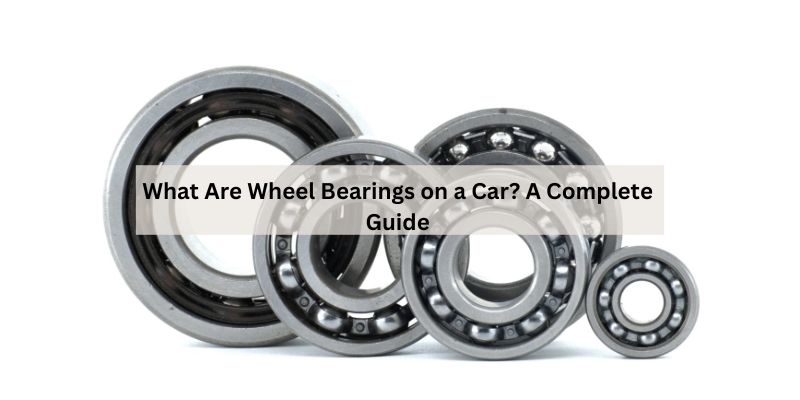
Wheel bearings are small, precision-engineered metal components that allow your car’s wheels to spin with minimal friction. They consist of steel balls or rollers packed inside a metal ring and surrounded by grease. Each wheel on your car has a set of bearings, typically housed inside a hub assembly that sits between the wheel and the axle.
Without wheel bearings, the metal-on-metal contact between the wheel and axle would generate tremendous heat, friction, and rapid wear — making smooth rotation impossible. They’re a compact but essential part of your vehicle’s suspension and drivetrain system.
Why Wheel Bearings Matter
Wheel bearings perform three critical functions: they support the vehicle’s weight, allow wheels to spin freely, and help maintain proper wheel alignment. When bearings fail, the effects cascade quickly — a worn bearing allows wheel wobble, which accelerates brake rotor and tire wear, and in extreme cases can cause the wheel to seize while driving.
Addressing bearing noise early — when it first appears as a faint hum — is far less expensive than waiting until a bearing fails completely. A failed bearing can also damage the axle shaft, ABS sensor, and hub assembly, turning a $300 repair into a $1,000+ job.
How Wheel Bearings Work
As your wheel spins, the bearing’s balls or rollers rotate inside their housing (called a race), distributing the load and reducing surface contact. The grease lubricates the rolling elements and prevents heat buildup. Modern wheel bearings are sealed at the factory — they don’t require repacking or adjustment and are designed to last the life of the vehicle under normal conditions.
On older vehicles, wheel bearings were serviceable — mechanics would pack them with fresh grease every 30,000 miles. On most vehicles made after the early 2000s, bearings come as sealed hub assemblies. When they wear out, the entire hub unit is replaced.
Types of Wheel Bearings
There are three main types found in passenger vehicles:
- Ball Bearings: The most common type in passenger cars. They use small steel balls and handle radial and thrust loads well. Lightweight and suited for moderate loads.
- Tapered Roller Bearings: Use conical rollers and are designed for heavier loads. Common in trucks, SUVs, and older rear-wheel-drive vehicles. Can be serviced and repacked with grease.
- Sealed Hub Assemblies: The standard on most modern vehicles. The bearing is pre-packed and sealed inside a complete hub unit. When bearings wear out, the entire assembly is replaced — no repacking required.
Check your owner’s manual or ask at an auto parts counter to confirm what type your specific vehicle uses before purchasing a replacement.
Signs of Bad Wheel Bearings
Wheel bearings don’t fail suddenly — they degrade gradually and give clear warning signs. The earlier you catch them, the simpler and less expensive the fix.
Strange Noises
A humming, growling, or grinding noise that increases with vehicle speed is the classic symptom of a failing wheel bearing. The sound often resembles driving over a rumble strip. It may change pitch when you turn or swerve — that shift in weight loading onto different bearings causes the noise to change. If the noise gets quieter when turning left, the right front bearing is likely the problem (and vice versa).
Steering Issues
A worn bearing allows the wheel hub to develop play — a small amount of looseness that shouldn’t be there. This appears as loose or vague steering, a slight pull to one side, or a steering wheel that requires constant correction. It’s subtle at first but worsens as the bearing degrades further.
Vibration
A failing bearing that’s no longer spinning smoothly can transmit vibration through the hub, into the suspension, and up through the steering wheel or floorboard. This vibration typically increases with speed and may be accompanied by the humming noise described above.
Uneven Tire Wear
A worn bearing allows the wheel to tilt slightly off its proper angle. Over time, this causes abnormal tire wear — usually excessive wear on one edge of the tire compared to the other. If you notice one tire wearing significantly faster than the others, have the bearings inspected in addition to checking wheel alignment.
ABS Warning Light
On most modern vehicles, the ABS wheel speed sensor is integrated into the hub assembly alongside the wheel bearing. When a bearing develops excessive play or begins to fail, it can disrupt the ABS sensor signal, triggering the ABS warning light — or both ABS and traction control lights simultaneously. If these lights illuminate with no other obvious cause, the wheel bearings should be inspected.
How to Diagnose Bad Wheel Bearings
You can narrow down a suspected bad bearing with a few straightforward checks before taking the car to a shop.
Listen for Noise
Drive at 30–50 mph on a quiet road with the windows down. Listen for a humming or growling sound. Then swerve gently left and right — if the noise changes pitch or volume when turning, it indicates which bearing is under stress. Noise that decreases when turning left typically points to the left front bearing; noise that quiets when turning right points to the right front bearing.
Check for Wheel Play
Jack up the car safely and support it on jack stands. Grab the tire at the 12 o’clock and 6 o’clock positions and try to rock it. More than 1–2mm of movement indicates bearing play. Repeat at the 9 and 3 o’clock positions to check for a different type of bearing wear.
Inspect the Hub
With the wheel removed, spin the hub by hand. A good bearing rotates smoothly and silently. A failing bearing will feel rough, gritty, or notchy as you spin it — and may make audible grinding sounds even at low speed by hand.
Use a Mechanic’s Stethoscope
A mechanic’s stethoscope pressed against the hub while someone slowly rotates the wheel (with the car safely raised) amplifies bearing noise dramatically, making it easy to isolate which wheel is failing. A long screwdriver held against the hub with the handle pressed to your ear works as a crude substitute.
If the diagnosis is still unclear after these checks, a shop can confirm the issue with a thorough inspection — typically for $50–$100.
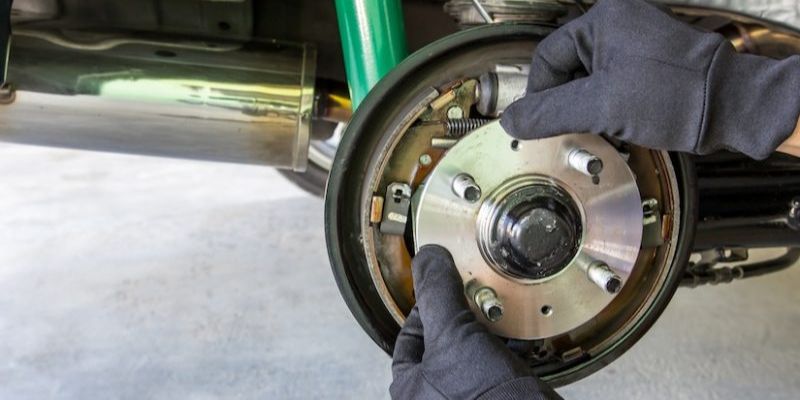
Tools You’ll Need for Diagnosis or Replacement
If tackling wheel bearing replacement as a DIY project, gather these tools before starting:
| Tool | Purpose |
|---|---|
| Jack and jack stands | To lift and safely support the vehicle |
| Lug wrench | To remove the wheel |
| Socket set (metric and SAE) | To disassemble the hub assembly |
| Torque wrench | To tighten bolts to manufacturer specs |
| Bearing puller (if applicable) | To remove old bearings from non-sealed hubs |
| Grease | To lubricate new bearings (if not pre-sealed) |
| Gloves and safety glasses | Personal protection |
How to Replace Wheel Bearings
Wheel bearing replacement is a moderate DIY job — not beginner-level, but well within reach for someone comfortable with basic suspension work. Here’s the process:
Step 1: Gather Supplies
Source the correct replacement bearing or hub assembly for your specific year, make, and model. Cross-reference your owner’s manual or use the fitment lookup at an auto parts store. A sealed hub assembly for most passenger cars runs $50–$150 in parts.
Step 2: Lift the Car
Jack up the vehicle and secure it on jack stands — never work under a car supported only by a floor jack. Remove the wheel with a lug wrench. Verify the car is stable before proceeding.
Step 3: Remove the Hub Assembly
Unbolt the brake caliper and rotor and set them aside (support the caliper with a wire hanger — never let it hang by the brake hose). Then unbolt the hub assembly from the knuckle. On most modern vehicles with sealed hubs, this means removing 3–4 hub bolts and pulling the entire unit off the axle. On older vehicles with serviceable bearings, you’ll also need a bearing puller to press out the old bearings.
Step 4: Install the New Bearing
For sealed hub assemblies, bolt the new unit into position. For serviceable bearings, pack new bearings with grease and press them into the hub housing. Use a torque wrench to tighten the hub bolts to the manufacturer’s specified torque — typically 85–150 ft-lbs depending on vehicle. Overtightening can damage the new bearing immediately.
Step 5: Reassemble and Test
Reinstall the rotor, caliper, and wheel. Lower the car to the ground and torque the lug nuts to spec. Take the car for a short test drive and listen for noise. The humming or grinding should be completely gone — if it persists, recheck which wheel was replaced and whether the repair was completed properly.
Wheel Bearing Replacement Cost
Cost varies by vehicle type, location, and whether you use OEM or aftermarket parts:
| Option | Cost Range (per wheel) | Notes |
|---|---|---|
| DIY — parts only | $50–$150 | Hub assembly for most passenger cars |
| Professional repair — standard car | $215–$504 | Average range across most vehicles |
| Professional repair — AWD/luxury/truck | $400–$800+ | More complex disassembly; higher labor rates |
| Diagnostic fee | $50–$100 | Applied toward repair at most shops |
Labor typically accounts for 50–70% of the total bill. Independent shops generally charge less than dealerships. If multiple wheel bearings are failing, having them done simultaneously saves on labor time.
When to Call a Professional
Certain situations call for a shop rather than DIY: when the hub is seized and requires a press to remove, when you hear loud grinding or feel wheel wobble (indicating the bearing has progressed to a dangerous state), when you don’t have access to a proper torque wrench, or when the repair involves an AWD or 4WD system with additional complexity. A diagnostic check from a qualified technician typically runs $50–$100 and provides a clear picture of exactly what needs to be done.
How Long Do Wheel Bearings Last?
Under normal driving conditions, sealed wheel bearings typically last 85,000–150,000 miles. Factors that accelerate wear include:
- Rough roads and potholes: Impact loads far exceed normal rolling loads and can crack or dent bearing races
- Water contamination: Driving through deep water or frequent car washes with high-pressure jets aimed at the hub can breach the seal
- Mismatched tire sizes: Incorrect tire sizing increases bearing load
- Overloading: Carrying loads beyond the vehicle’s rating accelerates wear on all suspension components including bearings
- Aggressive cornering: High lateral G-forces load wheel bearings more severely than straight-line driving
Maintaining Wheel Bearings
Modern sealed hub bearings are essentially maintenance-free. However, a few habits extend their service life:
- Listen during every drive: A faint hum that’s new is worth noting and monitoring. Catching it early means a straightforward replacement before secondary damage occurs.
- Check tires for uneven wear: Asymmetric wear on a single tire can indicate bearing or alignment problems — both of which accelerate each other.
- Avoid potholes and curb strikes: A single hard impact can damage a bearing that would otherwise last another 50,000 miles.
- Keep up with routine maintenance: Regular inspections give a mechanic the opportunity to check for early bearing play before it becomes serious.
Why Wheel Bearings Are Worth Caring About
A worn wheel bearing is not just a noise problem — it’s a safety issue. As play in the bearing increases, it allows the wheel to wobble on its axis. This reduces braking effectiveness, causes ABS malfunctions, accelerates rotor and tire wear, and in advanced failure, can cause the wheel to detach from the vehicle entirely. Addressing bearing noise at the first signs is always less expensive and far safer than waiting for complete failure.
Conclusion
Wheel bearings are a small but safety-critical part of every vehicle. A humming or grinding noise that changes with speed is the most reliable early warning sign. When caught early, replacement is a manageable job — $215–$500 at a shop, or $50–$150 in parts for a confident DIY mechanic. Modern sealed bearings typically last 85,000–150,000 miles, and simple habits like avoiding potholes and listening for new noises on every drive help maximize that lifespan.
Frequently Asked Questions
What’s the first sign of a bad wheel bearing?
The most common early sign is a humming or growling noise that increases with vehicle speed and may change pitch when you turn. The noise comes from the wheel bearing side that’s under load — swerving gently can help identify which corner is affected.
Can I drive with a bad wheel bearing?
Not safely. A bad wheel bearing allows wheel wobble, reduces braking precision, and can trigger ABS malfunctions. In advanced failure, the bearing can seize or allow the wheel to separate from the vehicle. Drive only to a nearby shop if you must — avoid highway speeds and long distances.
How long do wheel bearings last?
Most sealed wheel bearings last 85,000–150,000 miles under normal driving conditions. Rough roads, potholes, water contamination, and heavy loads all accelerate wear and can cut that lifespan significantly.
Can I replace wheel bearings myself?
Yes, if you’re comfortable with basic suspension work and have the right tools — particularly a torque wrench and floor jack with stands. Most modern vehicles use sealed hub assemblies that bolt directly in place without a press. Budget 1–3 hours per wheel for a first-time DIY replacement. If the hub is seized or the job involves an AWD system, a shop is the safer choice.
How do I know which wheel bearing is bad?
The swerve test is the most reliable method: while driving, gently swerve left and right. If the noise quiets when turning left, the left front bearing is likely good — the right front is under load and is probably the problem, and vice versa. Confirm by jacking up each wheel and checking for play at 12 and 6 o’clock positions.
Products related to this article
Sponsored / affiliate links. As an Amazon Associate I earn from qualifying purchases. I may earn additional commission from eligible campaigns.
 Auto Car Dent Repair Puller Head Paintless-Dent Repair Removal Kit for Slide Hammer Pulling Tab Adapter Pulling Tabs Car Aluminum-alloy Puller Head Adapter Screw Glue-tabs for Slide Hammer and
 HiYi Car Dent Repair Tools Heavy Duty Paintless Repair Removal Tools Strong Dent Puller Handle Lifter Blue Glue Tabs Powerful Body Repair Dent Remover Tool Kit for Car Dent Repair (Blue)