What Do Car Rotors Do? A Comprehensive Guide to Brake Rotors
Hey there, fellow car enthusiast! If you’ve ever wondered, “What do car rotors do?” you’re in the right place. As someone who’s spent years tinkering with cars and exploring every nook and cranny of automotive mechanics, I’m excited to share everything I’ve learned about brake rotors.
These unsung heroes of your vehicle’s braking system are critical to keeping you safe on the road. So, grab a cup of coffee, sit back, and let’s dive into the world of car rotors together. By the end of this article, you’ll understand their role, how they work, and why they matter so much to your driving experience.
Understanding the Basics of Car Rotors
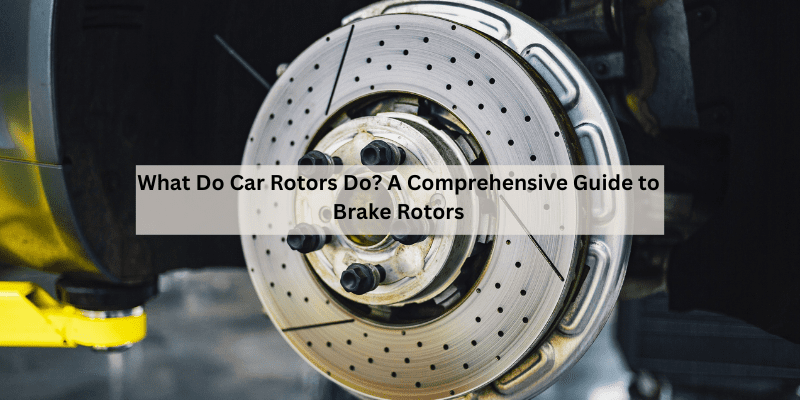
Let’s start with the basics. Car rotors, also called brake rotors or brake discs, are round, flat metal components in your vehicle’s braking system. They’re typically made of cast iron or composite materials like carbon-ceramic for high-performance cars. When you press the brake pedal, the rotors work with other parts to slow down or stop your car.
Picture this: you’re cruising down the highway, and suddenly, a deer darts across the road. You slam on the brakes, and your car comes to a safe stop. That’s your rotors in action! They’re mounted to the wheel hub, so they spin along with your wheels. When you brake, the brake pads clamp down on the rotor, creating friction that slows the wheel’s rotation. It’s a simple yet brilliant setup that ensures you can stop safely.
Rotors are found in disc brake systems, which are standard on most modern cars, especially for the front wheels. Some vehicles still use drum brakes in the rear, but rotors are becoming more common because they’re more efficient at dissipating heat and providing consistent stopping power.
How Brake Rotors Work in Your Car
Now, let’s get into the nitty-gritty of how rotors actually work. When you press the brake pedal, hydraulic fluid in the brake lines activates the brake caliper. The caliper is like a clamp that houses the brake pads. These pads are pressed against both sides of the rotor, creating friction. This friction converts the kinetic energy of your moving car into heat, slowing the vehicle down.
Think of it like rubbing your hands together on a cold day. The more you rub, the warmer your hands get because of friction. Rotors do something similar, but instead of warming your hands, they’re slowing your car. The heat generated during braking is absorbed by the rotor and then dissipated into the air, which is why rotors are designed with ventilation in mind.
The process sounds simple, but it’s a finely tuned system. The rotor’s surface needs to be smooth and flat for the brake pads to grip it effectively. If the rotor is warped or damaged, you might feel vibrations or hear noises when braking, which I’ll talk about later.
Types of Brake Rotors and Their Unique Features
Not all rotors are created equal. Over the years, I’ve seen different types of rotors, each designed for specific driving conditions or vehicle types. Here’s a breakdown of the main types:
| Type of Rotor | Description | Best For |
|---|---|---|
| Solid Rotors | Basic, non-ventilated rotors with a single solid piece of metal. | Smaller cars, light-duty driving |
| Vented Rotors | Feature internal vanes for better heat dissipation. | Most passenger cars, daily driving |
| Slotted Rotors | Have slots on the surface to clear debris and improve grip. | Performance vehicles, wet conditions |
| Drilled Rotors | Have holes drilled through for heat dissipation and weight reduction. | Sports cars, high-performance driving |
| Slotted and Drilled | Combine slots and holes for maximum performance. | Racing or extreme driving conditions |
| Carbon-Ceramic | Lightweight, durable, and heat-resistant, but expensive. | Luxury or high-end sports cars |
Solid rotors are simple and cost-effective, but they can overheat during heavy braking. Vented rotors, with their internal air channels, are the most common because they handle heat better. Slotted and drilled rotors are popular for performance cars because they keep the brake pads clean and reduce heat buildup. Carbon-ceramic rotors are the cream of the crop, but their high cost makes them rare outside of luxury vehicles.
When I first started working on cars, I was amazed at how much difference a rotor type could make. For example, I once helped a friend upgrade his Mustang’s brakes to slotted rotors, and the improved stopping power was night and day, especially during spirited drives.
Why Brake Rotors Are Crucial for Safety
You might be thinking, “Okay, rotors help stop the car, but why are they such a big deal?” Well, let me tell you, rotors are a cornerstone of your car’s safety system. Without them working properly, your ability to stop quickly and safely is compromised.
Imagine driving in heavy traffic or down a steep hill. Your rotors are constantly working to ensure you can stop when needed. A worn or damaged rotor can lead to longer stopping distances, which could be the difference between avoiding a collision or not. I’ve seen firsthand how neglected rotors can cause brake fade—when your brakes lose effectiveness due to overheating. It’s a scary feeling, and it’s why maintaining your rotors is so important.
Rotors also contribute to vehicle stability. When braking, especially at high speeds, uneven or warped rotors can cause vibrations or pulling to one side. This can make it harder to control your car, especially in an emergency. So, keeping your rotors in top shape isn’t just about performance—it’s about keeping you and your passengers safe.
Signs Your Brake Rotors Need Attention
As someone who’s spent countless hours under the hood, I can tell you that rotors don’t last forever. Over time, they wear down, and you’ll notice signs that they need attention. Here are some red flags to watch for:
- Vibrations When Braking: If your steering wheel or brake pedal shakes when you brake, your rotors might be warped. This happens when they overheat or wear unevenly.
- Squealing or Grinding Noises: A high-pitched squeal usually means worn brake pads, but a grinding noise could indicate the pads are worn through, and metal is scraping the rotor.
- Longer Stopping Distances: If it takes longer to stop your car, your rotors might be too thin or glazed, reducing their grip.
- Visible Damage: Cracks, grooves, or scoring on the rotor surface are signs it’s time for a replacement.
I remember the first time I ignored a squealing noise from my brakes, thinking it was no big deal. Big mistake! By the time I checked, the rotors were scored, and I had to replace them sooner than expected. If you notice any of these signs, don’t wait—get your brakes checked by a professional.
Maintaining Your Brake Rotors for Longevity
Taking care of your rotors can save you money and keep your car running smoothly. Here are some tips I’ve picked up over the years:
- Regular Inspections: Check your rotors and brake pads every 12,000 to 15,000 miles or during routine maintenance. Look for wear, cracks, or uneven surfaces.
- Replace Brake Pads on Time: Worn brake pads can damage rotors, so replace them before they wear down completely. Most pads need replacing every 20,000 to 50,000 miles, depending on driving habits.
- Drive Smoothly: Avoid slamming on the brakes, as this generates excessive heat and wears rotors faster. Gentle, gradual braking is best.
- Clean Your Rotors: Dirt and debris can build up on rotors, especially in slotted or drilled ones. A quick clean during maintenance can help.
- Use Quality Parts: Cheap rotors or pads might save money upfront, but they wear out faster and can compromise safety.
I’ve learned that spending a little extra on quality rotors and pads pays off in the long run. For example, when I upgraded to high-quality vented rotors on my daily driver, they lasted much longer than the cheap ones I used before.
When to Replace vs. Resurface Rotors
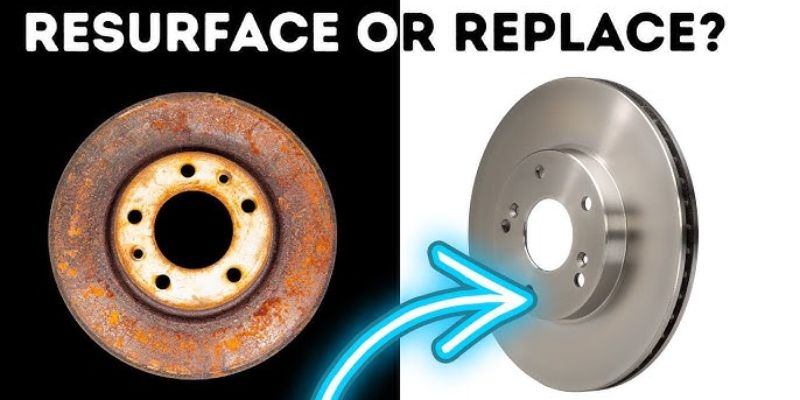
One question I get a lot is whether to resurface or replace rotors. Resurfacing, or “turning,” involves machining the rotor to create a smooth surface again. It’s cheaper than replacement, but it’s not always the best option.
If your rotors are slightly warped or have minor grooves, resurfacing might work. However, rotors have a minimum thickness specified by the manufacturer. If they’re too thin after resurfacing, they won’t handle heat well and could crack. In that case, replacement is the only safe option.
I once tried to save a buck by resurfacing rotors that were already thin. Bad move—they warped again within months, and I ended up replacing them anyway. Check your vehicle’s manual for the minimum rotor thickness, and always measure before deciding. Most mechanics recommend replacing rotors every two to three brake pad changes, but it depends on your driving style and rotor quality.
How Driving Habits Affect Rotor Wear
Your driving habits play a huge role in how long your rotors last. If you’re like me and enjoy spirited drives through winding roads, your rotors take a beating. Hard braking, especially at high speeds, generates a lot of heat, which can warp or crack rotors over time.
City driving with constant stop-and-go traffic is also tough on rotors. The frequent braking doesn’t give them time to cool down, leading to faster wear. On the other hand, highway driving with gentle braking is much easier on your rotors.
I’ve noticed that my rotors last longer when I’m mindful of my braking. For example, easing off the gas early and letting the car slow naturally before braking reduces wear. It’s a small habit that makes a big difference.
Choosing the Right Rotors for Your Vehicle
Picking the right rotors can feel overwhelming with so many options out there. Here’s what I consider when choosing rotors:
- Vehicle Type: A compact sedan doesn’t need the same rotors as a heavy SUV or a sports car. Match the rotor to your vehicle’s weight and performance needs.
- Driving Style: If you’re a casual driver, vented rotors are usually enough. For performance driving, consider slotted or drilled rotors.
- Budget: Quality rotors cost more but last longer and perform better. Avoid the cheapest options if safety is a priority.
- Brand Reputation: Stick to reputable brands known for durability and performance. I’ve had great experiences with brands like Brembo and Bosch.
When I upgraded my truck’s rotors, I went with vented rotors designed for towing. They handled the extra weight perfectly, and I felt confident hauling heavy loads.
The Cost of Brake Rotor Maintenance
Let’s talk money. Rotor maintenance or replacement isn’t cheap, but it’s a necessary expense. On average, replacing rotors and pads costs $200 to $500 per axle, depending on your vehicle and labor rates. High-performance or carbon-ceramic rotors can push that cost higher.
Resurfacing is more affordable, typically $50 to $100 per rotor, but it’s not always an option. Regular maintenance, like cleaning and inspecting your brakes, can prevent costly repairs down the road. I always budget for brake maintenance every couple of years to avoid surprises.
Common Myths About Brake Rotors
Over the years, I’ve heard plenty of myths about rotors. Let’s clear up a few:
- Myth: Drilled rotors always perform better. Truth: They’re great for heat dissipation but can crack under extreme conditions if not designed well.
- Myth: Rotors never need replacing. Truth: Rotors wear down and must be replaced when they’re too thin or damaged.
- Myth: Cheap rotors are just as good. Truth: Low-quality rotors wear faster and may not provide consistent braking.
I fell for the “cheap rotors” myth early on, and it cost me more in the long run. Stick to quality parts and trusted mechanics to avoid headaches.
The Future of Brake Rotors
Brake rotor technology is always evolving. With electric vehicles and hybrids becoming more popular, regenerative braking systems are reducing the strain on traditional rotors. Some manufacturers are experimenting with lighter materials to improve fuel efficiency without sacrificing performance.
I’m excited to see where this technology goes. Imagine rotors that last twice as long or dissipate heat even better. For now, though, keeping up with regular maintenance is the best way to ensure your rotors perform at their peak.
Conclusion
Well, there you have it—a deep dive into what car rotors do and why they’re so important. From slowing your car safely to handling the intense heat of braking, rotors are a critical part of your vehicle’s safety system. I’ve learned through years of working on cars that taking care of your rotors means taking care of yourself and your passengers. By understanding how they work, recognizing signs of wear, and choosing the right rotors for your driving style, you can keep your car stopping smoothly for years to come.
Whether you’re a daily commuter or a weekend gearhead, I hope this guide has given you a new appreciation for those spinning metal discs. Next time you hit the brakes, you’ll know exactly what’s happening under the hood—and why it matters. Drive safe, and happy motoring!
Frequently Asked Questions
What do car rotors do in simple terms?
Car rotors are metal discs that spin with your wheels. When you brake, brake pads press against the rotors to create friction, slowing or stopping your car.
How long do brake rotors typically last?
Brake rotors usually last 30,000 to 70,000 miles, depending on driving habits, vehicle type, and rotor quality. Regular inspections can help you know when they need replacing.
Can I drive with worn brake rotors?
It’s not safe to drive with worn or damaged rotors. They can cause vibrations, longer stopping distances, or even brake failure. Get them checked by a mechanic as soon as possible.
What’s the difference between drilled and slotted rotors?
Drilled rotors have holes to reduce heat and weight, while slotted rotors have grooves to clear debris and improve grip. Both are designed for performance but work best in specific conditions.
How do I know if my rotors need resurfacing or replacement?
If rotors are slightly warped or have minor grooves, resurfacing might work. If they’re too thin, cracked, or heavily damaged, replacement is necessary. Check your vehicle’s manual for minimum thickness specs.
Are expensive rotors worth the cost?
Yes, quality rotors last longer, perform better, and enhance safety. Cheap rotors may save money upfront but can wear out faster and compromise braking.