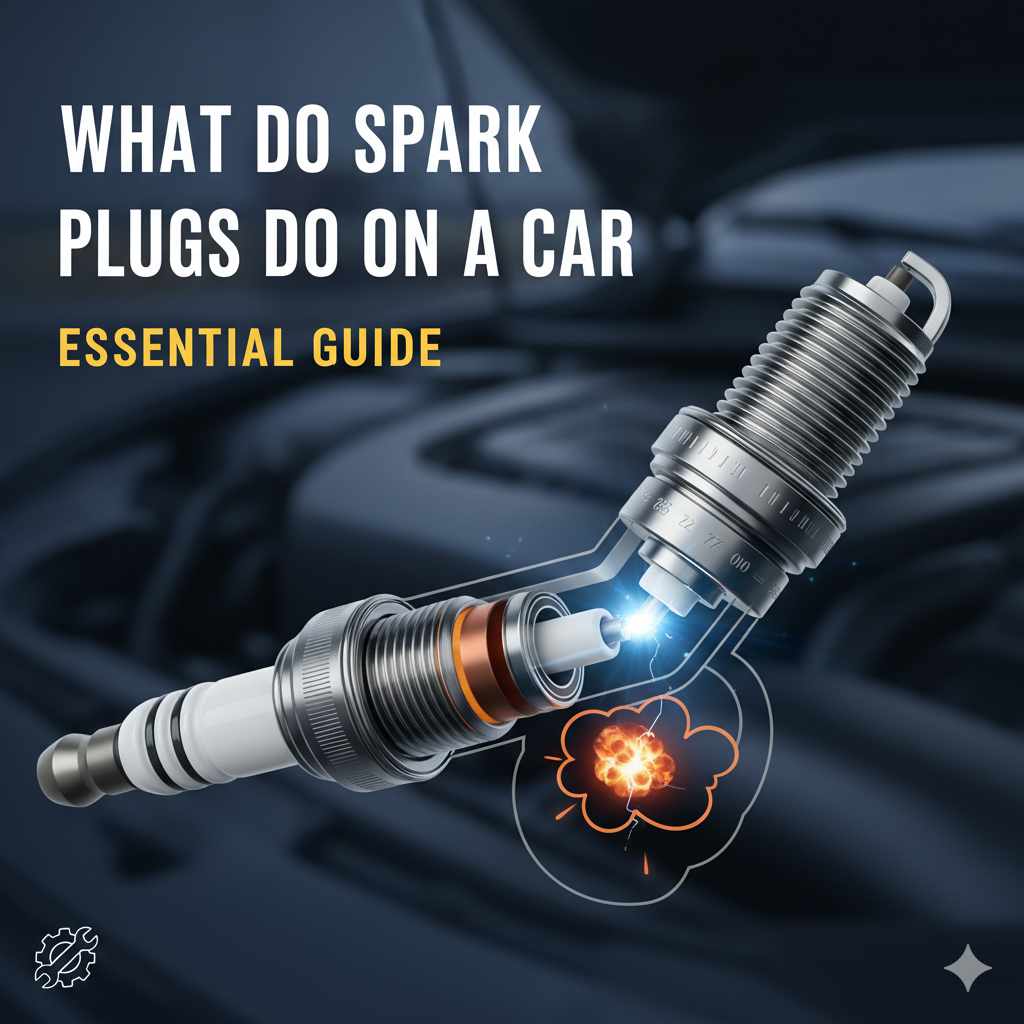
What Do Spark Plugs Do On A Car: Essential Guide
Spark plugs ignite the air-fuel mixture in your car’s engine, creating the spark needed for combustion. This process powers your vehicle, making them vital for its operation.
Is your car acting a little sluggish? Do you hear strange noises from the engine, or is your fuel economy not what it used to be? Sometimes, small parts can make a big difference in how your car runs. One of these often-overlooked components is the humble spark plug. It might seem tiny, but without it, your engine wouldn’t even start. Don’t worry if you’re not a car expert! I’m here to break down exactly what spark plugs do in a way that’s easy to understand. We’ll cover their essential role, common issues, and why they matter for your car’s health. You’ll feel more confident about your vehicle in no time. Let’s get those questions answered!
What Do Spark Plugs Do On A Car? The Engine’s Tiny Fire Starters
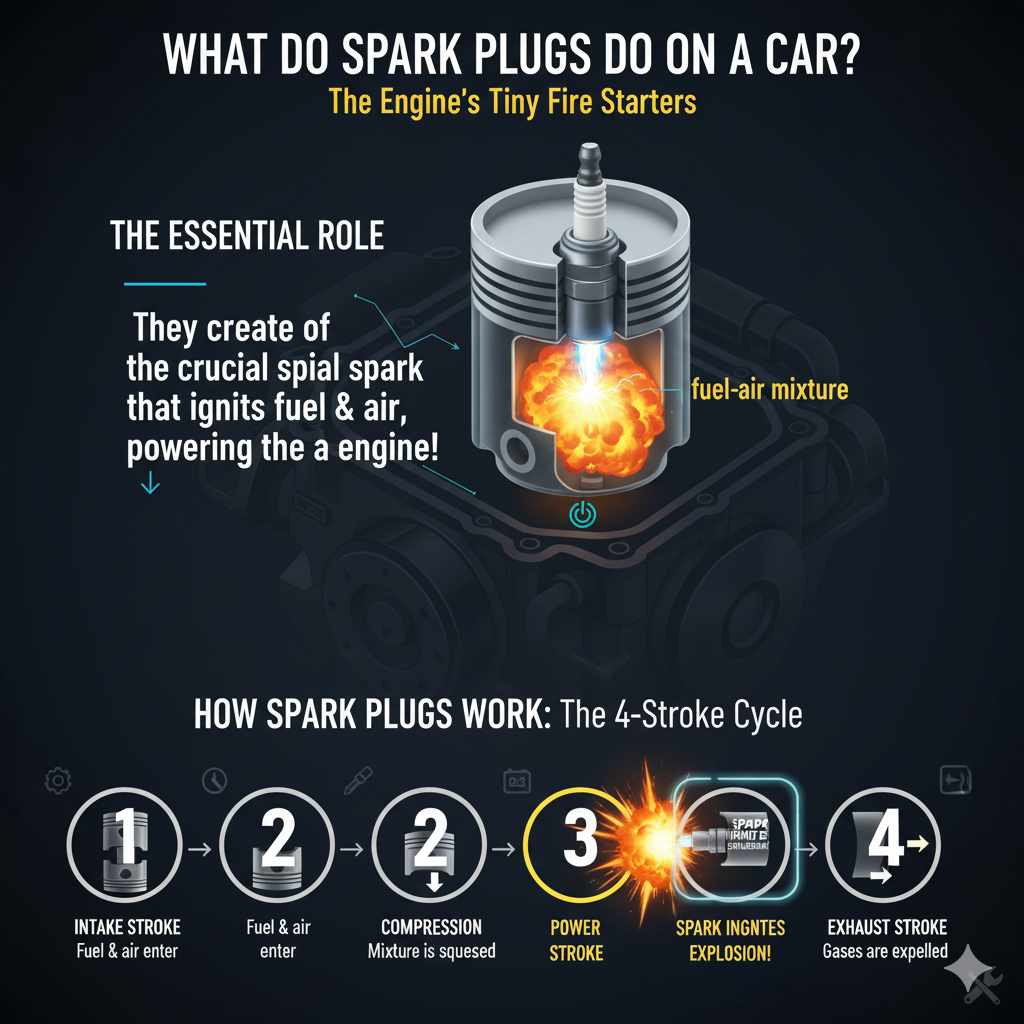
Think of your car’s engine as a series of controlled explosions. Every time your engine runs, thousands of these tiny, powerful explosions happen every minute. Spark plugs are the heroes that make these explosions possible! They are literally responsible for creating the spark that ignites the fuel and air mixture inside your engine’s cylinders. This ignition is what creates the power that turns your wheels.
In simpler terms, your engine needs a spark to make the gasoline burn and generate the energy to move your car. Spark plugs deliver that crucial spark. Without them, your engine would be silent, and your car wouldn’t go anywhere.
How Spark Plugs Work: A Step-by-Step Ignition Process
Understanding what spark plugs do is easier when you see how they fit into the engine’s cycle. Here’s a simplified breakdown of the “combustion cycle” where the spark plug plays its starring role:
- Intake Stroke: The piston inside the cylinder moves down, drawing a mixture of fuel and air into the cylinder.
- Compression Stroke: The piston moves back up, squeezing the fuel-air mixture into a very small space. This makes the mixture highly combustible.
- Power Stroke: This is where the spark plug steps in! Just as the piston reaches the top, the spark plug emits a high-voltage electrical spark. This spark ignites the compressed fuel-air mixture. The resulting explosion pushes the piston forcefully down, creating the power that drives the engine and ultimately your car.
- Exhaust Stroke: The piston moves up again, pushing the burnt gases (exhaust) out of the cylinder.
This cycle repeats over and over again in each cylinder of your engine, creating continuous power. The timing and strength of the spark plug’s spark are critical. Too weak a spark, or a spark at the wrong moment, and the fuel won’t ignite properly, leading to a range of problems.
Key Components of a Spark Plug
A spark plug might look simple, but it has a few important parts that work together to create that vital spark:
- Terminal: This is where the ignition system connects to send electrical voltage to the spark plug.
- Insulator: Made of ceramic, this part prevents the electrical current from escaping before it reaches the electrode tip. It also protects the plug from the high heat and pressure inside the cylinder.
- Metal Shell (Body): This threaded metal part screws the spark plug into the engine cylinder head, providing a secure connection and helping to dissipate heat.
- Center Electrode: The main electrode that carries the electrical current from the ignition system.
- Ground Electrode: This is a small metal tip attached to the shell, positioned opposite the center electrode. The spark jumps across the gap between these two electrodes to ignite the fuel.
Why Spark Plugs Are Crucial for Your Car’s Performance
Those tiny sparks are responsible for a lot more than just getting your engine started. Healthy spark plugs contribute directly to:
- Smooth Engine Operation: When spark plugs are working well, they create a consistent and strong spark, leading to smooth acceleration and a quiet engine.
- Fuel Efficiency: A proper spark ensures that the fuel-air mixture burns completely and efficiently. This means your engine uses less fuel to produce the same amount of power, saving you money at the gas pump.
- Optimal Power Output: A strong, well-timed spark is essential for maximizing the power your engine can produce. Worn-out plugs can lead to a noticeable loss of power.
- Easier Starting: When you turn the key, a strong spark from your spark plugs makes it much easier for the engine to fire up and start running.
- Reduced Emissions: Complete combustion, thanks to good spark plugs, means fewer unburnt fuel particles escape into the atmosphere, resulting in lower harmful emissions. The U.S. Environmental Protection Agency (EPA) has strict standards for vehicle emissions, and properly functioning spark plugs are a key part of meeting them.
Signs of Worn-Out or Failing Spark Plugs
Spark plugs don’t last forever. Over time, they wear down due to constant exposure to extreme heat, pressure, and electrical arcing. Recognizing the signs of failing spark plugs can help you address problems before they become serious and expensive.
Some common symptoms include:
- Rough Idling: If your engine shakes or vibrates excessively when it’s idling (sitting still in gear), your spark plugs might not be firing consistently.
- Misfiring: You might feel a hesitation or a bump when you try to accelerate. This is often described as the engine struggling or “stuttering.”
- Poor Fuel Economy: If you’re noticing that you’re visiting the gas station more often than usual, but you’re driving the same routes, your spark plugs could be contributing to this inefficiency.
- Difficulty Starting: A weak spark can make it harder for your engine to turn over and start, especially in cold weather.
- Hesitation or Stumbling During Acceleration: When you press the gas pedal, the car might feel like it’s not responding immediately or smoothly.
- Engine Knocking or Pinging: This is a metallic sound that can occur when the fuel ignites at the wrong time or incompletely, often due to a weak spark.
- Check Engine Light: Modern cars have sensors that can detect issues with engine performance, including misfires caused by spark plugs, and will illuminate the Check Engine Light.
Types of Spark Plugs: Choosing the Right One for Your Car
Not all spark plugs are created equal. Different materials and designs offer varying levels of performance, durability, and compatibility with your engine. Choosing the correct type is important. Here are the most common ones:
1. Copper Core Spark Plugs
These are the most basic and cheapest type of spark plug. They use a copper core surrounded by a layer of nickel. Copper is an excellent conductor of electricity, which helps produce a strong spark. However, copper wears down relatively quickly.
- Pros: Inexpensive, readily available, good initial spark.
- Cons: Shorter lifespan (typically 10,000 to 20,000 miles), require more frequent replacement, may not perform as well in modern high-performance engines.
- Best for: Older vehicles, less demanding driving conditions, budget-conscious replacements.
2. Platinum Spark Plugs
Platinum plugs have a platinum disc welded to the tip of the center electrode. Platinum is much harder and more durable than copper, allowing these plugs to last significantly longer.
- Pros: Longer lifespan (typically 30,000 to 50,000 miles), consistent performance, more resilient to wear.
- Cons: More expensive than copper plugs.
- Best for: Many modern vehicles, drivers who want longer service intervals.
3. Iridium Spark Plugs
Iridium is an even harder and more precious metal than platinum. Iridium spark plugs feature a very fine-tipped center electrode made of iridium, often combined with a platinum pad on the ground electrode. This design requires less voltage to create a spark, leading to improved combustion and fuel efficiency.
- Pros: Longest lifespan (often 60,000 to 100,000 miles or more), excellent performance and fuel efficiency, strong spark with less voltage.
- Cons: The most expensive type of spark plug.
- Best for: Modern vehicles, performance enthusiasts, drivers seeking maximum fuel economy and longevity.
4. Double Platinum Spark Plugs
These have platinum on both the center and ground electrodes, offering even greater durability compared to single platinum plugs. They are often used in “waste spark” ignition systems where both spark plugs in a pair fire at the same time.
- Pros: Very long lifespan, excellent performance, and good for specific ignition systems.
- Cons: Can be expensive.
- Best for: Vehicles specifically designed to use them, often found in certain Japanese and American car models.
How to Find the Right Spark Plugs for Your Car
The absolute best way to know which spark plugs your car needs is to consult your:
- Owner’s Manual: This is your car’s bible! It will specify the exact type, heat range, and recommended brand of spark plugs.
- Reputable Auto Parts Store: Online or in-person, they have databases that can usually tell you the correct spark plugs based on your car’s year, make, and model.
- Auto Mechanic: If you’re unsure, a professional can tell you exactly what you need.
Using the wrong type of spark plug can lead to poor performance, reduced fuel economy, or even damage to your engine. Always stick to the manufacturer’s recommendations.
Spark Plug Maintenance and Replacement: When and How
Just like any other part of your car, spark plugs need attention. Ignoring them can lead to the issues we discussed earlier.
When Should You Replace Spark Plugs?
The lifespan of spark plugs varies greatly by type and driving conditions.
Here’s a general guide:
| Spark Plug Type | Typical Replacement Interval |
|---|---|
| Copper Core | Every 10,000 – 20,000 miles |
| Platinum | Every 30,000 – 50,000 miles |
| Iridium / Double Platinum | Every 60,000 – 100,000+ miles |
Important Note: Always check your owner’s manual for the manufacturer’s recommended replacement schedule. Some manufacturers design engines with specific spark plugs that require less frequent changes.
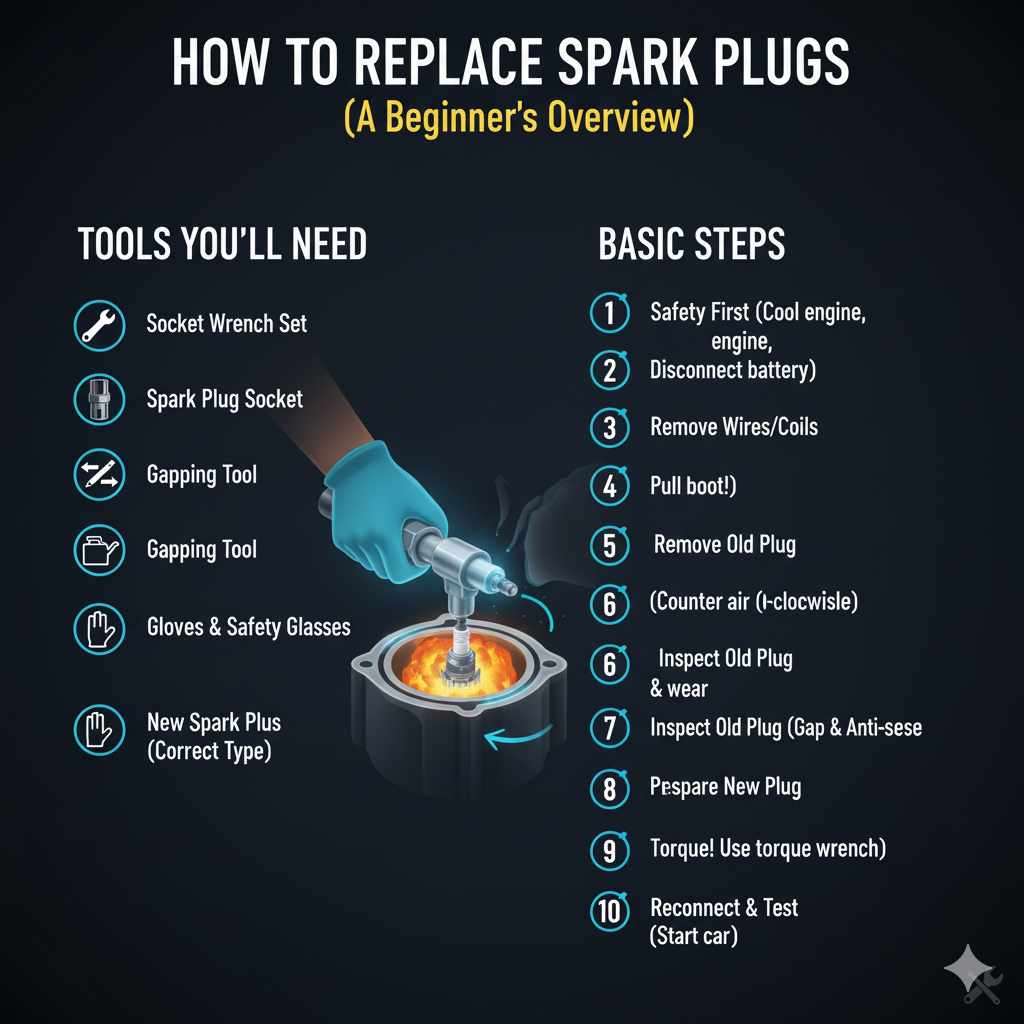
How to Replace Spark Plugs (A Beginner’s Overview)
Replacing spark plugs is a task many DIYers can tackle. However, it requires care and the right tools. If you’re hesitant, it’s always best to let a professional handle it. This is a simplified overview; always refer to a service manual for your specific vehicle for detailed instructions.
Tools You’ll Likely Need:
- New spark plugs (the correct type for your car!)
- Socket wrench set
- Spark plug socket (a deep socket with a rubber insert to grip the plug)
- Extension bars for the socket wrench
- Torque wrench (highly recommended for proper tightening)
- Gapping tool (if your new plugs aren’t pre-gapped, though most modern ones are)
- Anti-seize lubricant (optional but recommended for threads)
- Dielectric grease (for the inside of the spark plug boot)
- Gloves and safety glasses
Basic Steps:
- Safety First: Ensure the engine is completely cool. Disconnect the negative battery terminal to prevent electrical shorts.
- Locate the Spark Plugs: They are usually found on the top or sides of the engine, beneath spark plug wires or ignition coils.
- Remove the Spark Plug Wires or Coils: Gently pull on the boot (not the wire itself) to disconnect each wire or ignition coil. Note which wire/coil goes to which plug.
- Clean Around the Plug: Before removing a plug, clean any dirt or debris from around it. You don’t want anything falling into the cylinder. Compressed air is great for this.
- Remove the Old Spark Plug: Use your socket wrench and extension to carefully unscrew the old spark plug. Turn it counter-clockwise.
- Inspect the Old Plug: Look at the tip of the old plug. Its condition can tell you a lot about how your engine is running. (More on this later!)
- Prepare the New Plug: Check the gap of the new spark plug using your gapping tool. Most come pre-gapped, but it’s good to verify. Apply a small amount of anti-seize lubricant to the threads of the new plug if recommended.
- Install the New Spark Plug: Carefully thread the new plug into the cylinder by hand first to avoid cross-threading. Then, use your socket wrench to snug it up.
- Torque the New Plug: This is crucial! Use a torque wrench to tighten the spark plug to the manufacturer’s specified torque value. Over-tightening can damage the cylinder head, while under-tightening can lead to leaks and poor performance. Check out resources like the National Highway Traffic Safety Administration (NHTSA) for general vehicle maintenance safety guidelines.
- Reconnect Wires/Coils: Apply a small dab of dielectric grease inside the spark plug boot before reattaching it firmly to the new spark plug. Ensure it clicks into place. Reconnect ignition coils if applicable.
- Repeat for Other Cylinders: Do one spark plug at a time to avoid mixing up wires.
- Final Check: Reconnect the battery terminal. Start the engine to ensure it runs smoothly.
If you’re not comfortable with any of these steps, it’s always safer to take your car to a trusted mechanic.
Spark Plug Reading: What Can They Tell You About Your Engine?
The condition of your old spark plugs can actually provide valuable clues about the health of your engine. When you replace them, take a moment to examine the tips.
| Appearance | Possible Meaning | What to Do |
|---|---|---|
| Tan or Gray, slight electrode wear | Normal operation. | Replace with new plugs. |
| Black, sooty, dry | Engine running too rich (too much fuel), weak spark, or driving too many short trips where the engine doesn’t get hot enough to burn off deposits. | Check fuel system, ignition system, and driving habits. Replace plugs. |
| Oily film, wet | Oil is entering the combustion chamber. This often indicates worn piston rings, valve seals, or a faulty PCV valve. | This is a serious issue. Have engine compression tested and repaired. Replace plugs. |
| White, blistered, or melted electrodes | Engine is running too hot (overheating). This can be caused by ignition timing issues, lean fuel mixture, or cooling system problems. | Address overheating issues immediately. Check cooling system and ignition timing. Replace plugs. |
| Ash deposits, “bridging” | Fuel additives or oil burning can cause deposits to build up. “Bridging” occurs when deposits connect the electrodes, preventing spark. | Try higher quality fuel or additives if recommended by manufacturer. Address oil burning if present. Replace plugs. |
Reading your spark plugs is like getting a mini-diagnostic from your engine. If you see anything other than a tan or gray appearance, it’s a good indicator to investigate further.
Frequently Asked Questions (FAQ) about Spark Plugs
Q1: How often should I really replace my spark plugs?
It depends on the type of spark plug and your car’s manufacturer recommendations. Copper plugs might need changing every 20,000 miles, while iridium plugs can last 100,000 miles or more. Always check your owner’s manual first!
Q2: Can I use a different brand of spark plug than what’s recommended?
It’s best to stick with the type and specifications (like heat range and gap) recommended by your car’s manufacturer. While brands might differ, the core technology and materials should match what your engine is designed for.