What Does A Tracking Device On A Car Look Like? (Photos)
Most people think of GPS trackers when they hear “tracking device.” These gadgets use satellites to pinpoint a location. They then send this data somewhere else. This could be a live map online or a text message.
Cars can be tracked for many reasons. Sometimes it’s for business fleets. Other times, it’s for personal safety.
Sadly, it can also be for unwelcome surveillance.
Knowing what these devices look like is key. They are often small. They are designed to be hidden.
They can be battery-powered. Or they might tap into your car’s power. The appearance can vary a lot.
Some look like simple black boxes. Others might resemble common car parts. This makes finding them a bit of a treasure hunt.
But with the right knowledge, you can be more aware.
A car tracking device is a small electronic unit, often using GPS technology, attached to a vehicle to record or transmit its location. They can range from simple, battery-powered boxes to sophisticated units wired into the car’s power system. Their design aims for discreetness, making them hard to find without careful inspection.
The Many Faces of Tracking Devices
When we imagine a tracking device, we might picture a spy movie gadget. Some are like that. But many are simpler.
They are often called GPS loggers. These store location data. You have to retrieve the device later to see the map.
Then there are real-time trackers. These send updates constantly. You can watch the car move on your phone or computer.
Battery-powered units are common. They can be stuck almost anywhere. They don’t need to be wired in.
This makes installation easy. But they need their batteries changed. Wired trackers are more permanent.
They draw power from the car itself. This means they don’t run out of battery. But they are harder to install.
They might also be easier to spot if you know where to look.
Some trackers are designed to look like other things. They might be disguised as a small junction box. Or they could blend in with the car’s undercarriage.
The goal is always the same: to be unseen. The technology is advancing fast. Devices are getting smaller and smarter.
This means we need to be more vigilant than ever.
A Personal Encounter with a Hidden Tracker
I remember a time when a friend was worried. She had a gut feeling. Her ex-partner was being a bit too nosy.
He seemed to know where she was often. She hadn’t told him herself. We decided to do a thorough check of her car.
It was a Saturday morning. The sun was bright. She parked the car in her driveway.
We started with the obvious spots. Under the seats. In the glove compartment.
Then we got more serious. We looked under the dashboard. We checked the trunk.
Nothing. I suggested we look underneath the car. She agreed, looking a bit nervous.
We grabbed a flashlight. We got down on our hands and knees. The car was clean underneath.
No wires hanging. No obvious boxes.
Then, I saw it. It was small. It was black.
It was stuck to a metal frame behind the rear bumper. It looked like a small battery pack. It had a magnet on it.
It was tucked away so well. You’d have to be looking for it. Or crawling on the ground with a light.
We carefully removed it. It was a real-time GPS tracker. The feeling of relief mixed with anger was intense.
It’s a violation of privacy. It highlights why knowing what to look for is so important.
Common Hiding Spots for Tracking Devices
Trackers are designed to be stealthy. Their makers know where people might look. So they choose spots that are out of sight.
They are usually out of mind too. Think about the places you rarely inspect. Those are prime locations.
The underside of a car is a popular choice. Especially near the bumper. Or along the frame rails.
Inside the car, the dashboard is a common area. Not necessarily on top. But behind it.
Or in the nooks and crannies. The trunk is another good spot. Especially if it has a false bottom or hidden compartments.
Some trackers can be small enough to fit into tight spaces. They might be attached to metal surfaces with magnets.
Let’s break down some of the most frequent hiding spots:
Hiding Spot Breakdown
Undercarriage:
- Behind the front or rear bumper
- Along the frame rails (sides of the car)
- Near the fuel tank
- Inside the wheel wells (less common, but possible)
Engine Bay:
- Tucked away near the firewall
- Behind components (carefully!)
Interior:
- Under the dashboard (behind panels)
- Inside the glove compartment (less likely unless disguised)
- Under seats (more obvious, but still checked)
- Inside door panels (rare, requires disassembly)
Trunk:
- Under the carpet lining
- Behind side panels
- Within spare tire well
The key is that these spots are often dark. They might be dusty. They don’t get much light.
And you don’t usually spend much time poking around there. A tracker might look like a simple black box. Or it could be a small rectangular device.
Some might have visible antennas. But many do not.
What Does a Typical GPS Tracker Look Like?
Imagine a small package. Maybe the size of a deck of cards. Or even smaller.
Many battery-powered trackers are about that size. They are often made of black plastic. This helps them blend into shadows.
They usually have a strong magnet on one side. This is how they attach to metal surfaces on the car.
Some might have a small light. This could indicate power or signal. But often, they have no lights at all.
This makes them even harder to spot. They are typically self-contained units. They have a battery inside.
They also have a GPS receiver. And a transmitter to send the data.
Wired trackers can look a bit different. They might be flatter. Or they might be in a more robust casing.
Because they are wired into the car’s power, they often have wires extending from them. These wires would connect to the car’s electrical system. The size can still be quite small.
Some are designed to fit into existing wiring harnesses.
Here’s a quick comparison of common types:
Tracker Appearance Comparison
| Feature | Battery-Powered Tracker | Wired Tracker |
|---|---|---|
| Typical Size | Small box (2-4 inches) | Can be flat or small box |
| Color | Usually black or dark grey | Often black or grey |
| Attachment | Magnet, adhesive | Wires to car power |
| Power Source | Internal battery | Vehicle’s electrical system |
| Visible Wires | No | Yes |
When you look for a tracker, you’re looking for something that seems out of place. Something that doesn’t belong. It might be a small object stuck to metal.
Or a slightly odd lump. It’s not always a high-tech looking device. Often, it’s deliberately bland.
Disguised and Modified Trackers
The game of hide-and-seek gets interesting when devices are disguised. Some trackers aren’t just black boxes. They are made to look like ordinary car parts.
Think about common objects in a car. A small relay. A fuse box component.
Or even a piece of plastic trim. These can be used to hide the tracking technology.
Some companies make tracking devices that look like existing parts. They might have the same texture. Or the same color.
They are designed to fool the eye. This makes them very difficult to find during a quick check. You have to be very observant.
You need to notice slight differences.
Another trick is using dual-purpose items. A device might look like a simple connector. Or a small junction.
But inside, it has tracking capabilities. This is where expertise becomes important. If you see something that doesn’t seem to serve a clear purpose, it’s worth a closer look.
But remember, don’t touch or tamper with anything you suspect. Especially if it looks like it’s part of the car’s electrical system.
The appearance can be molded plastic. It could have small cables. Or it might be completely sealed.
The key is its placement. If it’s in an unusual spot. Or if it seems to be attached strangely.
That’s a red flag. Always consider if the item looks factory-installed. Or if it looks like an afterthought.
How to Search for a Tracking Device
Searching for a tracker requires patience. And a good flashlight. You need to get down low.
And look in all the places you don’t normally see. Start with the exterior. Walk around the car.
Look under the front and rear bumpers. Shine your light along the frame. See if anything looks stuck on or out of place.
Move to the engine bay. Be careful here. It’s a complex area.
Look for small boxes or devices attached to the firewall. Or tucked near large components. Don’t touch anything that looks connected.
Just observe. Take pictures if you can.
Now, go inside the car. Open the driver’s door. Look under the dashboard.
Use your flashlight to scan the area. Feel around gently if you can reach. Check the passenger side too.
Don’t forget the glove compartment. Look in the center console. And under the seats.
Sometimes they are just taped or stuck there.
Don’t neglect the trunk. Lift out the carpet liner. Look in the spare tire well.
Check the side panels. Are there any lumps or bumps that shouldn’t be there? Any unusual objects?
Anything that seems to be attached to the metal structure?
Your Tracker Search Checklist
- Exterior: Bumpers, frame rails, undercarriage.
- Engine Bay: Firewall, hidden areas.
- Interior: Dashboard (behind panels), glove box, console, seats.
- Trunk: Under lining, spare tire area, side panels.
- Tools: Bright flashlight, mirror (optional), gloves.
- Method: Systematic, patient, thorough.
When you find something suspicious, take a step back. Don’t panic. Take a clear photo.
If it’s easily removable and you are sure it’s not part of the car’s vital systems, you can consider removing it. But if you have any doubt, or if you feel unsafe, it’s best to contact a professional. Or the police.
Real-World Scenarios: Where Trackers Are Found
In my work, I’ve seen trackers in all sorts of vehicles. One client found one on a company van. It was attached magnetically to the underside, near the exhaust pipe.
The driver had no idea. It was used to monitor delivery times. This is a legitimate business use.
But it still felt intrusive to the driver.
Another time, a woman found a device in her son’s car. He had recently broken up with a difficult ex. The device was in the wheel well.
It was small and looked like a small battery pack. It was clearly meant to be hidden from casual view. This is a more concerning situation.
It points to potential harassment or stalking.
I also recall a case where a tracker was found in a rental car. This was a surprise to everyone. It turned out to be for vehicle recovery.
If the car was stolen, the rental company could find it. These are often more robust and wired in. They might be disguised to look like part of the car’s wiring harness.
The context matters. A business using a tracker on its own fleet is different from someone tracking an ex-partner. But the physical appearance and hiding spots are often the same.
The small, dark, magnetically attached box is a common theme. Or the flat, wired unit hidden in plain sight within the car’s systems.
What This Means for You: When to Be Concerned
Not every strange object on your car is a tracker. Your car has many components. Some might be a bit dirty or unusual looking.
But a tracking device is deliberately placed. It’s meant to record location data. So, when should you feel worried?
You should be concerned if:
- You have a reason to believe someone might be tracking you.
- You find a small electronic device stuck to your car. Especially if it has a magnet.
- You find something in a hidden spot that doesn’t look like it belongs there.
- You notice your car battery draining unusually fast (this can happen with some older, un-wired trackers).
- Someone seems to know your whereabouts without you telling them.
If you find something you suspect is a tracker, it’s important to be cautious. Don’t immediately start pulling wires. Especially if it’s in the engine bay or near the battery.
You could damage your car. Or worse, you could hurt yourself.
If you have a strong suspicion or have found a device:
- Document it: Take clear photos.
- Do not tamper: Unless it’s clearly a loose, battery-powered item that you can safely remove.
- Seek professional help: A mechanic can inspect your car. A private investigator can help if you suspect illegal surveillance.
- Contact law enforcement: If you believe you are being stalked or harassed.
Knowing what a tracking device looks like is the first step. Being aware of common hiding spots is the second. The third step is knowing what to do if you find one.
Your safety and privacy are important.
Simple Checks You Can Do
You don’t need to be a car expert to do a basic check. Grab a flashlight. And spend about 15-20 minutes.
It’s a good habit to do this every few months. Or if you just have that nagging feeling.
Quick Visual Scan:
- Walk around your car slowly. Look underneath.
- Shine your light into the wheel wells.
- Check the areas around your bumpers.
- Look at the bottom edges of your doors.
Interior Check:
- Look under the dashboard on both sides.
- Check the glove compartment and center console.
- Slide the seats forward and backward. Look for anything attached underneath.
- Lift any floor mats.
Trunk Check:
- Lift the carpet liner. Look at the spare tire area.
- Check the side pockets or compartments.
You are looking for anything small, black, and stuck on. Especially if it looks like a battery pack. Or a small box with no obvious wires connected to the car’s systems.
If it looks like it was stuck there with strong tape or magnets, that’s a clue.
Tracker Identification Tips
Look for:
- Small, rectangular or square objects.
- Black or dark-colored plastic.
- Devices with visible magnets.
- Anything attached with strong tape or adhesive.
- Objects in unusual places.
Don’t confuse with:
- Normal car parts (e.g., sensors, brackets).
- Mud or road grime buildup.
- Loose wires that look like they belong.
Remember, most cars do not have trackers. This is a precaution. But it’s a good one to be aware of.
Frequently Asked Questions About Car Tracking Devices
How small can a car tracking device be?
Some tracking devices are very small, about the size of a USB drive or even smaller. They are designed to be discreet and fit into tight spaces. Larger, battery-powered units might be closer to the size of a deck of cards.
Can a tracker be hidden inside a car part?
Yes, some trackers are designed to look like common car parts or be disguised within them. This makes them very hard to find without expert knowledge or a thorough inspection.
What do I do if I find a suspicious device on my car?
If you find a device you suspect is a tracker, take clear photos. Do not tamper with it if it looks connected to the car’s systems. If you feel unsafe or suspect illegal surveillance, contact law enforcement or a private investigator.
A mechanic can also help identify unknown parts.
Are all GPS trackers black boxes?
No, while many are black, they can come in various colors and designs. Some are disguised to blend in. The key is finding an electronic object that doesn’t look like a standard part of the car.
How long do batteries last in a tracking device?
Battery life varies greatly. Some devices are designed for long-term use, lasting weeks or months on a single charge. Others might only last a few days if they are constantly transmitting data.
Wired trackers do not have this limitation.
Can a tracking device be inside my car’s computer system?
It is highly unlikely that a typical consumer-grade tracking device would be integrated directly into your car’s main computer system without significant modification. Most trackers are external devices, either battery-powered or wired into the car’s power supply.
Final Thoughts on Vehicle Surveillance
Understanding what a tracking device looks like is crucial. It empowers you to protect your privacy. Most of us will never find one.
But being aware is smart. A quick check now and then can bring peace of mind. If you do find something, don’t panic.
Take steps to document and investigate safely.
Products related to this article
Sponsored / affiliate links. As an Amazon Associate I earn from qualifying purchases. I may earn additional commission from eligible campaigns.
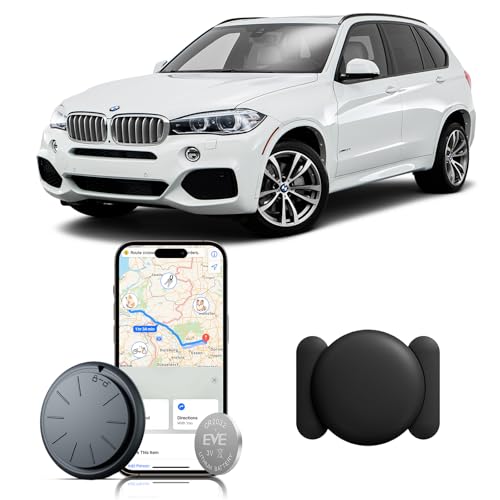 ZFSJTAG Car GPS Tracking Device for Vehicles, 1PCS Real Time GPS Tracker for Car, Work with Find My (iOS Only),Hidden Mini GPS Tracker,No Monthly Fee (Black Tracker, Black Magnetic Case)
 ZFSJTAG Car GPS Tracking Device for Vehicles, 1PCS Real Time GPS Tracker for Car Work with Find My (iOS Only), No Monthly Fee GPS Tracker (White Tracker, White Magnetic Case)