How Much Oil Is Too Much in a Car? Don’t Overfill It
Too much oil is just as harmful as too little — overfilling past the “full” dipstick mark lets the spinning crankshaft whip the oil into foam, which can’t lubricate properly and leads to increased wear or even seal damage. A quick-lube shop overfill is a common cause. This guide covers the signs, how much oil your car actually needs, and how to safely drain the excess.
Quick Answer
Any amount above the dipstick’s “full” mark is too much — even half a quart over can cause the crankshaft to whip oil into foam, reducing lubrication. Check your owner’s manual for exact capacity (most cars hold 4-8 quarts), and drain excess oil promptly if you overfill.
Understanding Engine Oil Levels
Engine oil does a few big jobs. It keeps parts from rubbing together. This stops wear and tear.
It also helps keep the engine cool. Hot parts get cooled by the oil flowing over them. Oil also cleans out gunk.
Over time, dirt builds up in your engine. Oil carries this dirt away to the filter.
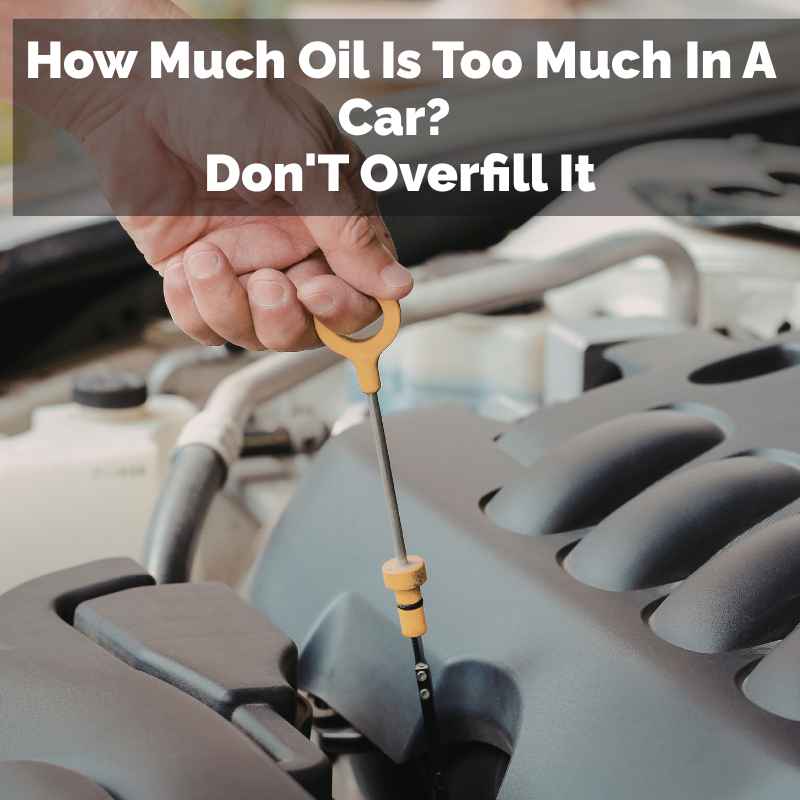
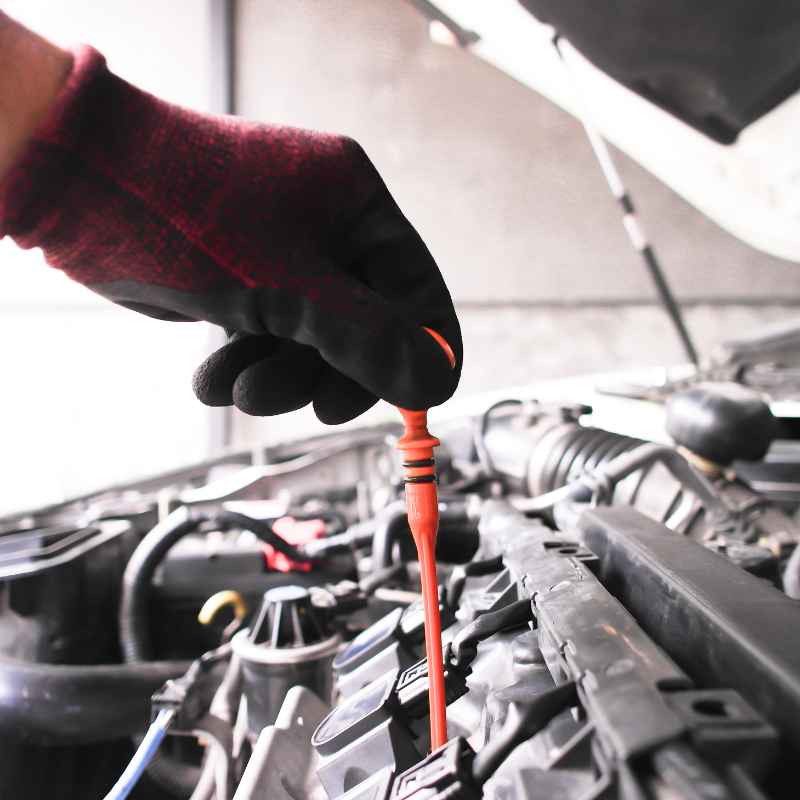
Your car has a dipstick. This is your main tool. It shows you how much oil is in the engine.
Most dipsticks have two marks. One is for “add” or “low.” The other is for “full” or “max.” You want the oil level to be between these two marks. Usually, the “full” mark is best.
Never go above the “full” mark.
Why is this mark there? It’s a carefully designed amount. This amount lets the engine parts work right.
It also lets the oil do its jobs without issue. Think of it like a busy kitchen. You need enough ingredients for the recipe.
But too many ingredients can ruin the dish. Your engine is similar.
Why Too Much Oil Is a Problem
So, you might be thinking, “More oil must be better, right?” That’s a natural thought. More of a good thing sounds good. But with engine oil, it’s not true.
Too much oil can actually harm your engine. It can lead to big, expensive repairs. It’s a common mistake that many drivers make.
The main issue is called “aeration.” Your engine has a crankshaft. This part spins very fast. It’s deep in the engine, below the oil pan.
If the oil level is too high, the spinning crankshaft can whip the oil. It’s like beating egg whites. This whips air into the oil.
This creates foam, or bubbles.
Foamy oil doesn’t work as well. It can’t lubricate parts properly. It’s like trying to drink a foamy latte through a straw.
The foam doesn’t carry the liquid well. Your engine parts need a smooth, thick film of oil. Bubbles break this film.
This leads to metal parts rubbing together. This causes wear and heat.
Another problem is oil pressure. Too much oil can make the oil pressure go up. The oil pump pushes oil through the engine.
If there’s too much oil in the pan, it can make the pump work harder. It might also force oil into places it shouldn’t go. This can damage seals and gaskets.
The oil can also get into the combustion chamber. This is where the fuel and air burn. Oil in the combustion chamber burns too.
This creates smoke. It also leaves behind carbon deposits. These deposits can hurt engine performance.
They can even damage spark plugs. They can also clog up important engine parts.
Signs You’ve Overfilled Your Car With Oil
You might be worried you’ve put too much oil in. Don’t panic. There are signs to look for.
Catching these early can save your engine. You might not see all these signs. But seeing even one is a good reason to check.
One of the first signs is blue smoke from the exhaust pipe. This is a big clue. It means oil is burning.
The smoke might be light blue or even dark blue. It often smells a bit like burning oil. This happens when oil gets into the cylinders and burns with the fuel.
You might also notice a burning smell. This smell often comes from under the hood. It’s not the exhaust smell.
It’s a different kind of burning. This smell can also mean oil is leaking. Or it could mean oil is burning somewhere it shouldn’t be.
A burning oil smell is never good.
Another sign is a change in engine noise. Your engine might sound rougher. It might make knocking or tapping sounds.
This can happen when the oil is foamy. The parts aren’t getting enough lubrication. They start to make noise.
It’s like a metal-on-metal sound. This is a serious warning.
Check engine lights can also come on. Your car has sensors. These sensors monitor oil pressure.
If the oil pressure is too high due to overfilling, a warning light might appear. It could be a red oil can symbol. Or it might be a general engine warning light.
You may also notice oil leaks. Too much oil pressure can force oil out of seals. Look under your car.
You might see fresh oil spots. Check around the engine too. Look for wet spots on engine parts.
Seals are made to keep oil in. Too much pressure can break them.
Signs of Too Much Oil: A Quick Look
- Blue smoke from the exhaust pipe
- Burning oil smell
- Rough engine noises (knocking, tapping)
- Check engine warning light
- Oil leaks under the car
How to Check Your Oil Level Correctly
It’s important to check your oil the right way. This ensures you get accurate readings. It helps you avoid overfilling in the first place.
Follow these steps carefully. You’ll need a clean rag and your car’s owner’s manual.
First, park your car on a level surface. This is very important. If the car is on a hill, the oil level will look wrong.
It won’t be accurate. Make sure the engine is off. Let it cool down for a bit.
Some cars need a warm engine check. Others need a cold engine check. Your owner’s manual will tell you.
For most cars, a warm engine that has sat for a few minutes is best. This lets the oil drain back into the pan. For this guide, let’s assume a warm engine check.
Open the hood. Find the oil dipstick. It usually has a bright-colored handle.
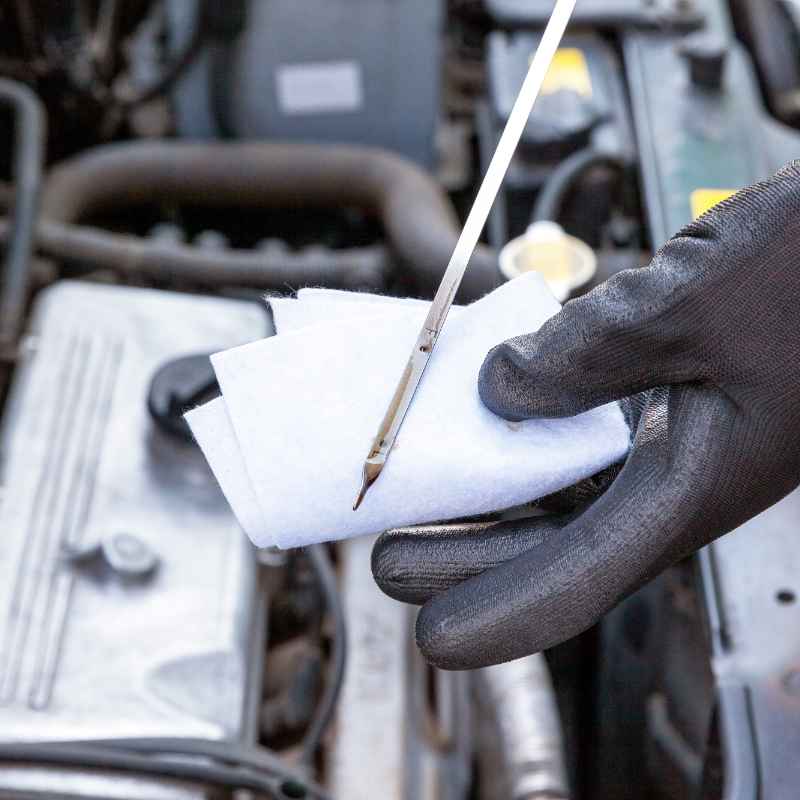
Pull it out fully. Wipe it clean with your rag. Make sure it’s totally dry.
This gets rid of any old oil that might be on it.
Put the dipstick all the way back in. Make sure it’s seated properly. Wait a few seconds.
Then pull it out again. Look at the very end of the dipstick. You’ll see marks.
These show the oil level. There are usually two marks or holes. One is the low mark.
One is the high mark.
The oil level should be between these two marks. The ideal spot is close to the high mark. But it should NOT be above the high mark.
If it’s above the high mark, you have too much oil.
Dipstick Check Steps
- Park on a level surface.
- Turn off the engine. Let it cool briefly.
- Open the hood and find the dipstick.
- Pull out the dipstick and wipe it clean.
- Reinsert the dipstick fully.
- Pull it out again and check the oil level.
My Own Oil Overfill Scare
I remember one time, I was helping a friend with their car. It was an older sedan, reliable but a bit finicky. They had just gotten an oil change at a quick lube place.
They said it felt sluggish. They also noticed a faint burning smell. My friend was worried.
They asked if I could take a look.
I popped the hood. It was a bright, sunny afternoon. The engine bay was warm.
I found the dipstick. I pulled it out. Immediately, I knew something was wrong.
The oil level was way past the ‘full’ mark. It was almost halfway up the section meant for adding oil. My heart sank a little.
I told my friend, “I think they put too much oil in.”
I explained the risks. The smell they noticed was probably oil burning. The sluggish feeling made sense too.
The engine was working harder. I could see a tiny bit of dark oil residue near the oil filter. It wasn’t a big leak, but it was there.
It was a clear case of overfilling. The quick lube place was busy. They probably just added oil without careful checking.
This happens more than you’d think. It’s a simple mistake that can cause big problems down the road. We spent the next hour figuring out how to drain the excess oil.
It was a good learning moment for both of us.
How Much Oil Is Too Much?
The exact amount of oil varies by car. Your owner’s manual is the best guide. It will tell you the total oil capacity.
This is usually in quarts or liters. It will also say if you need a special type of oil.
For most cars, adding just one extra quart of oil can be too much. If your car needs, say, 5 quarts, and you put in 6, that can be a problem. This is especially true for smaller engines.
Larger engines might have a bit more tolerance. But it’s still not good.
Think of the dipstick marks again. The distance between the “add” mark and the “full” mark often represents about 1 quart. So, if your oil level is above the “full” mark, you’ve added too much.
Even if it’s just a little bit above, it can be an issue.
It’s also important to use the right type of oil. Your manual will specify the viscosity grade. This is like 5W-30 or 10W-40.
Using the wrong type can also cause problems. It might not flow right. It might not protect your engine as it should.
Many people make the mistake of not checking the oil level after adding some. They just add a bottle and close the hood. It’s crucial to check.
Add a little, check. Add a little more, check again. Stop when you reach the full mark.
Quick Oil Capacity Guide (General)
This is a very general guide. Always check your owner’s manual.
| Vehicle Type | Approximate Oil Capacity |
|---|---|
| Small Sedans | 4-5 quarts |
| Mid-size Sedans | 4.5-6 quarts |
| SUVs/Trucks | 5-7 quarts |
| Performance Cars | 6-8+ quarts |
What Happens if You Don’t Drain Excess Oil?
If you’ve overfilled your engine, it’s best to fix it. Leaving too much oil in the engine can lead to serious damage over time. The immediate effects might be subtle.
But the long-term damage can be severe.
As I mentioned, the crankshaft can whip the oil into foam. This foamy oil can’t protect the engine parts well. This leads to increased wear and tear.
Parts like bearings, camshafts, and piston rings can wear out faster. This means your engine might not last as long.
The increased oil pressure can damage seals and gaskets. These are crucial for keeping oil where it belongs. When they fail, oil can leak out.
This leads to oil loss. It can also cause oil to get into other parts of the engine. Oil in the intake system or exhaust system is bad.
Burning oil in the combustion chamber creates carbon buildup. This buildup can affect how your engine runs. It can make it less efficient.
It can lead to misfires. It can damage spark plugs and the catalytic converter. Repairing these issues can be very costly.
In the worst-case scenario, an overfilled engine can suffer catastrophic failure. This means parts break. The engine stops working.
This usually happens when the lubrication fails completely. Or when extreme pressure causes parts to break. This results in a total engine rebuild or replacement.
That’s the most expensive outcome.
The good news is that most of these problems can be avoided. The key is to catch the overfill early. Then, take steps to correct it.
Don’t ignore the signs. Your engine will thank you for it.
Best Oil Extractor Pick
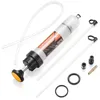
FOUR UNCLES Fluid Extractor and Filling Pump
Draws excess oil out through the dipstick tube — no need to jack up the car or crawl underneath, matching this guide’s recommended DIY drainage method.
- Best for: quickly removing excess oil through the dipstick tube without lifting the car
- Why we picked it: matches the exact DIY drainage method this guide recommends for a minor overfill
- Main drawback: manual pumping takes longer than a powered extractor for a full drain
Compare more oil correction tools
 Option 1 Thorstone 200cc Manual Oil Extractor Syringe
|
 Option 2 Funnel King Oil Drain Pan
|
 Option 3 Flexible Moldable Spill-Free Oil Funnel
|
As an Amazon Associate we earn from qualifying purchases.
How to Remove Excess Oil from Your Engine
If you’ve added too much oil, don’t panic — you can usually fix it yourself. For the complete step-by-step walkthrough of both removal methods, see our full guide on how to remove excess oil from a car. You’ll need a few tools.
The most common method is to drain some oil out.
First, gather what you need. You’ll need a drain pan. This is a special container to catch used oil.
You’ll also need a wrench or socket set. This is to loosen the oil drain plug. Make sure you have the right size.
You’ll also want some rags to clean up spills.
Warm up your engine slightly. Not too hot, just warm. This makes the oil flow better.
Park on a level surface. Place the drain pan directly under the oil drain plug. This plug is usually at the lowest point of the oil pan.
Carefully loosen the drain plug with your wrench. Once it’s loose, unscrew it by hand. Be ready for the oil to come out.
Try not to burn yourself on hot oil. Let the oil drain into the pan. Drain out about half a quart to a full quart.
This depends on how much you overfilled.
Once you’ve drained enough oil, clean the drain plug. Screw it back into the oil pan. Tighten it firmly with your wrench.
Don’t overtighten it. This can strip the threads. Wipe up any spilled oil.
Now, check the oil level again with the dipstick. Add a little bit of oil back if needed. Do this in small amounts.
Check the dipstick after each addition. You want to be right at the full mark. Never above it.
If you’re not comfortable doing this yourself, that’s okay. A mechanic can do it for you. They have the right tools and experience.
It’s a simple job for them. It’s better to pay a little to fix it than risk major engine damage.
DIY Oil Drainage Steps
- Warm up engine slightly.
- Place drain pan under plug.
- Loosen and remove oil drain plug.
- Drain excess oil into pan.
- Replace and tighten drain plug.
- Check oil level with dipstick.
- Add oil as needed, checking often.
What This Means for Your Car Maintenance
This whole situation highlights a few key things about car care. First, never trust a quick lube place to be perfect. Always double-check their work.
Especially if you’re paying for a service.
Second, checking your oil regularly is super important. Don’t wait for a warning light. Make it a habit.
Check it every few weeks. Or before a long trip. This helps you catch problems early.
It also lets you see if your car is using oil normally.
Third, when you add oil yourself, go slow. Add a little. Check the dipstick.
Repeat. It’s much better to add too little and top it up. Than to add too much and have to drain it.
Fourth, read your owner’s manual. It’s full of valuable information. It tells you the right oil type.
It tells you how much oil your car needs. It also explains other maintenance needs.
Taking care of your car doesn’t have to be hard. It’s about forming good habits. It’s about understanding what your car needs.
And knowing what to look for when something seems off. Being informed about your oil level is a big part of that.
When is a Little Over the Line Okay? (It’s Not)
Some people might think, “What if it’s just a tiny bit over the full mark?” Maybe the dipstick shows the oil level is just slightly above the top mark. Is that okay? The short answer is: no, it’s not ideal.
Your car’s engineering is precise. The “full” mark is set for a reason. It’s the maximum safe level.
Going even a little bit over can start to cause issues. Especially in high-performance engines. Or engines with sensitive oil systems.
The risk of aeration or pressure problems increases.
Think about it this way: the “full” mark is the perfect spot. The “add” mark is the lowest you should let it go. Anything above the “full” mark is too much.
Even if it’s just a millimeter or two above. It’s best to err on the side of caution.
If you are slightly overfilled, and you notice any of the signs we discussed (like smoke or odd noises), get it checked. Don’t assume it’s fine. If there are no signs, you might get away with it.
But why take the risk? Draining a small amount is quick and easy.
It’s always better to have the oil level right at the full mark. Or just a hair below it. This ensures your engine runs smoothly.
It protects it from damage. It also helps maintain good fuel economy and performance.
Frequent Questions About Overfilling Oil
Can overfilling my car with oil cause permanent damage?
Yes, overfilling your car with oil can cause permanent damage. The main risks include oil foaming, which reduces lubrication and causes wear. It can also lead to excessive oil pressure, damaging seals and gaskets.
Burning oil in the combustion chamber creates carbon deposits that harm engine components. In severe cases, it can lead to a complete engine failure.
How long can I drive with too much oil in my car?
It’s best to not drive with too much oil for any significant amount of time. Even a short drive can begin to cause damage. The longer you drive, the higher the risk of serious and costly engine problems.
If you suspect you’ve overfilled, it’s recommended to drain the excess oil as soon as possible.
What is the difference between the ‘add’ and ‘full’ marks on a dipstick?
The ‘add’ mark indicates the minimum safe level of oil in your engine. If the oil level drops to this mark, you should add oil. The ‘full’ mark indicates the ideal oil level.
You want the oil to be at or just below this mark. The space between the ‘add’ and ‘full’ marks typically represents about one quart of oil.
📊 The gap between the “add” and “full” marks on most dipsticks represents about one quart of oil — meaning it doesn’t take much overfilling to push past the safe range — Source: JEGS, What Happens If You Overfill Engine Oil
Is it better to slightly underfill or overfill my car with oil?
It is always better to slightly underfill your car with oil than to overfill it. Underfilling slightly means the oil level is below the full mark but still within the safe operating range. Overfilling, even slightly, can lead to the problems mentioned earlier, like oil foaming and increased pressure.
Can adding oil to a hot engine cause damage?
Adding oil to a very hot engine isn’t ideal and can be dangerous due to hot surfaces and fluids. However, the act of adding oil itself to a warm engine (not scorching hot) is generally safe, especially if done carefully. The key is to let the engine cool for a few minutes after running to avoid burns.
Always follow your owner’s manual for the recommended checking procedure.
What are the main jobs of engine oil?
Engine oil has several vital functions. It lubricates moving parts to prevent friction and wear. It also helps to cool the engine by carrying heat away from hot components.
Additionally, oil cleans the engine by picking up dirt and debris, and it helps to prevent rust and corrosion on internal metal surfaces.
Conclusion
Understanding how much oil is too much is vital for your car’s health. Overfilling can lead to serious, expensive problems. Always check your dipstick carefully.
Add oil slowly and recheck often. If you suspect you’ve overfilled, take action to drain the excess oil. Keeping your oil level just right is a simple step that protects your engine for miles to come.
Products related to this article
Sponsored / affiliate links. As an Amazon Associate I earn from qualifying purchases. I may earn additional commission from eligible campaigns.