Why is My Car Humid Inside: Causes, Fixes & Prevention Tips
A humid car cabin is almost always caused by a clogged cabin air filter, a leaking door or window seal, or running the heater without the AC — heater airflow alone never removes moisture. Left unchecked, trapped moisture fogs windows fast and can grow mold in wet carpet within 24–48 hours. This guide covers the real causes, warning signs, and fixes, including the one AC habit that actually dries out the air.
Quick Answer
Your car is humid inside because of a clogged cabin air filter, a leaking window or door seal, wet carpet, or running the heater instead of the AC — the heater fan alone doesn’t remove moisture. Run the AC (even with heat on) for 10–15 minutes, check the cabin air filter, and dry out any wet mats immediately.
Common Causes Of Interior Humidity
Interior humidity in a car causes discomfort and can lead to damage. Understanding common causes helps fix the problem fast. Moisture collects inside for several reasons. Some are easy to spot. Others need more attention.
Leaky Windows And Doors
Water can enter through small leaks in windows or doors. Worn seals or cracked glass allow rain or moisture inside. These leaks raise humidity and cause damp spots. Check seals regularly and replace damaged parts. If you already suspect a specific leak point rather than general humidity, our step-by-step guide to finding and fixing a water leak walks through the garden-hose test and every common entry point in detail.
Blocked Air Vents
Air vents move moisture out of the car. Blocked vents stop this process. Dust, leaves, or debris can clog vents. This traps humid air inside the cabin. Clean vents to keep air flowing well.
Wet Carpets And Upholstery
Spilled drinks or rainwater make carpets and seats wet. Damp fabrics hold moisture and increase humidity. Mold can grow if wet areas stay long. Dry wet spots quickly to prevent problems.
Condensation From Temperature Changes
Cold outside air meets warm inside air, causing condensation. Moisture forms on windows and surfaces. This happens often in winter or rainy days. Use defoggers and keep air circulating to reduce buildup.
Faulty Heater Core
The heater core warms the car and removes moisture. If it leaks, coolant can mix with air inside. This causes dampness and a sweet smell. A broken heater core needs quick repair to stop humidity. Water dripping specifically when the heat is running — rather than general cabin dampness — has its own set of causes; see our guide on water leaking when the heat is on to tell normal AC condensation apart from an actual coolant leak.
Clogged AC Evaporator Drain
Your AC pulls moisture out of cabin air by condensing it on the evaporator coil, then draining it outside through a small tube. When that drain clogs with leaves or debris, the water has nowhere to go but back into the cabin.
“If the evaporator drain on the A/C is clogged with leaves or other debris, water can enter the vehicle due to an overflowing evaporator case from normal condensation on the condenser.”
This is easy to overlook because the symptom — damp carpet, usually on the passenger side — looks identical to a window or door seal leak. If your AC has been running normally but you still find dampness near the floor, a clogged evaporator drain is worth checking before you start pulling door panels.
Running the Heater Without the AC
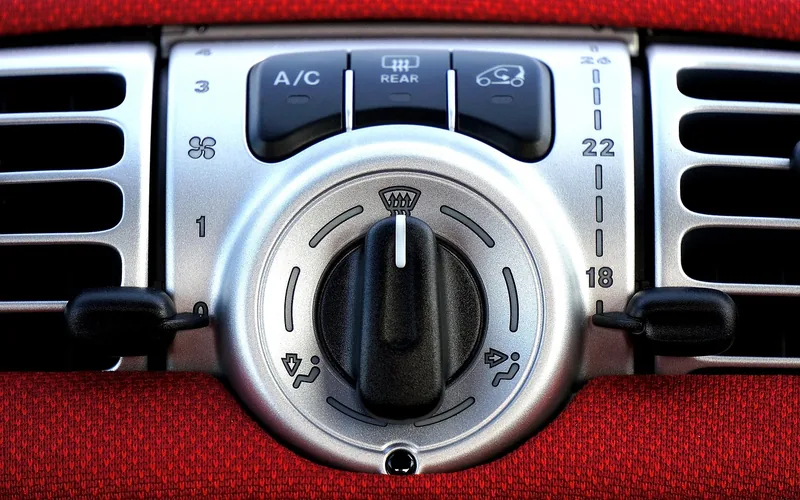
Heat alone does not remove moisture from the air — it only warms it, and warm air can actually hold more water vapor than cold air. The AC’s compressor is what dehumidifies: as air passes over the cold evaporator coil, moisture condenses out of it and drains away, the same way water beads on a cold glass on a humid day. If you run the heater with the AC compressor off, you’re circulating the same humid air without ever drying it out.
| Setting | Removes Moisture? | Effect On Windows | Best Use |
|---|---|---|---|
| AC (compressor on) | Yes — evaporator condenses moisture out of the air | Clears fog fastest | Any humid, rainy, or foggy condition, hot or cold outside |
| Heat only (AC off) | No — only warms the air, doesn’t remove water vapor | Can make fogging worse short-term | Never recommended for foggy or humid conditions |
| Windows cracked | Slowly — lets some humid air escape | Reduces fog gradually | Dry days or short trips only |

Signs Of Excess Moisture In Your Car
Excess moisture inside your car causes many problems. It affects comfort and safety. Spotting signs early helps fix the issue fast. Knowing what to watch for protects your car’s interior and parts.
Here are common signs that show too much moisture is inside your car.
Foggy Windows
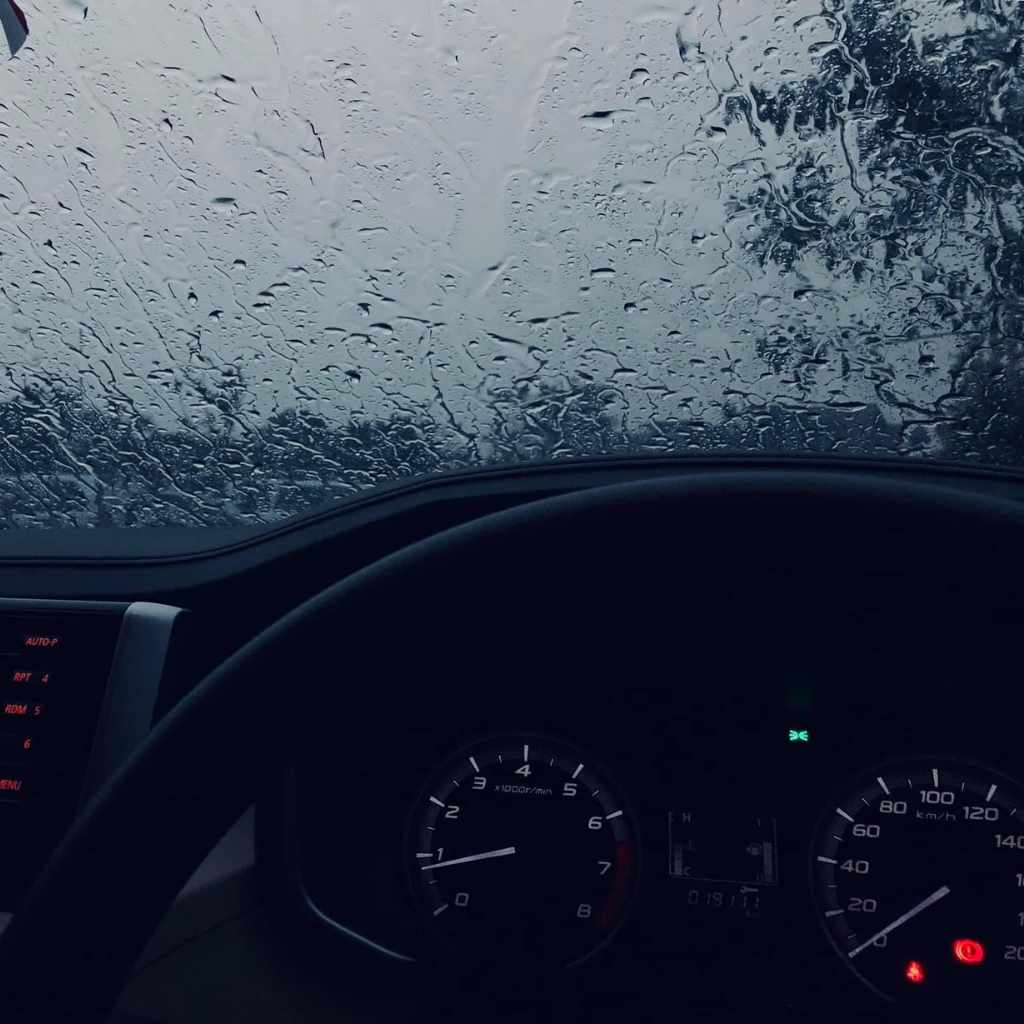
Windows fog up easily when moisture is high. This happens because warm air meets cold glass. Fog blocks your view and can be dangerous while driving. Frequent foggy windows mean moisture needs attention.
Musty Smell
A bad, damp smell inside signals excess moisture. It often comes from mold or mildew growing in wet areas. This smell stays even after airing out the car. Musty odors warn you about hidden moisture problems.
Water Puddles Inside
Finding water puddles on the floor is a clear sign. Water can enter through leaks or clogged drains. Puddles damage carpets and promote mold growth. Check for wet spots regularly to catch moisture early. A puddle isolated to the trunk, rather than the cabin, is usually a clogged trunk seal or spare-tire well rather than a window leak.
Corroded Metal Parts
Metal parts inside the car may rust or corrode. Moisture speeds up this damage process. Rust weakens important parts and causes expensive repairs. Look under seats and panels for signs of corrosion.
Quick Fixes To Reduce Humidity
Humidity inside a car can cause discomfort and damage. Quick fixes help reduce moisture fast. These simple steps improve air quality and protect your vehicle. Keep your car dry and fresh with easy methods.
- Run the AC, not just the heater: Turn on the AC compressor — even with the heat on — for 10–15 minutes with a window cracked. The evaporator pulls moisture out of the air; the heater fan alone only recirculates it.
- Check the cabin air filter: Pull the filter (usually behind the glovebox) and look for dust, debris, or mildew buildup. A clogged filter traps moisture and weakens the defroster’s ability to clear fog.
- Use a dehumidifier or moisture absorber: Place a rechargeable dehumidifier bag or a silica gel canister in the footwell or center console. Recharge or replace it regularly for best results. For more drying methods and deep-cleaning tips once moisture has already set in, see our full guide to absorbing moisture in a car.
- Dry wet areas thoroughly: Blot wet carpets, floor mats, and seats with a towel immediately, then leave the windows cracked to finish drying.
- Check and repair leaks: Inspect window seals, door seals, the sunroof drain, and the trunk seal for gaps that let rain in, and reseal or replace any that are cracked.
- Ventilate the car regularly: Crack the windows for a few minutes on dry days, even while parked, so trapped humid air has somewhere to escape.
Best Car Dehumidifier Pick

Zarpax Reusable Car Dehumidifier Bag Rechargeable Moisture Absorber 4 Pack
A silica-gel bag that pulls moisture straight out of cabin air — plug it into a 12V outlet to recharge it instead of throwing it away.
- Best for: Ongoing humid-climate or garage-parked cars that fog up repeatedly
- Why we picked it: Rechargeable, so it keeps working instead of being tossed once it’s saturated like disposable packs
- Main drawback: Needs a working 12V outlet nearby to recharge; won’t help with an active water leak
Compare more moisture-control options
 Option 1 Griot’s Garage Silica Gel Air Dryer (500g)
|
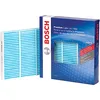 Option 2 Bosch Cabin Air Filter
|
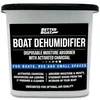 Option 3 Better Boat Activated Charcoal Moisture Absorber
|
As an Amazon Associate we earn from qualifying purchases.
Long-term Solutions For Moisture Control
Keeping your car dry inside is important for comfort and safety. Moisture can cause bad smells and damage the interior. Long-term solutions help stop moisture from building up and keep the air fresh. Here are some effective ways to control moisture in your car.
Seal Door And Window Gaskets
Door and window gaskets block water from entering your car. Over time, these seals can crack or wear out. Check them regularly for damage or gaps. Replace any broken gaskets to keep water outside. Proper sealing stops rain and moisture from getting inside. If you’re not sure which seal is the culprit, testing each spot with a garden hose narrows it down before you start replacing parts.
Replace Damaged Weatherstripping
Weatherstripping surrounds doors and windows to keep air and moisture out. If it is torn or loose, moisture can enter easily. Inspect weatherstripping and replace damaged parts quickly. New weatherstripping improves the car’s insulation and blocks humidity. This simple step reduces inside dampness effectively.
Maintain The Air Conditioning System
The air conditioning system helps remove moisture from the air inside your car. A well-maintained system works better to keep humidity low. Clean the AC filters and check for leaks often. If the AC is not working well, moisture can build up inside the cabin. Regular service keeps the air dry and comfortable.
Install Cabin Air Filters
Cabin air filters clean the air entering your car. They trap dust, pollen, and moisture particles. Installing high-quality filters reduces humidity and improves air quality. Replace cabin filters on schedule, and fresh filters help keep the inside dry and healthy.
📊 Ford recommends replacing the cabin air filter every 15,000–20,000 miles, depending on the model — a clogged filter restricts airflow and traps moisture, which weakens the defroster’s ability to clear fog. Source: Ford Motor Company, Owner Resources
Preventive Measures To Avoid Humidity Issues
Humidity inside a car can cause discomfort and damage. Taking steps to prevent moisture build-up keeps the interior fresh and dry. Simple habits can reduce humidity and protect your vehicle.
Park In Covered Or Dry Areas
Parking under a roof or in a garage helps keep your car dry. Avoid parking on wet grass or dirt after rain. Covered areas reduce exposure to rain and dew. This limits moisture entering your car.
Avoid Leaving Wet Items Inside
Wet clothes, towels, or umbrellas add moisture inside the car. Remove these items quickly after use. Drying them outside prevents extra humidity buildup. This small action keeps the air inside fresh.
Regular Interior Cleaning And Drying
Clean the car interior often to remove dirt and moisture. Wipe surfaces with a dry cloth after cleaning. Leave windows open briefly on dry days to air out the car. Regular care stops mold and odors from forming.
Use Sunshades To Control Temperature
Sunshades reduce heat inside the car on sunny days. Cooler air holds less moisture, lowering humidity. Using sunshades protects the dashboard and seats too. This helps keep your car comfortable and dry.
Frequently Asked Questions
Why Is My Car Humid Inside During Winter?
Cold air holds less moisture, causing condensation inside your car. Warm breath and wet clothes add humidity. Poor ventilation traps moisture, making the interior feel damp and humid in winter.
How Does a Clogged AC Cause Car Humidity?
A clogged AC evaporator drain blocks water removal from the system. This causes moisture buildup inside the car. The trapped water increases humidity and fogs windows, reducing comfort and visibility.
Can Wet Carpets Cause Car Interior Humidity?
Yes, wet carpets hold moisture and increase humidity inside your car. Water from rain, snow, or spills seeps into carpets. If not dried quickly, it causes dampness and a humid environment.
Does a Faulty Door Seal Increase Car Humidity?
Yes, damaged or worn door seals let rain and moisture inside. This allows water to enter and raises interior humidity. Properly sealed doors are essential to keep moisture out.
Does Running the AC Reduce Humidity, or Do I Need the Heater?
Running the AC — even with the heat on — is what actually removes moisture from cabin air; the heater fan alone only recirculates humid air without drying it out. For the fastest defog, set the AC to “on” so the compressor runs, put the fan on high, and aim the vents at the windshield.
Can a Clogged Cabin Air Filter Cause Window Fogging?
Yes. A clogged cabin air filter restricts airflow through the HVAC system, which traps moisture inside the cabin and weakens the defroster’s ability to clear fog from the windshield. Replacing the filter, typically every 15,000–20,000 miles, restores normal airflow and defogging performance.
Conclusion
A humid car can cause discomfort and damage over time. Moisture inside comes from leaks, wet items, a clogged cabin air filter, or simply running the heater without the AC. Use the AC — not just the heater — and check the cabin filter first; both are the fastest, most overlooked fixes. Regular checks help spot problems early and keep your car fresh.
Small steps make a big difference in preventing dampness. Stay aware and protect your car’s interior for a better drive.
Products related to this article
Sponsored / affiliate links. As an Amazon Associate I earn from qualifying purchases. I may earn additional commission from eligible campaigns.