What Fuel Does My Car Take? A Complete Guide to Fueling Up Right
Hey there! So, you’re standing at the gas pump, staring at your car, and wondering, “What fuel does my car take?” I’ve been there, scratching my head at the station, unsure if I should grab regular, premium, or maybe even diesel. It’s confusing, especially with all the options out there—87 octane, 91, E85, and more. I’ve owned a few cars over the years, from a beat-up sedan to a zippy little hatchback, and I’ve learned the ins and outs of picking the right fuel.
Getting it wrong can hurt your engine or your wallet, so let’s figure this out together. I’m going to walk you through everything you need to know about finding the right fuel for your car, from checking your manual to understanding fuel types. By the end, you’ll be fueling up with confidence. Let’s dive in!
Quick Answer
Check your owner’s manual, fuel door, or gas cap — they’ll say exactly what your car needs (regular 87, mid-grade 89, premium 91-93, diesel, or a flex-fuel/E85 badge). Most cars run on regular 87-octane unleaded; only high-performance and turbocharged engines typically require premium.
Why the Right Fuel Matters
Using the right fuel isn’t just about keeping your car running—it’s about keeping it running well. I learned this the hard way with my first car, a 2005 Honda Civic. I thought cheaper gas was always better, but my engine started knocking after a few tanks of the wrong stuff. The right fuel keeps your engine performing at its best, saves you from costly repairs, and can even improve gas mileage.
Fuel that’s not suited for your car can cause problems like poor acceleration, reduced efficiency, or even engine damage over time. I didn’t realize how important it was until my mechanic explained it. Picking the right fuel is like giving your car the right food—it just runs happier.
How to Find Your Car’s Fuel Type
So, how do you know what fuel your car needs? It’s easier than you think. When I got my Toyota Corolla, I was clueless, but I found the answer in a few simple places:
- Owner’s Manual: This is the holy grail. My manual clearly states “87 octane unleaded gasoline” for my Corolla. Check the fuel section or index—it’s usually there.
- Fuel Door or Cap: Most cars have a label on the fuel door or gas cap. My Civic had “Unleaded Fuel Only” written on the cap. Some even list the octane rating.
- Dashboard or Instrument Cluster: Newer cars might show fuel requirements on the dashboard. My friend’s Ford Mustang has a note about premium fuel on the gauge cluster.
- Manufacturer’s Website: If you don’t have the manual, check your car maker’s website. I looked up my Corolla’s specs online when I misplaced my manual.
- Ask Your Dealer or Mechanic: When I bought my used Jeep, I called the dealer to confirm it needed regular unleaded. They knew right away.
I always check the manual first—it’s the most reliable source. If you’re still unsure, a quick call to your mechanic or dealer can save you from guessing.
Understanding Fuel Types
Not all gas is the same, and it can get overwhelming at the pump. I remember staring at the options—regular, mid-grade, premium, diesel—and feeling lost. Here’s what I’ve learned about the main fuel types in the USA:
- Regular Unleaded (87 Octane): This is the most common fuel. My Corolla and most economy cars run fine on it. It’s the cheapest option, usually labeled as “Regular” or “87” at the pump.
- Mid-Grade Unleaded (89 Octane): A step up from regular, this is for cars that need a bit more power. I’ve used it in my friend’s older SUV when the manual suggested it.
- Premium Unleaded (91-93 Octane): High-performance cars, like sports cars or luxury models, often need this. My cousin’s BMW requires 91 octane to avoid engine knocking.
- Diesel: Diesel cars, like some trucks and SUVs, need this. I rented a diesel pickup once, and the pump was marked “Diesel Only.”
- E85 (Flex Fuel): This is an ethanol blend for flex-fuel vehicles. My neighbor’s truck can use E85, but it’s not common for most cars.
- E15: A newer option with 15% ethanol, approved for cars made after 2001. I’ve seen it at some stations, but I stick to regular for my Corolla.
Each fuel type is designed for specific engines. Using the wrong one, like putting diesel in a gas car, can cause serious damage. I saw a guy at the pump almost make that mistake—yikes!
Octane Ratings Explained
You’ve probably seen those numbers at the pump—87, 89, 91. That’s the octane rating, and it’s a big deal. I didn’t understand it until my mechanic broke it down for me. Octane measures how resistant the fuel is to knocking, which is when the fuel ignites too early in the engine.
Low-octane fuel (87) is fine for most cars, like my Corolla. It’s cheaper and works well for standard engines. Higher-octane fuel (91-93) is for high-performance engines with higher compression ratios, like sports cars. I tried premium in my Corolla once, thinking it’d boost performance, but it was a waste of money—my engine didn’t need it.
If your car requires premium, don’t skimp. I learned that using lower-octane fuel in a high-performance car can cause knocking and hurt the engine over time. Check your manual to be sure.

Why Some States Sell 85 Octane as “Regular” (Altitude Matters)
Here’s something that confused me the first time I drove through Colorado: the “regular” pump was labeled 85 octane instead of the 87 I’m used to. It turns out this isn’t a mistake — Colorado, along with Wyoming, Utah, and Montana, sells 85-octane gas as regular because of altitude. Thinner mountain air means less oxygen reaches the engine, which naturally reduces the risk of knocking, so lower-octane fuel performs similarly to 87 octane at sea level.
That said, don’t assume 85 is always fine just because you’re up high. Most engines built after 1984 are designed to need the same octane rating no matter the altitude, and if your owner’s manual specifically calls for 87 or higher, using 85 can still cause knocking and lower fuel efficiency. When in doubt at altitude, pay the little bit extra for the 87 or higher grade your manual actually recommends.
Gasoline vs. Diesel: What’s the Difference?
Most cars in the USA run on gasoline, but some use diesel. I rented a diesel Volkswagen once, and it was a different experience. Gasoline engines, like my Corolla’s, use spark plugs to ignite the fuel. Diesel engines compress the fuel to ignite it, which makes them more efficient for heavy vehicles like trucks.
Diesel pumps are usually separate at the station, often with a different nozzle size to avoid mix-ups. I made sure to double-check before filling up that VW. Diesel fuel is pricier but offers better mileage for long drives. If your car isn’t diesel-specific, stick to gasoline—mixing them is a costly mistake.
Flex Fuel and Ethanol Blends
Some cars can handle ethanol blends like E85 or E15. I looked into this when I saw E85 at a station near my house. E85 is a mix of 51-83% ethanol and gasoline, made for flex-fuel vehicles. These cars have a yellow gas cap or a badge saying “Flex Fuel.” My Corolla isn’t flex-fuel, so I skip E85—it could damage my engine.
E15, with 15% ethanol, is safe for most cars made after 2001. I’ve used it a few times with no issues, but it’s not widely available. Ethanol blends can be cheaper, but they might reduce gas mileage. I stick to regular unleaded unless my car is built for something else.
How to Check If Your Car Needs Premium Fuel
Premium fuel sounds fancy, but does your car need it? I wondered this with my Jeep, which seemed to run fine on regular. Here’s how I figure it out:
- Check the Manual: If it says “premium recommended,” you might get better performance, but regular is usually okay. If it says “premium required,” don’t use anything less.
- Look for Engine Specs: High-performance or turbocharged engines often need premium. My friend’s Mustang requires it because of its turbo engine.
- Listen to Your Car: If you hear knocking or pinging on regular fuel, you might need premium. I haven’t had this with my cars, but it’s a sign to switch.
Using a premium when it’s not needed is just burning money. I did it once, and my gas bill was $10 higher for no real benefit. Stick to what your car needs.
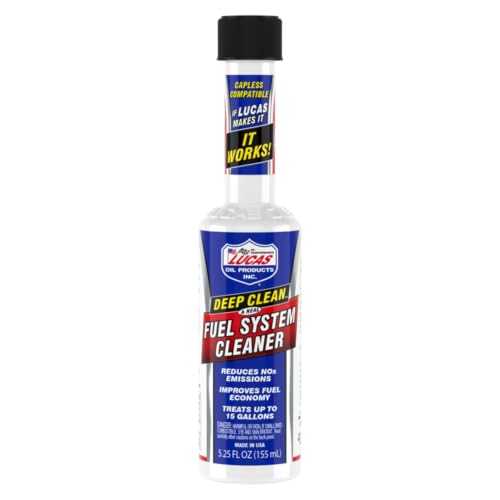
Our Pick: Fuel System Cleaners
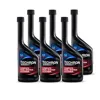
Chevron Techron Concentrate Plus Fuel System Cleaner (12-pack)
Best for: Adding Top Tier-level detergents to any gas, even if your regular station isn’t a Top Tier brand.
Why we picked it: Techron is the same detergent additive used in Chevron’s own Top Tier gasoline, sold separately for any fill-up.
Main drawback: Won’t do much if you already fill up exclusively at Top Tier stations.
View Our Pick on Amazon
 Lucas Oil Fuel Treatment Check on Amazon |
 Red Line SI-1 Complete Fuel System Cleaner Check on Amazon |
 Gumout Fuel System Cleaner (6-pack) Check on Amazon |
Fuel Additives and Top Tier Gas
You might see “Top Tier” gas or fuel additives at the pump. I was curious about these when I saw them at a Chevron station. Top Tier gas has extra detergents to keep your engine clean. Brands like Shell, Exxon, and Chevron often sell it. I’ve used Top Tier gas in my Corolla, and it seems to run smoother, but I’m not sure it’s worth the extra cost for every fill-up.
Fuel additives are products you add to your tank to boost performance or clean the engine. I tried one from STP once, and my car felt fine, but I didn’t notice a big difference. If you use Top Tier gas, you probably don’t need additives. I stick to regular gas from a reputable station to keep things simple.
Common Mistakes to Avoid When Fueling Up
I’ve made my share of fueling mistakes, so let me save you some trouble. Here’s what to watch out for:
- Using the Wrong Fuel: I saw a guy almost put diesel in his gas car—disaster! Always check the pump and your car’s requirements.
- Assuming Premium Is Better: I wasted money on a premium for my Civic, which didn’t need it. Check your manual first.
- Overfilling the Tank: I did this once, and gas spilled everywhere. Stop when the pump clicks off.
- Ignoring Low Fuel Warnings: Running out of gas is embarrassing. I keep my tank above a quarter full to avoid getting stranded.
Taking a second to double-check the pump and your car’s needs can save you from costly errors.
Fuel Economy and Your Car’s Performance
The right fuel can affect your gas mileage. I noticed my Corolla gets about 30 mpg on regular unleaded, but when I tried E15, it dropped to 28 mpg. Ethanol blends like E85 can lower mileage because they have less energy than pure gasoline. If you’re after better fuel economy, stick to the recommended fuel.
Driving habits matter too. I save gas by avoiding hard acceleration and keeping my tires properly inflated. Regular maintenance, like oil changes, also helps. I learned that a clean air filter can boost mileage by a couple of miles per gallon.
Where to Buy Fuel
Not all gas stations are the same. I used to think gas was gas, but I’ve learned a few things. Major brands like Shell or BP often have better quality control and additives. I stick to busy stations because their fuel is fresher—old gas can cause engine issues.
Discount stations like Costco or Sam’s Club are great for saving money. I fill up at Costco near my house and save about 10 cents per gallon. Just make sure the station is reputable. I once got bad gas from a sketchy station, and my car sputtered for days.
What to Do If You Use the Wrong Fuel
It happens—sometimes you grab the wrong pump. I almost put mid-grade in my Jeep once, but caught it in time. If you use the wrong fuel, here’s what to do:
- Don’t Start the Car: If you realize your mistake before driving, don’t turn the key. I called a tow truck when I saw a friend do this with diesel.
- Get It Drained: A mechanic can drain the tank. It cost my friend $200, but it saved the engine.
- Call for Help: If you’re at the station, tell the staff. They might have a tow service or mechanic on call.
If you drive with the wrong fuel, stop as soon as it’s safe and get to a mechanic. I’ve heard horror stories of engines ruined by diesel in gas cars.
Fuel Costs and Budgeting
Fuel prices can hit your wallet hard. In the USA, regular unleaded averages $3-$4 per gallon, depending on where you live. I pay about $3.50 in Texas, but it’s higher in places like California. Premium fuel is usually 20-50 cents more per gallon, and diesel can be even pricier.
I budget about $50 a month for gas, but it depends on how much I drive. To save money, I use apps like GasBuddy to find cheap stations. I also avoid premium unless my car needs it. Planning fill-ups at discount stations like Costco helps, too.
Here’s a quick look at fuel types and their costs:
| Fuel Type | Average Cost (per gallon) | Best For |
|---|---|---|
| Regular (87) | $3.00-$3.50 | Most economy cars, like my Corolla |
| Mid-Grade (89) | $3.20-$3.80 | Some SUVs or older performance cars |
| Premium (91-93) | $3.50-$4.50 | High-performance or luxury cars |
| Diesel | $3.50-$4.80 | Diesel trucks and SUVs |
| E85 (Flex Fuel) | $2.50-$3.50 | Flex-fuel vehicles only |
Environmental Impact of Fuel Choices
Fuel choice can affect the environment. I started thinking about this when I saw E15 at a station. Ethanol blends like E85 or E15 produce fewer emissions than pure gasoline, but they’re not perfect. Ethanol comes from corn, which uses a lot of water and land to produce.
Diesel engines are efficient but can emit more particulates. I stick to regular unleaded from Top Tier stations to balance cost and environmental impact. If you’re eco-conscious, check if your car can use E15 or consider a hybrid for better efficiency.
Talking to Your Mechanic
If you’re still confused, your mechanic is your best friend. I called mine when I wasn’t sure if my Jeep could use E15. He checked the engine specs and confirmed regular unleaded was fine. Mechanics can also tell you if your car’s knocking or poor performance is due to the wrong fuel. I take my car in yearly for a checkup, and I always ask about fuel recommendations.
The Satisfaction of Fueling Right
There’s something satisfying about knowing you’re giving your car the right fuel. I love pulling up to the pump, grabbing the 87-octane nozzle, and filling up my Corolla without second-guessing. It’s one less thing to worry about, and it keeps my car running smoothly. Plus, it feels good to save money by not overpaying for a premium I don’t need.
Conclusion
So, what fuel does your car take? It’s not as tricky as it seems once you know where to look. Check your owner’s manual, fuel door, or ask your mechanic, and you’ll have the answer in no time. Whether it’s regular unleaded, premium, or diesel, using the right fuel keeps your engine happy, your wallet fuller, and your drives smoother. I’ve learned this through years of trial and error, from wasting money on premium to nearly grabbing the wrong pump. With a little know-how, you can avoid those mistakes and fuel up with confidence. So next time you’re at the gas station, you’ll know exactly what to do. Keep your car running strong, and enjoy the road ahead!
FAQs
How do I know what fuel my car needs?
Check your owner’s manual or the fuel door. My Corolla’s manual says 87 octane. You can also ask your dealer or mechanic.
Can I use premium fuel in a car that doesn’t need it?
You can, but it’s a waste. I tried premium in my Civic, and it didn’t improve performance. Stick to what your manual says.
What happens if I put diesel in a gas car?
It’s bad news. I saw someone do this, and their car wouldn’t start. Don’t drive—get the tank drained by a mechanic.
Is E85 safe for my car?
Only if it’s a flex-fuel vehicle. My Corolla can’t use E85, but my neighbor’s truck can. Check for a yellow gas cap or flex-fuel badge.
Does Top Tier gas make a difference?
It can. I use Top Tier gas in my Corolla, and it seems to run smoother. The extra detergents help keep the engine clean.
Products related to this article
Sponsored / affiliate links. As an Amazon Associate I earn from qualifying purchases. I may earn additional commission from eligible campaigns.