What Happens If You Put Too Much Oil in a Car?
Adding too much oil to your car might seem like a small mistake, but it can cause some real trouble. For people just starting with car care, it’s easy to get a bit confused about the right oil level. This article will make it super simple to figure out and fix.
We’ll walk you through exactly What Happens If You Put Too Much Oil in a Car? and what you can do right away.
Understanding Engine Oil Overfilling
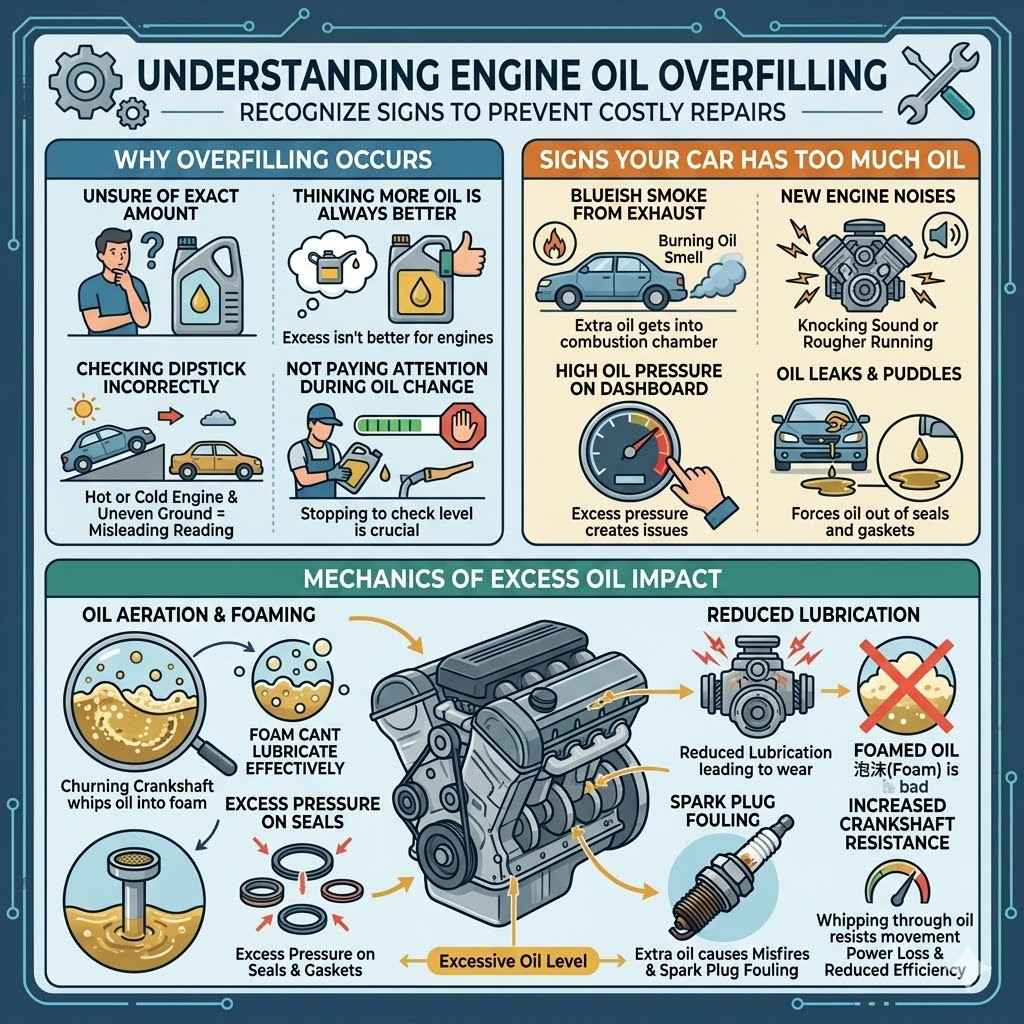
When you put too much oil in your car, it can lead to several problems for your engine. This section explores why overfilling happens, the immediate signs to watch for, and the potential damage it can cause if not addressed quickly. It’s important for car owners to recognize these signs to prevent costly repairs.
We will break down the mechanics of how excess oil affects your engine’s performance and longevity.
Why Overfilling Occurs
Many people overfill their oil because they aren’t sure about the exact amount their car needs. Some think more oil is always better, which isn’t true for engines. Checking the dipstick incorrectly is another common reason.
If the car isn’t on a flat surface or the engine is too hot or cold, the reading can be misleading.
Another reason is simply not paying close attention during an oil change. If you or a mechanic add oil without stopping to check the level, it’s easy to go over. This is especially true if you are used to adding a certain amount without verifying the actual need.
Signs Your Car Has Too Much Oil
One of the first signs you might notice is smoke coming from your exhaust pipe. This smoke is often blueish and smells a bit like burning oil. It happens because the extra oil gets into the combustion chamber.
You might also hear new noises from your engine. This could be a knocking sound or just a generally rougher running engine. The oil pressure could also show up as too high on your dashboard if your car has a gauge for it.
Another indicator is oil leaks. Too much oil creates excess pressure, which can force oil out of seals and gaskets that aren’t designed to handle that much force. This can lead to oil puddles under your car.
Consequences of Excessive Engine Oil
Having too much oil in your engine can cause significant damage over time if left unaddressed. This section details the specific mechanical issues that can arise, from damage to the crankshaft to problems with catalytic converters. Understanding these consequences helps emphasize the importance of maintaining the correct oil level.
We will discuss how each component can be affected.
Crankshaft and Bearing Damage
When the oil level is too high, the crankshaft can dip into the oil. This causes the oil to foam. Foamy oil doesn’t lubricate as well as normal oil.
This poor lubrication means metal parts inside the engine can rub against each other. This causes wear and tear. Over time, this can lead to expensive damage to the crankshaft and other bearings.
These parts need a consistent, proper film of oil to function smoothly.
The foaming also means the oil pump can suck in air bubbles along with the oil. This further reduces the effectiveness of the lubrication system, making the problem worse. The engine might start to make knocking sounds because the metal parts are not being cushioned by oil.
Damage to Seals and Gaskets
Engine oil helps to keep seals and gaskets pliable. However, excessive oil pressure from overfilling can actually blow out these seals and gaskets. They are designed for a certain pressure range, and too much oil pushes beyond that.
When seals and gaskets fail, oil can leak out of the engine. This is not only messy but also leads to a loss of oil. If enough oil leaks, it can cause the engine to run with too little oil, creating a whole new set of problems.
Replacing blown seals and gaskets can be a costly repair.
The internal pressure within the engine increases significantly when there is too much oil. This pressure is exerted on every part of the engine, including areas where seals and gaskets are located. Think of it like trying to squeeze too much water into a balloon; eventually, it will burst.
Impact on Catalytic Converter
Excess oil can get into the exhaust system. When this happens, it can coat the catalytic converter. The catalytic converter cleans up harmful exhaust gases.
If the catalytic converter is covered in oil, it cannot do its job properly. It can become clogged and stop working. A clogged catalytic converter can reduce engine performance and eventually lead to the car failing emissions tests.
Oil entering the catalytic converter can also cause it to overheat. This heat can damage the precious metals inside the converter, making it less effective or completely useless. Replacing a catalytic converter is a very expensive repair, often costing hundreds or even thousands of dollars.
Problems with Spark Plugs
When there is too much oil, it can sometimes get onto the spark plugs. The spark plugs create the spark that ignites the fuel in the engine. If they are covered in oil, they cannot create a strong enough spark.
This can lead to misfires. Misfires mean the engine is not running smoothly. You might notice a rough idle or a loss of power.
The spark plugs might need to be cleaned or replaced more often if oil gets on them.
Oil on spark plugs is a sign that oil is entering the combustion chamber in more than just a fine mist. It means the engine is likely burning oil. This is a clear indicator of internal engine issues that need attention.
How to Fix Overfilled Engine Oil
Correcting an overfilled oil situation is essential to protect your car’s engine. This section provides a practical, step-by-step guide on how to remove excess oil. We will cover the necessary tools and the process itself, making it accessible even for beginners.
This ensures you can perform the fix yourself safely and effectively.
Tools You Will Need
To fix this, you’ll need a few things. First, a wrench that fits your oil drain plug. You will also need a pan to catch the excess oil.
Gloves are a good idea to keep your hands clean. You might also need a funnel to put the oil back in if you drain too much.
Make sure the pan is large enough to hold all the oil you might drain. It’s better to have a bigger pan than one that overflows. Rags or paper towels are useful for wiping up any spills.
The Step-by-Step Removal Process
First, make sure your car is parked on a level surface. Let the engine cool down a bit so you don’t get burned. Locate the oil drain plug, which is usually at the bottom of the oil pan under your engine.
Place your oil catch pan directly underneath the drain plug. Use your wrench to loosen the plug. Once it’s loose, unscrew it by hand.
Be ready for the oil to come out.
Let the oil drain for a short time. You only want to remove enough oil to bring the level back to the correct mark on the dipstick. Watch the oil level on your dipstick as you drain.
Once the oil level is correct, screw the drain plug back in. Make sure it’s snug but don’t overtighten it. Check the dipstick one more time.
Checking the Oil Level Correctly
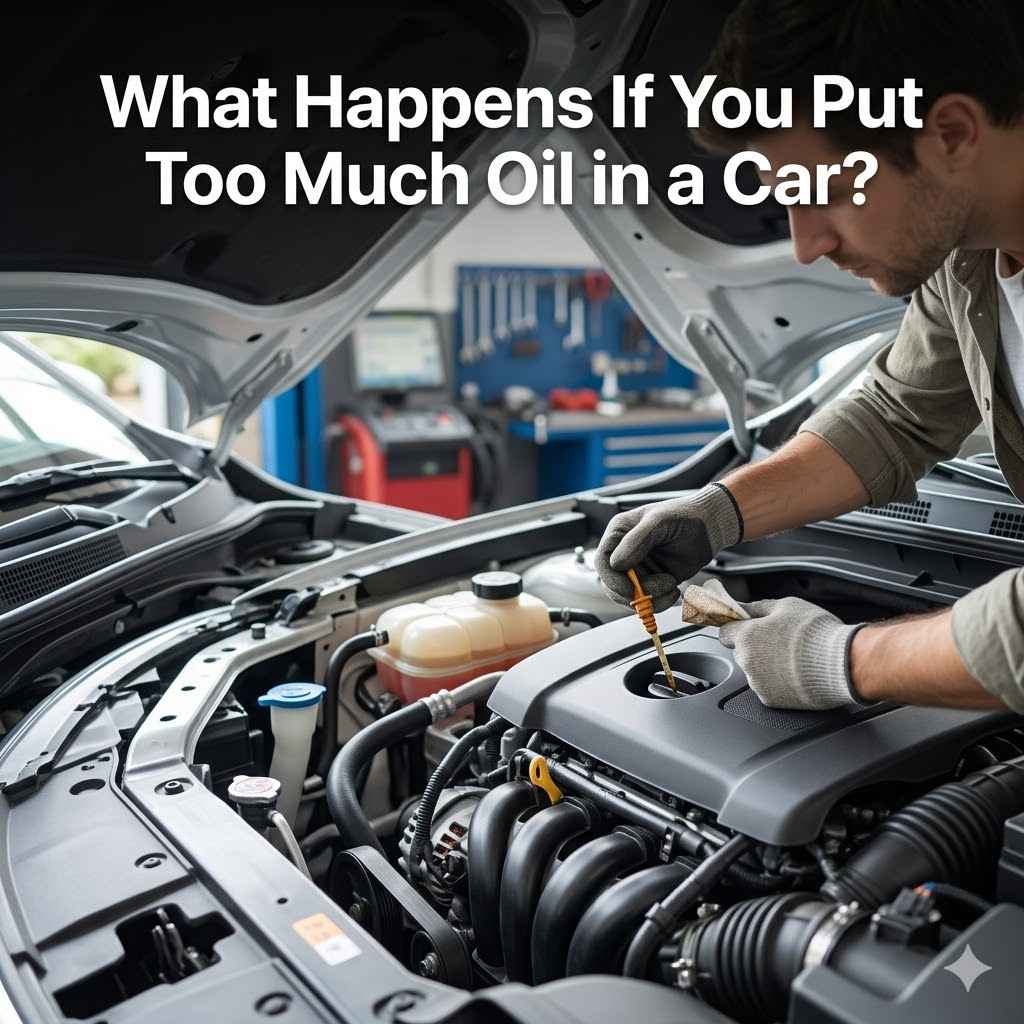
After draining some oil, you must check the level properly. Pull out the dipstick and wipe it clean. Then, put it all the way back in and pull it out again.
Look at the markings on the dipstick. There are usually two marks, one for the minimum and one for the maximum oil level. The oil should be between these two marks, preferably closer to the maximum mark but not over it.
It’s important to check the oil level on a flat surface with the engine off for a few minutes. This ensures an accurate reading. If you’re still unsure, it’s best to add a small amount of oil and recheck.
Preventing Future Oil Overfilling
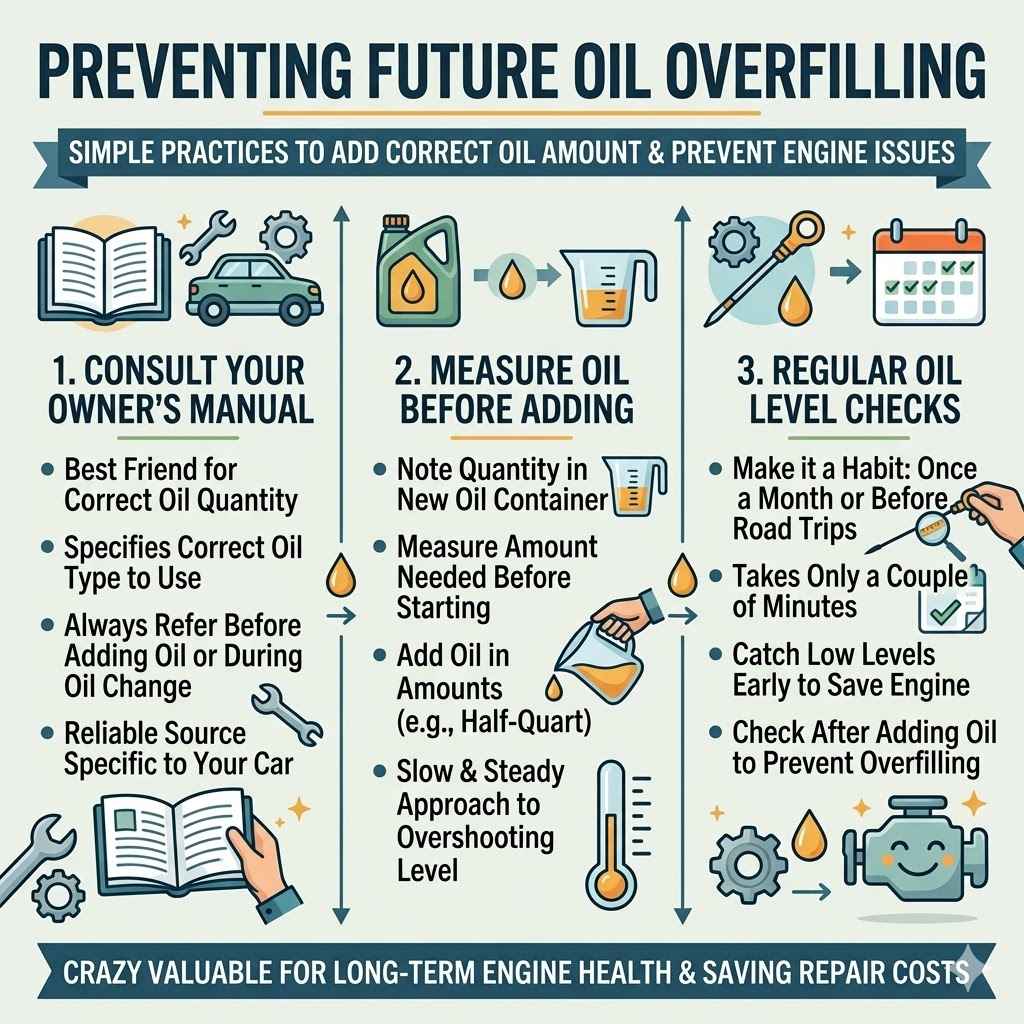
Avoiding future oil overfilling is straightforward with a few simple practices. This section offers tips and advice to ensure you always add the correct amount of oil to your car, preventing the issues discussed earlier. These preventative measures are crucial for long-term engine health and can save you from unexpected repair costs.
Consult Your Owner’s Manual
Your car’s owner’s manual is your best friend for this. It tells you exactly how much oil your car needs. It also specifies the correct type of oil to use.
Always refer to your manual before adding oil or during an oil change. It takes the guesswork out of the process. The manual is written specifically for your car model, so it’s the most reliable source of information.
Measure Oil Before Adding
When you buy new oil, note how much is in the container. If you are adding oil between changes, measure out the amount you think you need before you start.
It’s a good idea to add oil in small amounts. For example, add half a quart at a time. After adding a small amount, wait a few minutes and then check the dipstick.
This slow and steady approach helps you avoid overshooting the correct level.
Regular Oil Level Checks
Make it a habit to check your oil level regularly. You can do this once a month or before any long road trips. It only takes a couple of minutes.
Catching a low oil level early can save your engine from damage. Similarly, checking after adding oil can prevent overfilling. This simple maintenance step is incredibly valuable for your car’s health.
Frequently Asked Questions
Question: What are the immediate dangers of overfilling engine oil?
Answer: The immediate dangers include oil potentially being forced past piston rings and into the combustion chamber, leading to blue smoke from the exhaust and oil burning. It can also cause excessive oil pressure, which might damage seals and gaskets, leading to leaks.
Question: Can a car run with too much oil?
Answer: Yes, a car can run with too much oil, but it is not recommended. While it might not stop immediately, the excess oil will cause internal engine stress and can lead to gradual or sudden damage, especially to components like the crankshaft, bearings, and catalytic converter.
Question: How long does it take to fix overfilled oil?
Answer: Draining excess oil and re-checking the level usually takes about 15 to 30 minutes, depending on your comfort level with car maintenance and the accessibility of the drain plug. It’s a relatively quick fix.
Question: Should I drive my car if I suspect it has too much oil?
Answer: It is best to avoid driving the car if you suspect it has too much oil. Driving it could cause further damage. It’s safer to address the issue by draining some oil before operating the vehicle.
Question: How do I know if my car needs an oil change AND has too much oil?
Answer: If your car is due for an oil change and you find the oil level is too high, you can drain some oil during the oil change process. However, if the oil is very dark and thick, it’s best to perform a full oil change to
Summary
Putting too much oil in your car can seriously harm its engine. You might see blue smoke, hear strange noises, or find oil leaks. The internal parts, like the crankshaft and seals, can get damaged.
It can also clog your catalytic converter and foul spark plugs. The good news is fixing it is usually simple. You can drain out the extra oil yourself with basic tools.
Always check your owner’s manual and the dipstick carefully to avoid this problem in the future.