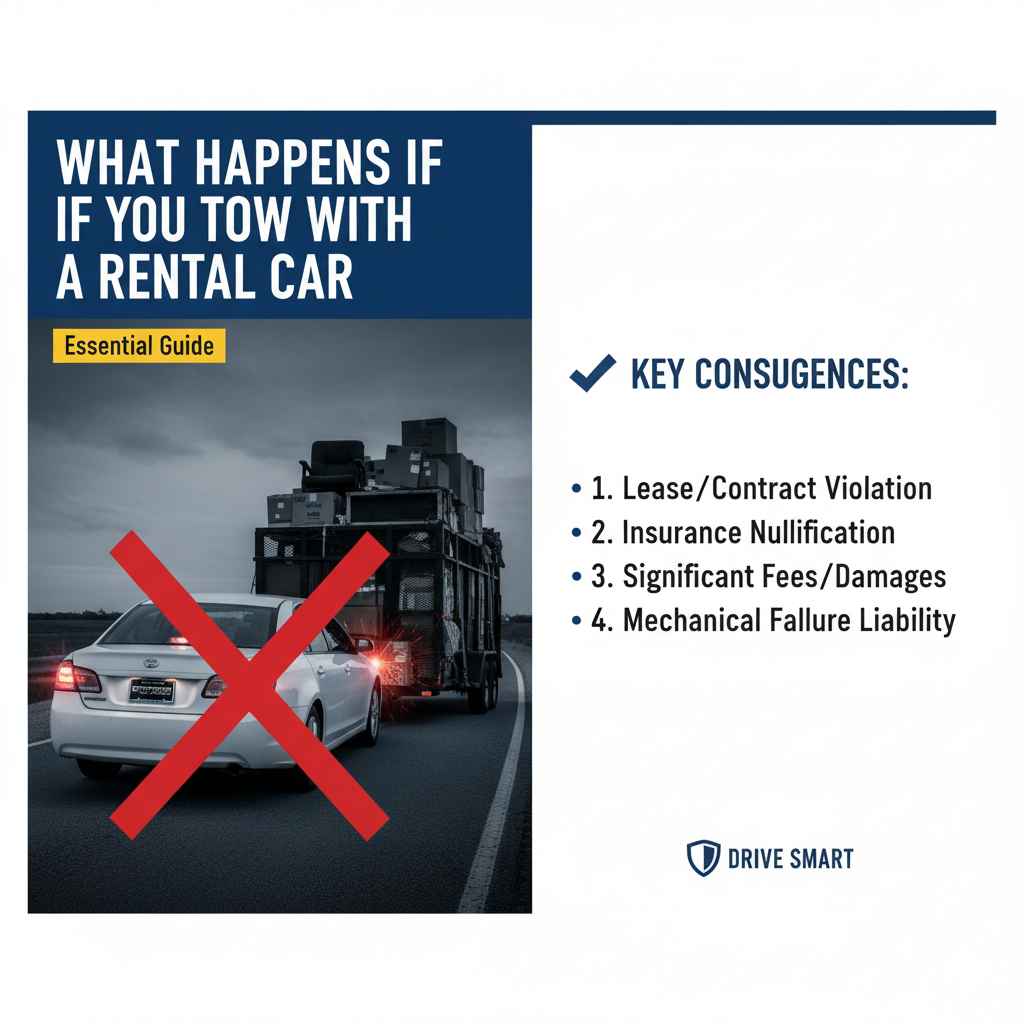
What Happens If You Tow With A Rental Car: Essential Guide
Towing with a rental car is almost always prohibited by rental agreements and can lead to significant financial penalties, voided insurance, and personal liability for any damage. Rental companies strictly forbid towing to protect their vehicles and manage risk. Always check your rental contract and speak directly with the company if you have towing needs.
Thinking about hooking up a trailer to that car you just rented? It might seem like a simple solution for moving equipment or gear. However, before you accidentally find yourself in a tricky situation, it’s super important to understand what the rental companies have to say about it. Many drivers are curious about this, and for good reason! It can save a lot of hassle if you know the rules upfront. This guide is here to break down exactly what can happen and what you need to know to stay on the safe side.
We’ll cover everything from the rental agreement fine print to the potential costs and consequences. By the end, you’ll feel much more confident about handling rental car situations and avoiding any unwanted surprises.
Why Rental Car Companies Don’t Allow Towing
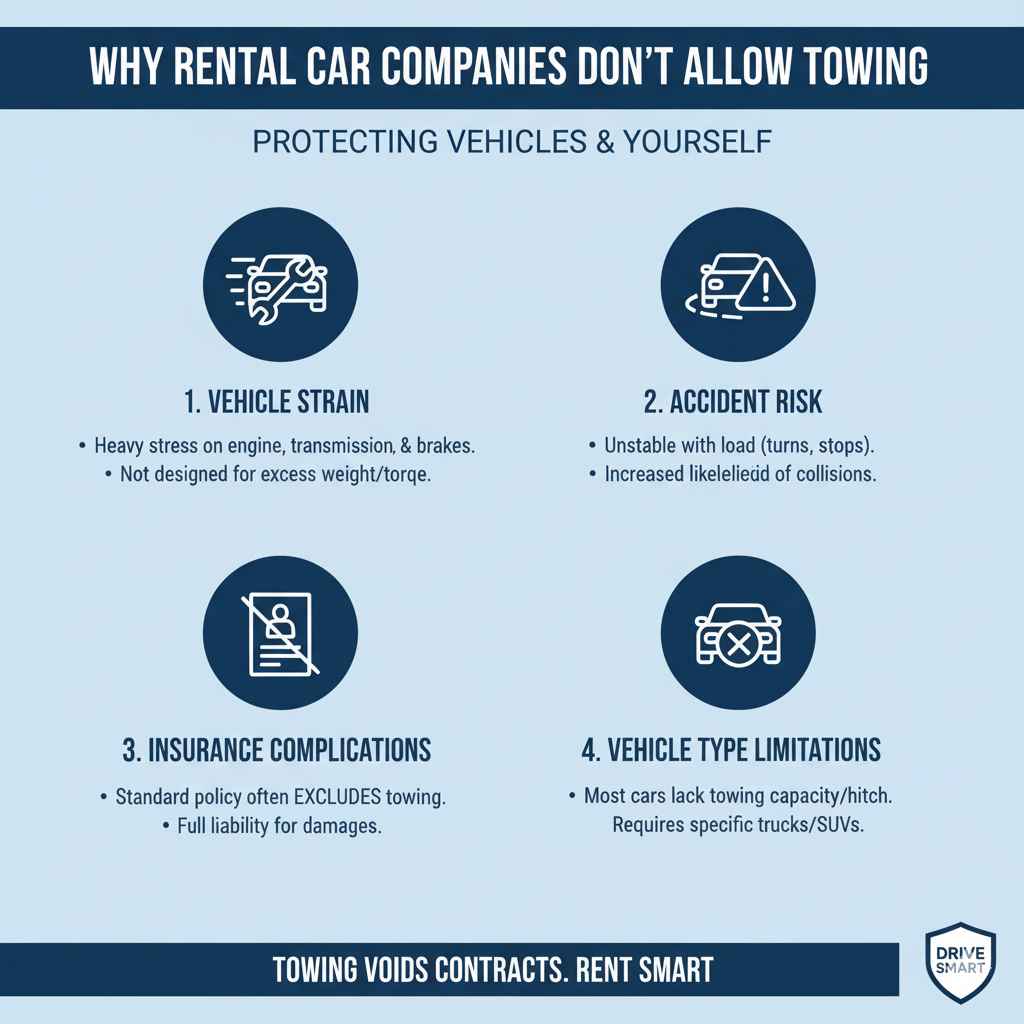
Rental car companies put strict rules in place for several good reasons, and towing is a big one they usually prohibit. Their primary concerns revolve around safety, vehicle wear and tear, and insurance liability. Think of it this way: they buy and maintain these cars for general driving purposes. Towing puts a lot of extra stress on a vehicle that wasn’t designed for it, potentially leading to costly damage.
- Vehicle Strain: Towing adds significant weight and torque, which can heavily strain the engine, transmission, brakes, and suspension.
- Accident Risk: A towed load can destabilize a vehicle, especially during turns, sudden stops, or in adverse weather conditions, increasing the likelihood of accidents.
- Insurance Complications: Standard rental car insurance often doesn’t cover damage incurred while towing.
- Vehicle Type Limitations: Most standard rental cars (sedans, compacts, even many SUVs) do not have the towing capacity or the necessary hitch equipment.
Reading the Fine Print: Your Rental Agreement
The most critical document you’ll sign when renting a car is the rental agreement. This contract is legally binding, and it’s where you’ll find the rules about what you can and cannot do with the vehicle. Most major rental companies explicitly state that towing is forbidden in their terms and conditions.
Here’s what to look out for:
- Prohibited Uses: Most agreements list “towing a trailer or other vehicle” as a prohibited use.
- Damage Liability: If you violate the agreement by towing, you are typically responsible for all damages to the rental vehicle, even if you purchased supplemental insurance.
- Additional Charges: Beyond damage, there can be significant fees for unauthorized use.
It’s always best to read the agreement thoroughly before you drive away. If you’re unsure about a specific clause, ask the rental agent politely for clarification. For more detailed information on rental contracts, you can refer to consumer guides from organizations like the Federal Trade Commission (FTC), which offers general advice on rental car practices.
What Happens If You Tow With A Rental Car?
So, what are the actual consequences if you decide to tow with a rental car despite the contract? The outcome can range from inconvenient to extremely costly. Here’s a breakdown of the potential repercussions:
1. Violation of Rental Agreement
This is the most immediate consequence. By towing, you are breaking the terms of the contract you signed. This breach of contract gives the rental company grounds to enforce various penalties.
2. Financial Penalties and Damages
This is where things can get very expensive. If any damage occurs to the rental vehicle while you are towing, or if the damage is related to towing activities (even if it happens later), you will likely be held fully responsible.
- Repair Costs: You could be billed for the full cost of repairs. This includes not just the visible damage but also potential internal damage to the engine, transmission, or cooling system, which might not be apparent immediately.
- Loss of Use Fees: While the damaged car is out of commission for repairs, the rental company can charge you a “loss of use” fee. This fee compensates them for the income they lose because their vehicle is unavailable for rent. These fees can add up quickly.
- Diminished Value: If the car suffers damage and is repaired, it may be worth less than it was before. Some agreements allow the rental company to charge you for this “diminished value.”
- Administrative Fees: Rental companies often add administrative fees to cover the costs of processing claims, inspecting damage, and managing repairs.
Imagine needing to tow a small utility trailer for a one-day move. If the trailer’s wiring shorts out and damages the rental car’s electrical system, or if pulling the load causes the transmission to overheat and fail, you could be looking at thousands of dollars in repair bills and associated fees. This is especially true if the rental company can prove the damage occurred because of towing.
3. Insurance Issues
This is a critical point that many people overlook. If you have purchased insurance (either through the rental company or your personal policy), it likely will not cover damage incurred while towing.
- Rental Company Insurance (Collision Damage Waiver – CDW/LDW): These waivers typically have exclusions for prohibited uses, and towing is almost always on that list. If you tow and damage the car, the CDW/LDW is void, and you are responsible for all repair costs.
- Personal Auto Insurance: If you’re using your own insurance for coverage, it’s highly unlikely to cover damage to a rental vehicle when used in a way prohibited by the rental agreement, especially for towing.
- Credit Card Insurance: Coverage provided by credit cards for rental cars often has similar exclusions and will likely not apply if you tow.
The bottom line is that if you tow with a rental car, you are likely exposing yourself to significant out-of-pocket expenses because insurance will not come to your rescue.
4. Safety Risks and Personal Liability
Beyond the financial implications for the rental car, towing improperly can be extremely dangerous. If an accident occurs due to towing, and it results in injury to yourself, your passengers, or others, or if it causes damage to other property, you could face significant personal liability.
Standard rental insurance is designed for normal driving conditions. It does not typically cover liability arising from extreme misuse of the vehicle, such as towing. This means you could be personally responsible for medical bills, legal fees, and damages to other parties involved in an incident caused by towing.
5. Impact on Future Rentals
If you violate the rental agreement, the company may flag your account. This could make it difficult or impossible to rent from that company, or even from other rental companies within the same corporate family, in the future.
When Towing Might Seem Tempting (and Why You Shouldn’t)
We get it. Sometimes you need to move something, and a rental car is right there. Maybe you need to move a small trailer with a motorcycle, or perhaps you’re helping a friend move a small boat.
Scenario: You need to tow a trailer with a few pieces of furniture for a local move. You see a standard sedan or a small SUV available for rent. It looks sturdy enough, right?
The Reality: Even if the car physically seems capable of pulling the weight, it’s the rental agreement and the company’s policy that matter. Most non-truck or non-van rental vehicles are not permitted to tow under any circumstances. The risk of voiding your rental agreement and insurance, and incurring massive costs, far outweighs any perceived convenience.
Alternatives if You Need to Tow
If your plans involve towing, the best approach is to plan ahead and use the right equipment. Here are some smarter alternatives:
1. Rent a Truck or a Vehicle Designed for Towing
Many rental companies do offer trucks or larger SUVs that are specifically equipped for towing. You’ll need to:
- Book in Advance: These vehicles are often in high demand.
- Verify Towing Capacity: Ensure the truck you rent has the necessary towing capacity for your load. Check the vehicle’s specifications and the trailer’s weight. Resources like the AutoTrader towing guide can help you understand towing capacity principles.
- Inquire About Towing Policies: Even with a truck, confirm that towing is permitted and understand any specific requirements or restrictions.
2. Use a Dedicated Towing Service
For larger or more specialized towing needs, consider hiring a professional towing company. They have the right trucks, equipment, and insurance to move your items safely and legally.
3. Rent a Trailer with Towing Included
Some trailer rental companies may offer delivery and pickup services, or they might have associated towing solutions. This can be a good option if you just need the trailer moved from point A to point B.
4. Consider Other Transportation Methods
Depending on what you need to move, you might be able to use a different method:
- Hire a moving company.
- Arrange for item delivery if purchasing new.
- Rent a cargo van if the items fit inside.
- Use a local courier service for smaller items.
A Table of Consequences if You Tow with a Rental Car
To make it visually clear, here’s a table summarizing what can happen:
| Potential Consequence | Explanation | Likelihood |
|---|---|---|
| Breach of Rental Agreement | Violation of contract terms regarding vehicle use. | Guaranteed |
| Full Responsibility for Vehicle Damage | You’ll pay for all repairs, even if not immediately obvious. | Very High |
| Loss of Use Fees | Charges for the time the car can’t be rented. | Very High |
| Diminished Value Charges | Compensation for the car’s reduced resale value after damage. | High |
| Voided Insurance Coverage | Rental company waivers and personal insurance likely won’t cover towing damage. | Very High |
| Personal Liability for Accidents | You could be responsible for injuries/damages to others if an accident occurs. | High (if an accident happens) |
| Future Rental Restrictions | Being blacklisted by the rental company or its affiliates. | Moderate to High |
| Additional Fines/Fees imposed by Rental Company | Administrative costs, processing fees, etc. | High |
Is it Ever Okay to Tow with a Rental Car?
Given the risks and contractual prohibitions, it is almost never okay to tow with a standard rental car. The exceptions are extremely rare and would only apply if a rental agreement explicitly permitted it, which is highly unusual for typical car rentals. Some specialized vehicles rented from specific companies might be an exception, but this would be clearly stated and likely come with specific instructions and potentially higher rental fees and insurance requirements.
Always assume that unless the vehicle is explicitly marketed and rented as a towing vehicle (like a heavy-duty truck from a commercial rental division) and the contract allows it, towing is forbidden. If you have any doubt, ask. But more importantly, if you need to tow, rent the appropriate vehicle.
How to Ensure You’re Compliant
Staying compliant with your rental car agreement is straightforward when it comes to towing:
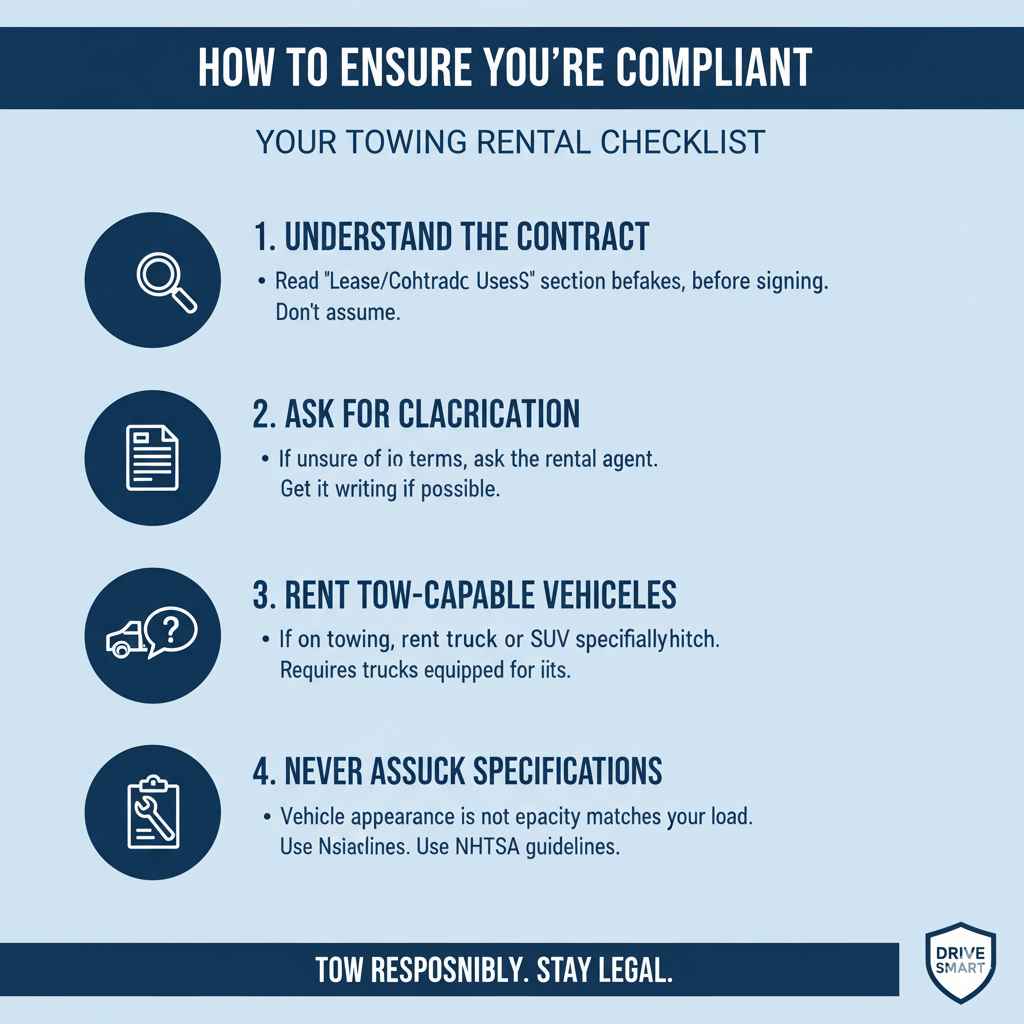
- Understand the Contract: Before signing, read the “Prohibited Uses” section of your rental agreement.
- Ask for Clarification: If you are unsure about any terms, ask the rental agent. Don’t assume.
- Only Rent Tow-Capable Vehicles if Needed: If your plan genuinely involves towing, rent a truck or a vehicle specifically advertised and equipped for towing.
- Check the Vehicle’s Specifications: Even if you rent a truck, verify its towing capacity matches your trailer and its load. The <a href=”https://www.nhtsa.gov/sites/nhtsa.gov/files/transportation-types/towing-and-retrieval/trailer-safety-tips.pdf” target=”_blank” rel=”noopener noreferrer”>National Highway Traffic Safety Administration (NHTSA) provides valuable safety tips for towing.
- Never Assume: Don’t assume a vehicle looks strong enough means you’re allowed to use it for towing. The rules are in the contract.
Frequently Asked Questions (FAQ)
Q1: Can I attach a small hitch to a rental car for a bike rack?
A: Generally, no. Most rental agreements prohibit attaching any non-standard equipment, including hitches, to their vehicles. Even if the bike rack is small, modifying the car or using it in a way not intended by the manufacturer (which towing a hitch-mounted rack could be considered) is usually a violation.
Q2: What if the rental car has a tow hitch already installed?
A: Some rental trucks or SUVs might come with a factory-installed tow hitch. However, this does not automatically mean you are permitted to tow with it. The rental agreement’s terms and conditions still apply. Always verify with the rental company that towing is allowed before you attach anything.
Q3: My personal car insurance covers rental cars. Will it cover towing damage?
A: It’s unlikely. Your personal auto insurance policy typically covers damages to a rental car under specific circumstances, but these generally mirror the rental company’s policy regarding prohibited uses. Towing is almost always an exclusion.
Q4: What if I only tow a very light trailer, like a small utility trailer?
A: The weight of the trailer rarely matters to the rental company. The prohibition is typically on the act of towing itself, due to the added stress, potential for instability, and liability. A violation is a violation, regardless of load size.
Q5: Can I tow a small U-Haul trailer with a standard rental car?
A: No, U-Haul (and most other trailer rental companies) have specific vehicle requirements for their trailers. You typically need a truck or a larger SUV with a proper hitch and wiring. Standard rental cars from companies like Hertz, Avis, Enterprise, etc., are not permitted for towing their trailers.
Q6: What’s the difference between towing and using a hitch for a bike rack?
A: While both involve a hitch, towing implies pulling a load that adds significant weight and dynamic stress to the vehicle’s drivetrain and chassis. A bike rack, while mounted on a hitch, is generally considered an accessory for carrying items. However, attaching any hitch to a rental car is typically prohibited by rental agreements, so even a bike rack might be an issue if it requires hitch installation or modification.
Conclusion
When it comes to towing with a rental car, the answer is a resounding no. The rental agreement is a clear contract, and using the vehicle for towing purposes almost always constitutes a breach. This can lead to hefty fines, full responsibility for any damage, voided insurance coverage, and potentially issues with renting cars in the future. It’s crucial to respect the terms set forth by the rental company to protect yourself from unexpected costs and liabilities.
If you have a need to tow, the safest and most sensible approach is to rent a vehicle specifically designed and permitted for towing, such as a truck or a heavy-duty SUV, from a rental company that allows it. Always plan ahead, secure the right vehicle, and understand its towing capacity. By doing so, you ensure your trip is safe, legal, and ultimately, much more enjoyable. Remember, a little planning goes a long way in avoiding major headaches!