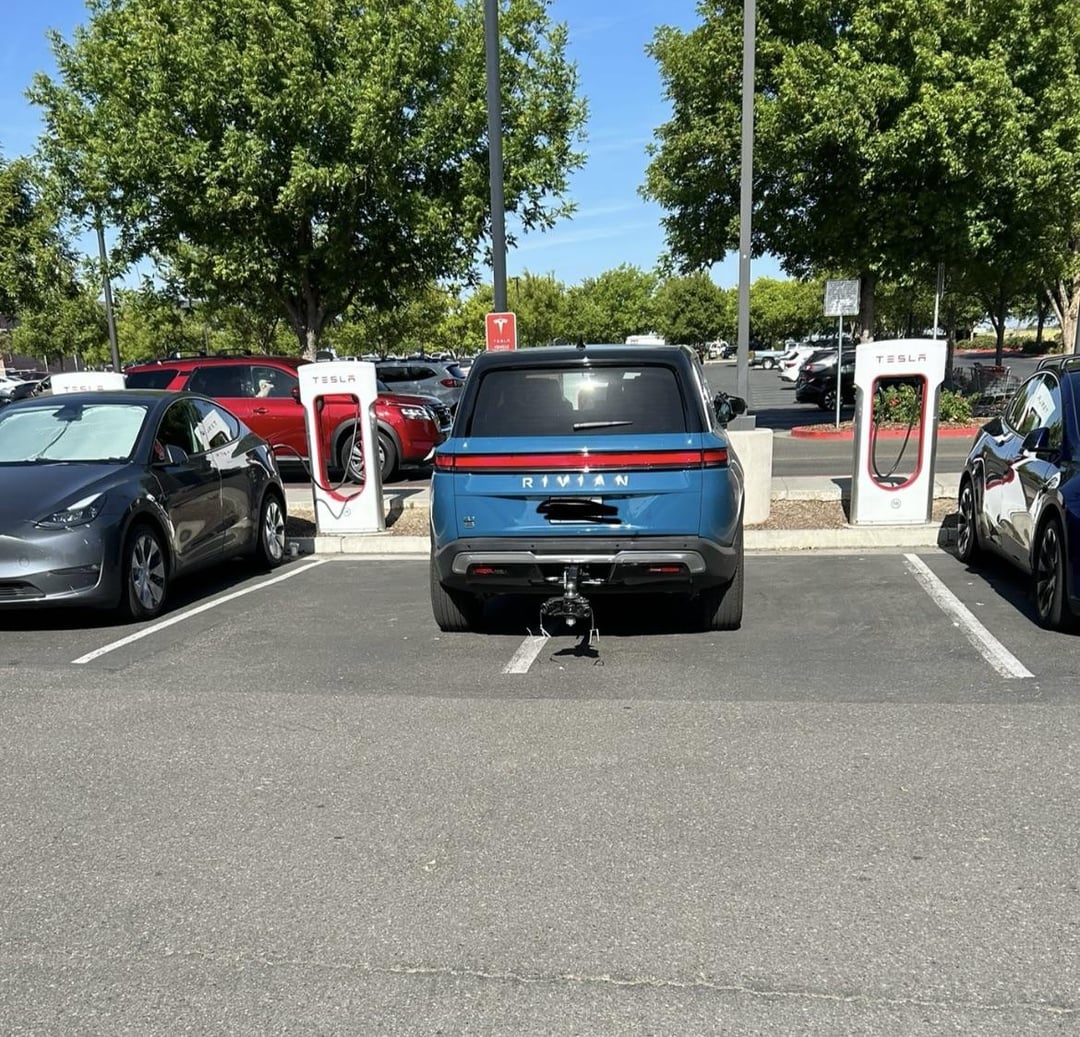
Can Non-Tesla Cars Use Superchargers? Yes, With Conditions
Yes. As of 2026, most non-Tesla electric vehicles can charge at Tesla Superchargers, either through a built-in NACS charging port or a CCS1 adapter. Coverage isn’t universal yet, and non-Tesla drivers usually pay a higher per-kWh rate unless they sign up for Tesla’s Supercharging Membership.
Tesla’s charging connector, once proprietary, is now the SAE J3400 standard – better known as NACS, the North American Charging Standard. Since Ford, GM, Rivian, Hyundai, Kia, Honda, Nissan, BMW, Mercedes-Benz, Toyota, Volvo, Polestar, and Lucid all signed on, the real question for most EV owners isn’t whether they can use a Supercharger, but how: does your car plug in directly, or do you need an adapter, and what will it actually cost you?
This guide covers the mechanics of non-Tesla Supercharger access specifically. If you want the full automaker-by-automaker breakdown and how Destination Chargers differ from Superchargers, see our complete guide to which cars can use Tesla charging stations.
Native NACS Port vs. CCS1 Plus an Adapter
There are two ways a non-Tesla EV ends up compatible with a Supercharger, and they’re not the same experience:
- Native NACS port. Newer models built from the ground up with Tesla’s NACS connector plug straight into a Supercharger – no adapter, no extra hardware. The 2026 Rivian R1T and R1S, Cadillac Optiq and Optiq-V, Hyundai Ioniq 5/6/9, and Kia EV6 all ship this way.
- CCS1 port plus an adapter. Most EVs sold between roughly 2021 and 2024 use the older CCS1 connector. They need either a Tesla-provided “Magic Dock” adapter built into the charging stall itself, or an owner-purchased NACS-to-CCS1 adapter for stalls that don’t have one.
Owning a personal adapter matters because Magic Dock coverage is still limited – only a fraction of Supercharger stations have one, while native-NACS V3 and V4 stalls (recognizable by a black collar around the connector) are far more common. If your car has a CCS1 port and you want reliable access without hunting for a Magic Dock stall, a dedicated adapter solves that.
FOR CCS1 EVS WITHOUT A MAGIC DOCK NEARBY
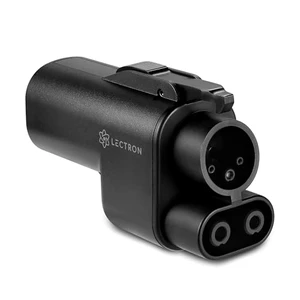 |
Lectron NACS to CCS EV Adapter – $199.99 Lets a CCS1-equipped non-Tesla EV plug into any native-NACS Supercharger stall, not just the limited Magic Dock locations.
|
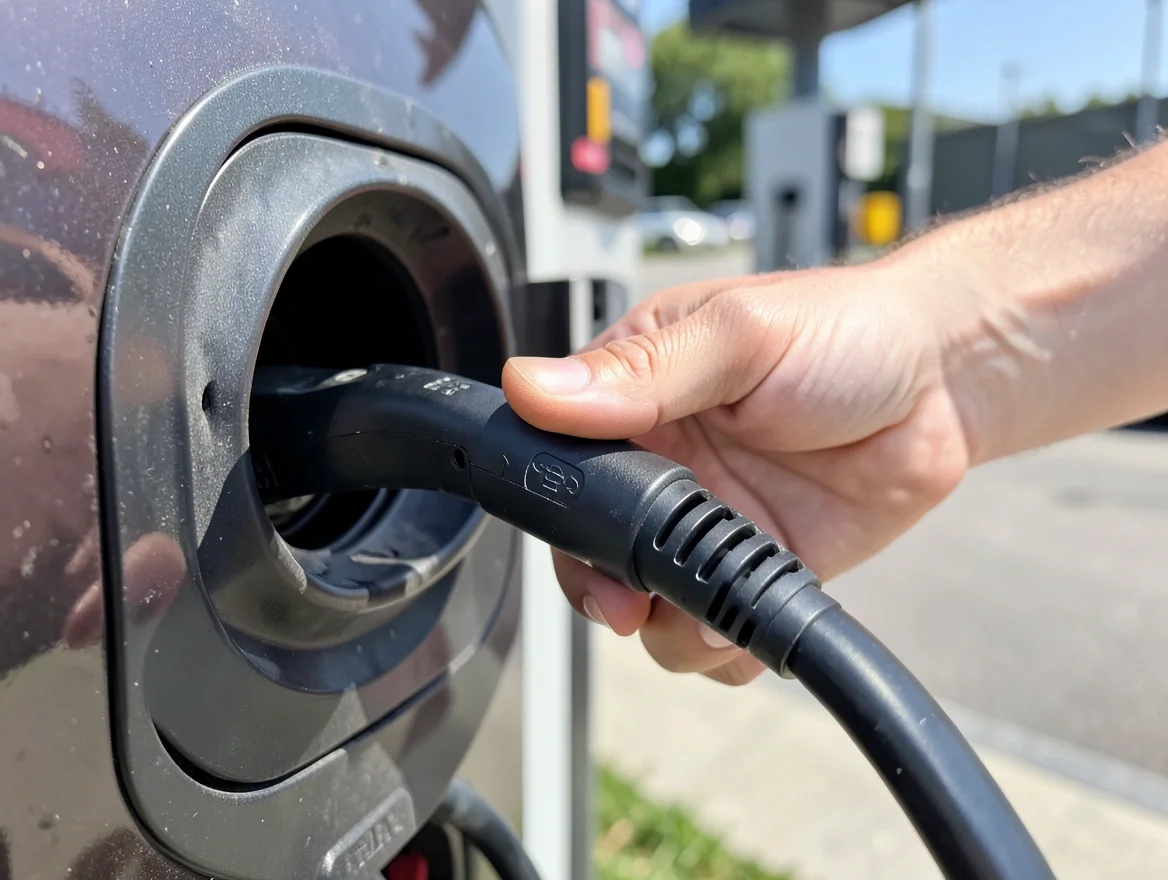
Which Non-Tesla Cars Can Actually Use Superchargers
Availability depends entirely on when your EV was built and which automaker made it. Rivian, Ford, GM’s EV brands, Hyundai, Kia, Honda, Nissan, BMW, Mercedes-Benz, Toyota, Volvo, Polestar, and Lucid have all shipped Supercharger-compatible EVs, either with a native NACS port or a factory-approved adapter. Some automakers give owners a free adapter; others, like Honda, sell one (around $225 for Acura and Honda EVs).
Because the compatible-model list changes every few months as new vehicles launch, we keep a full automaker-by-automaker table – including Destination Charger access, which works differently – in our Tesla charging station compatibility guide. If your car uses an older CHAdeMO connector instead of CCS1 (some pre-2023 Nissan Leaf models), neither the Magic Dock nor a NACS-to-CCS1 adapter will work – CHAdeMO isn’t supported at Superchargers at all.
How Magic Dock Works
Magic Dock is Tesla’s own retrofit: a CCS1 adapter built into the cable holster at select V3 and V4 Supercharger stalls, identifiable by a black collar around the connector. You don’t buy or carry anything – the stall supplies it.
To use one, open the Tesla app, select “Charge Your Non-Tesla,” and choose the stall. The Magic Dock unlocks, the CCS1 adapter attaches to the NACS connector automatically, and charging begins once you plug in. When you’re done, you return the cable and adapter to the holster and it locks itself back onto the stall.
The catch: Magic Dock is only built out at a relatively small number of Supercharger sites, since Tesla has shifted its non-Tesla expansion toward native NACS stalls instead. If there’s no Magic Dock location near you, an owned adapter or a native-NACS-port EV is the more reliable option.
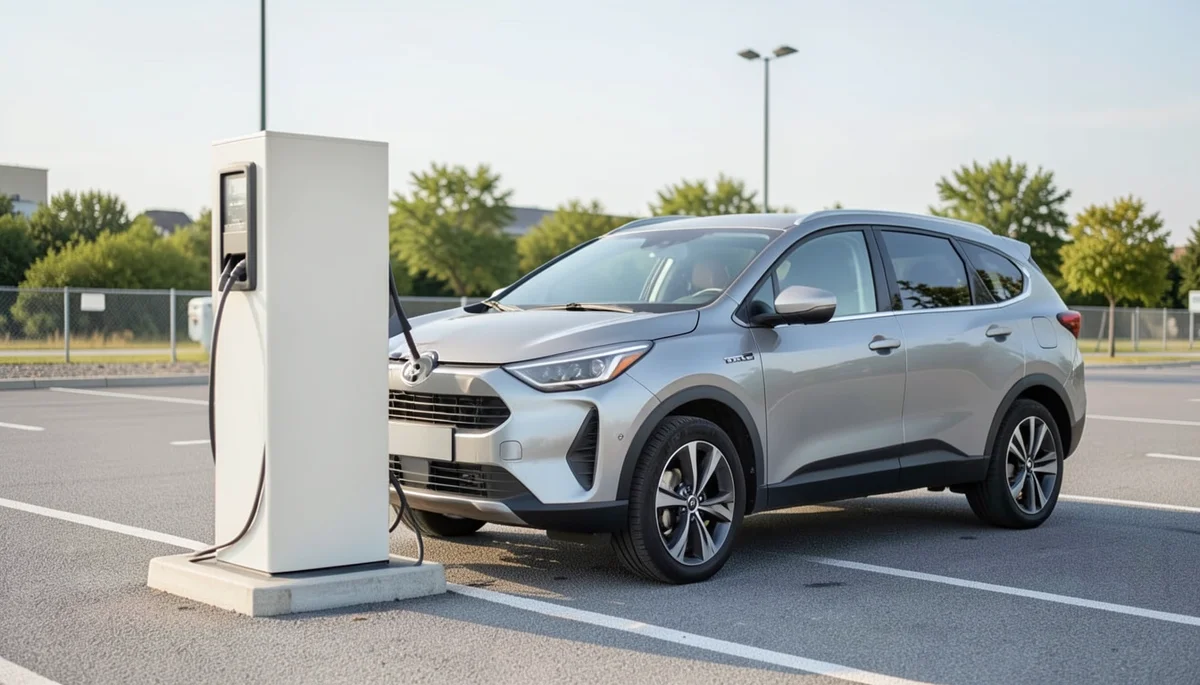
Does It Cost More Than Charging a Tesla?
Usually, yes. Tesla charges non-member drivers a per-kWh premium over what Tesla owners pay at the same stall – estimates put it around 30–40% higher, and roughly $0.10/kWh or more in dollar terms, depending on location and time of day. On a station charging Tesla owners $0.45/kWh, a non-Tesla driver might pay closer to $0.55–$0.60/kWh.
You can close that gap with Tesla’s Supercharging Membership, a $12.99/month subscription that gives non-Tesla EVs the same per-kWh rate as Tesla owners. For most drivers who charge more than a couple of times a month, the membership pays for itself well before the second fill-up.
How to Charge a Non-Tesla Car at a Supercharger
- Download the Tesla app and create an account (you don’t need to own a Tesla).
- Add a payment method to your account – charging bills automatically once you plug in.
- In the app’s charging map, filter for stations that support non-Tesla EVs, or look for the black collar on V3/V4 stalls in person.
- If it’s a Magic Dock stall, select “Charge Your Non-Tesla” in the app first so the adapter unlocks. If your car has a native NACS port or your own adapter, just plug in directly.
- Charging starts automatically once the connector is seated. Monitor the session in the app.
- Unplug when finished. If you used a Magic Dock cable, return it to the holster so it can relock.
Frequently Asked Questions
Can a Tesla Supercharger be used for other cars?
Yes, in most cases. Since Tesla’s connector became the NACS/SAE J3400 standard, the majority of new EVs from other automakers can charge at many Supercharger locations, either with a built-in NACS port or a CCS1 adapter. Not every Supercharger site supports non-Tesla vehicles yet, so it’s worth checking the Tesla app before you rely on one.
Do I need an adapter to charge a non-Tesla car at a Supercharger?
It depends on your car. If it has a native NACS port – standard on several 2025 and 2026 models – no adapter is needed. If it has a CCS1 port, which covers most EVs made before 2025, you’ll need either a Magic Dock-equipped stall or your own NACS-to-CCS1 adapter.
Does charging a non-Tesla car at a Supercharger cost more?
Usually, yes – non-Tesla drivers typically pay roughly 30–40% more per kWh than Tesla owners at the same station. Tesla’s $12.99/month Supercharging Membership removes that premium and matches Tesla-owner pricing.
Which non-Tesla EVs can use Tesla Superchargers?
Most current EVs from Rivian, Ford, GM’s EV brands, Hyundai, Kia, Honda, Nissan, BMW, Mercedes-Benz, Toyota, Volvo, Polestar, and Lucid can, either natively or with an adapter. For the full model-by-model list, see our Tesla charging station compatibility guide.
Can older EVs with CHAdeMO ports use Tesla Superchargers?
No. Both Magic Dock and third-party NACS adapters are built for CCS1 connectors, not CHAdeMO. Older EVs that only use CHAdeMO, such as some pre-2023 Nissan Leaf models, currently have no way to charge at a Supercharger.
The Bottom Line
Non-Tesla cars can use Superchargers, and for most 2023-and-newer EVs, it’s now a routine option rather than an exception. What still varies is how you connect – native port, Magic Dock, or your own adapter – and what you pay. Check your automaker’s NACS status, confirm the station supports non-Tesla charging in the Tesla app, and weigh the $12.99/month membership if you’ll be charging there regularly.
Products related to this article
Sponsored / affiliate links. As an Amazon Associate I earn from qualifying purchases. I may earn additional commission from eligible campaigns.