What Happens When You Stall a Manual Car: Shocking Truths Revealed
Have you ever felt your heart race the moment your manual car stalls? It’s a sudden, jarring experience that can leave you confused and unsure about what to do next.
Stalling isn’t just an embarrassing moment; it can affect your confidence and even your safety on the road. But what actually happens when you stall your manual car? Understanding this can help you stay calm and take control quickly. Keep reading to discover the reasons behind stalling, what goes on under the hood, and how you can recover smoothly every time.
Causes Of Stalling
Stalling a manual car happens for several reasons. It can be frustrating and confusing for many drivers. Understanding what causes stalling helps you avoid it and drive more smoothly. The causes fall into three main groups: driver mistakes, car problems, and outside conditions.
Common Driver Errors
New drivers often stall because they do not use the clutch and gas pedals properly. Releasing the clutch too fast without enough gas causes the engine to stop. Another mistake is not pressing the clutch fully when changing gears. Not giving the engine enough power at low speeds also leads to stalling. These errors happen mostly at stops or when starting on hills.
Mechanical Issues
Some stalls happen due to car problems. A dirty or faulty idle air control valve can cause the engine to stall. Problems with the fuel system, like a clogged fuel filter, can stop fuel flow. Faulty spark plugs or ignition issues make the engine misfire and stall. Worn clutch parts can also cause difficulty in smooth gear changes, leading to stalls.
Environmental Factors
Outside conditions affect how a manual car performs. Driving in very cold weather can make the engine harder to start and stall. Steep hills require careful clutch and gas use or the car will stall. Heavy traffic with constant stops and starts can increase stalling chances. Poor road surfaces or sudden stops also challenge drivers and increase stall risks.
Immediate Effects On The Car
Stalling a manual car causes quick changes in how the car works. These changes affect the engine, transmission, and dashboard. Understanding these effects helps drivers react better after a stall.
Engine Behavior
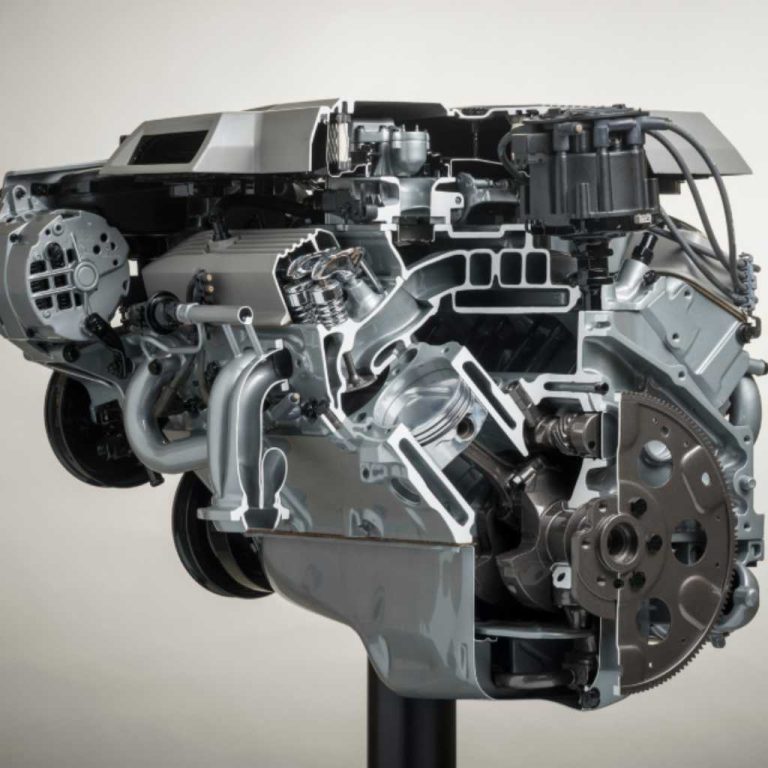
The engine suddenly stops running. It loses all power and the car stops moving. You may hear a loud noise or feel a jerk. The engine will not respond until restarted.
Transmission Impact
The transmission stops transferring power to the wheels. The clutch disconnects the engine from the wheels. This can cause a sudden halt or lurch forward. The transmission may feel stuck until the car restarts.
Dashboard Indicators
Warning lights often turn on immediately. The check engine light may blink or stay lit. Other indicators, like the battery or oil light, might also activate. These signals show the engine is not running correctly.
Safety Risks During A Stall
Stalling a manual car creates sudden safety risks on the road. The engine stops working, causing several problems. Drivers must understand these risks to react quickly and stay safe. This section explains key dangers during a stall.
Loss Of Power Steering
Power steering helps control the car easily. When the engine stalls, power steering stops working. The steering wheel becomes hard to turn. This makes it tough to steer away from danger fast. Drivers may struggle to keep the car on the road.
Brake Performance
Brakes rely partly on engine power for full strength. A stall can reduce brake effectiveness. Pressing the brake pedal may feel different or weaker. This delay in stopping can increase crash risks. Drivers must press brakes firmly and stay calm.
Hazards In Traffic
A stalled car suddenly loses speed and control. Other drivers may not expect this change. It can cause accidents or collisions in busy traffic. Stalled cars become obstacles, especially on highways or intersections. Moving the car safely and quickly is critical.
How To Recover Quickly
Stalling a manual car can be stressful, especially in traffic or on a hill. Knowing how to recover quickly helps you stay calm and safe. This guide shows simple steps to restart your car fast and avoid stalling again. Follow these tips to drive smoothly and confidently.
Step-by-step Restart
First, press the clutch pedal all the way down. Turn the ignition key or push the start button. Keep the clutch pressed while the engine starts. Slowly lift the clutch pedal until you feel the car begin to move. At the same time, press the gas pedal gently. Release the clutch fully once the car moves forward smoothly.
Preventing Stalls
Always press the clutch fully before changing gears. Avoid releasing the clutch too fast. Use the gas pedal lightly to keep the engine running. Practice finding the “biting point” where the car starts to move. Stay calm and steady with your foot movements. These habits reduce the chance of stalling.
Best Practices For Smooth Driving
Shift gears at the right speed for your car. Listen to the engine sound for timing. Keep your feet steady on the pedals. Avoid sudden or harsh movements. Practice driving in a quiet area to build confidence. Smooth driving saves fuel and reduces wear on your car.
Long-term Consequences
Stalling a manual car often feels like a small mistake. Yet, repeated stalls cause real problems. The car parts work harder than usual. Over time, this extra stress leads to damage. Understanding these long-term effects helps you care for your car better.
Wear And Tear On Engine
Each time the engine stalls, it stops suddenly. This sudden stop stresses engine parts. Pistons and valves face unusual forces. Over time, this causes parts to wear out faster. The engine loses smoothness and power. Frequent stalls shorten the engine’s life.
Clutch And Transmission Damage
Stalling puts extra pressure on the clutch. The clutch slips to stop the engine. This slipping wears down the clutch plate quickly. The transmission also feels extra strain. Gears may grind or shift roughly. Constant stalls can cause costly transmission problems.
Costly Repairs
Ignoring stalling can lead to big repair bills. Engine repairs are expensive and time-consuming. Replacing the clutch costs a lot too. Transmission fixes add even more costs. Regular stalls increase the chance of these repairs. Fix small problems early to avoid big expenses.
Tips To Avoid Stalling
Stalling a manual car can be frustrating and embarrassing. It often happens when drivers lose control of the clutch and gears. Avoiding stalls requires focus and practice. Use simple tips to keep your car running smoothly. Follow these easy steps to improve your driving skills and reduce stalls.
Clutch Control Techniques
The clutch connects the engine to the wheels. Press it fully before shifting gears. Release it slowly to avoid sudden stops. Find the “biting point” where the car starts to move. Hold the clutch steady at this point to prevent stalling. Practice smooth clutch release every time you drive.
Proper Gear Shifting
Choose the right gear for your speed. Low gears help when starting or going uphill. Shift up as the car gains speed. Avoid changing gears too fast or too slow. Listen to the engine sound for the right moment. Smooth gear changes keep the car stable and prevent stalls.
Practice Exercises
Practice in a quiet, open space. Start the car, slowly release the clutch, and press the gas gently. Repeat until you feel comfortable with the clutch. Practice starting on a small hill to improve control. Regular practice builds confidence and reduces stalling over time.
Frequently Asked Questions
What Does It Mean To Stall A Manual Car?
Stalling a manual car means the engine suddenly stops running. This usually happens when the clutch is released too quickly or the engine speed drops too low. It causes the car to jerk and lose power temporarily.
Why Do Manual Cars Stall Frequently?
Manual cars stall when the driver mismanages the clutch and gas pedals. Beginners often stall due to poor timing or insufficient engine revs. Proper coordination between clutch release and acceleration prevents stalling.
Can Stalling Damage A Manual Car?
Occasional stalling typically causes no major damage. However, frequent stalling stresses the clutch and engine components. Consistent stalling may lead to clutch wear or engine issues over time.
How To Avoid Stalling A Manual Car?
Avoid stalling by practicing smooth clutch release with gradual acceleration. Increase engine revs slightly before releasing the clutch pedal. Proper coordination and experience reduce the chances of stalling.
Conclusion
Stalling a manual car is common for new drivers. It can cause the engine to stop suddenly. This may feel surprising or frustrating. Staying calm helps you restart smoothly. Practice clutch control and shifting gears carefully. Each stall teaches you better timing and control.
Soon, driving a manual will feel easier. Don’t worry about mistakes; they help you learn. Keep practicing, and confidence will grow with every drive.