What Happens When You Stall a Manual Car: Key Effects Explained
Have you ever felt that sudden jolt and awkward silence when your manual car stalls? It’s frustrating, embarrassing, and sometimes even a bit scary—especially if you’re new to driving stick.
But what exactly happens when your car stalls? Understanding this can help you stay calm and get back on the road quickly. You’ll discover why stalling occurs, what’s going on under the hood, and simple steps to avoid or fix it.
Keep reading to take control of your driving experience and never let a stall catch you off guard again.
Causes Of Stalling
Stalling a manual car happens when the engine stops running unexpectedly. This can be frustrating and sometimes dangerous. Understanding what causes stalling helps you avoid it and drive more smoothly. Several common mistakes lead to stalling, especially for new drivers.
Clutch Misuse
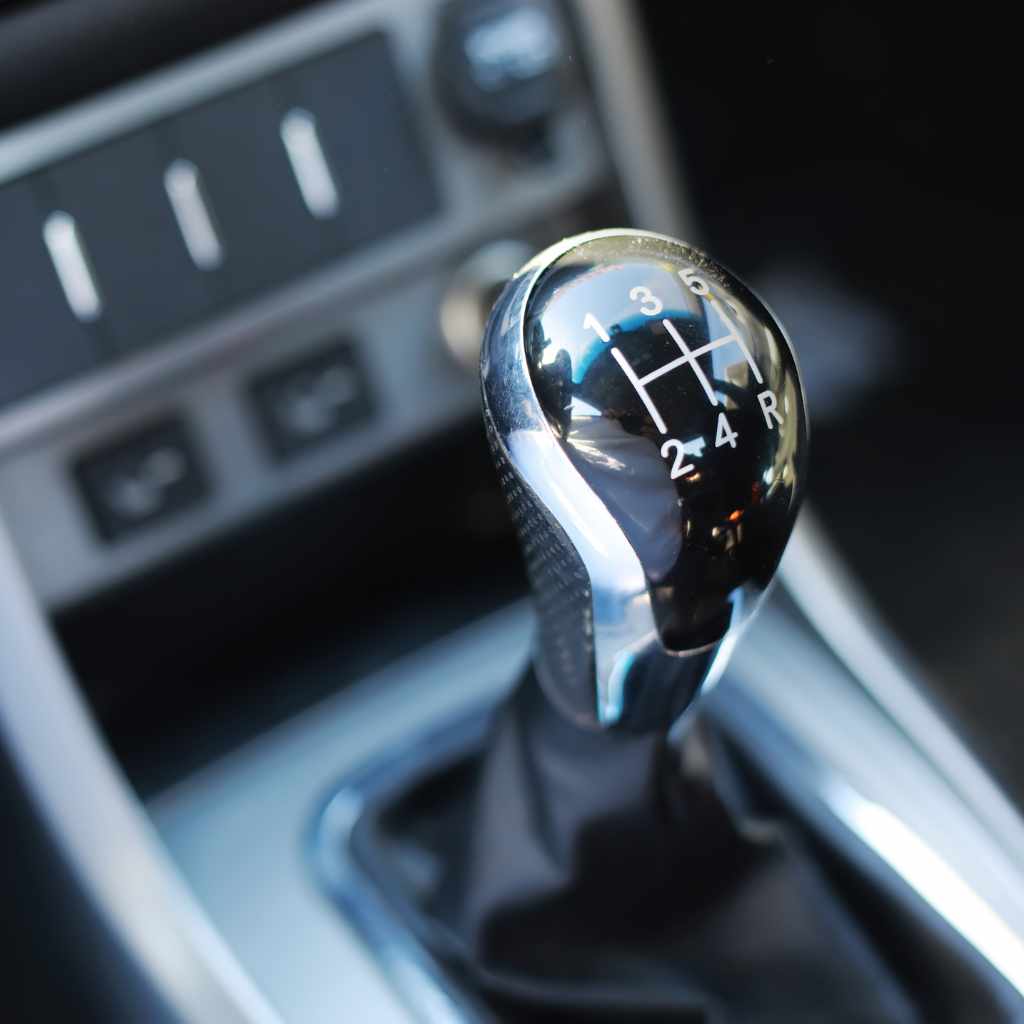
The clutch controls the connection between the engine and wheels. Pressing it too quickly or not enough can cause the engine to stall. Releasing the clutch too fast without giving enough gas often leads to stalling. Smooth clutch control is key to prevent this problem.
Incorrect Gear Selection
Choosing the wrong gear affects the engine speed and power. Starting in a high gear can make the engine struggle and stop. Shifting gears too early or too late also causes stalling. Using the right gear for the speed and road helps the engine run well.
Insufficient Throttle
The throttle controls the engine’s power by managing fuel flow. Pressing the gas pedal too little when starting or changing gears can stall the engine. The engine needs enough fuel to keep running, especially at low speeds. Gentle and steady throttle use prevents stalling.
Immediate Effects On The Engine
Stalling a manual car causes quick changes inside the engine. The engine stops running suddenly. This sudden stop has several effects on the engine and related parts. Understanding these effects helps drivers know what happens under the hood.
Engine Shutdown
Stalling causes the engine to shut down immediately. The engine’s pistons stop moving. Without power, the engine cannot keep running. This sudden stop can feel surprising for new drivers. The car loses all its engine power at once.
Loss Of Power
The engine no longer produces power after a stall. The car stops moving if no clutch or brake action follows. Loss of power can make the car hard to control. Drivers may feel the car jerk or lurch forward. This happens because the engine is no longer driving the wheels.
Impact On Fuel System
Stalling interrupts fuel delivery to the engine. Fuel injectors stop working with the engine off. Fuel flow stops until the engine restarts. This pause can cause small delays in engine response. Repeated stalls may affect fuel system parts over time.
Impact On Vehicle Control
Stalling a manual car affects how you control the vehicle. It interrupts the power flow from the engine to the wheels. This sudden stop can create problems while driving.
Understanding these effects helps you react better and stay safe on the road.
Loss Of Acceleration
When the car stalls, the engine stops producing power. The vehicle loses its ability to speed up. This can cause trouble, especially on hills or busy streets. You might struggle to move quickly or keep up with traffic.
Steering Challenges
Power steering depends on the engine running. After a stall, steering becomes harder. Turning the wheel needs more effort. This can make it tough to control the car, especially at low speeds or tight turns.
Safety Risks
Stalling creates sudden changes in vehicle behavior. Other drivers may not expect it. This can lead to accidents or collisions. The risk increases in heavy traffic or on fast roads. Staying calm and restarting quickly is important.
Mechanical Consequences
Stalling a manual car affects more than just your driving flow. It causes several mechanical issues that can harm your vehicle over time. These problems often start small but grow worse with repeated stalls.
Clutch Wear And Tear
Stalling puts extra pressure on the clutch. The clutch slips more as you try to restart the car. This slipping wears down the clutch surface quickly. Over time, you may need to replace the clutch sooner than usual. A worn clutch can lead to costly repairs and poor car performance.
Starter Motor Strain
The starter motor works harder after a stall. Each restart sends more electric current to the motor. This extra load heats the motor and can cause damage. If stalling happens often, the starter motor may fail early. Replacing a starter motor can be expensive and time-consuming.
Potential Engine Damage
Stalling can cause abrupt engine stops. This sudden stop stresses engine parts like pistons and valves. Repeated stalls may lead to engine misfires or rough idling. In some cases, it can cause serious engine damage. Protecting your engine means avoiding frequent stalls.
How To Recover From A Stall
Stalling a manual car can feel scary, especially for new drivers. Staying calm is key. Knowing how to recover quickly helps keep control and safety.
Restarting The Engine
Press the clutch pedal all the way down. Turn the key or push the start button to restart the engine. Keep the clutch pressed until the engine runs smoothly. This prevents another stall.
Proper Clutch Use
Slowly release the clutch pedal to find the “biting point.” This is where the car starts to move. Avoid letting go too fast or too slow. Practice feeling this point to improve control.
Smooth Gear Changes
Shift gears gently without rushing. Press the clutch fully before changing gears. Release the clutch slowly after shifting. Smooth gear changes reduce the chance of stalling.
Tips To Prevent Stalling
Stalling a manual car can feel frustrating, especially for new drivers. The good news is, stalling happens less with practice and the right techniques. Understanding how to control the car’s parts smoothly helps prevent stalls. Focus on small steps to build confidence and control. These tips make driving easier and safer.
Practice Throttle Control
The throttle controls the engine’s power. Press it gently to give the car the right speed. Too little throttle causes the engine to die. Too much makes the car jump forward. Find a balance by practicing in a quiet area. Smooth throttle use helps keep the car moving steady.
Master Clutch Timing
The clutch connects the engine to the wheels. Release it too fast, and the car stalls. Release it too slow, and the engine revs too high. Try to feel when the clutch starts to grab. This point is where the car begins to move. Practice this timing often to avoid sudden stops.
Stay Calm Under Pressure
Stalling can make drivers nervous. Staying calm helps you react better. Take deep breaths if you feel tense. Focus on the controls, not the mistake. Calmness lets you fix the stall quickly. Remember, every driver stalls sometimes. Keep trying without stress.
Frequently Asked Questions
What Causes A Manual Car To Stall?
A manual car stalls when the engine stops running unexpectedly. This often happens from improper clutch use or sudden release. It can also occur if the engine lacks enough power to keep running, such as at low speeds or incorrect gear choices.
How Does Stalling Affect Manual Car Components?
Stalling can stress the clutch and transmission. Repeated stalls may lead to clutch wear or damage. However, occasional stalling usually does not cause severe mechanical harm but should be avoided to maintain smooth driving and vehicle health.
What Should I Do Immediately After Stalling A Manual Car?
Press the clutch fully and shift to neutral. Restart the engine while keeping the clutch pressed. Once the engine runs smoothly, gently engage the clutch and accelerate to move again safely. Stay calm and avoid sudden movements.
Can Stalling Damage My Manual Car’s Engine?
Stalling itself rarely damages the engine. However, frequent stalls strain engine components and may cause long-term issues. Proper clutch control and smooth driving reduce stall risks and protect the engine’s longevity.
Conclusion
Stalling a manual car is common for new drivers. It causes the engine to stop suddenly. This can feel scary but is not harmful if handled well. Keep calm, press the clutch, and restart smoothly. Practice helps you stall less often.
Each stall teaches you more about controlling the car. Soon, shifting gears and driving will feel natural. Don’t worry about mistakes; they are part of learning. Stay patient and keep practicing to improve your driving skills.