Climate Control Reset Tool Review: Is It Worth Buying
Buy a climate control reset tool only if your car supports HVAC relearn or actuator calibration and the trouble began after a battery disconnect or module swap; if the door motor, sensor, or blend door is broken, it won’t fix it. I have seen people spend money on the wrong tool, then stay stuck with heat on one side and cold air on the other while the real fault sits untouched. This guide covers when the tool is worth buying, when a scanner or shop diagnosis is smarter, and how to match symptoms to calibration faults.
Verdict

That is the whole filter. If the vehicle’s HVAC control module can relearn actuator position, a reset or calibration may restore normal temperature control after power loss, replacement parts, or a failed initialization. If the fault is mechanical or electrical, the tool may still clear codes, but the symptom comes back.
Pros and cons
- Pros: Useful after battery disconnect, module replacement, or actuator work on supported vehicles.
- Pros: Can save time when the problem is a lost adaptation, not a failed part.
- Pros: Better scanners can read body/HVAC codes and run actuator tests.
- Cons: A reset cannot fix broken gears, dead motors, bad sensors, or wiring faults.
- Cons: Compatibility is vehicle-specific, and many cheap readers cannot access HVAC functions.
- Cons: A successful reset can hide the real problem for a short time, which leads to wrong parts.
Who it’s for
This suits DIY owners with automatic climate control, especially dual-zone systems, who may have replaced the HVAC control module, disconnected the battery, or installed an actuator and now need a relearn. It does not suit owners of simple manual HVAC systems, or anyone facing a loud clicking actuator, a dead blower, or a wiring fault. I would leave it on the shelf for those cases.
Specs at a glance
| What to check | What matters in practice |
|---|---|
| What it resets | HVAC actuator position memory, calibration, and sometimes manufacturer-specific HVAC fault codes |
| Manual reset versus scan-tool reset | Some vehicles use a key-cycle or battery-reset relearn; others require a scanner command through the climate or body module |
| Fault-code access | Basic readers often miss body and HVAC codes; better scanners can read them and clear after repair |
| Bi-directional controls | Needed for actuator tests, door sweeps, and service functions on many newer systems |
| Vehicle compatibility | Varies by make, model, and model year; factory service information should be checked first |
| Limitations | Won’t repair failed actuators, sensors, stuck blend doors, broken modules, or wiring damage |
What it resets
A climate control reset tool is not one single thing. On one vehicle it may clear HVAC trouble codes and trigger a recalibration; on another it may only start a relearn for the blend-door actuators. The HVAC control module stores position memory, and when that memory is lost or wrong, the system can need adaptation.
Manual reset versus scan-tool reset
Manual reset procedures may involve key cycles, fuse pulls, battery disconnects, or a timed ignition sequence. Scan-tool reset procedures use a command in the body, HVAC, or service menu to start calibration. The difference matters because a battery disconnect may force relearn, but it does not repair a broken component.
HVAC fault-code access and bi-directional controls
Some vehicles store HVAC faults in the body module or climate module rather than a generic engine-code area. A better OBD2 scanner with HVAC functions can often read those codes, view live data, and command actuators back and forth. A cheap code reader usually cannot do any of that.
Vehicle compatibility and function limits
Compatibility is the main buying filter, and I would start there before price or brand. Many newer automatic climate systems, especially dual-zone and multi-zone setups, are more likely to support actuator calibration and relearn routines than older manual systems. The exact model year matters, and factory service information should be checked before buying anything.
Who it is for?
It is for the owner whose climate control went off after a battery change, dead battery, control-module swap, or actuator replacement and whose vehicle is known to support HVAC adaptation. It is not for someone hoping to cure a hard failure with a reset. That includes dead actuators, bad temperature sensors, loose connectors, and broken control modules.
Best-fit owners
Owners of late-model vehicles with automatic climate control are the best match, especially when the symptom is wrong air temperature, no response after battery power loss, or a door that needs calibration after parts replacement. Owners of older manual systems often need diagnosis, not a reset routine.
When a basic OBD2 reader is not enough
If the car stores HVAC codes in a body module, or the fix requires bi-directional actuator control, a basic OBD2 reader falls short. It may clear engine codes and still miss the problem entirely. In that case, a scanner with HVAC or body-module functions is the smarter buy.
What works, and what it does not
A relearn or calibration can work when the system lost actuator position memory, adaptation data, or initialization after power loss. It does not work when a door is stripped, a motor is weak, a sensor is reporting nonsense, or a wire is open. The symptom tells you which side of that line you are on.
When relearn or calibration can fix the problem
Calibration helps when the air changes temperature incorrectly right after battery disconnect, module replacement, or actuator installation. It can also help when the HVAC control module has stored the wrong stop points for blend doors or recirculation doors. The system needs to relearn where fully hot, fully cold, and mid-position actually are.
When it cannot
If the actuator clicks repeatedly, one side of a dual-zone system stays cold while the other works, or airflow changes are random and noisy, the problem is often mechanical. In those cases, relearn may briefly move the door, then the fault comes back because the actuator gears or the door itself are failing.
How fault codes and live data separate the fault
HVAC fault codes can be intermittent or hard. Intermittent codes may appear after low voltage or a bad initial calibration. Hard codes usually return immediately because the module cannot talk to the sensor or actuator, or because the actuator feedback is outside range. Live data and commanded sweeps help tell those apart.
Will it fix a stuck blend door actuator?
Sometimes, but only if the actuator is intact and the issue is calibration-related. If the blend door actuator lost its position memory after a battery disconnect or was installed without a relearn, the calibration routine can restore normal travel. If the motor is stripped, jammed, or electrically dead, replacement is still required.
Common actuator symptoms
Classic signs include clicking behind the dash, temperature stuck full hot or full cold, one side of a dual-zone system drifting off target, or airflow changing only after several ignition cycles. Those symptoms point either to lost calibration or a failing actuator. The noise level often helps separate the two.
Signs calibration may help
Calibration is worth trying when the problem started immediately after a battery disconnect, control-module swap, or actuator replacement, and there is no clicking, binding, or dead response during sweep tests. If the module can command the door and the feedback data is only slightly off, relearn is a reasonable first step.
Signs the actuator is mechanically dead
If the actuator is noisy, stalls mid-travel, or fails a bi-directional sweep every time, the motor or gear train is usually the issue. A reset can hide that for a short time, but it will not restore worn plastic gears or a seized door shaft. That is replacement territory.
Can an OBD2 scanner do the same job?
Sometimes yes, and that is why the scanner question matters before buying a dedicated reset tool. A scanner with HVAC or body-module support can often read manufacturer-specific HVAC fault codes, run actuator tests, and trigger relearn routines. A basic OBD2 reader usually cannot reach those functions.
Body and HVAC code access
Many climate systems store faults outside the generic powertrain area. That means a reader that only checks engine codes may report nothing while the dash is still blowing the wrong temperature. A better scanner can talk to the HVAC control module or body control module and pull the code that actually matters.
Bi-directional actuator tests and service menus
Bi-directional control lets the scanner command the blend door, mode door, or recirculation door to move while you watch live feedback. That is more useful than a simple clear-code button. It tells you whether the module can command the part and whether the part can respond.
Where a cheap reader falls short
Cheap readers typically clear engine codes only. They do not run a service reset, they do not sweep actuators, and they do not show HVAC adaptation data. If the vehicle’s climate module needs a relearn after power loss, that reader cannot finish the job.
What does a climate control reset tool actually do?
It clears or triggers HVAC relearn, calibration, and sometimes fault-code functions, depending on the vehicle. On supported cars, it can help the HVAC control module relearn blend-door position, reset adaptation after battery disconnect, or complete a service procedure after module replacement. It cannot fix damaged hardware.
What gets reset
Common targets are blend door actuator position memory, mode-door calibration, and climate-module adaptation values. Some vehicles also let the tool clear HVAC fault codes after the fault is repaired. That last part matters: codes should be cleared after the fix, not used as a substitute for diagnosis.
Manual reset steps and battery reset effects
Some vehicles will relearn with a key-off, key-on, or battery-disconnect sequence. Others need a scan tool command. Battery resets can trigger a relearn, but they also erase stored values and radio presets. They are not repairs; they are only a way to force a fresh initialization.
Service information matters
Factory service information is the final word because model-year differences are real. One year may support a simple key-cycle procedure, while the next year needs a scan tool and a specific menu path. Without the factory procedure, it is easy to do the right action in the wrong order and think the system failed.
Decision matrix: reset, relearn, replace, or go to a shop
Use the symptom, vehicle age, and system type together. Old manual systems rarely justify a reset tool. Newer automatic systems sometimes do. The table below gives a direct yes or no on buying, plus the next move if the symptom matches the pattern.
| Product | Badge | Best for | Price | ||
|---|---|---|---|---|---|
 |
OBD2 SI Reset Tool, Oil Sevice Reset Tool 3 ButtonsWEYI | Budget pick | Universal 3-button OBD2 oil service reset tool | $15.41
Price as of 8 Oct 2026
|
View |
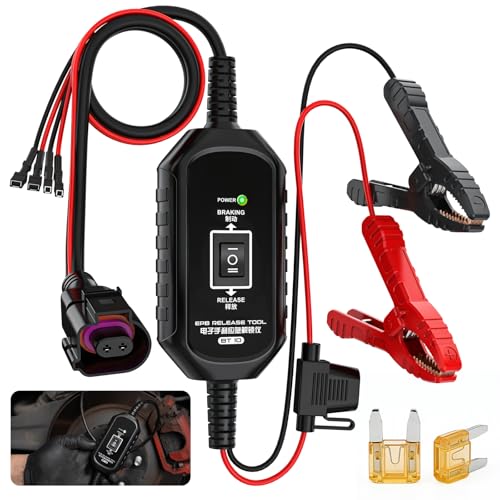 |
EPB Emergency Release Tool for Electronic Parking BrakeBELEY | Upgrade pick | Dual-channel EPB emergency release and reset tool | $29.99
Price as of 8 Oct 2026
|
View |
 |
JUTA OBD2 to OBD1 Adapter Compatible with GM and DaewooJUTA | Also great | OBD2 to OBD1 12-pin to 16-pin adapter | $9.99
Price as of 8 Oct 2026
|
View |
| Symptom type | Vehicle age / system type | Likely fix path | Buy reset tool? | Next step |
|---|---|---|---|---|
| Wrong temp after battery disconnect | Late-model automatic dual-zone | Scanner-based relearn | Yes | Run HVAC calibration, then clear codes and verify live data |
| No heat or no cold, no clicking, started after module swap | Late-model automatic system | Simple reset or relearn | Yes | Follow factory procedure or scan-tool service reset |
| Clicking behind dash, temp stuck at one end | Any automatic climate system | Part replacement likely | No | Test actuator sweep; replace if it fails or binds |
| One zone works, the other blows wrong temperature | Dual-zone automatic system | Relearn first, then replacement if needed | Maybe | Scan HVAC codes and run actuator tests before buying parts |
| Blower dead or intermittent, no temp change at all | Any system | Shop diagnosis or electrical test | No | Check power, ground, fuses, relays, and module communication |
| Older manual HVAC with cable controls | Older vehicle, manual system | Mechanical inspection | No | Inspect cables, blend doors, and vacuum controls if equipped |
| HVAC code returns immediately after clear | Any vehicle | Hard fault or wiring issue | No | Diagnose sensor, actuator, connector, or module fault |
Alternatives: scanner, manual reset, or shop diagnostic
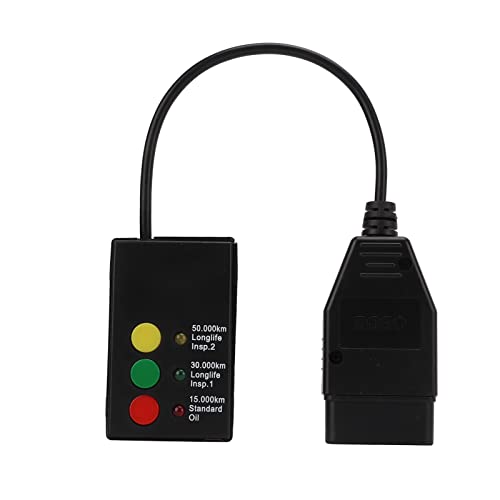
WEYI’s OBD2 SI Reset Tool is aimed at basic service resets, so based on the spec sheet and owner feedback it is only a partial answer for HVAC problems. It may help a DIYer who also wants a simple plug-and-play service tool, but the drawback is obvious: it is not an HVAC-capable scanner and does not solve module-specific climate relearns on its own.
JUTA’s OBD2 to OBD1 adapter is for older GM and Daewoo OBDI 12-pin vehicles, which makes it relevant only if the car is old enough to need that connector. It can help a modern scanner talk to an older port, but the drawback is that an adapter is not a reset tool and does nothing without a compatible scanner behind it.
BELEY’s EPB emergency release tool belongs to a different system entirely. It is useful for electronic parking brake release and reset, not HVAC work, so it should not be bought for climate control faults. The honest drawback is simple: the name sounds service-oriented, but it does not address blend doors, HVAC modules, or climate calibration.
When a factory procedure is enough
If the service manual calls for a key-cycle relearn, battery disconnect, or ignition sequence, follow that first. There is no reason to buy extra hardware if the factory procedure already resets the module. That is common on simpler jobs after power loss.
When to buy a scanner instead of a dedicated reset tool
If the vehicle needs HVAC code access, actuator sweeps, or module communication checks, a scanner with body and climate functions is more useful than a dedicated reset device. It costs more than a bare reader, but it earns that money by diagnosing the fault instead of only wiping the symptom.
When one shop visit is cheaper and faster
If the vehicle is older, the symptom is noisy, or the system shows hard HVAC codes, a shop diagnostic can be the cheaper move. One visit may cost less than buying the wrong tool and still leaves you with a confirmed fault path. That matters when dash removal or calibration time is involved.
Should you buy it for your car?
Buy a climate control reset tool if your vehicle supports HVAC relearn functions, your symptom appeared after power loss or module work, and the service information confirms a calibration procedure. Do not buy one for a dead actuator, sensor fault, or wiring problem. In those cases, diagnosis or replacement is the real fix.
Simple cost comparison
A reset-capable scanner may be the better buy if you expect to service more than one HVAC issue, or if your car stores body-module codes that a cheap reader cannot see. If you only need one diagnosis, one shop visit is often cheaper than buying a device you may never use again.
Final recommendation by vehicle and fault type
For newer automatic dual-zone systems with relearn support, the tool is worth it when the symptom points to lost calibration. For older manual systems, or any symptom with clicking, dead output, or immediate code return, skip the reset tool and diagnose the part, wiring, or module first.
Frequently asked questions
What does a climate control reset tool actually do?
It clears or triggers HVAC relearn, calibration, and sometimes fault-code functions on supported vehicles. The tool can help the HVAC control module relearn actuator positions after battery loss, module replacement, or actuator service. It does not repair failed motors, sensors, or wiring.
Is a climate control reset tool worth buying for my car?
It is worth buying only if your vehicle’s factory procedures or scan-tool menus support HVAC relearn, and your symptom began after power loss or module work. If the problem is a dead actuator, broken sensor, or bad wiring, the tool will not solve it.
Will a reset tool fix a stuck blend door actuator?
Only when the actuator is healthy but out of calibration. If the door clicks, binds, or fails sweep tests, replacement is usually required. A reset can help a lost adaptation, but it cannot rebuild stripped gears or unjam a seized door shaft.
Can an OBD2 scanner reset climate control faults instead?
Yes, if it has body or HVAC functions. Better scanners can read manufacturer-specific HVAC codes, run actuator tests, and start relearn routines. A basic code reader usually cannot reach those menus, so it may miss the fault entirely.
Do I need a reset tool after replacing an HVAC control module?
Often yes, especially on automatic climate systems that store actuator positions and adaptation data. After a module swap, the system may need a relearn or initialization so the new module can talk to the blend doors and sensors correctly. Check factory service information first.
How much does a shop HVAC diagnostic cost versus buying a reset tool?
One shop diagnosis may cost less than a decent scanner and often less than a bad parts guess. If the fault is simple, a reset tool may pay off quickly; if the problem is hardware, a shop visit can be the cheaper path because it confirms the failure before you buy parts.
Products related to this article
Sponsored / affiliate links. As an Amazon Associate I earn from qualifying purchases. I may earn additional commission from eligible campaigns.