What is a Police Report Car Accident: Essential Insights
Have you ever found yourself in the unsettling situation of a car accident? It’s a moment that can leave anyone feeling overwhelmed and unsure of what steps to take next.
One crucial document in such scenarios is the police report. But what exactly is a police report for a car accident, and why is it so important for you? Imagine having a clear, authoritative record of what happened during the incident—something that can help protect your rights and interests.
A police report is more than just paperwork; it’s your ally in understanding the details of the accident, supporting your insurance claims, and even providing essential evidence if legal action is necessary. Stick with us as we unravel the essentials of a police report for a car accident, empowering you with the knowledge you need to navigate this challenging situation with confidence.
Police Report Importance
A police report is a key document after a car accident. It tells what happened. Accurate facts are important. Police gather these facts at the scene. They note the time, place, and people involved. They also record witness statements. This helps to clear any doubts later. Insurance companies often ask for this report. It helps them decide who pays for damages. Lawyers use it too. They find it useful for any legal actions. This report can protect your rights. It is a trusted source of information. Getting a police report is a smart step after an accident.
Components Of A Police Report
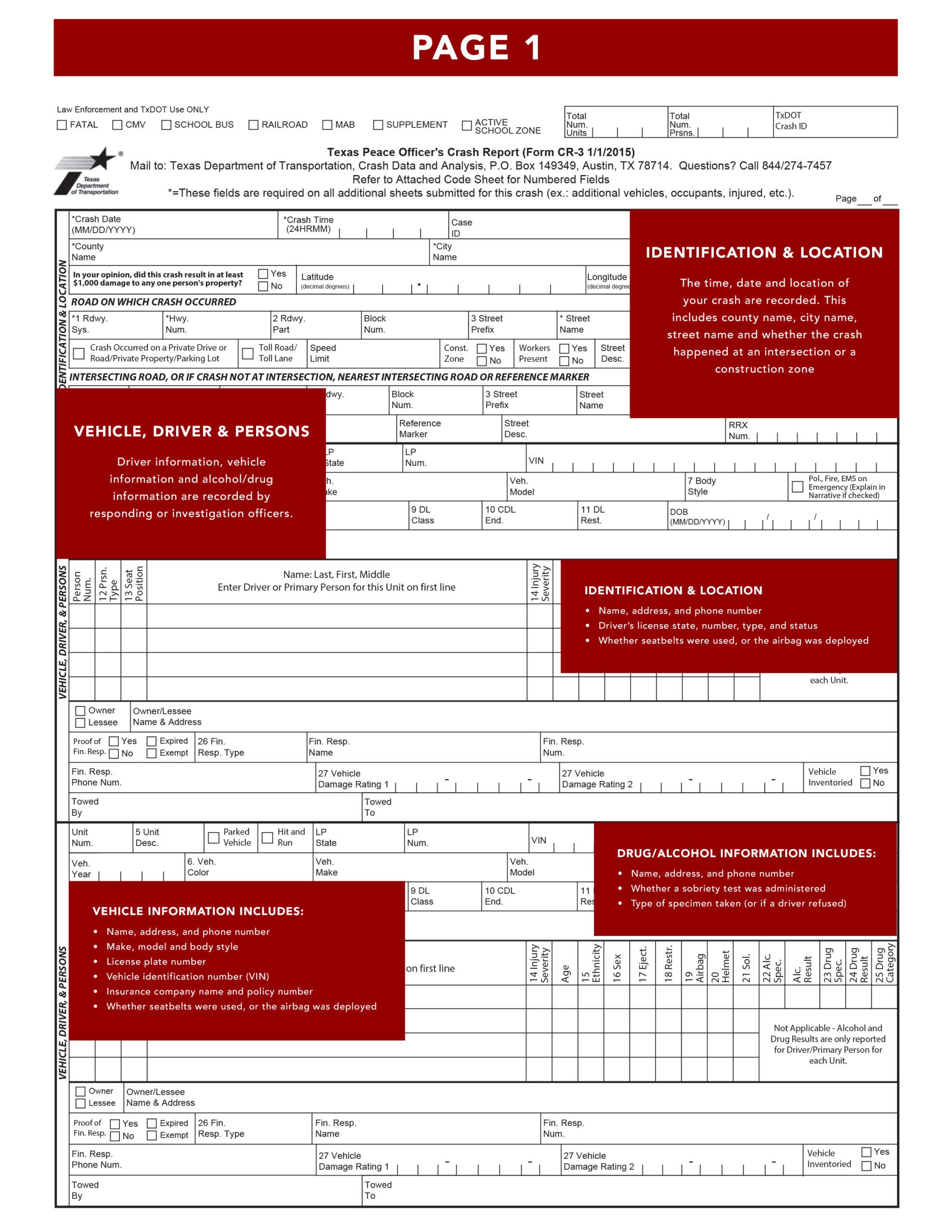
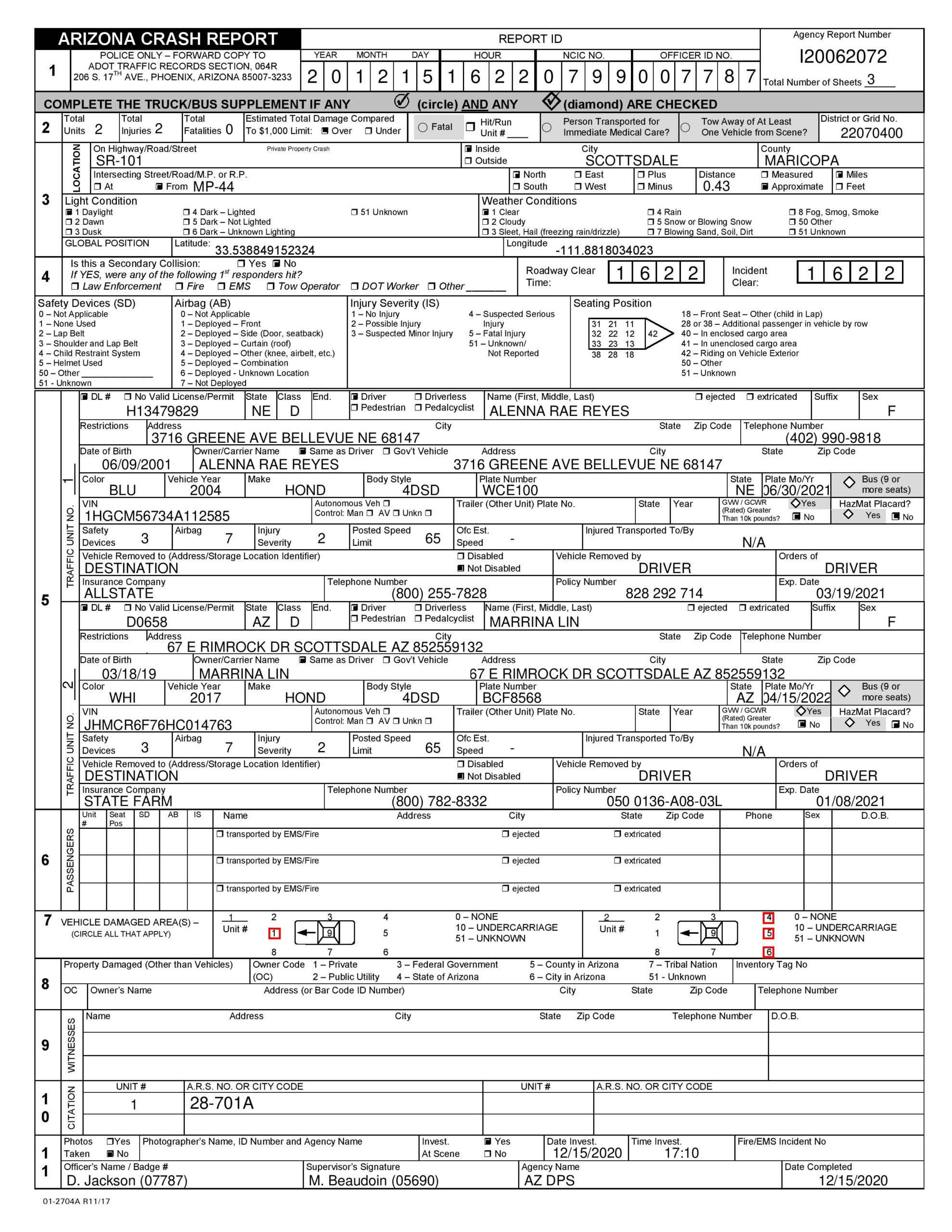
The report shows how the accident happened. It lists the date, time, and place. It tells about the weather and road conditions too. This helps understand why the accident occurred.
Names of drivers and passengers are listed. Their addresses and contact numbers are included. The report also notes vehicle details like make and model.
Witnesses tell what they saw. Their accounts are very important. This helps the officer know what happened. It makes the report more complete.
The officer writes what they see at the scene. They note damage to cars and other things. They might also draw diagrams to show the accident scene.
How To Obtain A Police Report
Visit the local police department. Ask for the police report. They may need your name and accident details. Sometimes, a small fee is required. Be polite and patient. They help many people each day.
Some police departments offer online reports. Visit their official website. Look for the “accident report” section. Fill out the required forms. Pay the fee if needed. Reports may be sent via email. This is often faster and easier.
Bring the accident date and location. Your driver’s license is important. Sometimes, an insurance number is needed. They may ask for a case number. Check all details before submitting your request. This ensures you get the correct report.
Role In Insurance Claims
A police report helps verify facts about the car accident. It shows who was involved and what happened. This report includes witness statements and damage details. Insurance companies rely on these facts. The details help them decide what to do next.
The report offers supporting evidence for insurance claims. It contains photos and written notes by officers. The report can prove what caused the accident. It helps settle disagreements between drivers. The report makes claims stronger with solid evidence.
Claims process faster with a police report. It gives clear information to insurance staff. They use the report to assess damages and liability. Without it, claims may delay or complicate. The report helps speed up the decision-making.
Legal Implications
A police reportis very important in court. It shows what happened. Judges and lawyers often use it. They trust the detailsin the report. It can help decide who is right or wrong.
This report helps to find out who caused the accident. It includes statements from people involved. Witnesses also give their views. This information is vital for liability determination.
Sometimes, the report might not be clear. People can have different stories. Mistakes can happen too. These are challengesin using the report. Lawyers must be careful when they read it.
Credit: www.scottsdaleinjurylawyers.com
Common Mistakes In Reports
Important details often get left out. This can cause problems later. Names, dates, and places are key. Always check that all necessary information is included. Missing facts might confuse the case. Double-check before sending.
Sometimes, facts in reports are wrong. Wrong details can change a case. Accurate information is very important. Always verify each fact. Small errors can make big issues. Correcting them takes more time.
Filing late can cause trouble. Reports should be filed quickly. Timely reports help in solving cases. Waiting too long can lose important evidence. Quick action is best. It keeps the process smooth.
Steps After Receiving A Report
Check the detailsin the report. Verify names, dates, and locations. Look for any missing information. Ensure the car damage is listed. Confirm witness statements are included. Highlight any errorsyou find. Make notes of these issues.
Reach out to a lawyerfor help. They guide you on next steps. Discuss the report with them. Share any errors you found. Ask for their adviceon corrections. Legal aid ensures your rights are protected. They help with any legal actions needed.
Contact your insurance company. Share the police report with them. Discuss the accident details. Confirm coverage for repairs. Ask about claims process. Provide all necessary documents. Keep communication records. Ensure all steps are clear.

Credit: www.marksalomone.com
Frequently Asked Questions
What Does A Police Accident Report Show?
A police accident report details the incident’s date, time, and location. It includes involved parties, witness statements, vehicle damages, and injuries. Officer observations and any citations issued are also documented. This report is crucial for insurance claims and legal proceedings.
What’s The Difference Between An Incident Report And A Police Report?
An incident report details events at a location, while a police report records information about a legal investigation. Incident reports are typically internal, whereas police reports are official and public. Both serve different purposes and audiences in documenting events.
What Do Police Do After A Car Accident?
Police assess the accident scene, gather evidence, and document details. They interview witnesses and drivers involved. Officers create an official report and may issue citations. They ensure traffic safety, manage roadblocks, and call emergency services if needed.
Does A Police Report Automatically Go To Insurance?
Police reports don’t automatically go to insurance companies. You must typically provide the report yourself. Contact your insurer to confirm their process. Always keep a copy for your records. It’s crucial for accurate claim processing and to support your case.
Conclusion
Police report car accidents are crucial for legal clarity. They document vital details. Officers collect evidence and witness statements. These reports help insurance claims. They also assist legal processes. Accurate reports protect your rights. They ensure fair compensation. Always report accidents immediately.
It supports your case. It provides a reliable account. Stay informed about the process. Knowing what a police report entails is important. It prepares you for unexpected events. It simplifies complex situations. Understanding these reports empowers you. It gives peace of mind during distressing times.