What Is a Running Board on a Car? Explained!
What is a running board on a car? If you’ve ever seen a vehicle with a step extending from the chassis to make getting in and out easier, you’ve likely encountered a running board. These automotive accessories serve a practical purpose, particularly on larger vehicles like SUVs, trucks, and vans, but they also contribute to a vehicle’s overall aesthetic.
This post will break down exactly what running boards are, their primary functions, the different types available, and why you might consider adding them to your vehicle.
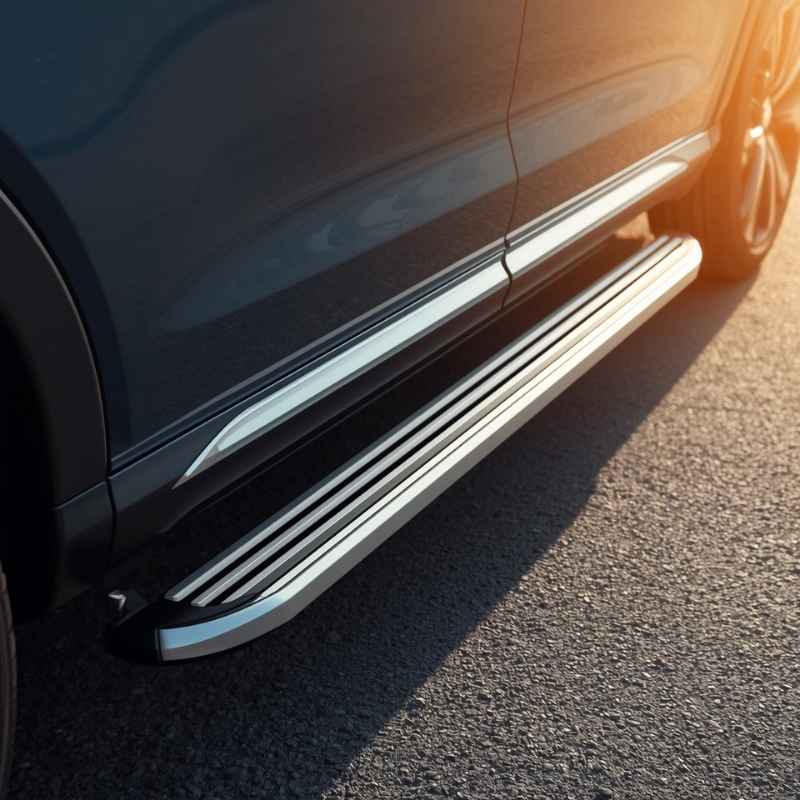
Simply put, a running board is an automotive accessory that extends from the side of a vehicle, typically below the doors, providing an extra step to assist with entry and exit. They are common on larger vehicles and enhance both accessibility and appearance.
Key Takeaways
- What is a running board on a car: A step accessory mounted below the doors of a vehicle to aid in getting in and out.
- Primary function is enhanced accessibility, especially for taller vehicles.
- Running boards come in various styles, materials, and designs to suit different vehicle types and preferences.
- They can also offer protection against road debris and minor impacts.
- Choosing the right running board involves considering vehicle type, material, design, and installation method.
What is a Running Board and Why Do Vehicles Have Them?
At its core, a running board is a step, typically made of metal or plastic, that attaches to the frame or chassis of a vehicle. They are positioned just below the vehicle’s doors, running along the length of the passenger cabin. Their primary role is to bridge the gap between the ground and the vehicle’s floor, making it significantly easier for occupants to step up into the vehicle and step down when exiting.
This is especially true for larger vehicles such as trucks, SUVs, and minivans, which have a higher ground clearance than standard cars.
Beyond their functional benefit, running boards can also contribute to the overall look of a vehicle. They can add a rugged, off-road appeal or a sleek, finished appearance, depending on their design and material. For some, they are a purely aesthetic choice, complementing the vehicle’s body style.
Others see them as an essential utility, particularly for families with children, elderly individuals, or anyone who struggles with the height of larger vehicles.
The term “running board” itself harks back to older vehicle designs where a flat board ran along the side, but modern interpretations are more sophisticated and purpose-built for specific vehicle models. They are designed to be sturdy, able to support the weight of multiple people, and integrated seamlessly into the vehicle’s structure to maintain safety and an attractive profile.
- Provides an easier step for entering and exiting taller vehicles.
- Improves accessibility for children, seniors, and those with mobility issues.
- Enhances the vehicle’s aesthetic appeal, offering various style options.
- Can offer a degree of protection from road debris and minor side impacts.
- Increases the perceived value and functionality of larger vehicles.
- Supports occupants’ weight safely and securely when stepping in or out.
Types of Running Boards Available
The world of running boards is diverse, offering a range of styles, materials, and functionalities to suit almost any vehicle and owner preference. Understanding these options is key to choosing the best fit for your needs. The most common types include traditional running boards, nerf bars, and retractable or power running boards.
Traditional running boards are often flat, solid platforms that run the full length of the doors. They can be made from materials like aluminum, steel, or durable plastic. Their wide surface area offers a substantial stepping area, and they often have a non-slip texture for added safety.
These are a popular choice for their straightforward design and ample stepping space.
Nerf bars, also known as side steps or bars, are a more tubular design. They typically consist of one or more individual steps or a continuous bar with molded footpads. While they might offer a slightly smaller stepping area than a full running board, they are often more compact and can provide a sportier look.
They are usually made from steel or aluminum and are known for their robustness.
A more advanced option is retractable or power running boards. These are typically mounted to the vehicle’s chassis and automatically extend downwards when a door is opened, retracting flush against the vehicle when the door is closed. This technology offers the best of both worlds: the convenience of a step when needed and a clean, aerodynamic profile when not.
They are powered by electric motors and are a premium option for those seeking advanced functionality and a sleek appearance.
| Running Board Type | Description | Pros | Cons |
|---|---|---|---|
| Traditional Running Boards | Full-length, flat platforms. | Large stepping area, good stability, classic look. | Can add bulk, may reduce ground clearance slightly. |
| Nerf Bars (Side Steps) | Tubular bars, often with individual steps. | Sportier look, generally more compact, robust. | Smaller stepping area, can be less stable for some users. |
| Retractable/Power Running Boards | Automatically extend and retract. | Ultimate convenience, sleek appearance when retracted, very accessible. | Highest cost, requires electrical connection, potential for mechanical issues. |
Each type offers a unique blend of form and function, making the choice dependent on individual needs and aesthetic preferences.
Materials and Construction of Running Boards
The materials used in running boards significantly impact their durability, appearance, and price. Common materials include aluminum, steel, stainless steel, and plastic composites. Each has its own set of advantages and disadvantages, influencing how well a running board performs and lasts over time.
Aluminum is a popular choice due to its lightweight nature and resistance to corrosion. It’s strong enough to support significant weight, making it a practical option for many vehicles. Aluminum running boards can be finished in various ways, from polished chrome to matte black, offering versatility in aesthetics.
They are generally more affordable than steel options.
Steel, particularly stainless steel, offers superior strength and durability. Stainless steel is highly resistant to rust and corrosion, making it ideal for vehicles in harsh climates or those used for off-roading. Steel running boards often have a more robust appearance and can be coated with powder for added protection and a specific look.
They tend to be heavier and more expensive than aluminum.
Plastic or composite running boards are typically the most budget-friendly option. They are lightweight and can be molded into various shapes and designs. While they might not offer the same level of ruggedness or load-bearing capacity as metal options, they are effective for their primary purpose of providing a stepping surface and can be a good choice for lighter-duty use or for those prioritizing cost savings.
Many high-quality plastic boards are engineered for significant load capacity and weather resistance.
- Aluminum: Lightweight, corrosion-resistant, good strength-to-weight ratio, versatile finishes.
- Steel: Very strong, durable, excellent load capacity, can be heavy.
- Stainless Steel: Highly corrosion-resistant, retains shine, robust, premium appearance.
- Plastic/Composite: Most affordable, lightweight, moldable into various designs, good for lighter use.
- Powder Coating: Often applied to steel and aluminum for enhanced durability and specific color/texture finishes.
- Non-Slip Surfaces: Most running boards feature textured pads or patterns to ensure a secure grip, even when wet.
Warning: Ensure any running board you choose is rated to support the weight of the intended users. Overloading can lead to damage or failure, posing a safety risk. Check the manufacturer’s specifications carefully.
Installation of Running Boards: DIY vs. Professional
When it comes to installing running boards, vehicle owners have two primary paths: a do-it-yourself (DIY) approach or professional installation. The best choice often depends on your mechanical aptitude, the complexity of the running board system, and the tools you have available.
DIY installation can be a rewarding and cost-saving option. Many running board kits are designed for straightforward bolt-on installation, utilizing existing mounting points on the vehicle’s frame or chassis. These kits usually come with detailed instructions and all the necessary hardware.
For individuals with basic mechanical knowledge and common tools like wrenches and sockets, this can be a manageable project. It’s crucial to follow the instructions precisely to ensure a secure and safe fit.
On the other hand, professional installation offers convenience and peace of mind. Auto shops, dealerships, or specialized accessory installers have the expertise and equipment to ensure running boards are fitted correctly and securely. This is particularly recommended for more complex systems like power running boards, which require electrical connections.
Professional installation guarantees that the accessory is mounted to meet safety standards and that any potential warranty issues are addressed by experienced technicians.
- Assess Vehicle Mount Points: Check if your vehicle has pre-drilled holes or factory mounting brackets for running boards.
- Gather Tools: Ensure you have the necessary wrenches, sockets, torque wrench, and possibly a drill if modifications are needed.
- Read Instructions: Carefully review the manufacturer’s installation manual before starting.
- Attach Brackets: Securely bolt the mounting brackets to the vehicle’s frame.
- Mount Running Boards: Attach the running boards to the installed brackets.
- Tighten Hardware: Use a torque wrench to tighten all bolts to the manufacturer’s specifications.
- Test Stability: Apply weight to the running boards to confirm they are secure and stable.
The cost of professional installation can vary depending on the complexity of the running boards and your location, but it generally ranges from $100 to $400. For power running boards, this cost can be higher due to the electrical work involved.
Benefits Beyond Easy Entry
While enhancing accessibility is the primary benefit of running boards, they offer several other advantages that contribute to a vehicle’s overall utility and protection. These secondary benefits can make them a valuable addition for a wide range of vehicle owners.
One significant advantage is the added protection they provide to the vehicle’s lower body panels. Running boards can act as a shield against minor impacts from road debris like rocks, gravel, and mud. They can also offer a buffer against light scrapes from parking lot obstacles or low curbs, helping to prevent damage to the rocker panels and doors.
For vehicles that are frequently used in off-road conditions or in areas with rough terrain, running boards can also prevent more serious damage. They can absorb some of the impact from hitting obstacles like logs or rocks, protecting the vehicle’s undercarriage. This protective function can save owners from costly repairs and extend the life of their vehicle’s bodywork.
Furthermore, running boards can contribute to the vehicle’s aerodynamic profile, especially some of the more streamlined designs. While this effect is often minimal, it can play a small role in fuel efficiency. They also provide a convenient place to wipe your feet or place muddy boots before stepping into the cabin, helping to keep the interior cleaner.
This is a small but appreciated perk for many owners who use their vehicles for outdoor activities.
- Protection from Debris: Acts as a barrier against kicked-up stones, mud, and road salt.
- Minor Impact Absorption: Can deflect minor scrapes from curbs, parking lot bumps, or low obstacles.
- Off-Road Defense: Helps protect the lower body and rocker panels from larger trail obstacles.
- Cleaner Interior: Provides a surface to remove dirt and debris from shoes before entering the vehicle.
- Enhanced Aesthetics: Many designs complement the vehicle’s styling, giving it a more finished or rugged look.
- Resale Value: Can potentially increase a vehicle’s appeal and resale value for buyers seeking these features.
Considerations When Choosing Running Boards
Selecting the right running boards involves more than just picking a style you like. Several factors should be considered to ensure you get a product that is functional, durable, and a perfect match for your vehicle and lifestyle. These considerations include vehicle compatibility, material, design, and budget.
First and foremost, compatibility is critical. Running boards are often vehicle-specific. They are designed to fit the exact make, model, year, and sometimes even the trim level of a vehicle.
Using running boards not designed for your specific vehicle can lead to improper fit, weak mounting, and potential safety hazards. Always verify that the running boards you’re considering are listed as compatible with your car.
Material choice, as discussed, impacts durability, weight, and appearance. Think about your climate and how you use your vehicle. If you live in an area with heavy salt exposure in winter, a rust-resistant material like stainless steel or high-quality aluminum is essential.
If weight is a concern, aluminum or composite boards are better choices.
The design and style should also align with your aesthetic preferences and functional needs. Do you prefer a wide, flat step or a more minimalist tubular design? Do you need maximum stepping surface area for frequent use by multiple passengers, or is a sleeker, less obtrusive look more important?
Power running boards offer ultimate convenience but come at a higher price point.
Finally, consider your budget. Running boards range from a few hundred dollars for basic plastic or aluminum models to over a thousand dollars for high-end power boards. Factor in potential installation costs if you’re not doing it yourself.
Balancing features, quality, and price will help you make the most informed decision.
| Factor | Consideration Points | Impact on Choice |
|---|---|---|
| Vehicle Compatibility | Make, model, year, trim level. | Ensures proper fit, secure mounting, and safety. |
| Material | Aluminum, steel, stainless steel, plastic. | Affects durability, weight, corrosion resistance, price, and appearance. |
| Design & Style | Full-length, tubular, power, textured finish. | Determines stepping area, aesthetic appeal, and operational convenience. |
| Budget | Price range of boards and installation. | Dictates the quality, features, and type of running boards you can afford. |
| Load Capacity | Weight limit specified by the manufacturer. | Crucial for ensuring safety and preventing damage. |
By carefully weighing these factors, you can select running boards that not only look great but also serve their intended purpose effectively and safely.

Frequently Asked Questions
What is the primary purpose of a running board?
The primary purpose of a running board is to provide an easier and safer step for individuals entering and exiting vehicles, particularly those with higher ground clearance like SUVs and trucks. They bridge the gap between the ground and the vehicle’s doors.
Are running boards necessary for all vehicles?
No, running boards are not necessary for all vehicles. They are most beneficial for taller vehicles where the step up is significant. Smaller cars or vehicles with a low ground clearance typically do not require them.
Can running boards be damaged by off-roading?
Yes, running boards can be damaged during off-roading if they encounter large rocks, logs, or rough terrain. While some designs offer protection, extreme conditions can still cause them to bend, break, or detach.
How do power running boards work?
Power running boards are typically connected to the vehicle’s electrical system. They use sensors or a connection to the door mechanism to automatically extend downwards when a door is opened and retract flush against the vehicle when the door is closed, operated by small electric motors.
Do running boards affect vehicle performance or fuel economy?
Running boards can have a minimal impact on vehicle performance and fuel economy. They add a small amount of weight, which can slightly affect acceleration and fuel consumption. Some aerodynamic designs may help reduce drag, but the overall effect is generally negligible for most daily driving scenarios.
Final Thoughts
Understanding what a running board is reveals its significance as a practical accessory for many vehicle owners. Beyond making entry and exit more accessible, they add a layer of protection and can enhance a vehicle’s visual appeal. Other design terms describe how a door itself is hinged — suicide doors, for instance, are rear-hinged doors that swing open in the opposite direction of a standard door. With various types, materials, and designs available, selecting the right running boards ensures both enhanced functionality and a personalized look for your car.
Products related to this article
Sponsored / affiliate links. As an Amazon Associate I earn from qualifying purchases. I may earn additional commission from eligible campaigns.