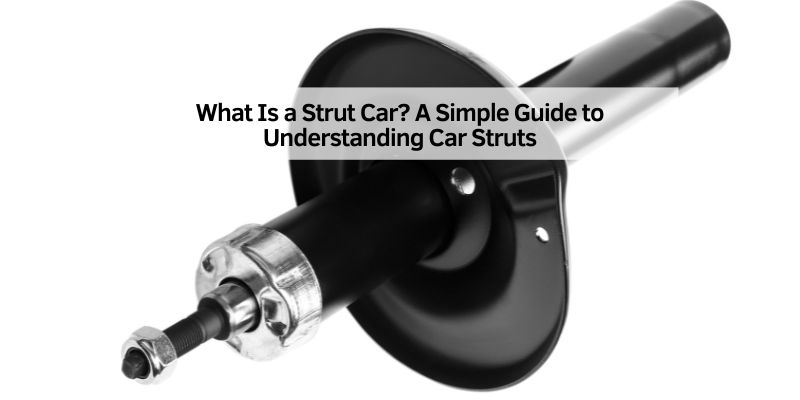
What Is a Strut Car? A Simple Guide to Understanding Car Struts
Hey there! If you’ve ever wondered, “What is a strut car?” you’re not alone. I get this question a lot from friends who hear mechanics toss around terms like strut or suspension and feel lost. Simply put, a “strut car” isn’t a specific type of car—it’s a vehicle that uses struts as part of its suspension system to keep your ride smooth and stable. Let me break it down for you in a way that’s easy to follow, based on my own dives into this topic over the years.
How I Got Curious About Car Struts
A few years back, I was driving my old sedan when I hit a pothole—hard. The car bounced like it was on a trampoline, and I knew something was off. At the shop, the mechanic pointed to the struts and said they were worn out. That’s when I started digging into what struts do and why they matter. I’ve spent hours under the hood, talking to mechanics, and even watching my car get repaired, so let me share what I’ve learned in a way that clicks.
What Exactly Is a Strut?
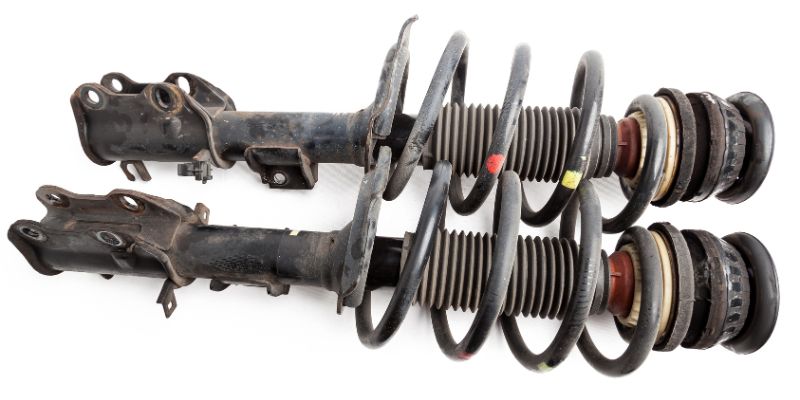
A strut is a key part of a car’s suspension system. Think of it as a hardworking component that absorbs bumps and keeps your car steady. It’s not just a shock absorber, though people often mix them up. A strut combines a shock absorber with a coil spring and other parts to support the car’s weight, control its movement, and make your drive comfortable.
Picture this: when you’re driving over a rough road, the strut takes the hit from those bumps so you don’t feel every jolt. It’s like the car’s knees, flexing and stabilizing as you roll along. Most modern cars, especially compact ones like sedans or hatchbacks, use struts because they’re efficient and save space.
Struts vs. Shock Absorbers: What’s the Difference?
I used to think struts and shock absorbers were the same, but they’re not. A shock absorber is just one piece of the puzzle—it dampens the bounce from road bumps. A strut, on the other hand, is a bigger deal. It’s a structural part of the suspension, combining the shock absorber, a coil spring, and other components like a mounting plate.
Here’s a simple way to think about it: all struts have a shock absorber inside, but not all shock absorbers are part of a strut. Cars with struts, like many Toyotas or Hondas, rely on them for both suspension and structural support. Other cars might use shock absorbers with separate springs.
To make it clearer, here’s a quick comparison:
| Component | Role | Structural Support? | Found In |
|---|---|---|---|
| Strut | Absorbs shocks, supports weight | Yes | Most modern cars (e.g., sedans) |
| Shock Absorber | Absorbs shocks only | No | Older or heavy-duty vehicles |
Why Do Cars Use Struts?
When I first learned about struts, I wondered why carmakers choose them over other setups. It comes down to efficiency. Struts are compact, combining multiple functions into one unit. They save space under the car, which is a big deal for smaller vehicles. They’re also cheaper to manufacture, which keeps car prices down.
Plus, struts make your ride smoother and safer. They help keep the tires glued to the road, improving handling when you’re cornering or braking. Without good struts, your car might feel like it’s floating or swaying, especially on curvy roads.
How Do Struts Work in Your Car?
Let’s get into the nitty-gritty. A strut is bolted to your car’s chassis and connects to the wheel assembly. Inside, the shock absorber dampens the up-and-down motion when you hit bumps. The coil spring supports the car’s weight and helps it bounce back to its normal position. Together, they make sure your car doesn’t jolt you around like a rollercoaster.
I remember watching a mechanic replace a strut on my car. He showed me how the spring compresses when the car hits a bump, and the shock absorber slows down that movement so it’s not jarring. It’s a team effort that keeps your tires in contact with the road and your ride comfortable.
Types of Struts You Might Find
Not all struts are the same. Over time, I’ve learned about a few common types you might come across:
- MacPherson Struts: These are the most popular, found in most compact cars. They’re simple, affordable, and combine the shock absorber and coil spring into one unit. My old Honda had these.
- Double Wishbone Struts: These are fancier, often used in performance cars. They offer better handling but are pricier.
- Adjustable Struts: Some cars, like sports models, have struts you can tweak for a stiffer or softer ride. I’ve seen these on modified cars at auto shows.
Each type suits different cars and driving styles, but MacPherson struts are the go-to for everyday vehicles.
Signs Your Struts Need Attention
One thing I’ve learned from my car troubles is that struts don’t last forever. Over time, they wear out, and you’ll notice signs. Here’s what to watch for:
- Bumpy Rides: If every pothole feels like a crater, your struts might be shot.
- Nose Diving: When you brake hard, does the front of your car dip sharply? That’s a strut issue.
- Tire Wear: Uneven tire wear can mean your struts aren’t keeping the tires aligned properly.
- Noises: Knocking or clunking sounds when you drive over bumps? Time to check those struts.
- Leaking Fluid: If you see oily residue near the strut, it’s likely failing.
I ignored these signs once, and my car handled like a boat in a storm. Don’t make my mistake—get them checked if you notice these issues.
How to Maintain Your Struts
Taking care of your struts can save you headaches. I’ve picked up a few tips from mechanics over the years:
- Drive Carefully: Avoid potholes and rough roads when you can. It’s not always possible, but it helps.
- Regular Inspections: Have your suspension checked during routine maintenance, like oil changes.
- Replace in Pairs: If one strut goes bad, replace both on the same axle for balanced handling.
- Quality Parts: Don’t skimp on cheap struts. Good brands like Monroe or KYB last longer.
I learned the hard way that neglecting struts can lead to bigger problems, like damaged tires or poor handling. A little care goes a long way.
How Much Does It Cost to Replace Struts?
When my struts needed replacing, I was nervous about the cost. It varies, but here’s what I found:
- Parts: A single strut assembly (including the coil spring) can cost $100-$300, depending on your car.
- Labor: Mechanics charge $200-$500 per axle, since it’s a labor-intensive job.
- Total: For a typical car, expect $400-$1,000 to replace both front or rear struts.
Pro tip: Shop around for quotes, and ask if the shop uses quality strut assemblies. It’s worth spending a bit more for durability.
Can You Drive Without Struts?
I’ve had friends ask me, “Can I just drive with bad struts?” My answer is a firm no. Worn struts make your car harder to control, especially in emergencies. Your tires might lose grip, and braking distances can get longer. Plus, it’s uncomfortable for you and your passengers.
Once,walker I drove with bad struts for a week, and it was miserable. The car swayed, and I felt every bump. Trust me, fix them as soon as you can.
Struts and Your Car’s Performance
Good struts do more than just smooth out bumps. They improve your car’s handling, making turns sharper and braking more reliable. When I got new struts on my sedan, it felt like a new car—steady, responsive, and way more fun to drive.
For performance cars, like a Mustang or a Subaru WRX, struts are even more critical. They keep the car planted during aggressive driving, which is why car enthusiasts obsess over suspension upgrades.
Common Myths About Struts
I’ve heard some wild misconceptions about struts over the years. Let’s clear up a few:
- Myth: “Struts and shocks are the same thing.” Nope, struts are structural; shocks aren’t.
- Myth: “You only need to replace one strut.” Always replace them in pairs for balance.
- Myth: “Struts don’t affect fuel economy.” Bad struts can misalign your wheels, making your car work harder and burn more gas.
Knowing the truth helps you make smart decisions at the repair shop.
Choosing the Right Struts for Your Car
When I had to replace my struts, I was overwhelmed by the options. Here’s what I learned:
- OEM vs. Aftermarket: Original Equipment Manufacturer (OEM) struts match your car’s specs but are pricier. Aftermarket ones, like Bilstein or Gabriel, can be just as good for less.
- Driving Style: If you drive aggressively or off-road, get heavy-duty struts. For daily commuting, standard ones work fine.
- Compatibility: Always check that the struts fit your car’s make and model.
Talk to your mechanic about what’s best for your driving habits.
Conclusion
After diving deep into the world of struts, I’ve come to appreciate how much they do for our cars. They’re not just some random part—they’re the unsung heroes of a smooth, safe ride. Whether you’re dodging potholes in the city or cruising down the highway, struts keep your car stable and comfortable. If you suspect yours are wearing out, don’t wait like I did. Get them checked, and you’ll feel the difference. Got questions? Check out the FAQs below, or drop a comment—I’d love to hear about your experiences!
FAQs About Car Struts
What’s the difference between a strut and a shock absorber?
A strut is a structural part of the suspension, combining a shock absorber, coil spring, and other components. A shock absorber only dampens bounces and isn’t structural.
How long do car struts last?
Most struts last 50,000 to 100,000 miles, but it depends on your driving conditions. Rough roads or heavy loads can wear them out faster.
Can I replace struts myself?
It’s possible if you’re handy with tools, but it’s tricky. Struts involve compressed springs, which can be dangerous. I recommend a professional unless you’re experienced.
How do I know if my struts are bad?
Look for signs like bumpy rides, nose-diving when braking, uneven tire wear, or clunking noises. If you notice these, get your struts checked.
Do all cars have struts?
Not all cars use struts. Some, like trucks or older models, use separate shock absorbers and springs. Most modern compact cars have struts, though.