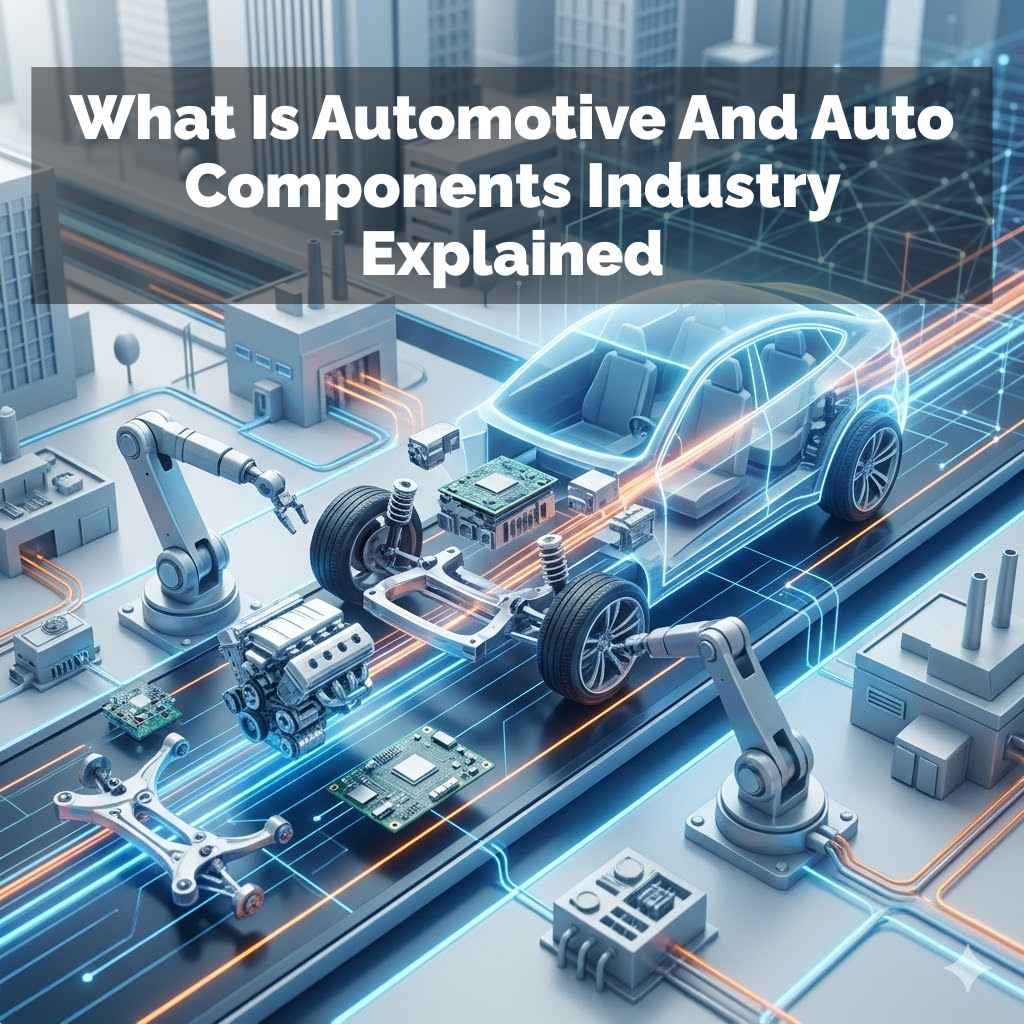
What Is Automotive And Auto Components Industry Explained
The automotive industry designs, manufactures, and sells motor vehicles. The auto components industry makes the parts that go into these vehicles. Together, they create everything from your car’s engine to its smallest bolt. It’s a huge global network. Many different companies work together. They ensure cars are safe, efficient, and reliable for everyone.
The Big What Is the Automotive Industry?
The automotive industry is about making vehicles. Think of cars, trucks, and buses. It’s a giant part of the world’s economy.
This industry does more than just build cars. It includes all the steps from idea to your driveway. This means research, design, and making the actual cars.
It also covers selling them and taking care of them afterward.
It all starts with an idea. Designers and engineers create new car models. They think about how cars will look and work.
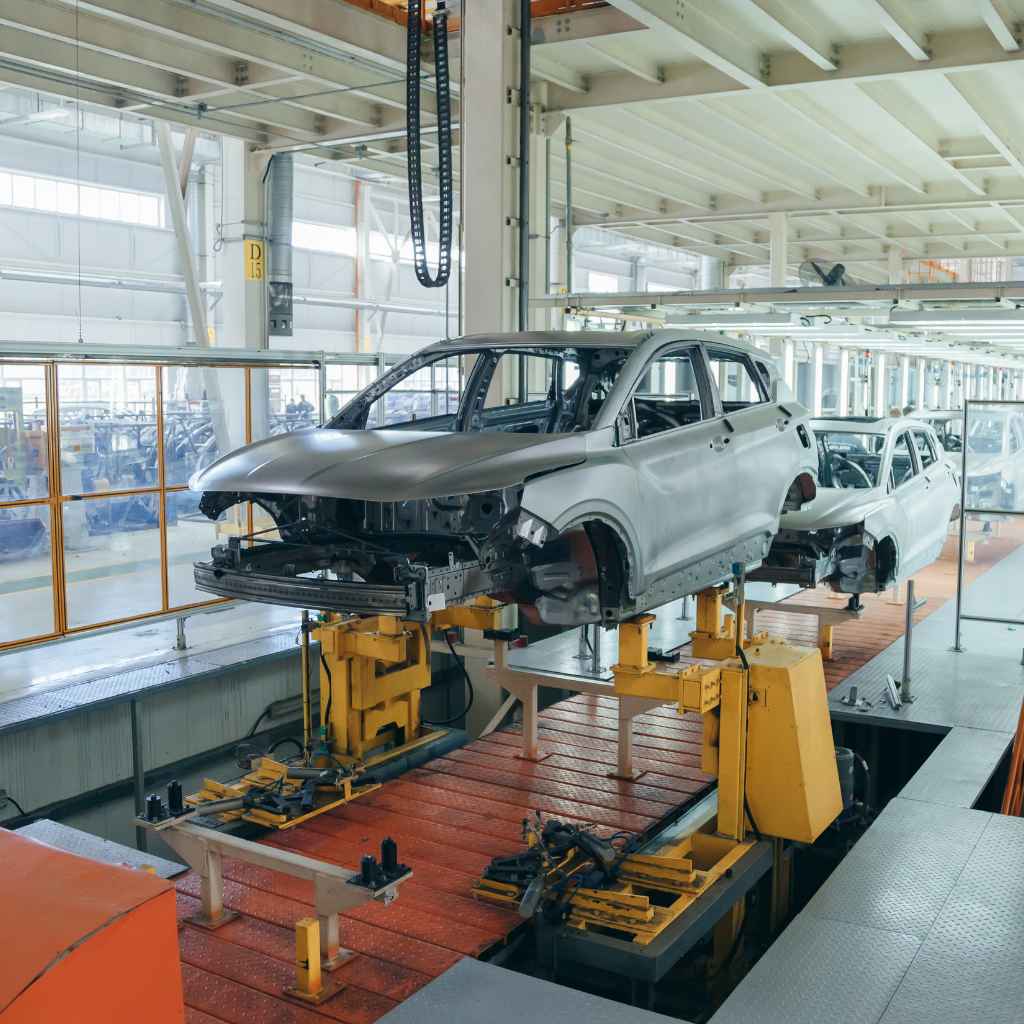
Then, factories build these cars. They use lots of different machines. Workers put many pieces together.
This process requires a lot of planning and skill. The goal is to make safe and efficient vehicles.
Selling cars is another big part. Dealerships show off the new models. People buy cars there.
After you buy a car, you might need repairs. The industry also provides services for car maintenance. This includes mechanics and spare parts.
It’s a cycle that keeps going.
Inside the Car: The Auto Components Industry
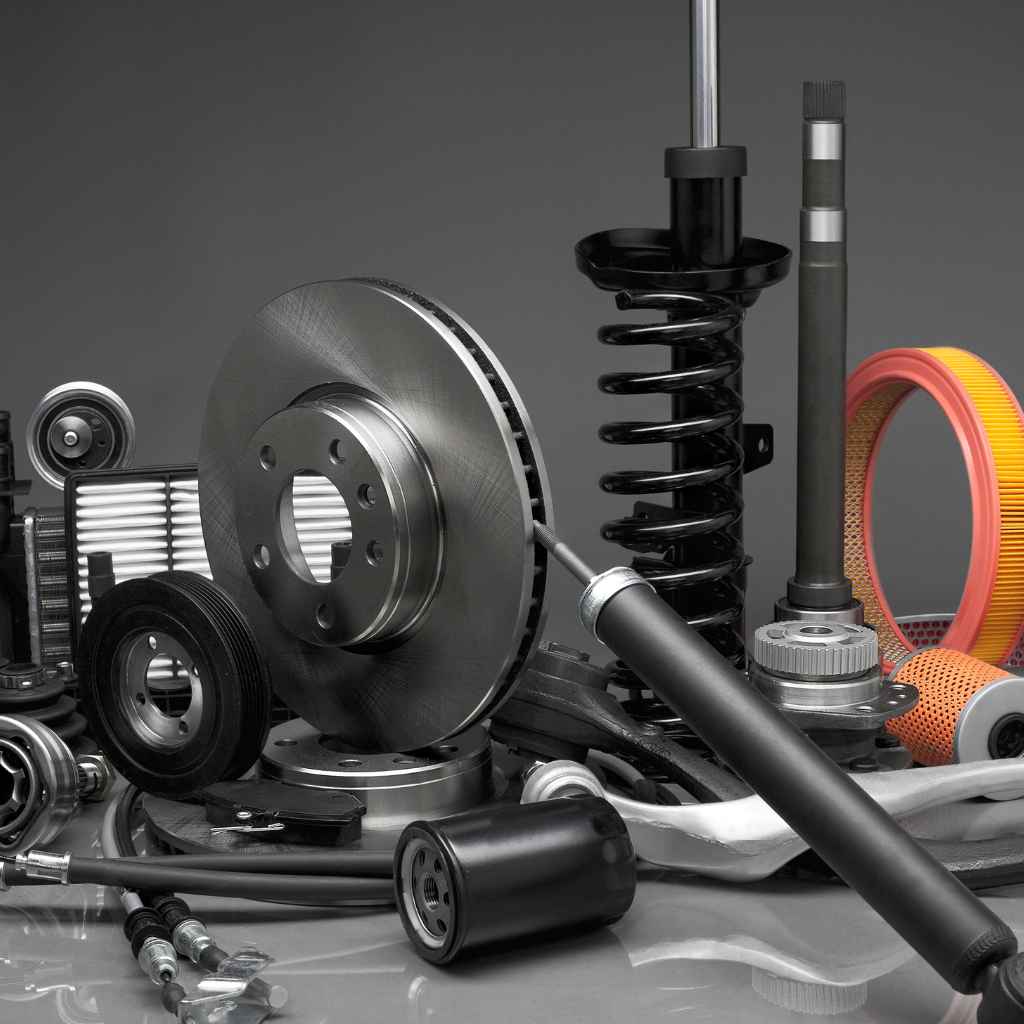
The auto components industry makes all the parts for vehicles. These are the nuts, bolts, engines, tires, and more. No car can be built without these parts.
This industry is just as important as the car makers themselves. It’s a huge network of suppliers.
Some companies make just one type of part. Others make many different parts. They supply these parts to the car factories.
These parts need to be very good quality. They must be strong and last a long time. Safety is key for all car parts.
A faulty part can cause big problems.
This industry is always changing. New technologies mean new kinds of parts. Think about electric cars.
They need different batteries and motors than gas cars. The components industry has to keep up. They must invent and make new parts for these new vehicles.
It’s a race to innovate and improve.
A Story From the Factory Floor
I remember visiting a car parts factory once. It was loud. Machines whirred and clanked everywhere.
I saw robots arm moving parts. Workers stood at stations checking things. One worker, Maria, showed me a small metal piece.
It looked simple. But she told me how critical it was.
This small part helped the brakes work. If it wasn’t made just right, the brakes could fail. She explained the strict checks they did.
They used special tools to measure it. She seemed so proud of her work. It made me realize how much goes into every single car part.
It wasn’t just metal; it was safety and trust.
It was a humbling experience. You see a car on the road. You don’t think about the thousands of tiny pieces.
Each piece has a story. Each piece was made with care. Maria’s dedication to that one small part stuck with me.
It showed the deep expertise in this field.
Key Stages in Vehicle Manufacturing
Design & Development: Ideas become blueprints. Engineers create models.
Component Sourcing: Parts are ordered from suppliers. Quality checks happen here.
Assembly Line: Cars are built step-by-step. Robots and people work together.
Quality Control: Cars are tested for defects. Safety is paramount.
Distribution: Cars are sent to dealerships for sale.
The Journey of a Car Part
Let’s trace a part’s path. Imagine a car’s steering wheel. The leather might come from a tannery.
The metal frame could be stamped by one company. The airbag inside is made by another. All these separate parts then go to a central assembly point.
This central point is often a car factory. The steering wheel is put into the car during assembly. This is where the auto components industry and the automotive industry really meet.
One makes the bits, the other puts them all together.
There are many levels of suppliers. The car maker might buy directly from a large company. That company might buy parts from smaller ones.
This chain ensures efficiency. But it also means every link must be strong. A problem at a small supplier can stop a whole car line.
Understanding Different Vehicle Types
The automotive industry isn’t just about sedans. It covers a wide range of vehicles. Cars are the most common.
But trucks are vital for moving goods. Buses are key for public transport. Vans are used for deliveries and work.
Specialized vehicles are also part of this. Think of construction equipment like excavators. Or farming machines like tractors.
Even ambulances and fire trucks are motor vehicles. The components needed can vary a lot. A tractor engine is very different from a sports car engine.
And now, we have electric vehicles (EVs). These are changing the industry fast. EVs use electric motors and large batteries.
They don’t have traditional gas engines. This means new types of components are needed. The auto components industry is working hard to supply these new parts.
Types of Vehicle Components
Powertrain: Engine, transmission, axles. These make the car move.
Chassis: Frame, suspension, steering, brakes. These support the car and control it.
Body: The outer shell, doors, windows, seats. This is what you see.
Electronics: Computers, sensors, infotainment systems. These control many car functions.
Interior: Dashboard, upholstery, climate control. These make the car comfortable.
The Role of Technology and Innovation
Technology drives the automotive industry forward. New materials make cars lighter and stronger. Advanced software makes cars smarter.
Think of self-driving features. These rely on complex sensors and AI.
The auto components sector must innovate constantly. They need to make parts that are more efficient. They need parts that are safer.
They also need parts that are cheaper to produce. This is a constant challenge and opportunity.
For example, think about emissions. Governments want cars to pollute less. The industry responds by developing cleaner engines.
They also make catalytic converters. These parts help clean the exhaust fumes. It’s a good example of how regulations push innovation.
What This Means for You: The Car Owner
Understanding this industry helps you as a car owner. You know that the parts in your car are made with care. You know that companies work hard to make them safe.
When you buy a new car, you’re buying from a complex system. The price you pay reflects all this work. The reliability you experience is thanks to the quality components.
When you need a repair, the mechanic uses parts from that same components industry.
This industry also impacts your wallet. Competition among car makers and parts suppliers can lead to better prices. New technologies, like electric cars, might seem expensive at first.
But as the components get cheaper, so do the cars.
When It’s Normal vs. Concerning: Component Behavior
Normal: Occasional small sounds when the car is cold. A slight change in engine noise when accelerating.
Concerning: Loud grinding sounds from brakes. A warning light on the dashboard. The car pulling to one side while driving.
Normal: The car’s air conditioning blows cool air. The infotainment system boots up quickly.
Concerning: AC blows warm air constantly. The screen freezes or restarts on its own.
Real-World Scenarios and Habits
Think about different driving habits. Someone who drives mostly in a city might use their brakes more. This means their brake pads might wear out faster.
A component like brake pads is crucial for safety.
Someone who drives long distances on highways might focus more on engine efficiency. The engine components need to be robust for constant use. The design of the car matters too.
An SUV might have different suspension parts than a small sports car. These parts are designed for specific uses.
What about the climate? Cars in very cold places need different battery technology. Batteries don’t perform as well in extreme cold.
In hot places, the cooling system for the engine is even more important. The components need to withstand these conditions. It’s all about matching the car and its parts to its environment.
Quick Tips for Car Care
Taking care of your car helps its components last longer. Follow the maintenance schedule in your owner’s manual. This often includes oil changes.
Fresh oil keeps the engine parts clean and lubricated.
Check your tire pressure regularly. Properly inflated tires help with fuel economy and wear. They also improve handling and safety.
Don’t ignore warning lights. A small issue with a sensor can be fixed easily. Left alone, it could damage more expensive parts.
When you need repairs, choose reputable shops. They will use quality parts. It’s better to pay a little more for good parts.
They will last longer and work better. This saves you money and worry in the long run.
Common Auto Components You Rely On
- Tires: For grip and traction.
- Brakes: To slow down and stop the vehicle safely.
- Engine Oil Filter: Keeps the engine oil clean.
- Spark Plugs: Ignite fuel in gasoline engines.
- Headlights & Taillights: For visibility and signaling.
- Windshield Wipers: To clear rain and debris.
Frequently Asked Questions About Auto Components
What is the most important part of a car?
It’s hard to pick just one! Many parts are critical for safety and function. The brakes, engine, and steering system are all vital.
Each component plays a role in making the car work safely.
How often should I replace my car’s tires?
Tire life varies. Most tires last about 3-5 years or 50,000 miles. Check your tire’s tread wear.
Also, look for any cracks or bulges. Replace them if they look worn or damaged.
What is the difference between OEM and aftermarket parts?
OEM (Original Equipment Manufacturer) parts are made by the car company or its approved suppliers. They are designed specifically for your car model. Aftermarket parts are made by other companies.
They can be cheaper but vary in quality.
Can a bad auto component affect fuel economy?
Yes, absolutely. Things like clogged air filters, worn spark plugs, or underinflated tires can make your engine work harder. This often leads to using more fuel.
What does “automotive grade” mean?
It means a product meets the high standards for durability and performance needed in cars. Automotive-grade components are built to withstand tough conditions like heat, cold, vibration, and constant use.
Why are car parts so expensive sometimes?
Car parts involve complex engineering, specialized materials, and rigorous testing for safety. The manufacturing process itself requires advanced technology and skilled labor. This all contributes to their cost.
Wrapping Up: The Automotive Ecosystem
The automotive and auto components industries are massive. They work hand-in-hand to create the vehicles we depend on. From the initial design sketch to the final bolt, countless people and processes are involved.
It’s a system built on precision, safety, and continuous innovation.
Understanding this complex world helps you appreciate your car more. It also helps you make better choices for its care. The next time you’re on the road, remember the incredible effort behind every single component.
Products related to this article
Sponsored / affiliate links. As an Amazon Associate I earn from qualifying purchases. I may earn additional commission from eligible campaigns.