What Does Automotive Repair Actually Mean? A Guide
Automotive repair generally means fixing a car after a fault, wear-item failure, collision damage, or a diagnostic trouble code, often by replacing, rebuilding, or adjusting parts. If you skip it or chase the wrong diagnosis, you can spend money on the wrong part and keep driving a safety problem. This guide separates repair from maintenance and shop service, then explains who does what, how estimates are built, and how to judge recommendations.
Defining Repair Versus Maintenance


Automotive repair is the work a shop does to restore a vehicle after something has failed, broken, worn out, or been damaged in a crash. It covers general repair, rebuilding, and reconditioning of motor vehicles, along with body work, engine rebuilding, and painting.
Repair is symptom-driven
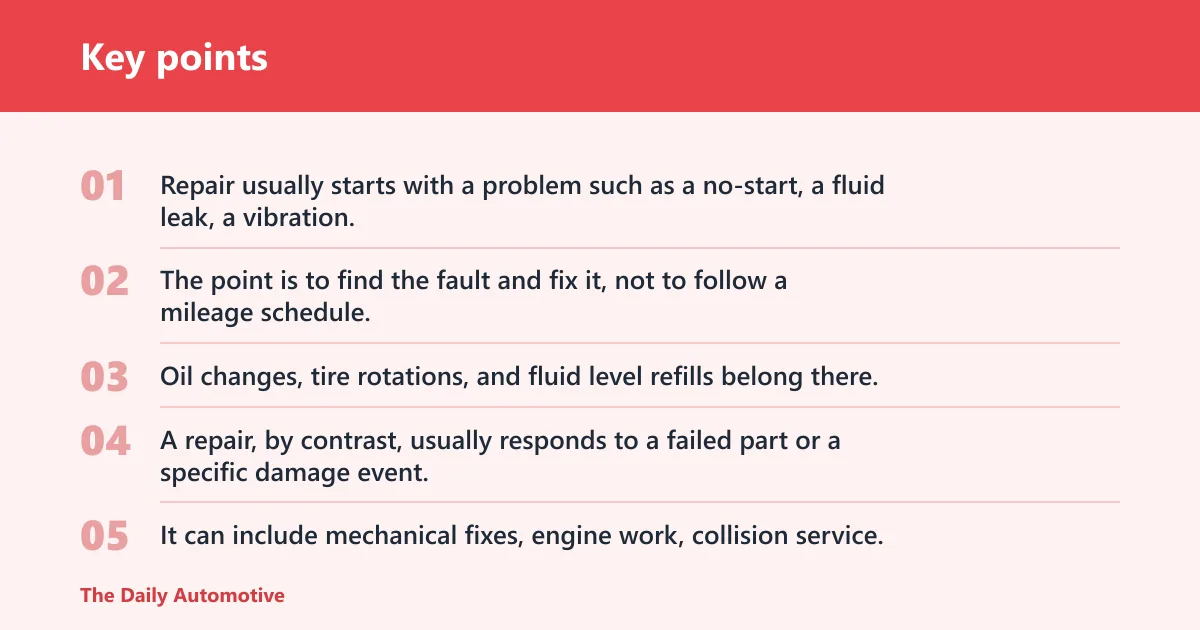
Repair usually starts with a problem such as a no-start, a fluid leak, a vibration, a warning light, a bent panel, or an unusual noise. The point is to find the fault and fix it, not to follow a mileage schedule.
Repair is different from routine maintenance
Routine maintenance is planned upkeep. Oil changes, tire rotations, and fluid level refills belong there. A repair, by contrast, usually responds to a failed part or a specific damage event.
What falls inside the term
The term is broad. It can include mechanical fixes, engine work, collision service, body/frame/fender straightening, and painting. In shop language, “repair” can also mean the whole job from diagnosis through pickup.
What counts as automotive repair work?
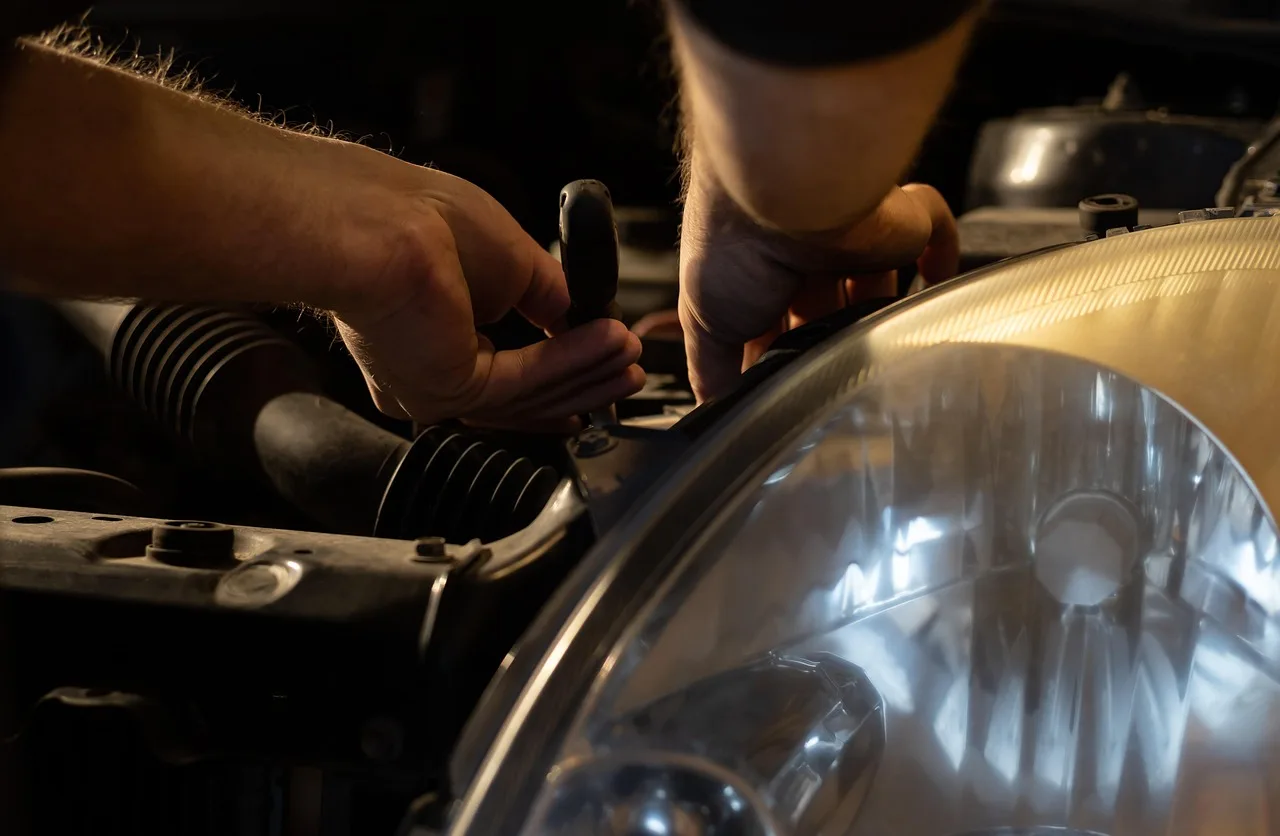
Automotive repair work includes the hands-on operations that correct a vehicle fault or damage. That can mean replacing a faulty part, rebuilding an engine, straightening body or frame damage, or repainting repaired panels after collision service.
General repair and part replacement
Many repairs are straightforward replacement jobs. A failed alternator, worn brake pads, a cracked hose, or a bad wheel bearing are all examples where the part is diagnosed, removed, and replaced.
Engine rebuilding and reconditioning
Engine rebuilding means disassembling an engine and restoring it with renewed or replaced components. Reconditioning is similar in spirit, but the exact scope depends on the shop and the failure. Either way, the work goes far beyond a routine fluid service. (wikihow.com)
Collision repair, body work, and painting
Collision damage is part of the service scope of auto repair. That includes body work, frame repair, fender straightening, and painting. These jobs often move a vehicle from mechanical diagnosis into a body shop or collision center.
Say your sedan gets backed into in a parking lot and the rear quarter panel is wrinkled. The repair path is not an oil change or tire rotation. It is a collision repair estimate, structural or panel inspection, body work, and likely paint matching.
What is the difference between automotive service and repair?
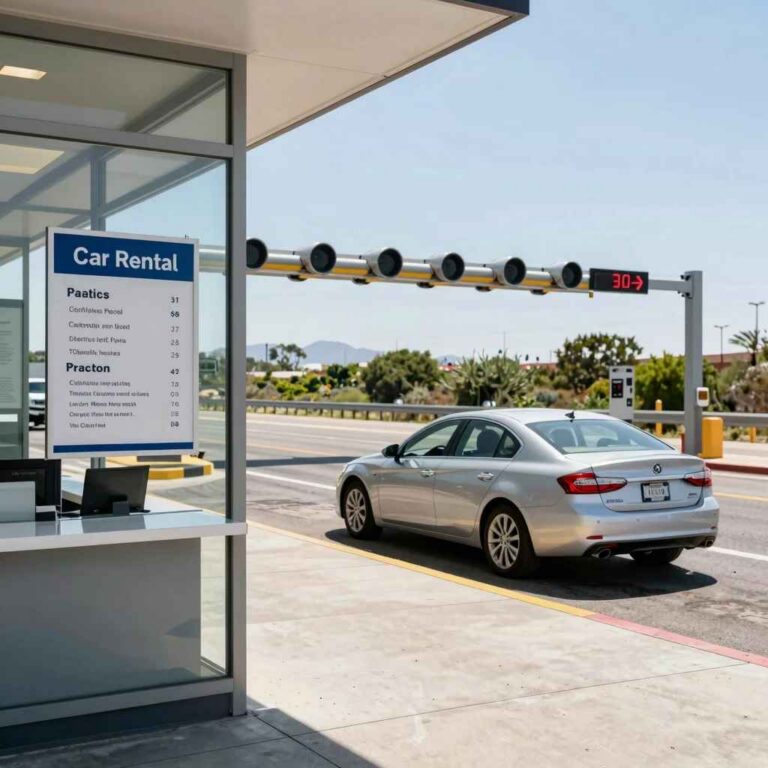
Automotive service is the broader shop category. It can mean repair, rental, and upkeep of vehicles, including cars and trucks. Repair is one part of service; maintenance and other shop offerings can sit beside it.
Maintenance belongs to service, but it is not repair
Maintenance covers planned tasks that keep a vehicle on schedule, such as oil changes and tire rotations. It can also include items like fluid level refills. These jobs are preventive and routine, not responses to a failed component.
When a shop call is service instead of repair
A shop may describe a visit as service when the visit centers on scheduled upkeep, inspection, or a minor adjustment rather than a fault. That is why the word can feel broad. It does not always mean something is broken.
Where rental, upkeep, and other shop services fit
Automobile service can encompass body shops and transmission shops. It can also include lubrication and emissions centers, tire stores, car washes, and car rentals. Those are shop services, but not all of them are repair in the strict sense.
What does auto repair mean?
Auto repair means the same thing as automotive repair in plain language: fixing a vehicle after something goes wrong. The job can range from a simple component replacement to major mechanical or collision-related work.
What the phrase usually signals
In everyday use, the phrase usually signals a fault that needs diagnosis. A check-engine light, a grinding brake, or a leak under the car points toward repair, not routine upkeep.
What it does not automatically mean
It does not automatically mean a large job. A repair might take one part and one labor operation. It might also involve several systems if the first symptom led to a deeper diagnosis.
What does auto maintenance mean?
Auto maintenance means the scheduled tasks that help a vehicle stay in operating condition and reduce avoidable wear. It includes oil changes, tire rotations, and fluid level refills, along with other interval-based checks defined by the vehicle maker or shop schedule.
Maintenance follows a schedule
Maintenance is usually time-based, mileage-based, or both. It is done before a failure, not after one. That difference is the cleanest way to separate it from repair.
Maintenance can still uncover repair needs
A routine service visit can reveal a worn belt, uneven tire wear, low brake lining, or a leak. At that point, the visit may shift from maintenance to repair if the shop finds an actual fault.
What is an auto shop?
An auto shop is a place where automobiles are repaired and serviced. It is where mechanics and technicians diagnose problems, carry out repairs, handle scheduled upkeep, and coordinate with the customer-facing staff who explain the work and collect approval.
The customer interface is not the technician
The customer interface is typically a service advisor. Service advisors were traditionally called service writers. They translate the problem into a work order, coordinate the repair process, and keep the customer informed on findings, estimates, and timing.
Technicians do the diagnostic and repair work
Technicians inspect the vehicle, confirm the fault, and perform the repair operations. They may replace faulty parts, rebuild an engine, straighten damaged body or frame sections, or carry out final checks after the fix.
What happens from drop-off to pickup
A typical visit moves from intake to diagnosis, then to an estimate, then to approval, and finally to repair and verification. That workflow matters because the shop should not begin most repairs until the customer has approved the plan.
Suppose a compact SUV shows a flashing warning light and rough idle on a cold morning. The advisor records the complaint, the technician diagnoses the issue, the estimate lists the likely cause, and repairs begin only after approval. That is the normal shop sequence.
How does the repair process work from diagnosis to pickup?
The repair process starts with diagnosis and an estimate, then moves to customer approval before repairs begin. After the work is completed, the shop should do some quality control, which may include testing, a test drive when appropriate, and final verification.
Problem identification and inspection
First comes the complaint. The technician then inspects the vehicle, confirms the symptom, and narrows the cause. Some faults are obvious; others require scan data, measurements, or a teardown step.
Estimate and customer approval
The estimate explains the likely parts, labor, and scope. It is a forecast, not a promise. Repairs begin after customer approval, which gives the owner a chance to accept the plan or ask for clarification before money is spent.
Repair operations and quality control
Once approved, the shop carries out the repair operations. That may include replacing faulty parts, engine rebuilding, body and frame straightening, or painting. Quality control follows with testing, a test drive if needed, and final verification that the original concern is gone.
Who handles each step of the job?
The advisor, technician, body shop, and maintenance lane each handle different parts of the work. The advisor manages communication and approval. The technician diagnoses and repairs. A body shop handles collision damage. The maintenance lane handles scheduled upkeep.
Advisor versus technician
The service advisor gathers the complaint, writes the order, explains the estimate, and communicates status. The technician works on the vehicle. That split is why a good shop can be busy and still keep the customer informed.
When a body shop or collision center gets involved
If the problem is collision damage, the job may move to a body shop or collision center. That is the kind of work that usually belongs in a body shop, including body work, frame repair, fender straightening, and painting. Mechanical repair may still happen alongside it.
Who handles maintenance lane work
Routine maintenance usually goes through a quick-lane or maintenance lane process. Those visits are built for oil changes, tire rotations, and fluid refills, with less diagnostic work unless the technician finds a problem.
Repair, maintenance, or service?
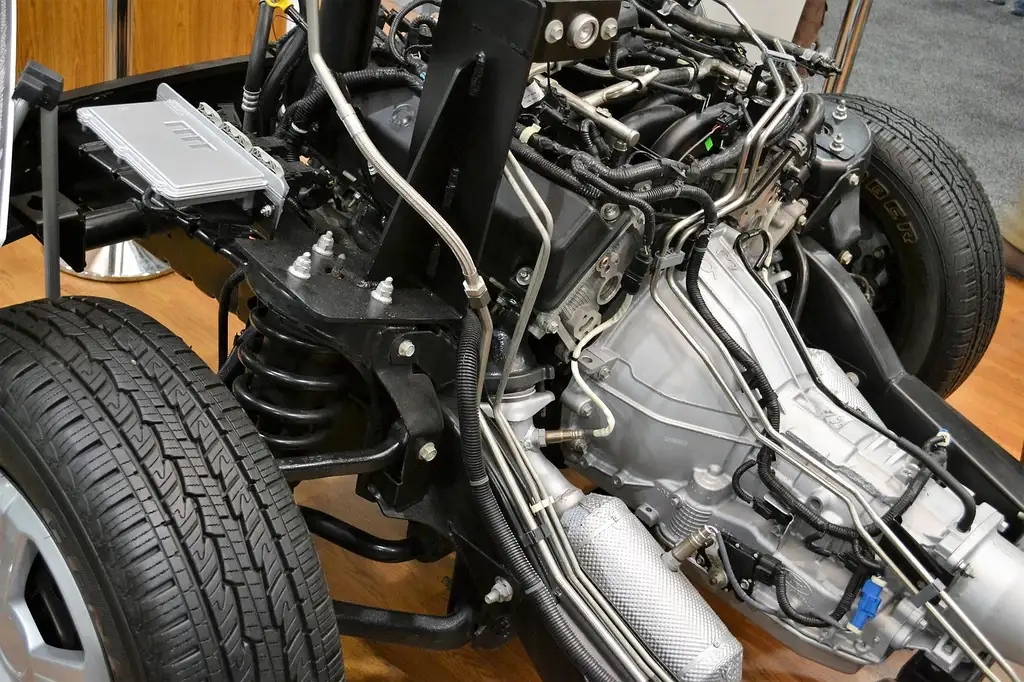
Use the symptom to sort the visit. If something failed, was damaged, or is triggering a warning, it is probably repair. If the job is scheduled upkeep, it is maintenance. If the shop is describing the broader business category, it is service.
Decision checklist overview
- Ask whether the problem is a failure, wear item, collision hit, or scheduled interval.
- Ask whether the car is being fixed or simply maintained.
- Ask which department should handle it: advisor, technician, body shop, or maintenance lane.
- Ask for the diagnostic reason before approving major work.
- Ask what testing or verification will happen after the repair.
| Symptom or problem | Likely category | Who handles it at the shop |
|---|---|---|
| Oil change due by mileage | Maintenance | Maintenance lane |
| Tire rotation and fluid level refill | Maintenance | Maintenance lane |
| Check-engine light with rough idle | Repair | Advisor, then technician |
| Grinding brake noise | Repair | Advisor, then technician |
| Rear door dent after a parking-lot hit | Collision repair | Body shop |
| Bent bumper cover and paint scrape | Collision repair | Body shop |
| Engine knock after low oil pressure warning | Repair | Advisor, then technician |
| Rental car request during a long repair | Automotive service | Advisor or service desk |
How to use the checklist before approving work
If the shop calls a job “service,” ask whether that means maintenance, repair, or another shop function. If the recommendation is major, ask what evidence points to the fault and what happens if the part is left alone for now. Clear answers should match the symptom.
A common first-timer mistake is approving a replacement based on a vague description. A better approach is simple: identify the symptom, ask for the diagnosis, and confirm whether the job belongs in repair, maintenance, or collision work.
Why do mechanics recommend repairs instead of maintenance?
Mechanics recommend repairs instead of maintenance when the vehicle already has a fault that upkeep will not solve. Maintenance follows a schedule; repair responds to a problem. If a part has failed, or a crash has bent a panel, the right category is repair.
Trust problems usually start with unclear explanations
People often distrust recommendations because estimates vary and the cause is not obvious. That does not prove bad intent. It usually means the shop has not yet fully confirmed the fault, or the diagnosis found more than one issue.
How to challenge a recommendation the right way
Ask what symptom, test result, or inspection finding supports the repair. Ask whether there is a safety reason, a drivability reason, or a convenience reason. Then ask what can wait and what should not.
Frequently asked questions
What does automotive repair mean?
Automotive repair means fixing a vehicle after a part fails, wears out, or is damaged. It includes general repair, rebuilding, reconditioning, body work, engine rebuilding, and painting. The process usually starts with diagnosis, then an estimate, then customer approval before work begins.
What is automotive repair and maintenance?
Automotive repair and maintenance are related but different. Repair fixes a fault or damage. Maintenance is scheduled upkeep, such as oil changes, tire rotations, and fluid level refills. Many shops handle both, but the decision path and the reason for the visit are not the same.
What services count as automotive repair?
Automotive repair includes general repairs, engine rebuilding, reconditioning, collision service, body/frame/fender straightening, and painting. It also includes mechanical issue diagnosis and repair operations such as replacing faulty parts. Scheduled oil changes and tire rotations belong to maintenance, not repair.
Products related to this article
Sponsored / affiliate links. As an Amazon Associate I earn from qualifying purchases. I may earn additional commission from eligible campaigns.
 OBD2 Scanner Diagnostic Tool - Check Engine Light Code Reader, Reset Function, Data Stream, I/M Readiness, Full Features, Modes 6 & 8, for All 1996+ Vehicles, Automotriz Scanner
 OBD2 Scanner Diagnostic Tool - Check Engine Light Code Scanner Tool with Reset, DTC, Data Stream, I/M Readiness, Car & Truck Scan Tool for All Vehicles Since 1996, escaner automotriz