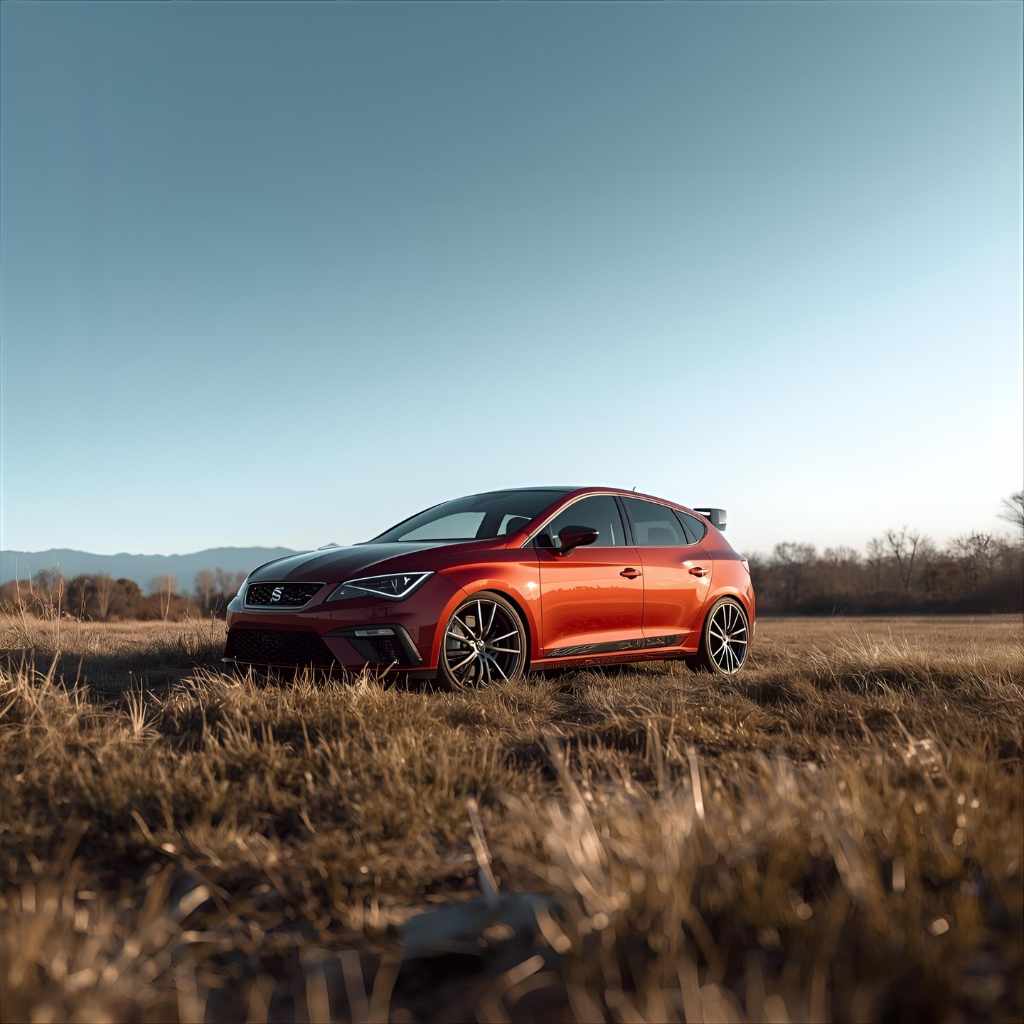
What Does Bottoming Out Mean on a Car? Causes, Cost & Fixes
Bottoming out is when a car’s suspension fully compresses and the frame or body strikes the road — usually because worn shocks, an overloaded trunk, or a lowering kit have used up the suspension’s travel. A single hard hit can crack a fuel tank ($1,674-$1,883 to replace) or bend a control arm. This guide covers the real causes, the part that’s supposed to stop it, and what repairs actually cost.
Quick Answer
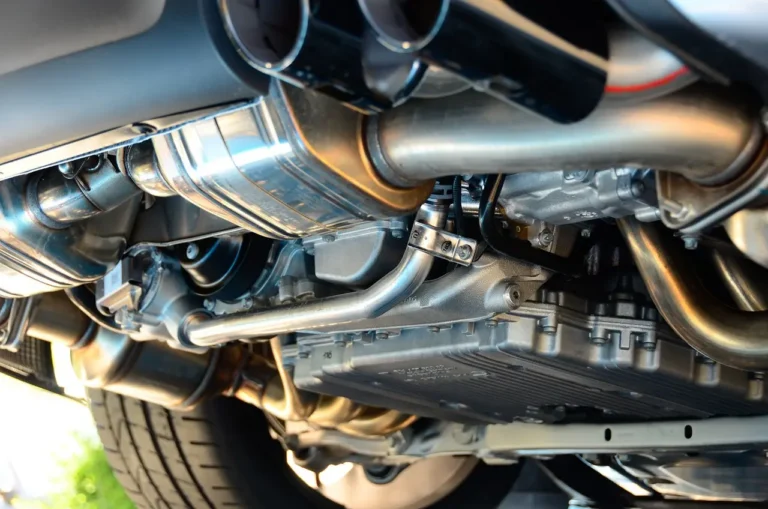
Bottoming out means the suspension has run out of travel and the vehicle’s frame or undercarriage hits the ground or an obstacle directly. It’s caused by worn shocks/struts, overloading, rough roads, low tire pressure, or a lowering kit paired with stock-length shocks. Repeated hits can damage the exhaust, fuel tank, or control arms — get the suspension inspected if it happens more than once.
What Bottoming Out Means
Bottoming out in a car means the vehicle’s suspension hits its limit. This causes the car’s body to touch the road or bumps. It often happens on rough roads or with heavy loads.
Understanding Bottoming Out In Cars
Bottoming out happens when a car’s suspension compresses fully. The car’s frame or body hits the ground or road surface. This causes a hard, jolting impact for passengers and the vehicle itself.
It usually occurs on rough roads or over large bumps. The suspension cannot absorb the shock anymore. This leads to a harsh ride and potential damage.
Signs Your Car Is Bottoming Out
You might hear loud bangs or thuds under the car. The ride feels unusually stiff and uncomfortable. Sometimes, you may see visible scrapes on the car’s underside.
Bottoming out can also cause uneven tire wear. It may affect steering and handling, making driving unsafe.
Why Bottoming Out Is A Problem
Hitting the ground damages suspension parts and the car’s body. It can lead to costly repairs and unsafe driving conditions. The car may lose control or respond poorly on the road.
Repeated bottoming out shortens your car’s lifespan. It also reduces comfort for passengers during drives.
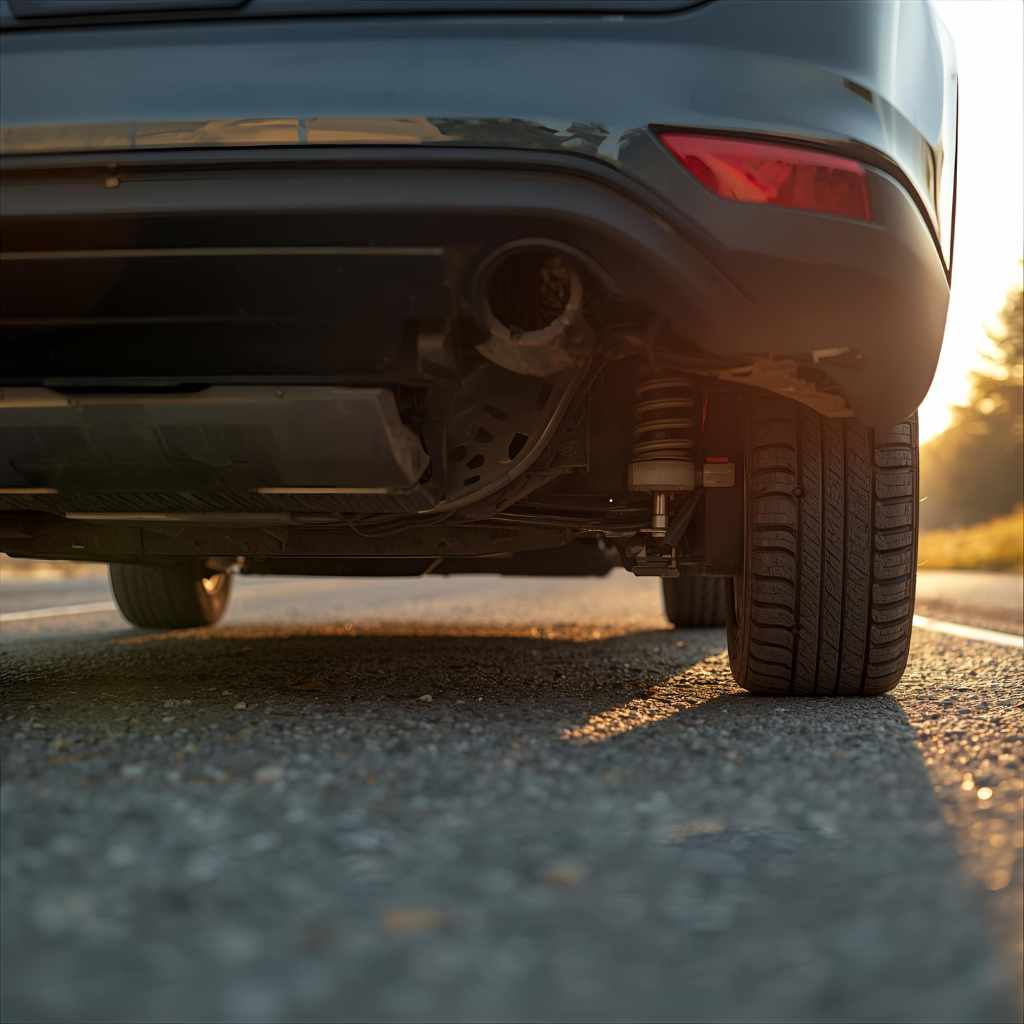
What Actually Stops the Suspension? The Bump Stop
Most guides never name the part involved: the bump stop (also called a jounce bumper). It’s a rubber, urethane, or closed-cell-foam block mounted near each shock or strut, and it’s the suspension’s last line of defense. It only engages once the springs and shocks are fully compressed, cushioning the impact so metal doesn’t hit metal. Modern jounce bumpers are shaped to act as a progressive secondary spring — they get stiffer the more they compress, which is why a bad bottoming-out event still feels like a hard jolt even with the bump stop doing its job.
“Modern jounce bumpers are engineered to act as a secondary spring, not just a hard stop — they progressively stiffen as they compress to soften the impact before metal touches metal.”
Common Causes
Bottoming out a car happens when the vehicle’s underside hits the road or a surface below. This can cause damage and a rough ride. Many factors cause this issue. Knowing these causes helps you spot problems early.
Worn Suspension Components
Suspension parts like shocks and springs absorb bumps. Over time, they wear out or break. Worn suspension lowers the car’s height. This makes it easier for the car to hit the ground.
Overloaded Vehicle
Cars have a weight limit. Carrying too much weight pushes the car down. The suspension can’t hold up heavy loads well. This causes the car to bottom out more often.
Rough Road Conditions
Driving on bumpy roads or potholes jars the car. Sudden drops or sharp bumps make the underside hit the ground. Rough roads increase the risk of bottoming out.
Improper Tire Pressure
Low tire pressure lowers the car’s height. Tires lose their cushioning effect. This causes the car to sit closer to the road. Bottoming out becomes more likely with bad tire pressure.
Lowered Suspension: Why Modified Cars Bottom Out More Often
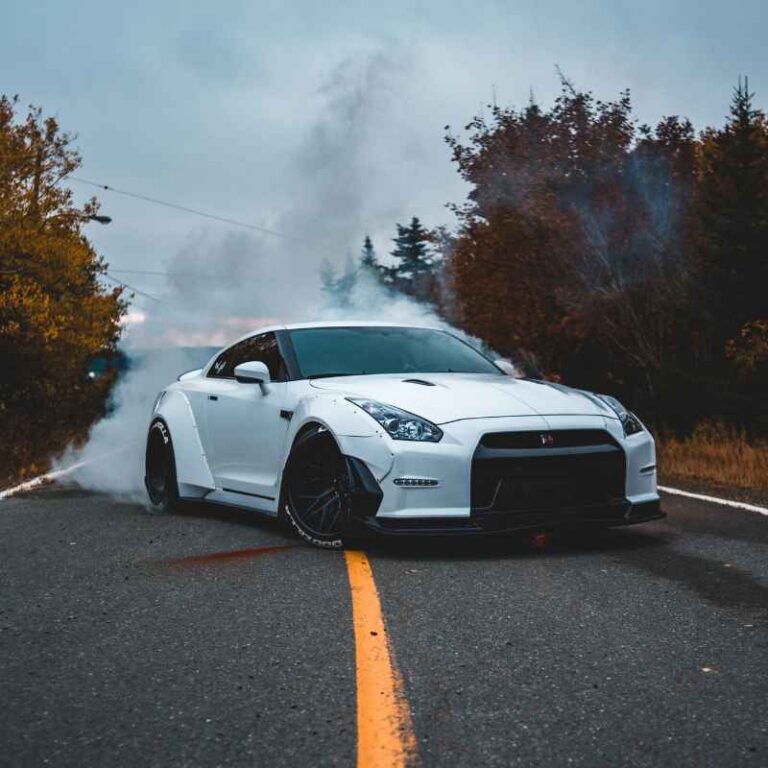
A lowering kit doesn’t just drop ride height — it cuts into the suspension’s available travel. If the springs are shortened but the shocks and bump stops are still stock length, there’s simply less room to absorb a bump before the car bottoms out. This is why lowered cars scrape and bottom out over things a stock car handles fine. The fix isn’t just softer springs: pair a lowering kit with shorter, stiffer-valved shocks built for the reduced travel, or use a drop spindle instead of cut springs, since a spindle lowers the car without eating into up-travel.
Best Bottoming-Out Prevention Pick
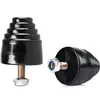
Universal Bump Stop Kit (9.9101G)
Universal rubber bump stops that give worn or lowered suspensions extra cushion before metal hits metal — the exact part discussed in this guide.
- Best for: Worn factory bump stops or lowered cars with reduced travel
- Why we picked it: Directly upgrades the part this article explains — a cheap fix before shocks or a fuel tank take the hit
- Main drawback: Universal fit needs trimming/testing on some vehicles
Compare more suspension upgrades
 Option Hellwig EZ-990 Helper Spring Kit
|
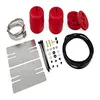 Option Air Lift 1000 Universal Air Suspension Kit
|
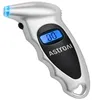 Option AstroAI Digital Tire Pressure Gauge
|
As an Amazon Associate we earn from qualifying purchases.
Risks Of Bottoming Out
Bottoming out a car happens when the vehicle’s underside hits the ground. This can cause several problems that harm your car’s performance and safety. Understanding the risks helps protect your vehicle and yourself on the road.
Damage To Suspension
Suspension parts absorb shocks and keep the ride smooth. Bottoming out can bend or break these parts. This damage reduces comfort and makes driving unsafe. Repairs can be costly and take time.
Tire And Wheel Damage
The impact from bottoming out can crack wheels or damage tires. This weakens their strength and increases the chance of a blowout. Tires may wear unevenly, leading to early replacement.
Reduced Vehicle Control
When your car bottoms out, control becomes harder. Steering may feel loose or unresponsive. This makes it difficult to drive safely, especially on rough roads or at high speeds.
Safety Hazards
Bottoming out can cause sudden jolts that distract the driver. It may also damage brake lines or fuel tanks, creating fire risks. These hazards threaten everyone inside and nearby.
How Much Does It Cost to Fix Bottoming-Out Damage?
There’s no single “bottoming out repair” line item — the cost depends on what actually got hit. Here’s what each type of damage typically runs, based on national repair-cost data:
| Damaged Part | Typical Repair Cost | Common Cause |
|---|---|---|
| Shocks/struts (per axle) | $450-$900 | Worn out from repeated hard hits |
| Shocks/struts (all four) | $900-$1,800 | Full suspension replacement |
| Coil spring (each) | ~$894 | Cracked or sagging spring |
| Control arm | $245-$302 | Bent from a hard impact |
| Exhaust heat shield | $50-$200 | Scraped on a speed bump or curb |
| Catalytic converter | $900-$2,500 | Crushed against the road |
| Fuel tank | $1,674-$1,883 | Punctured on a hard landing |
For the actual step-by-step repair process once damage is confirmed, see our guide on how to repair a car that bottoms out.
📊 Replacing all four shocks/struts runs $900-$1,800 on a standard vehicle, and a punctured fuel tank alone costs $1,674-$1,883 — Source: RepairPal, 2026
How To Spot Bottoming Out
Knowing how to spot bottoming out helps protect your car’s suspension and ride comfort. It happens when your car’s suspension hits its limit and can’t absorb bumps well. This can damage parts and make driving unsafe. Watch for signs that show your car is bottoming out.
Unusual Noises
Listen for loud bangs or clunks when driving over bumps. These noises often mean the suspension is hitting the frame or other parts. Regular sounds from your car should be smooth, not sharp or heavy. Strange noises are a clear warning.
Visible Vehicle Sagging
Look at your car’s body. If it sits lower than normal, this could mean worn-out springs or shocks. Sagging is easy to see near the wheels or the car’s sides. Check your car on flat ground to notice any uneven height.
Handling Problems
Feel how your car drives. If it bounces a lot or feels unstable on turns, bottoming out may be the cause. Your car might dip suddenly after bumps or potholes. These handling issues reduce control and comfort during driving.
Prevention Tips
Bottoming out your car causes damage and discomfort. It happens when the car’s suspension hits the ground hard. Preventing this problem keeps your car safe and smooth on the road. Follow these simple tips to avoid bottoming out.
Regular Suspension Maintenance
Check your car’s suspension often. Worn shocks and springs cause poor support. Replace any broken or weak parts quickly. A well-maintained suspension absorbs bumps better. This prevents the car from hitting the road’s surface hard.
Avoid Overloading
Do not carry too much weight in your car. Extra load presses the suspension down. This lowers the car and raises the chance of bottoming out. Keep your car within the recommended weight limits. Remove unnecessary items to reduce load.
Adjust Tire Pressure
Check your tire pressure regularly. Low pressure makes the car sit lower. It also affects how the car handles bumps. Inflate tires to the correct level shown in the manual. Proper tire pressure helps keep the car’s height stable.
Drive Carefully On Rough Roads
Slow down on bumpy or uneven roads. Fast speeds increase the risk of bottoming out. Avoid potholes and large rocks when possible. Steady driving gives the suspension time to absorb shocks. This reduces impact on the car’s bottom.
Upgrades To Avoid Bottoming Out
Bottoming out happens when your car’s suspension hits its limit. This can cause damage and make driving uncomfortable. Upgrading parts can help prevent this problem. These upgrades improve how your suspension handles bumps and heavy loads. They keep your ride smooth and protect your car.
Performance Suspension Kits
Performance suspension kits include parts designed to handle tough roads. These kits often come with stronger components. They help your car absorb shocks better. This reduces the chance of bottoming out. Installing a kit changes how your car rides. It keeps the car stable and safe.
Better Shock Absorbers
Shock absorbers control the bounce of your car. Better shock absorbers work well on rough surfaces. They slow down the suspension movement. This prevents the car from hitting the frame hard. Upgrading shocks can make your ride smoother. It also protects your car’s undercarriage.
Reinforced Springs
Reinforced springs are stronger than standard ones. They support heavier weight and tough conditions. These springs keep your car from sagging too low. That helps avoid bottoming out on bumps or dips. Reinforced springs improve ride height and stability. They are a simple upgrade with big benefits.

Frequently Asked Questions
What Does Bottoming Out A Car Mean?
Bottoming out a car means the vehicle’s suspension fully compresses. This causes the car’s chassis to hit the road or obstacles. It often results in a harsh jolt and possible damage to the undercarriage or suspension components.
What Causes A Car To Bottom Out?
A car bottoms out due to rough roads, heavy loads, or worn suspension parts. Low ground clearance and aggressive driving over bumps also contribute. Poorly maintained shocks and struts increase the risk of bottoming out.
How Can I Prevent My Car From Bottoming Out?
To prevent bottoming out, maintain your suspension system regularly. Avoid heavy loads and drive cautiously over speed bumps and potholes. Installing better shock absorbers or raising ground clearance can also help reduce bottoming out incidents.
What Are The Symptoms Of A Car Bottoming Out?
Symptoms include a loud thud or banging noise when driving over bumps. You may feel a sudden jolt or vibration inside the car. Visible damage under the car or uneven tire wear can also indicate bottoming out.
What Is a Bump Stop, and Does Every Car Have One?
Yes — every car’s suspension has a bump stop (also called a jounce bumper) near each shock or strut. It’s a rubber or foam block that only engages once the springs and shocks are fully compressed, cushioning the final impact so the frame doesn’t hit metal-on-metal. A worn or missing bump stop makes bottoming out feel much harder.
Do Lowered Cars Bottom Out More Than Stock Cars?
Yes. A lowering kit reduces the suspension’s usable travel, so there’s less room to absorb a bump before the car bottoms out — even on roads a stock car handles fine. Pairing the lowering springs with shorter, stiffer-valved shocks (built for the reduced travel) or using a drop spindle instead of cut springs reduces this risk.
Conclusion
Bottoming out means the suspension has run out of travel, and the fix depends on the cause: worn shocks and bump stops need replacing, an overloaded trunk needs unloading, and a lowering kit needs shocks built for its reduced travel. Catching it early — before it cracks a fuel tank or bends a control arm — is what keeps the repair bill in the hundreds instead of the thousands.
Products related to this article
Sponsored / affiliate links. As an Amazon Associate I earn from qualifying purchases. I may earn additional commission from eligible campaigns.