What Is a Car Suspension and Why Does It Matter?
Car suspension is the system of springs, shock absorbers, and linkages that connects a vehicle to its wheels. It absorbs road shocks, maintains tire contact, and ensures a comfortable, controlled ride. This article explains what suspension does, why it matters for safety and performance, and how to recognize when it needs maintenance.
Simply put, a car suspension keeps your wheels on the road, absorbs bumps, and stabilizes the vehicle during turns and braking. Without it, every surface imperfection would jolt the chassis, making driving unsafe and uncomfortable. It’s the bridge between the road and the car body.
Key Takeaways
- Car suspension controls wheel movement relative to the chassis for stability and comfort.
- Proper suspension reduces stopping distance, improves handling, and prevents tire wear.
- Key components include springs, shock absorbers, struts, control arms, and bushings.
- Common signs of worn suspension include clunking noises, uneven tire wear, and vehicle sagging.
- Regular inspections—every 50,000 miles or after pothole impacts—help maintain safety and performance.
What Is a Car Suspension System?
A car suspension is a network of mechanical components that isolates the vehicle body from road irregularities. It manages vertical wheel movement—called “bounce”—while keeping the tires planted for steering, braking, and acceleration. The system dampens energy from bumps, potholes, and uneven surfaces so passengers feel minimal disturbance.
Suspension engineers balance two competing goals: ride comfort and handling precision. A soft setup absorbs bumps well but may cause body roll in corners. A stiff setup improves cornering but transmits more road vibration.
For this reason, manufacturers tune suspension according to vehicle type—luxury sedans favor comfort, while sports cars prioritize handling.
Important: The suspension does more than soften bumps. It directly influences braking distance, tire contact patch, and vehicle stability during emergency maneuvers.
To understand the system, think of three main functions:
- Support vehicle weight – Springs bear the static load of the car, passengers, and cargo.
- Absorb shocks – Shock absorbers (dampers) control spring oscillation after a bump.
- Maintain tire contact – Control arms and bushings keep the wheel aligned with the road surface.
According to the National Highway Traffic Safety Administration (NHTSA), worn suspension contributes to nearly 10% of vehicle-related crashes due to reduced control. That’s why understanding and maintaining your suspension is not just a comfort issue—it’s a critical safety concern.
How Does Car Suspension Work?
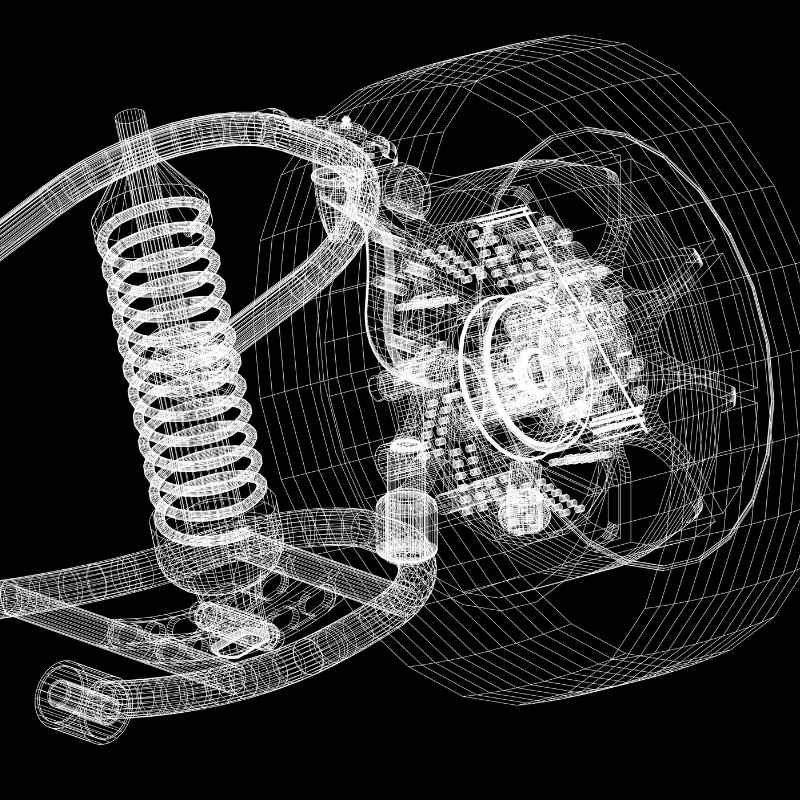
The interaction between springs and dampers defines how car suspension behaves. When a wheel hits a bump, the spring compresses, storing kinetic energy. Then it expands, releasing that energy.
Without a damper, the spring would bounce repeatedly—creating an uncontrolled oscillation. The shock absorber converts that kinetic energy into heat through hydraulic resistance, bringing the wheel back to its normal position quickly.
Modern vehicles use different spring types: coil springs (most common), leaf springs (trucks and some SUVs), torsion bars, and air springs. Each offers unique ride characteristics. The damping is typically provided by twin-tube or monotube shock absorbers, with adjustable or passive valves.
The following table summarizes how spring and damper types affect ride quality:
| Spring Type | Common Use | Ride Characteristic |
|---|---|---|
| Coil spring | Most cars | Good balance of comfort and control |
| Leaf spring | Trucks, heavy SUVs | Stiff, high load capacity, less comfort |
| Torsion bar | Off-road vehicles, some SUVs | Compact, adjustable ride height, firm |
| Air spring | Luxury cars, premium SUVs | Adjustable softness, self-leveling |
Air suspension, used in vehicles like the Mercedes-Benz S-Class and Range Rover, uses compressed air to vary ride height and stiffness. That technology allows the car to lower at highway speeds for aerodynamics and raise off-road for ground clearance.
Tip: If you frequently drive on rough roads, look for a car with a “heavy-duty” or “off-road” suspension package. These typically include reinforced springs and monotube shocks for better durability.
Why Does Car Suspension Matter for Safety?
Car suspension directly affects your ability to steer, brake, and stay stable. A well-maintained system shortens stopping distances on dry and wet roads. The Insurance Institute for Highway Safety (IIHS) notes that a worn suspension can increase braking distance by up to 20% on rough pavement.
That’s the difference between a controlled stop and a collision.
Here are the main safety impacts:
- Braking stability – During hard braking, weight transfers forward. Good suspension keeps the rear tires planted and prevents the nose from diving too much, maintaining steering response.
- Cornering grip – Suspension geometry (camber, caster, toe) ensures the tire contact patch stays flat on the road during turns. Worn bushings or ball joints cause sloppy handling and loss of grip.
- Emergency avoidance – A controlled double lane change (moose test) relies on suspension to quickly transfer weight without excessive body roll or wheel lift.
Another important aspect is tire wear. Misaligned or worn suspension parts cause uneven tire wear patterns—like feathering, cupping, or shoulder wear. The Rubber Manufacturers Association (RMA) reports that improper alignment and suspension issues cause 15% of premature tire failures, which can lead to blowouts at highway speeds.
Warning: If your car sags visibly when parked, or you feel a persistent wobble at highway speeds, have the suspension inspected immediately. Driving with broken springs or failed shocks can cause loss of control.
Key Components of a Car Suspension
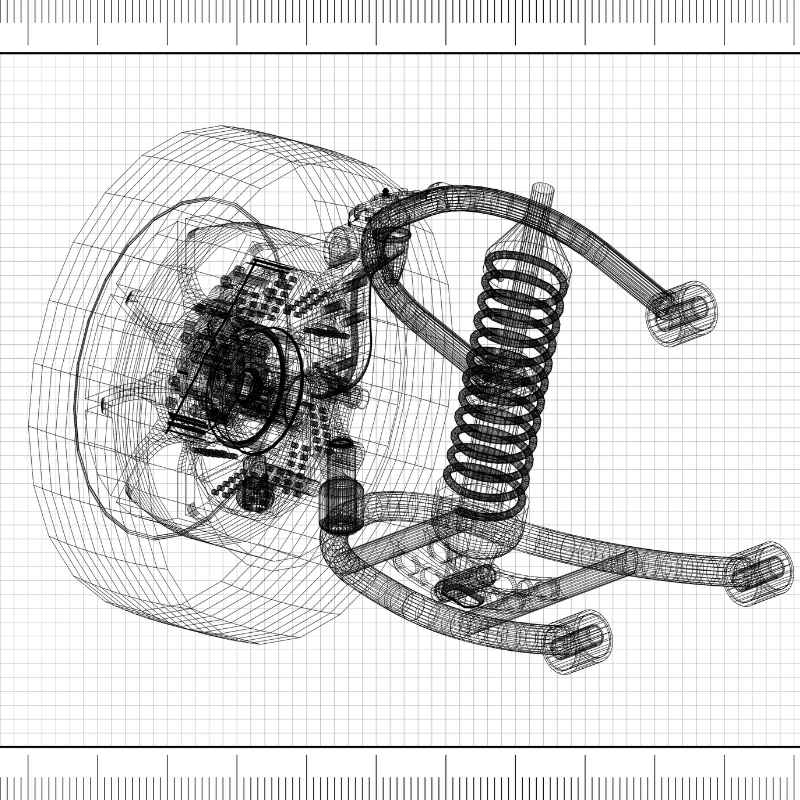
Knowing the parts helps you understand troubleshooting. Below are the essential components of a modern car suspension:
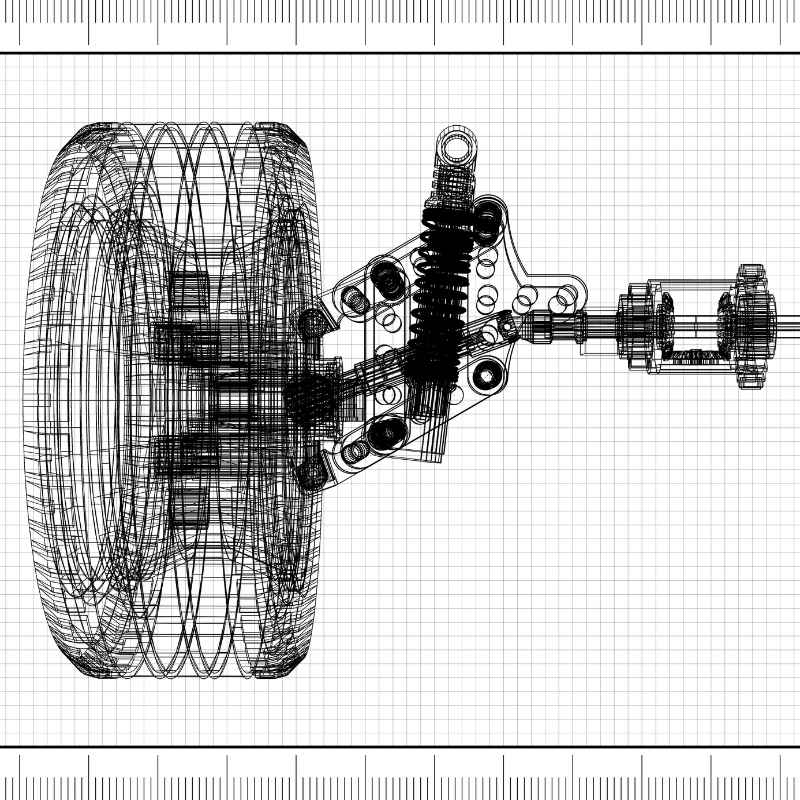
- Springs – Support weight and absorb impacts. Coil springs are the most common, but some vehicles use leaf, torsion, or air springs.
- Shock absorbers (dampers) – Control spring oscillation. Twin-tube shocks are standard; monotube shocks offer better heat dissipation for performance use.
- Struts – A structural unit combining a shock absorber and spring with a mounting point. Common in MacPherson strut layouts (used in many front-wheel-drive cars).
- Control arms – Pivoting links that connect the wheel hub to the chassis. Upper and lower arms control wheel motion in double-wishbone systems.
- Sway bar (anti-roll bar) – A torsion bar that reduces body roll during cornering by connecting left and right wheels.
- Bushings – Rubber or polyurethane cushions at pivot points that absorb vibration and allow controlled movement.
- Ball joints – Spherical bearings that allow the steering knuckle to pivot vertically and horizontally.
The following table shows typical replacement intervals for these parts based on normal driving conditions (moderate roads, no extreme off-roading):
| Component | Average Lifespan (miles) | Symptoms of Wear |
|---|---|---|
| Shock absorbers | 50,000 – 80,000 | Excessive bounce, nose dive during braking |
| Struts | 60,000 – 100,000 | Clunking, uneven tire wear |
| Control arm bushings | 50,000 – 70,000 | Vibration, wandering steering |
| Ball joints | 70,000 – 100,000 | Popping noise, suspension noise over bumps |
| Sway bar links | 60,000 – 90,000 | Rattle when driving over dips |
These intervals vary by vehicle manufacturer and driving style. Cars driven on unpaved roads or in cold climates (road salt) may need earlier replacement.
Common Types of Car Suspension Systems
Automakers use several suspension architectures. Each type offers different trade-offs between cost, space, ride quality, and handling. The three most common are MacPherson strut, double wishbone, and multi-link.
MacPherson strut – A simple, compact design used on most front-wheel-drive cars. The strut serves as both a shock absorber and a structural member holding the wheel. It saves space and cost but provides less precise control than other designs.
Found on vehicles like the Honda Civic, Toyota Corolla, and many compact SUVs.
Double wishbone – Uses two control arms (upper and lower) to provide independent wheel motion with minimal camber change. Offers superior handling and ride quality, used on luxury cars and performance vehicles. Examples include the BMW 3 Series and Lexus LS.
Multi-link – A variation with multiple small arms (three to five links) that control each wheel independently. Allows fine tuning of toe, camber, and caster angles. Common on high-end sedans and modern SUVs like the Mercedes-Benz E-Class and Audi Q7.
The table below compares these types:
| Type | Cost | Ride Comfort | Handling Precision |
|---|---|---|---|
| MacPherson strut | Low | Good | Moderate |
| Double wishbone | High | Very good | High |
| Multi-link | Very high | Excellent | Excellent |
For the rear axle, simpler designs like a solid axle (found on trucks) or torsion beam (economy cars) are used. Independent rear suspension (IRS) has become common on most modern cars for better ride and handling.
Signs Your Car Suspension Needs Attention
Recognizing early signs of worn car suspension can prevent costly repairs and safety risks. Look for these warning signs:
- Excessive bouncing – After hitting a bump, the car continues to bounce more than once or twice. Test by pushing down on the hood or trunk; it should rise and settle quickly.
- Uneven tire wear – Check the tread surface. Cupping (scalloped wear) or feathering indicates worn shocks or misalignment.
- Vehicle sag – One corner of the car sits lower than the others. This often points to a broken spring or failed air suspension.
- Clunking or knocking noises – Heard when driving over bumps or turning slowly. Worn ball joints, control arm bushings, or sway bar links are typical causes.
- Steering wandering – The car drifts to one side on a flat, straight road. This suggests loose suspension components or worn control arm bushings.
- Nose dive during braking – The front end dips excessively when you apply the brakes. Worn shocks can cause weight transfer that reduces rear-wheel brake effectiveness.
- Fluid leaks on shocks – Oil on the outside of shock absorbers means the internal seal has failed and damping is reduced.
Tip: Perform the “bounce test” monthly. Stand at each corner, push down firmly, and release. If the car bounces more than 1.5 cycles before settling, the shocks or struts likely need replacement.
The Automotive Service Association (ASA) advises that a full suspension inspection should be performed every 50,000 miles or during routine tire rotation. Many shops offer free suspension checks—take advantage during oil changes.
How to Maintain Your Car Suspension
Proper maintenance extends the life of your car suspension and preserves handling. Follow these best practices:
- Check tire pressure weekly – Incorrect pressure affects ride quality and accelerates component wear. Use the manufacturer’s recommended PSI from the door sticker.
- Rotate tires every 5,000–7,000 miles – Even wear prevents one corner from experiencing more stress than others, reducing load on suspension components.
- Inspect bushings and boots – During oil changes, have your mechanic check rubber bushings for cracks and shock boots for tears. Replace any that are damaged.
- Avoid potholes and curb impacts – Hitting a deep pothole at speed can bend control arms, crack springs, or blow shock seals. Slow down over rough terrain.
- Align after suspension work – Any time you replace a suspension component (control arm, spring, shock, tie rod), get a four-wheel alignment to restore geometry.
- Replace worn parts in pairs – If you replace one front shock, replace the other front shock too. Uneven damping unbalances the car’s behavior.
According to a report from the Car Care Council, 9% of vehicles on the road have worn shocks or struts that need replacement. That translates to millions of cars with compromised braking and handling. Regular attention to your suspension is a cheap insurance policy.
Warning: Never drive with a broken coil spring. The sharp end can puncture tires, damage brake lines, or cut into the tire sidewall, causing sudden air loss.
What Happens When Suspension Fails?
If a critical part of the car suspension fails, the consequences can be immediate and dangerous. A broken lower control arm, for example, causes the wheel to collapse sideways or backward, leading to loss of steering control. A blown shock absorber reduces tire grip, especially on bumpy roads, making it easy to skid during emergency braking.
Common failure scenarios include:
- Broken spring – The car sits low on one corner, causing severe misalignment and tire rubbing against the body.
- Failed ball joint – The wheel can detach from the control arm if the ball joint separates, making steering impossible.
- Frozen sway bar link – Excessive body roll in turns, increasing the risk of a rollover in emergency maneuvers.
- Leaking shock absorber – Reduced damping leads to continuous wheel hopping, which can cause tire blowouts at high speed.
The NHTSA estimates that over 200,000 crashes per year involve vehicle maintenance issues, with suspension-related failures being a significant contributor. That’s why professional inspections and timely repairs are non-negotiable.
Frequently Asked Questions
What is the most common car suspension problem?
The most frequent issue is worn shock absorbers or struts that lose damping ability over time. This typically manifests as excessive bouncing, nose dive during braking, and uneven tire wear.
How long does a car suspension last?
Typical lifespan is 50,000 to 100,000 miles depending on driving conditions and component quality. Shocks and struts average 60,000 miles, while control arm bushings and ball joints often last 70,000–100,000 miles.
Can I drive with a bad suspension?
Driving with worn suspension is unsafe. It increases stopping distance, reduces steering response, and raises the risk of tire failure or wheel separation. Have it repaired as soon as you notice symptoms.
How much does it cost to replace a car suspension?
Replacing a pair of front struts costs $300–$800 parts and labor, depending on vehicle make and model. A full suspension overhaul (all four corners) can run $1,200–$3,000 for a mainstream car, and more for luxury or air suspension systems.
What does a suspension noise sound like?
Common sounds include clunking over bumps (worn ball joints or bushings), squeaking when turning (dry ball joints), and a rattling or clicking from loose sway bar links.
Final Thoughts
Your car’s suspension is the backbone of ride comfort, handling, and safety. It absorbs road imperfections, keeps tires planted, and enables controlled steering and braking. Recognizing early warning signs—like bouncing, noise, or uneven tire wear—can prevent expensive repairs and dangerous failures.
Regular inspections and timely replacement of worn parts will keep your vehicle predictable and secure on the road, whether you’re commuting or taking a long highway trip. Don’t neglect this critical system; a small investment in maintenance pays off in safety and driving confidence.
Sponsored / affiliate links. As an Amazon Associate I earn from qualifying purchases. I may earn additional commission from eligible campaigns.
Products related to this article