What Is Carport Parking? Types, Costs & Garage Comparison
Carport parking means sheltering a vehicle under an open-sided, post-supported roof — not a fully enclosed garage. Skipping that cover lets UV rays fade paint and trapped moisture trigger rust within a few years, while a $2,000–$12,000 carport typically installs in days instead of weeks. This guide covers carport types, real 2026 costs, snow and wind load ratings, and how carports stack up against a garage.
Quick Answer
A carport is an open-sided, roofed shelter — usually 2–4 support posts with no walls — that protects a parked vehicle from sun, rain, snow, and debris. It typically costs $2,000–$12,000 installed (versus $10,000–$40,000+ for a garage), takes days rather than weeks to build, and usually requires a local building permit before installation.
What Exactly Is Carport Parking?
Simply put, carport parking refers to parking your vehicle under a structure called a carport. A carport is essentially a roof supported by posts, typically open on at least two sides, and sometimes three or four. Unlike a garage, which is a fully enclosed space with walls and a door, a carport provides overhead protection but doesn’t fully enclose the vehicle. Think of it as a sturdy, dedicated roof over your car, protecting it from falling debris, sunlight, and precipitation.
Carports are designed to be more budget-friendly and quicker to install than garages. They are a popular choice for homeowners who need protection for their vehicles but don’t have the need or the space for a full garage. They offer a practical way to shield your car, truck, RV, or boat from the elements, helping to maintain its appearance and value.
Why Choose Carport Parking? The Benefits You Can’t Ignore
Opting for carport parking brings a host of advantages that make it a smart choice for many vehicle owners. These benefits go beyond just having a space to park; they contribute to the longevity and upkeep of your car.
Protection from the Elements
The primary role of a carport is to shield your vehicle from nature’s less-than-friendly forces. This protection is crucial year-round:
- Sun Damage: Intense sun exposure can fade your car’s paint, crack the dashboard, and degrade interior plastics over time. A carport significantly reduces UV ray exposure, keeping your car looking newer for longer.
- Rain and Snow: Direct contact with rain and snow can lead to rust and corrosion, especially on the undercarriage and body panels. A carport keeps your car dry, preventing water damage and the headaches it brings.
- Hail: Baseball-sized hail can cause serious dents and require costly repairs. A sturdy carport roof can offer significant protection against hail damage, saving you money and stress.
- Falling Debris: In areas with strong winds or old trees, falling branches, leaves, and other debris can scratch or dent your car. A carport provides a reliable barrier.
Increased Vehicle Lifespan
By minimizing exposure to harsh elements, a carport helps preserve your vehicle’s condition. Less sun fading, reduced rust, and protection from impacts mean your car will likely maintain its aesthetic appeal and structural integrity for more years. This can translate to a higher resale value when it’s time to trade up.
Convenience and Accessibility
Carports offer easy access. Since they are typically open on multiple sides, you can get in and out of your vehicle without maneuvering in tight spaces, which is especially helpful in bad weather. You don’t have to worry about opening and closing a garage door, making quick trips much simpler.
Cost-Effectiveness
Compared to building a full garage, carports are a more affordable option. They require less material and labor to construct, making them an accessible solution for many budgets. The initial investment is generally much lower, and the long-term benefits of protection often outweigh the cost.
Versatility
Carports aren’t just for cars! They can also be used to shelter RVs, boats, motorcycles, lawn equipment, or serve as covered outdoor entertaining spaces. Many homeowners even use them as a sheltered workspace for DIY projects.
Types of Carports: Finding the Right Fit for You
Carports come in various styles and materials, each offering different benefits and aesthetics. Understanding these can help you choose the best option for your needs and property.
Freestanding Carports
These carports are supported entirely by their own posts and are not attached to your house or any other structure. They offer flexibility in placement on your property. They are often built with metal frames (steel or aluminum) and roof panels made of metal or polycarbonate.
- Pros: Easy to relocate, can be placed anywhere, no structural impact on your home.
- Cons: May be less stable in high winds if not properly anchored, can take up yard space.
Attached Carports
These carports are built adjacent to your home and are attached to the house’s structure. This often provides a more integrated look and can be more economical to build since one side is already supported by your house wall. They can be single-bay or double-bay, extending from the side of your home.
- Pros: Can offer more stability, may integrate well with home’s architecture, can be convenient for covering walkways to your home.
- Cons: Less flexible placement, requires professional installation to ensure structural integrity with your home.
DIY Carport Kits
Many manufacturers offer pre-fabricated carport kits that you can assemble yourself. These kits come with all the necessary parts and instructions, making them a popular choice for those who enjoy DIY projects and want to save on labor costs. Materials typically include metal framing and panels.
- Pros: Cost-effective, satisfying for DIY enthusiasts, usually comes with clear instructions.
- Cons: Requires time, tools, and some mechanical aptitude; quality can vary between brands.
Best Portable Carport Kit Pick
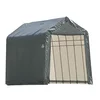
ShelterLogic 12’x24’x10’ Peak Style Portable Shelter
An all-steel, bolt-together DIY carport frame with a commercial-grade woven cover — no concrete footing required for most setups.
- Best for: Homeowners who want a full-size DIY carport without a permanent structure
- Why we picked it: Steel frame with ShelterLock stabilizer blocks at every rib connection for real wind stability
- Main drawback: Still needs proper ground anchoring in high-wind zones — the frame alone isn’t enough
Compare more carport and portable shelter options
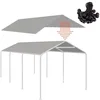 Option 1 Thanaddo 10×20 Replacement Canopy Cover
|
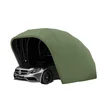 Option 2 Heavy-Duty Portable Car Shelter
|
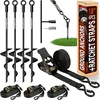 Option 3 Ground Anchor Screw-In Kit
|
As an Amazon Associate we earn from qualifying purchases.
Temporary or Portable Carports
These are often made with a fabric cover (like heavy-duty vinyl or polyethylene) stretched over a metal frame. They are designed for short-term use and can be easily disassembled and moved. While offering immediate shelter, they are less durable against harsh weather compared to permanent structures.
- Pros: Very affordable, quick to set up, portable.
- Cons: Less durable, not suitable for heavy snow or high winds, fabric may degrade over time.
High-Quality Permanent Carports
These are built with durable materials like steel, aluminum, or even wood and are designed to be a long-lasting fixture on your property. They can be custom-designed to match your home’s style and can be engineered to withstand specific local weather conditions. Many permanent carports mimic the look of a garage but remain open-sided.
- Pros: Durable, long-lasting, can be customized, can increase property value.
- Cons: Most expensive option, requires professional installation or extensive DIY skills, cannot be easily moved.
Solar Carports: The Fastest-Growing Trend for EV Owners
A solar carport is a standard carport frame fitted with solar panels instead of (or on top of) a traditional roof panel, generating electricity while it shelters the vehicle beneath it. Demand is climbing fast: the onsite solar EV-charging market is projected to grow from $1.21 billion in 2025 to $1.49 billion in 2026, driven largely by homeowners pairing a solar carport with a Level 2 EV charger. Installed costs run $3.50–$4.50 per watt — a 30–50% premium over a comparable rooftop solar install — but many residential and commercial systems pay that difference back in 5 to 8 years through eliminated charging costs.
Materials Used in Carport Construction
The materials chosen for a carport significantly impact its durability, cost, and appearance. Here’s a look at common materials:
| Material | Description | Pros | Cons |
|---|---|---|---|
| Steel | Strong and widely used for framing and roofing. Often galvanized to prevent rust. | Very strong, durable, widely available, good load-bearing capacity. | Can rust if not properly coated, heavier than aluminum. |
| Aluminum | Lightweight yet strong, naturally resistant to rust and corrosion. | Lightweight, rust-resistant, requires less maintenance. | Can be more expensive than steel, may be less strong for very large spans. |
| Wood | Offers a natural, aesthetically pleasing look. Can be stained or painted. | Attractive appearance, can be customized, good insulation. | Requires regular maintenance (staining/sealing) to prevent rot and insect damage, can be more expensive. |
| Polycarbonate Panels | Often used for roofing, these are translucent plastic panels that allow light to pass through while blocking UV rays. | Lightweight, impact-resistant, UV protection, diffused light. | Can be scratched, may degrade in extreme UV over long periods, can be noisy during heavy rain. |
| Fabric/Vinyl | Used for temporary or budget-friendly carports, typically a heavy-duty tarp material. | Inexpensive, lightweight, easy to replace. | Least durable, susceptible to tears, wind damage, and UV degradation. |
How Much Weight Can a Carport Roof Hold? Snow and Wind Load Explained
Carport roofs are rated in pounds per square foot (psf) — the same measurement used for garages and other outbuildings. Most manufacturers sell entry-level carports at a 20 psf minimum roof load rating, step up to 30 psf for moderate-to-heavy snowfall regions, 40 psf for heavy mountain snow, and offer certified ratings up to 90 psf ground snow load for extreme climates. Buying below your region’s real snow load is the single most common reason a carport roof collapses.
📊 Under the International Residential Code, most areas don’t require extra engineered/stamped drawings for a residential structure unless the ground snow load exceeds 70 psf. Look up your exact zip code’s wind speed and ground snow load before ordering a kit — Source: ASCE Hazard Tool
Wind resistance depends just as much on anchoring as on the frame itself. A carport built to protect against hail still needs its connections — roof to beam, beam to post, post to foundation — properly fastened, since that’s typically where a structure fails first in high wind, not the panels themselves.
“Proper ground attachment is the single most important factor in securing a carport against the uplift generated by high winds — the connections between roof, posts, and foundation are commonly the weakest link in the load path, not the frame itself.”
What Carport Parking Protects Your Car From
Understanding exactly what a carport defends your vehicle against helps appreciate its value. Here’s a breakdown:
UV Radiation
The sun’s ultraviolet rays are relentless. Over time, they degrade your car’s paint, causing it to fade and lose its shine. UV rays also break down the plastics and rubber components in your car’s interior and exterior, leading to cracking and brittleness. A carport acts as a shield, significantly reducing this damage and helping maintain your car’s resale value.
Moisture and Precipitation
Rain, snow, sleet, and even morning dew can leave moisture on your car. This standing water accelerates rust and corrosion, particularly on metal parts and the undercarriage. A carport keeps your vehicle dry, preventing these damaging effects and reducing the need for frequent washing to remove corrosive agents.
Temperature Extremes
While a carport isn’t insulated like a garage, it does offer some buffering against extreme temperatures. On hot sunny days, it prevents your car’s interior from becoming an oven, making it more comfortable to get into. In freezing temperatures, it can help prevent ice and snow from coating your vehicle, saving you the time and effort of clearing it off. This consistent, slightly moderated temperature can also be gentler on your car’s battery and other components.
Bird Droppings and Tree Sap
These natural, yet unwelcome, visitors can wreak havoc on your car’s paintwork. Bird droppings are acidic and can etch into the paint if left for too long. Tree sap is sticky and difficult to remove, often requiring strong solvents that could potentially damage the paint if not used carefully. A carport provides a physical barrier against these nuisances.
Physical Impact and Scratches
Less common but still possible, carports can protect against minor physical impacts. This could include stray golf balls, falling acorns, or even accidental bumps from pedestrians or lawnmowers. While not a guarantee against significant damage, it offers an added layer of protection against everyday hazards.
Carport Installation: What You Need to Know
Installing a carport can be a straightforward process or a more involved construction project, depending on the type and materials. Here’s a general overview:
Permits and Regulations
Before you start, always check with your local municipality or homeowner’s association. Many areas require building permits for carports, especially permanent structures. There might also be regulations regarding setbacks from property lines, height restrictions, and aesthetic guidelines. Ignoring these can lead to fines or the requirement to dismantle your carport. A good starting point for understanding local requirements is your city or county’s building department website or office.
Site Preparation
The ground where the carport will be built needs to be level and stable. For carports with concrete footings or pads, excavation and pouring concrete are necessary. For lighter structures, properly anchored ground stakes might suffice. A level surface ensures the carport is structurally sound and won’t shift over time.
Assembly Process
For DIY Kits: Follow the manufacturer’s instructions precisely. This usually involves assembling the support posts, attaching the beams, installing the roof structure, and finally securing the roof panels. It’s often easier with at least two people.
For Professional Installation: The crew will handle all aspects, from site preparation and foundation work to erecting the frame and installing the roof. They will ensure everything is plumb, level, and securely fastened.
Anchoring
Proper anchoring is critical, especially in areas prone to high winds. Carports should be securely fastened to the ground, typically with concrete footings for permanent structures or heavy-duty anchor systems for freestanding units. This prevents the carport from being lifted or blown away.
Maintaining Your Carport
To ensure your carport lasts for years and continues to protect your vehicle effectively, some basic maintenance is recommended:
- Regular Cleaning: Wash the roof and support posts periodically to remove dirt, debris, and any potential corrosive elements. This is especially important after storms or if you live near trees.
- Inspect for Damage: Keep an eye out for loose bolts, cracked panels, rust spots (on metal), or rot (on wood). Address any minor issues promptly to prevent them from becoming major problems.
- Check Anchoring: Periodically ensure that the carport is still securely anchored to the ground, especially after periods of strong winds or heavy snow.
- Lubricate Moving Parts (if applicable): If your carport has any gates or sliding elements, ensure they operate smoothly.
- Wood Treatment: If you have a wooden carport, reapply sealant or stain as needed, typically every 1-3 years, to protect the wood from moisture and UV damage.
Carport Parking vs. Garage Parking: A Quick Comparison
While both offer vehicle shelter, carports and garages have distinct differences. Here’s a quick look:
| Feature | Carport Parking | Garage Parking |
|---|---|---|
| Enclosure | Open-sided, overhead protection only. | Fully enclosed structure with walls and doors. |
| Cost | Generally more affordable to build and install. | Significantly more expensive due to materials and construction. |
| Installation Time | Quicker to set up, especially kits or simple designs. | Takes much longer to build. |
| Protection Level | Protects from sun, rain, snow, hail (lesser extent), falling debris. | Offers maximum protection against all elements, plus security from theft and vandalism. |
| Security | Minimal security – an open structure. | High security due to enclosed nature and lockable doors. |
| Ventilation | Excellent natural ventilation. | Can be less ventilated, sometimes requiring fans or vents. |
| Versatility | Can be used for sheltered recreation or work. | Can be used for parking, storage, workshops, living space. |
The choice between a carport and a garage often comes down to budget, space, and the level of protection and security desired. For many, a carport hits the sweet spot, offering substantial benefits without the high cost and complexity of a garage.
Does a Carport Increase Home Value or Lower Insurance Costs?
A well-built carport can add roughly 3–5% to a home’s overall value — less than an attached garage adds, since a carport doesn’t create additional enclosed living or storage space, but still a meaningful bump in markets with intense sun or frequent hail. Homes with any form of covered parking also tend to sell faster than comparable homes with none, particularly in regions where uncovered vehicles take visible sun or storm damage.
On the insurance side, results vary more. Comprehensive auto coverage (the part of a policy that pays for weather, hail, and falling-object damage) is where a carport can matter most, since some insurers offer a lower premium for a vehicle that’s regularly garaged or covered overnight. However, insurers define “garaged” differently — some fully credit an open-sided carport the same as an enclosed garage, while others reserve the discount for fully enclosed structures only. Call your insurer and ask specifically whether your carport qualifies before assuming you’ll see a rate reduction.
Frequently Asked Questions about Carport Parking
Here are some common questions people have about carport parking:
Is a carport considered a permanent structure?
It depends on the type. Freestanding metal carports or those built with concrete foundations are usually considered permanent structures. Temporary fabric carports are not. Always check local building codes for specific definitions.
Can a carport protect my car from hail?
A sturdy, permanent carport can offer significant protection from smaller hail. However, very large hailstones or extremely strong winds accompanying a storm might still cause some damage, especially to the edges of the roof. Lighter, temporary carports offer less hail protection.
Do I need a building permit for a carport?
In most areas, yes, especially for permanent carports. It’s essential to contact your local building department or municipality to understand the permit requirements and any zoning restrictions before you build.
How much does a carport typically cost?
Costs vary by size and material. A single-car carport typically runs $2,000 to $7,200 installed, while a two-car carport runs $3,200 to $12,000. Most homeowners spend $3,000 to $10,000 on a quality metal carport. Temporary fabric carports can cost just a few hundred dollars, and DIY metal kits often fall in the $1,000–$3,000 range before installation labor.
Does a carport increase my home’s value?
Yes, typically by around 3–5%, according to real estate industry estimates. That’s less than a fully enclosed garage adds, but still a worthwhile bump, especially in hot or hail-prone climates where covered parking is a strong selling point for buyers.
How much snow or wind load can a carport safely handle?
Entry-level carports are rated for a 20 psf minimum roof load, with 30 psf for moderate-to-heavy snow regions, 40 psf for heavy mountain snow, and up to 90 psf for extreme-climate certified units. Check your exact zip code’s snow and wind load requirements with a tool like the ASCE Hazard Tool before buying, and make sure the unit is properly anchored — anchoring, not the frame, is usually what fails first in high wind.
A carport won’t match a garage’s security or full weather sealing, but for the price and speed of installation, it remains one of the most practical ways to protect a car, RV, or boat from sun, rain, and hail. Match the roof’s load rating to your local snow and wind zone, anchor it properly, and check your area’s permit rules before you build.
Products related to this article
Sponsored / affiliate links. As an Amazon Associate I earn from qualifying purchases. I may earn additional commission from eligible campaigns.