Ceramic Wax vs. Carnauba Wax: Which to Use for Daily Drivers
Ceramic wax is often the better daily-driver pick if you want longer-lasting protection and easier wash-downs; carnauba wax is fine if you prefer a warm gloss and do not mind frequent reapplication. Pick the wrong one, and you will spend more Saturdays rewaxing, watch dirt stick faster, and leave paint less shielded from sun, road film, and winter salt. This guide compares both by paint type, wash habits, garage storage, climate, and how often you will actually reapply.
This guide is part of our Car terms explained series.
| Decision factor | Ceramic Wax | Carnauba Wax | Winner |
|---|---|---|---|
| Durability and upkeep | Usually lasts months; some consumer products claim up to a year | Often lasts only weeks; maximum benefit often means every four to six weeks | Ceramic Wax |
| Gloss character | Slick, clean look | Warm, deep, wet-looking gloss | Carnauba Wax |
| Prep and application effort | Moderate prep; spray, liquid, or paste forms; old residue can hurt bonding | Usually simpler to apply, but still needs wash, dry, apply, buff | Ceramic Wax |
| Water, chemical, and UV resistance | Stronger resistance in most consumer products | Basic protection, good beading, but less durable | Ceramic Wax |
| Best fit | Daily drivers, frequent washing, harsher weather | Show cars, garage-kept cars, owners chasing appearance first | Tie |
Ceramic wax vs. carnauba wax: the real trade-off


The real choice is maintenance burden, not a shine contest. Carnauba wax comes from the leaves of the carnauba palm, while ceramic wax can use silicon dioxide (SiO2) or similar synthetic ceramic ingredients. Traditional waxes sit on the surface and act as a barrier; ceramic-type products are built to leave a slick finish and usually hold water behavior longer.
That difference matters on a daily driver. If the car sees rain, salt, pollen, and frequent washes, the longer interval between applications is often worth more than the warmer glow of carnauba.
Side-by-side comparison that matters
| Factor | Ceramic Wax | Carnauba Wax | Winner |
|---|---|---|---|
| Appearance | Slick, crisp, reflective | Warm, deep, wet-looking gloss | Carnauba Wax |
| Durability | Months in many consumer products; some claim up to a year | Often only weeks before reapplication | Ceramic Wax |
| Maintenance effort | Less frequent reapplication | More frequent rewaxing | Ceramic Wax |
| Protection | Stronger water, chemical, and UV resistance | Basic UV protection and good beading | Ceramic Wax |
Appearance
Carnauba wins if the goal is visual warmth. On dark paint, that deeper glow can read as a wetter finish, especially on a garage-kept weekend car. Ceramic wax usually looks cleaner and slicker, but it does not quite give the same old-school depth.
Durability
Ceramic wax wins because it is built for longer service intervals. Carnauba wax should be reapplied every four to six weeks for maximum benefit, and that is the main cost of its appearance. If a car is washed often, short-life protection turns into extra labor fast.
Protection
Ceramic products generally hold up better against UV, chemicals, and water. That does not make them invincible, and neglected paint still needs proper prep, but it does make them the better shield for commuting, winter roads, and parked-outside cars.
According to gocarlife.com — Ceramic wax can be applied as a spray in a 60 cm by 60 cm section.
How carnauba wax behaves on real paint
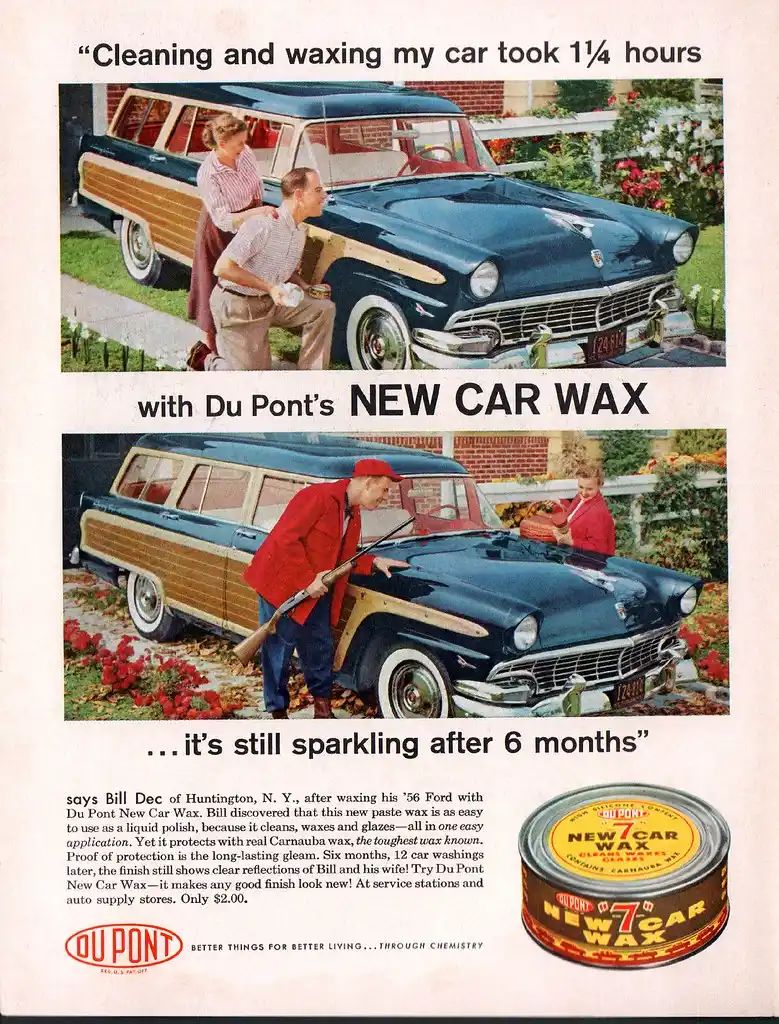
Carnauba wax is a natural palm-derived wax that gives a warm, deep, wet-look gloss. It beads water well and offers basic UV protection, which is why it still has a following among owners who value appearance over interval length. The trade-off is simple: the look is excellent, the life is short.
Why it needs frequent reapplication
Carnauba wax is often described as lasting only weeks before reapplication. Sun, wash chemicals, road film, and even routine drying all wear it down. On a car that sits outside, the useful window can shrink quickly, so the finish starts to feel like a repeating chore rather than a one-off detail.
Best fit for garage-kept or show-focused cars
Carnauba makes the most sense when the car is stored indoors, driven sparingly, and judged on appearance. A show car can justify the effort because the owner is chasing that warm finish on demand. A commuter usually cannot.
How ceramic wax behaves on real paint
Ceramic wax can use SiO2 or ceramic-type synthetic ingredients and comes in spray, paste, or liquid formats. It is usually easier to keep looking fresh because it leaves a slick finish and holds beading longer than traditional wax. Many consumer products are blends, though, so the label alone does not guarantee a pure ceramic formula.
Why it usually lasts longer
Consumer ceramic wax products are built for longer-lasting water behavior and easier upkeep. Some ceramic wax products last for months, while others claim up to a year. That range matters because the whole point is reduced labor: fewer full rewax sessions, easier wash-downs, and less time chasing protection every month.
Spray, liquid, and paste formats
Ceramic wax is often sold as a spray, and spray application can cover a 60 cm by 60 cm section before buffing. Spray wax application may require holding the nozzle about 20 cm from the surface. That format is handy for weekly maintenance, while paste and liquid versions can be better when a user wants a more deliberate application.
Is ceramic wax better than carnauba?
For most daily drivers, yes. Ceramic wax is usually better for UV, chemical, and water resistance, and it stays useful longer between applications. Carnauba still makes sense when the owner cares more about the warm finish than long protection, especially on garage-kept paint that does not face hard weather.
When carnauba still wins
Carnauba still wins for a show-car look, especially on dark colors where depth matters more than long-term beading. It can also be the right answer for owners who enjoy detailing and do not mind repeating the job every few weeks. If the routine is part of the hobby, the shorter life is less of a penalty.
How paint color changes the answer
Dark paint often flatters carnauba’s warm look. Light paint can make ceramic wax seem cleaner and more defined, because the finish reads as crisp rather than deep. That is why the “better” product depends on the visual goal, not only the chemistry.
Hybrid wax and ceramic coating: where each fits
Hybrid wax is the middle-ground category, usually blending ceramic ingredients with carnauba. It can give some of carnauba’s warmth and some of ceramic’s easier upkeep, but labeling varies widely by brand, so the name alone does not tell you what is inside. Ceramic coating is a different product class entirely.
Hybrid wax vs. carnauba wax
Hybrid wax is usually chosen when the owner wants more durability than pure carnauba without giving up all warmth. If the label is honest, it can be a useful compromise for a daily driver that still gets occasional attention on appearance. But the blend ratio and package claims matter more than the marketing name.
Hybrid wax vs. ceramic wax
Compared with ceramic wax, a hybrid often gives up some life span in exchange for a softer look. That makes it a middle step, not a clear winner. If maintenance time matters most, ceramic wax usually wins; if appearance is still the main goal, hybrid may be close enough to satisfy.
Why ceramic coating is different
Ceramic coating is a liquid polymer or silicon dioxide based product that bonds chemically to the surface. Ceramic coatings can last several months, and some professional coatings can last beyond a year. DIY ceramic coatings exist alongside professional coatings, but both are more prep-intensive than wax and are usually chosen for long-term protection rather than quick shine.
What prep and application actually matter
Prep is where many bad results start. Wash first, decontaminate or clay if needed, work on clean, cool paint, and strip old wax when bonding or durability matters. If old residue stays on the panel, even a good ceramic product can fail to bond the way the label suggests.
Why old wax residue causes problems
Old wax can block new wax or ceramic-type ingredients from sitting cleanly on the paint. That matters most when the goal is durability, not a temporary shine. If bonding matters and the panel still has layered residue, the new product may slide around on what is already there.
Tools that matter
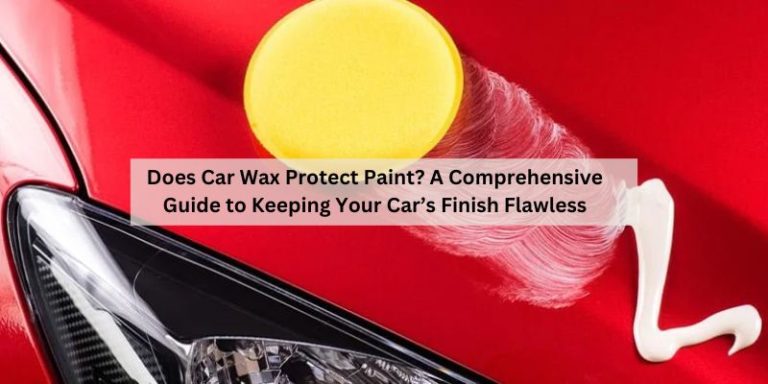
An applicator pad is the right tool for paste or liquid wax, because it spreads product in small sections without wasting material. A microfiber towel finishes the job by buffing off residue cleanly. Those two tools do more for the result than most fancy labels.
- Wash the car thoroughly.
- Decontaminate or clay the paint if it feels rough.
- Make sure the surface is cool and dry.
- Use an applicator pad for paste or liquid products.
- Buff residue with a clean microfiber towel.
- Recheck trim, emblems, and panel edges for residue.
Choose carnauba wax if… / choose ceramic wax if…
Choose carnauba wax if the car is garage-kept, driven lightly, and judged mostly on appearance. Choose ceramic wax if the car is a daily driver, sits outside, gets washed often, or needs longer-lasting water behavior with less rework. That is the clean split.
Choose carnauba wax if…
- You want a warm, deep, wet-look gloss.
- You do not mind reapplying every four to six weeks.
- The car is a show piece or weekend toy.
- The vehicle stays indoors most of the time.
Choose ceramic wax if…
- You want months of protection instead of weeks.
- You wash the car often and want easier upkeep.
- The car lives outdoors or sees harsh weather.
- You care more about time saved than old-school glow.
How it behaves on trim and plastics
Both products can leave residue on trim and plastics if the applicator runs careless along panel edges. Ceramic wax often dries cleaner, but neither product should be treated as trim-safe by default. Masking or careful wipe-back around textured plastic saves cleanup time later.
Decision matrix: pick the right wax for your routine

This is the useful part: choose by routine, not by hype. The best product is the one you can maintain without resenting the job. If you hate rewaxing, ceramic wax wins by default; if you enjoy regular detailing and want the warmest look, carnauba still has a lane.
| Scenario | Ceramic Wax | Carnauba Wax | Hybrid Wax | Recommendation |
|---|---|---|---|---|
| Frequent washing, weekly or near-weekly | 9/10 | 4/10 | 7/10 | Ceramic Wax |
| Garage-kept, low-mileage weekend car | 6/10 | 9/10 | 8/10 | Carnauba Wax |
| Hot, sunny, salty, or rainy climate | 9/10 | 5/10 | 7/10 | Ceramic Wax |
| Best gloss for dark paint | 7/10 | 10/10 | 8/10 | Carnauba Wax |
| Lowest prep tolerance | 6/10 | 8/10 | 7/10 | Carnauba Wax |
| Least yearly reapplication burden | 9/10 | 3/10 | 7/10 | Ceramic Wax |
Over a year, carnauba can mean a fairly frequent rewax schedule if the finish is kept in top condition, while ceramic wax can cut that down noticeably. The labor difference is the real savings, not the bottle price. For many owners, that is the deciding factor.
Time commitment in plain terms
Car wax can eat time because the car must be washed, dried, prepped, applied, and buffed. If that whole cycle happens every few weeks, the maintenance burden is obvious. Ceramic wax still needs prep, but the interval is long enough that the total yearly time usually drops.
Frequently asked questions
ceramic wax vs carnauba wax
Ceramic wax is the stronger maintenance choice for daily use, while carnauba is the appearance choice for warm gloss and short-term beauty. If the car sees weather, commuting, and frequent washing, ceramic usually makes more sense. If the car is stored, shown, or pampered, carnauba still has a clear role.
hybrid ceramic wax vs carnauba wax
Hybrid ceramic wax usually sits between the two. It can offer more durability than pure carnauba while keeping some of the softer visual warmth. The catch is that branding varies a lot, so the formula matters more than the label on the bottle.
ceramic spray wax vs carnauba wax
Ceramic spray wax is the easier maintenance product for regular upkeep, especially after a wash. It usually lasts longer and leaves a slicker finish, while carnauba gives that deeper show-car look. If the goal is fast protection with less repeat work, ceramic spray wax wins.
can you put ceramic wax over carnauba wax
You can, but old carnauba residue can interfere with bonding and shorten the result. If durability matters, wash thoroughly and strip the old wax as much as possible before applying ceramic wax. On dirty or layered surfaces, the newer product cannot work at full strength.
ceramic wax vs regular car wax
Compared with regular wax, ceramic wax usually brings longer-lasting beading and easier upkeep. Regular waxes sit on the surface and act as a barrier, but ceramic-type ingredients generally hold up better against water and weather. The trade-off is that ceramic products often ask for better prep.
hot carnauba wax vs ceramic wax
Hot carnauba wax is the choice for warm depth and short-term show gloss, while ceramic wax is the choice for longer service life and easier wash-downs. Heat, sun, and outdoor parking tend to favor ceramic because the protection lasts longer. The best-looking finish today is not always the best-maintained one next month.
Products related to this article
Sponsored / affiliate links. As an Amazon Associate I earn from qualifying purchases. I may earn additional commission from eligible campaigns.