What is Leaking from My Car: Identify Common Issues
Have you ever glanced under your car and noticed a mysterious puddle? It’s a sight that can send a shiver down your spine.
You might wonder, “What is leaking from my car? ” The good news is, you’re not alone. Many car owners face this puzzling situation, and understanding the different types of leaks can help you address them quickly. We’ll unravel the mystery behind those unwanted drips.
Whether it’s a harmless water leak or something more concerning like oil or coolant, knowing the signs can save you time, money, and potential headaches. By the end, you’ll feel more confident in identifying car leaks and deciding your next steps. Let’s get to the bottom of this and keep your car running smoothly.
Credit: www.endurancewarranty.com
Common Fluid Types
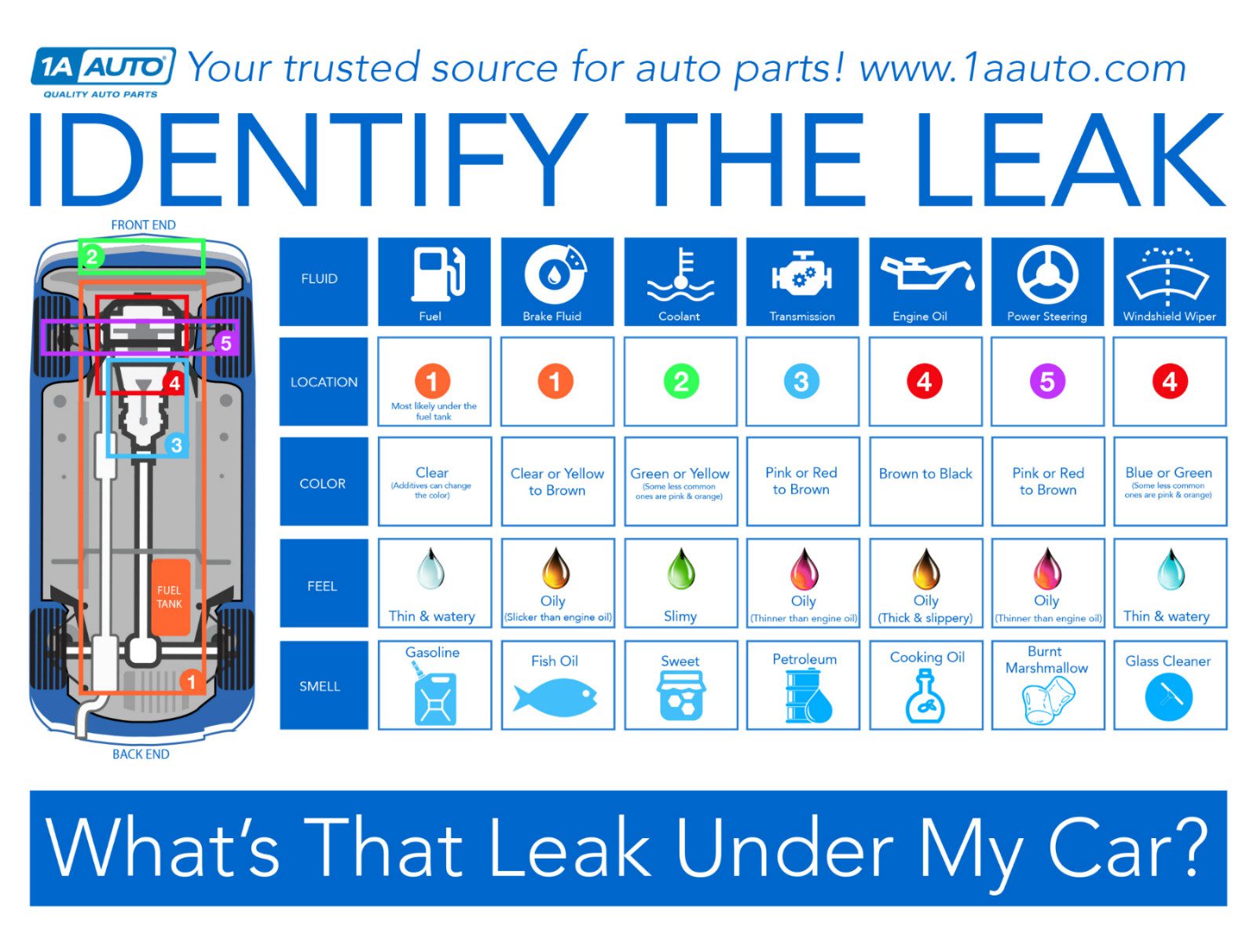
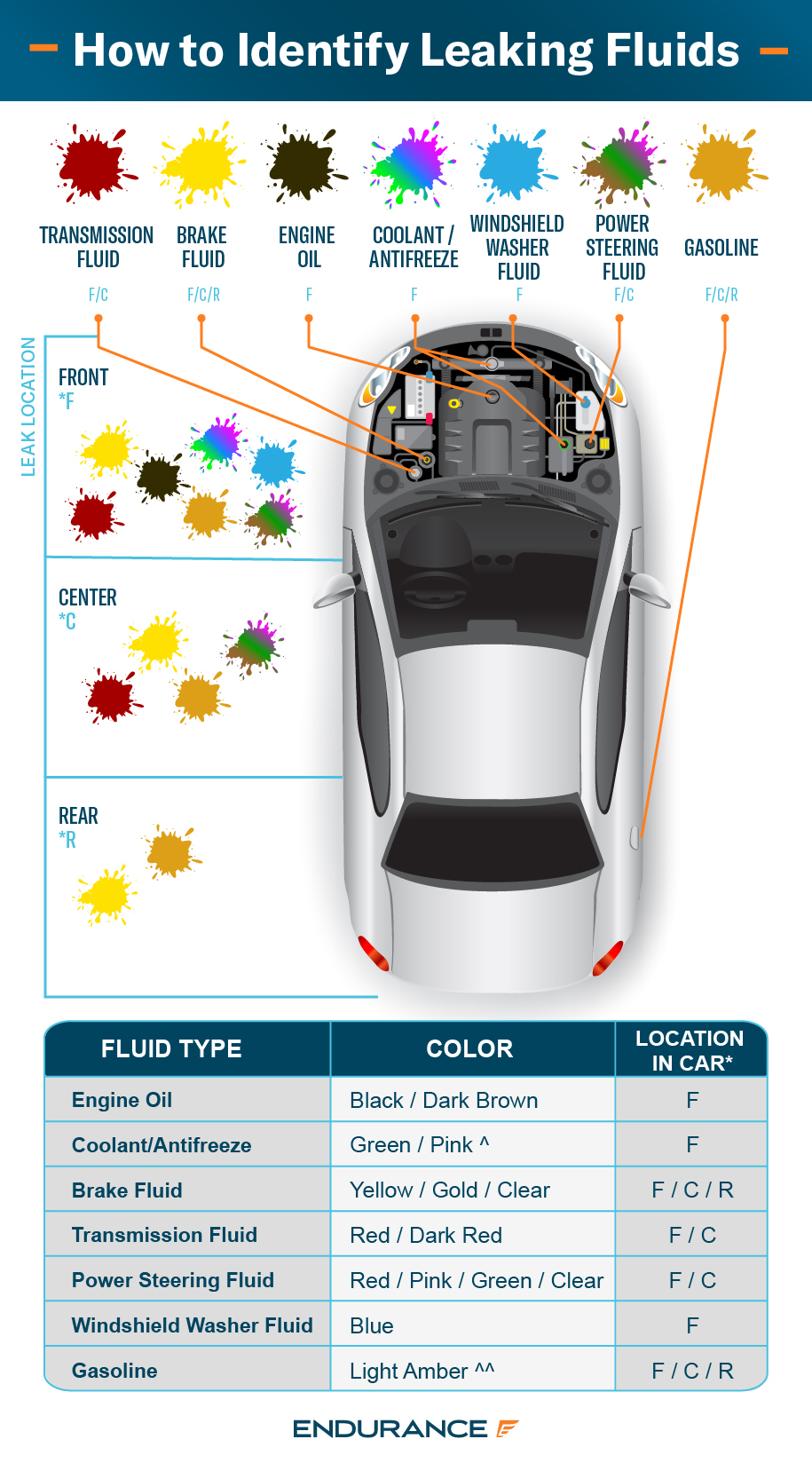
Engine oil is usually brown or blackand has a thick feel. It is very important for your car’s engine. This oil keeps the engine parts moving smoothly. Leaks can happen from the oil pan or valve cover. Check for oil spots under the car. This can be a sign of a leak. Always keep the engine oil at the right level.
Transmission fluid is often red or pinkin color. It helps the gears shift smoothly. A leak can make it hard to change gears. You might see spots near the front of the car. Low fluid can cause big problems for the car. Make sure the fluid stays full and clean.
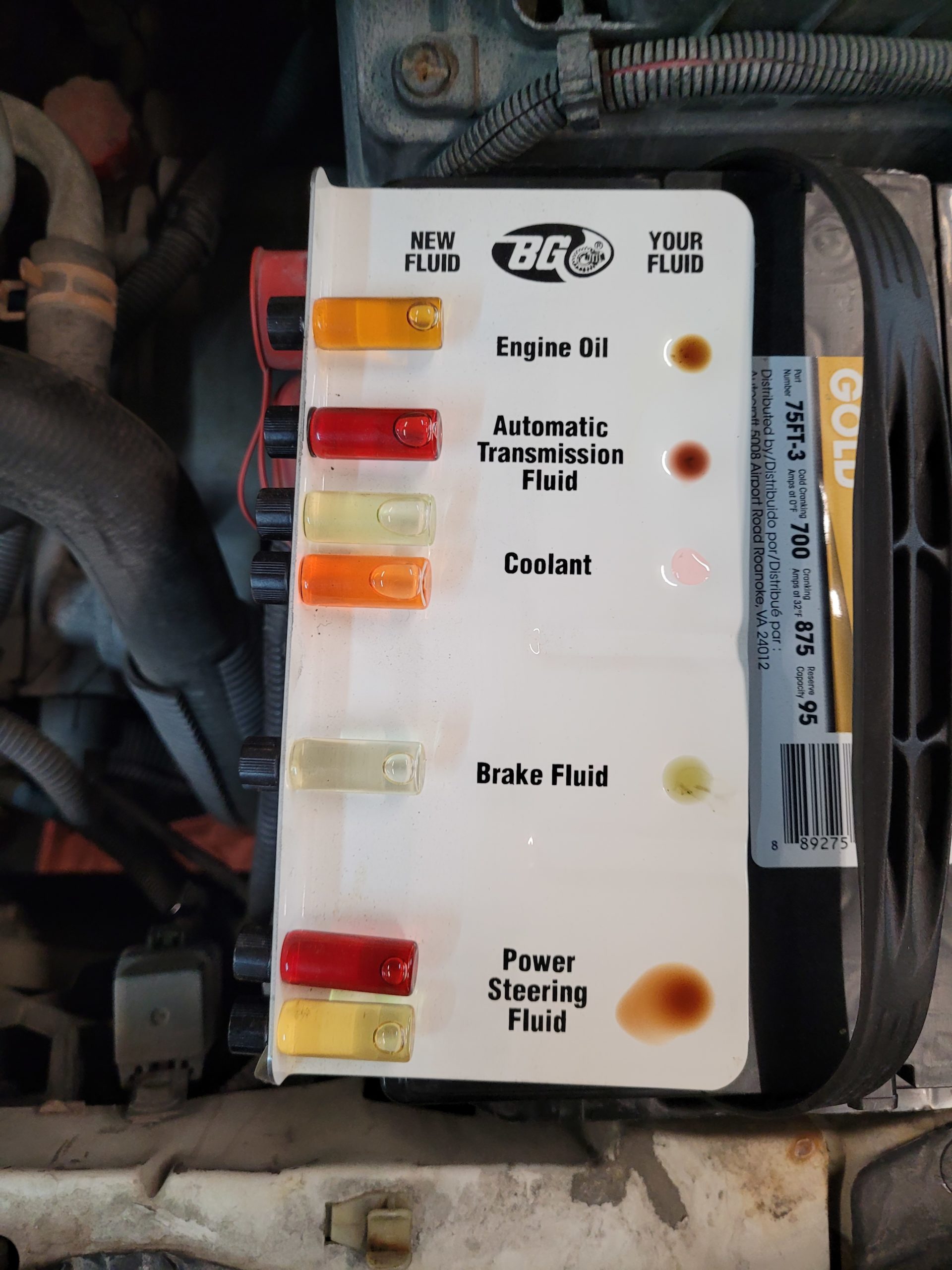
Coolant is usually green, yellow, or blue. It keeps the engine from getting too hot. A leak can make the car overheat. Look for spots under the radiator or hoses. Always check the coolant level. Never let it get too low. It is very important for engine health.
Brake fluid is often clear or yellow. It helps the brakes work well. A leak can make braking unsafe. Check for spots around the wheels. Low brake fluid can be very dangerous. Always keep the brake fluid at the right level. Safety first!
Power steering fluid is usually red or amber. It helps you turn the steering wheel easily. A leak can make steering hard. Look for spots under the steering system. Low fluid can cause steering problems. Keep the fluid full for smooth steering.
Identifying The Leak Source
Look under your car for wet spots. These spots can tell a lot. Clear liquid might be water. Red or pink spots can mean transmission fluid. Dark oil stains suggest an oil leak.
Use your nose for clues. Sweet smells might be coolant. Burnt smells can be oil. Gasoline smell is easy to spot. Colors help too. Green or orange liquid can be coolant. Brown liquid might be oil.
Check where the leak is. Front leaks might be engine-related. Middle leaks can be transmission. Back leaks could be from the fuel tank. Knowing the location is key.
Engine Oil Leaks
Engine oil leaks can happen for many reasons. Worn-out seals might cause leaks. Old gaskets often lead to oil dripping. Damaged oil pans can also leak oil. Cracks in the engine block may cause oil to escape. Loose oil filters can be a reason too. Regular checks can help avoid these problems.
There are clues for spotting oil leaks. Oil spots under the car are a big sign. The oil level may drop quickly. A burning smell might appear when driving. Smoke from the engine is a warning sign. An oil light on the dashboard is a signal too. Pay attention to these signs.
Credit: www.reddit.com
Transmission Fluid Leaks
Transmission fluid leakscan cause big problems for cars. Many cars have common leak points. These points include the transmission pan, seals, and gaskets. Cracks and holes in these areas often lead to leaks. A mechanic can check these parts for damage. Finding leaks early can save money. Regular checks help stop bigger issues.
Transmission fluid keeps gears working smoothly. It stops heat and friction. Losing fluid causes problems. Fluid losscan make gears grind or slip. Cars may not shift properly. This can lead to expensive repairs. Drivers should watch for signs of leaks. These signs include red spots under the car. Strange noises can also mean low fluid. Addressing leaks quickly helps maintain car health.
Coolant Leaks
Coolant leaks often come from the radiatoror hoses. A small crack in the radiator can cause leaks. Hoses can also wear out over time. They might develop holes or cracks. These leaks can be hard to spot. Look for puddles under the car. A sweet smell might be a clue.
Leaks can affect the engine’s temperature. The engine might get too hot. This is called overheating. Overheating can cause damage to the engine. It can even stop the car from working. Always keep an eye on the temperature gauge.
Credit: madhatterautorepair.com
Brake Fluid Leaks
Brake fluid leaks can be dangerous. Brake lines carry fluid to the brakes. Reservoirs hold extra fluid. Both can have issues. A cracked line may leak fluid. This makes braking hard. A damaged reservoir can also leak. Check these parts often. Small leaks can become big problems.
Leaking brake fluid is a serious safety concern. It can cause brakes to fail. Stopping the car becomes hard. This can lead to accidents. Always fix leaks quickly. Check fluid levels often. Ensure your car is safe. Protect yourself and others on the road.
Power Steering Fluid Leaks
Spotting liquid under your car might signal a power steering fluid leak. This fluid is typically reddish-brown and often has a distinct oily texture. Leaks can affect steering, making it difficult to control your vehicle safely.
Steering Pump And Hose Troubles
The steering pump can leak fluid. Fluid leakage might happen due to worn-out seals. Cracks in hoses can cause leaks too. Loose connections may lead to fluid dripping. Pay attention to the steering wheel. If steering feels hard, check for leaks. Fluid puddles under the car indicate a problem. Regular checks help spot issues early.
Driving Difficulties
Leaking fluid causes steering problems. Turning the wheel might become tough. Noise from the steering is a warning sign. Fluid loss affects steering performance. Sluggish steering can be dangerous. Fix leaks to ensure safe driving. Timely repairs prevent further damage.
Diagnosing Leaks
Check under the car for any wet spots. These spots can be oil, coolant, or other fluids. Smell the liquid to identify it. Oil smells different from coolant. Use a flashlight to see better.
Add a special dye to the fluid. Drive the car for a short time. Use a UV light to find leaks. The dye will glow under the UV light. This helps you find the exact place of the leak. It’s like playing detective with your car.
Preventative Measures
Regular checks keep your car safe. Look for leaks under the car. Check oil and coolant levels often. Inspect hoses and belts for wear. Replace them before they break. Check tires for air leaks too. Don’t forget the brakes. They must work well.
Old parts cause trouble. Replace worn parts quickly. Watch for signs of wear. Listen for strange noises. Feel for vibrations while driving. Notice odd smells. These signal problems. Change parts like filters and spark plugs. Keep your car running smoothly.
When To Seek Professional Help
Noticing unusual liquid under your vehicle may be alarming. Different fluids like oil, coolant, or brake fluid can leak, causing potential harm. It’s crucial to consult a professional mechanic promptly to identify the issue and prevent further damage.
Complex Leak Situations
Car leaks can be tricky. Some leaks are simple to fix. Others can be more complex. Coolant, oil, or brake fluid leaks can be serious. Complex leaks need expert care. A mechanic can identify the exact issue. They have tools and skills. It’s important to act fast.
Signs Of Severe Damage
Severe leaks can damage your car. Puddles under the car are a warning. Strange smells are not good. Smoke or steam from the engine is bad. Dashboard lights may turn on. These are signs of serious problems. You should not ignore them. Professional help is needed to keep your car safe. Regular checks can prevent big issues.
Frequently Asked Questions
What Are Common Car Fluid Leaks?
Cars commonly leak oil, coolant, transmission fluid, brake fluid, and power steering fluid. Each fluid serves a unique purpose in your vehicle. Identifying the type of fluid can help determine the cause. Regularly checking fluid levels can prevent leaks and ensure your car is running smoothly.
How Do I Identify A Car Fluid Leak?
To identify a leak, observe the fluid’s color and consistency. Oil is typically brown or black, while coolant is green or orange. Transmission fluid is red, brake fluid is clear, and power steering fluid is light brown. Knowing these characteristics can aid in pinpointing the leak source.
Why Is Oil Leaking From My Car?
Oil leaks often stem from worn-out gaskets, seals, or faulty oil pans. These components degrade over time, causing leaks. Regular maintenance and inspections can prevent leaks. Addressing oil leaks promptly is crucial to avoid engine damage and ensure optimal performance.
Can A Coolant Leak Damage My Engine?
Yes, coolant leaks can lead to engine overheating, causing severe damage. Coolant regulates engine temperature, preventing overheating. A leak disrupts this balance, potentially leading to costly repairs. Regularly checking coolant levels and inspecting hoses can prevent leaks and protect your engine.
Conclusion
Identifying car leaks early saves time and money. Always check for unusual spots. Different fluids have distinct colors and smells. Regular maintenance helps prevent leaks. Listen to your car. It often tells you when something’s wrong. Stay alert to changes in performance or noise.
A quick inspection can stop bigger issues. Leaks might seem small but can lead to larger problems. Keep your vehicle in top shape with periodic checks. Your car will run smoothly and safely. Remember, a little attention goes a long way.
Drive with confidence. Stay safe on the road.