Wheel Cribs for Cars: What They Are and Best Options
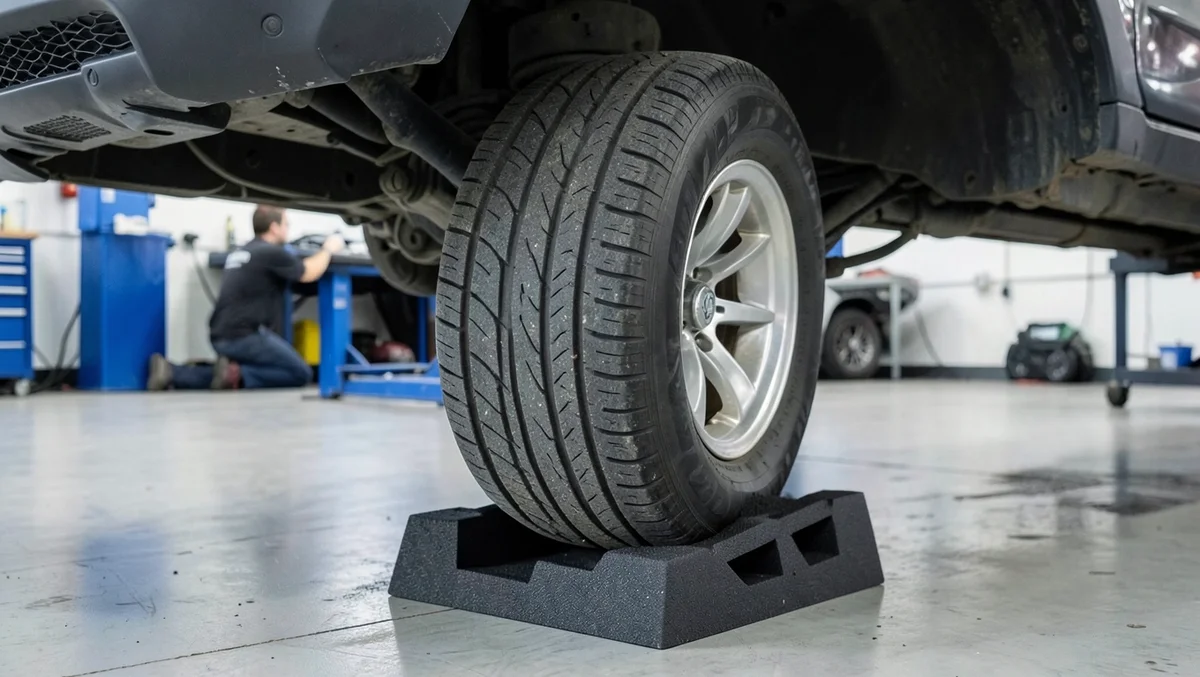
A wheel crib is a solid support block that cradles a tire off the ground, giving you clearance to work underneath a car without driving up a ramp or relying on a jack. It’s a different tool than a wheel chock (which only stops a tire from rolling) or a jack stand (which supports the frame, not the wheel).
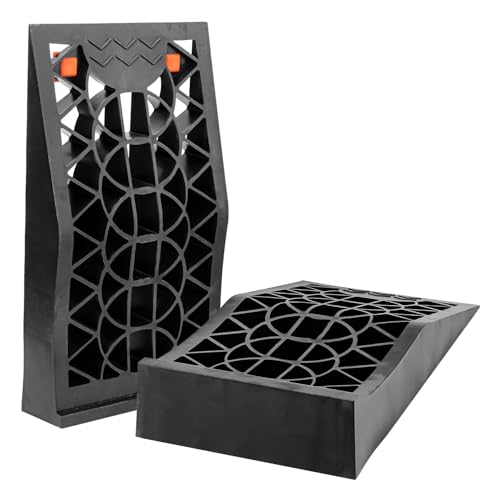
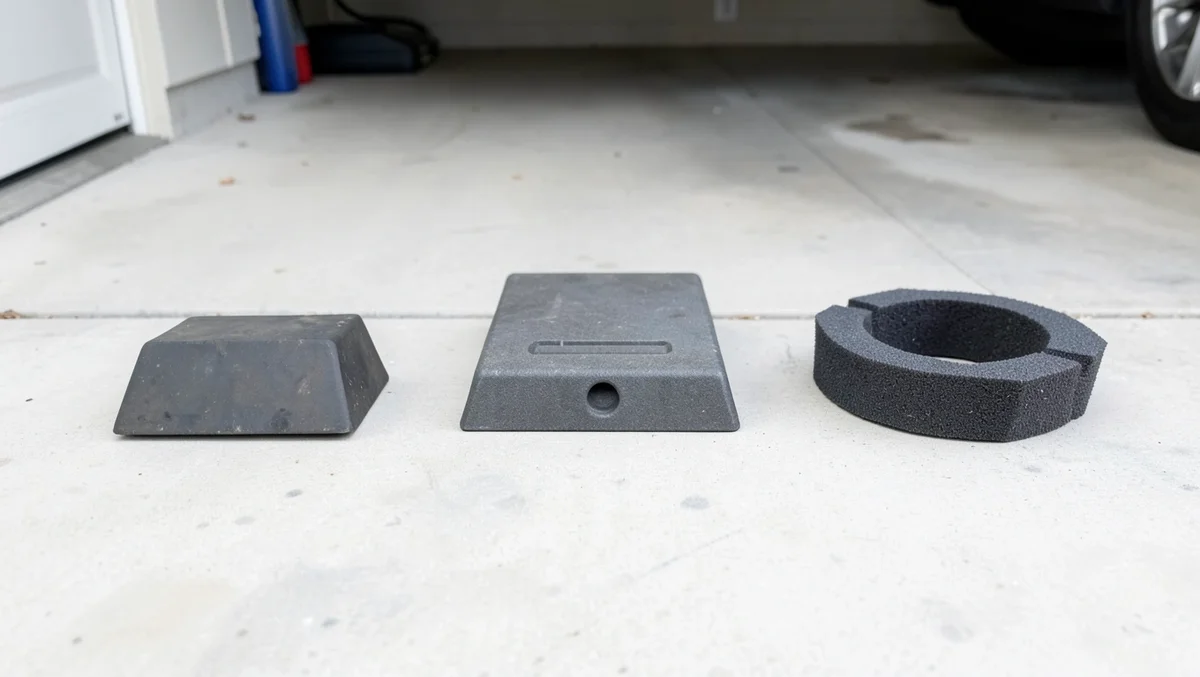
The term comes from Race Ramps, which trademarked “Wheel Cribs” for its two-piece foam cradle that lifts a tire straight up without any incline to drive onto. Since then, “wheel crib” has become a loose catch-all for similar cradle-style supports from other brands, including adjustable versions like ROBLOCK’s wheel cradle line. Below, we cover what a genuine wheel crib does, how it differs from ramps and chocks, and which products are worth buying for maintenance, storage, or car-show display.
What Is a Wheel Crib? (Cribs vs. Ramps vs. Chocks vs. Jack Stands)
These four tools all show up in the same garage, but they solve different problems. Mixing them up can leave you without the clearance or stability you actually need for the job.
| Tool | What It Does | Typical Lift | Best For |
|---|---|---|---|
| Wheel crib / cradle | Cradles the tire itself off the ground; no driving up an incline | 3–14 in., depending on model | Oil changes, detailing, car storage, display |
| Drive-up ramp | You drive the tire up an angled surface to raise ride height | 2.6–6.25 in. typical | Quick maintenance on sedans and SUVs |
| Wheel chock | Wedges against a tire to stop it rolling; does not lift anything | None – ground level | Safety backup on the wheels you are NOT lifting |
| Jack stand | Supports the vehicle’s frame or pinch weld after jacking | Several inches to over a foot | Full-vehicle lifts and under-car work |
In practice, most home mechanics combine these: wheel cribs or ramps to raise the end you’re working on, and wheel chocks behind the wheels that stay on the ground so the car can’t roll while you’re underneath it.
ADJUSTABLE WHEEL CRADLE PICK
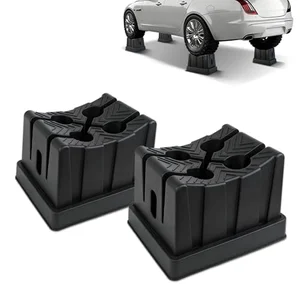 |
ROBLOCK 11″ Adjustable Wheel Cradle, 2-Pack – $239.99 A modern take on the original wheel crib concept – it cradles the tire at either an 8″ or 11″ height for maintenance, storage, or display.
|
Race Ramps: The Brand That Coined “Wheel Cribs”
Race Ramps’ original RR-WC-12 Wheel Cribs are the product that gave this category its name: a two-piece, solid high-density foam cradle that supports up to 1,500 lbs. per crib (3,000 lbs. per set) while fitting tires up to 12 inches wide, at a 12-inch lift height. They’re lightweight (about 14 lbs. for the pair) and won’t scratch garage floors, which is why they became popular for supercar owners and detailers alike. As of this writing, the original 12-inch RR-WC-12 sets are showing as out of stock on Amazon, so we can’t recommend a live purchase link for that specific size.
Race Ramps still sells a larger, currently in-stock version – the 14″ Two-Piece Supercar Wheel Cribs, built for tires up to 16 inches wide and 24–30 inches in diameter, with the same 1,500-lbs.-per-crib capacity. It’s a premium price point, but it’s the closest thing to the original product still available new.
Ramps and Wheel Chocks: Complementary Tools for the Job
If a dedicated wheel crib isn’t the right fit for your car or budget, drive-up ramps do a similar job for less money – and a wheel chock should go behind the wheels you’re not lifting either way.
MaxxHaul 50515 6.25″ Lift Car Ramps, 2-Pack
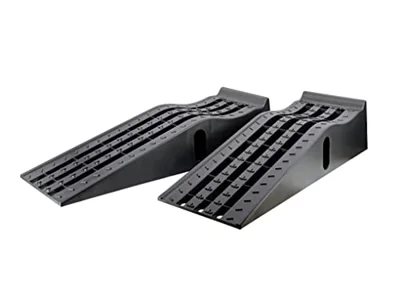
The MaxxHaul 50515 6.25″ Lift Car Ramps are a straightforward drive-up alternative to a wheel crib when you just need extra clearance for an oil change or a quick inspection.
Pros
- 3,250 lbs. per ramp (6,500 lbs. GVW per pair), enough for most cars and light trucks.
- 6.25-inch lift height gives real working room under the vehicle.
- Rubber stops on the base help keep the ramp from sliding on smooth concrete.
Cons
- You still have to drive up them accurately, which a cradle-style crib avoids.
- Not low-profile enough for cars with aggressive front splitters – check clearance first.
Check the current price on Amazon.
ROBLOCK Low-Profile Car Ramps, 2-Pack
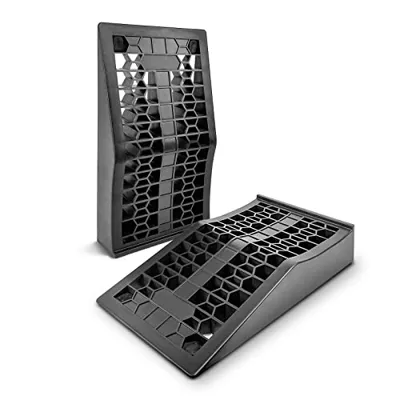
Note: this is a different ROBLOCK product from the adjustable wheel cradle featured earlier – these are flat drive-up ramps, sized specifically for cars with very little ground clearance.
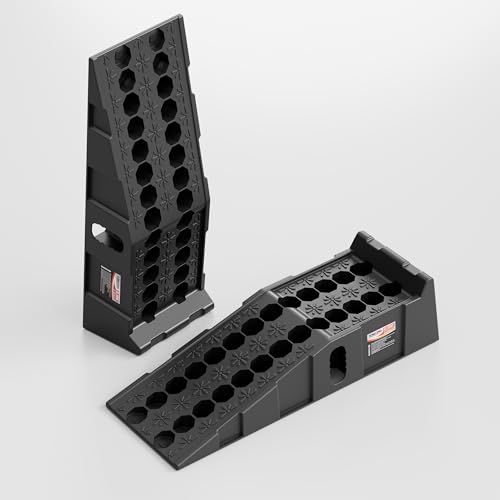
The ROBLOCK low-profile ramps are built for sports cars and other low-chassis vehicles where a standard-height ramp would scrape the front splitter or lip. At 17.5 inches long, 10 inches wide, and 3.14 inches thick, they give a real lift height of about 2.6 inches – the extra material is the ramp’s base, not additional height.
Pros
- Low-profile shape clears aggressive front splitters that standard ramps can’t.
- Only about 5.3 lbs. each, so they’re easy to carry and store.
- Heavy-duty construction despite the compact size.
Cons
- The 2.6-inch lift is enough for oil changes and inspections, but not for larger repairs.
- Weight capacity is lower than heavier-duty ramps – check your vehicle’s specs first.
Check the current price on Amazon.
MaxxHaul Solid Rubber Wheel Chock, 2-Pack
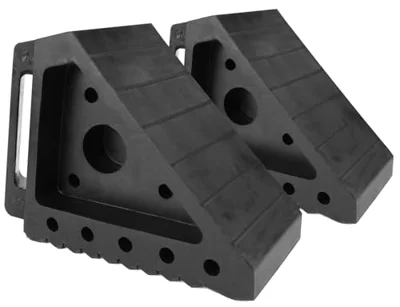
This is worth pairing with any crib or ramp setup, not using instead of one. A wheel chock doesn’t lift or support the vehicle – its job is to keep the wheels that stay on the ground from rolling while the other end of the car is elevated.
Pros
- Solid molded rubber resists cracking and weather damage better than hollow plastic chocks.
- Compact 8″ x 4″ x 6″ size fits behind tires or in a storage compartment.
- Non-slip traction pads grip pavement, gravel, and garage floors.
Cons
- Solid rubber makes these heavier than hollow chocks – a minor tradeoff for the added durability.
Check the current price on Amazon.
Frequently Asked Questions
What Is a Wheel Crib Used For?
A wheel crib cradles a tire off the ground so you can work underneath the car, store it without flat-spotting the tires, or raise it slightly for display. Unlike a ramp, you don’t drive up an incline to use one – the wheel sits directly in the cradle.
How Are Wheel Cribs Different From Car Ramps?
A ramp is an angled surface you drive up to raise ride height. A wheel crib is a fixed-height cradle that the tire sits in directly, with no driving required. Cribs are generally easier to position precisely and won’t let the vehicle roll off during positioning the way a poorly aligned ramp attempt can.
Are Wheel Cribs Safe to Use Instead of Jack Stands?
For light jobs like oil changes, detailing, or tire inspections, quality wheel cribs are rated to support the vehicle safely. For work that requires you to be fully underneath the car for an extended time, most manufacturers – including Race Ramps – still recommend pairing cribs or ramps with rated jack stands for extra redundancy.
What Is the Weight Capacity of Race Ramps Wheel Cribs?
Race Ramps’ original 12-inch Wheel Cribs (RR-WC-12) are rated for 1,500 lbs. per crib, or 3,000 lbs. per set of two. The larger 14-inch Supercar Wheel Cribs carry the same 1,500-lbs.-per-crib rating but fit wider tires. Always check the specific model’s listed capacity against your vehicle’s actual weight before use.
Should You Still Use Wheel Chocks With a Wheel Crib?
Yes. A wheel crib only supports the wheels it’s placed under. Chock the wheels that remain on the ground so the vehicle can’t roll while you’re working, the same way you would with a ramp or a jack stand setup.
Conclusion
A genuine wheel crib cradles the tire itself, giving you clearance for maintenance, safer long-term storage, or a raised display without driving up a ramp. Race Ramps popularized the category, and options like ROBLOCK’s adjustable cradle now offer a similar lift at a lower price point. If a dedicated crib doesn’t fit your budget or your car, a low-profile drive-up ramp does much the same job.
Whichever tool you choose, always chock the wheels you’re not lifting, and pair any crib or ramp with rated jack stands for extended work underneath the car. If you’re setting up for a full lift instead of just raising one end, our guide on how to lift a car for an oil change safely at home walks through the jack-and-stand process step by step.
Products related to this article
Sponsored / affiliate links. As an Amazon Associate I earn from qualifying purchases. I may earn additional commission from eligible campaigns.