Who Buys Cars With Blown Engines? Real Buyers and Fair Prices
Yes, real buyers want cars with blown engines. Salvage yards, online junk-car-buying services, used-parts dealers, engine rebuilders, and private hobbyists all pay cash for vehicles with dead engines, usually within a day or two of a phone call or online quote.
A blown engine does not make a car worthless. It changes who wants it and why. Some buyers want the working parts around the engine – the transmission, alternator, and body panels. Others want the block and heads themselves for a rebuild. A few just want a cheap project to fix up on weekends.
Below is who actually buys these cars, how much a blown engine typically knocks off the price, and how to make sure you are not selling too low – or to the wrong buyer.
Confirm It Is Actually a Blown Engine First
Before you price the car as a total loss, make sure the engine is genuinely blown and not something cheaper. A dead battery, a bad starter, or a blown fuse can all mimic a “dead car” without any internal engine damage. Real blown-engine signs include a knocking or grinding noise before it died, smoke from the exhaust or under the hood, oil or coolant mixed together on the dipstick, or the engine turning over without starting at all. Our full guide on how to tell if a car engine is blown walks through each of these signs in detail.
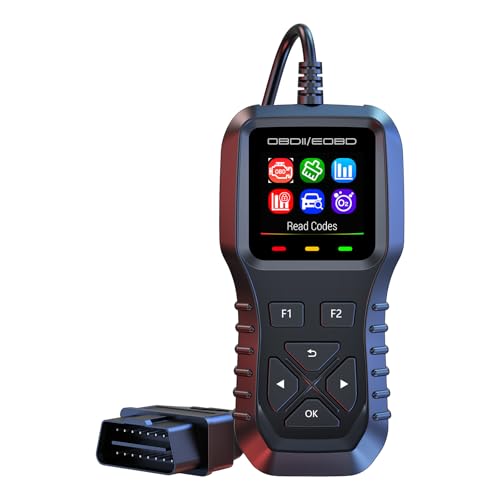
A cheap OBD2 scanner can help here too. It will not diagnose a cracked block on its own, but it can rule out a simpler, cheaper problem (a sensor code, a misfire, or an emissions fault) before you assume the worst and price the car like scrap.
RULE OUT A CHEAPER FIX FIRST
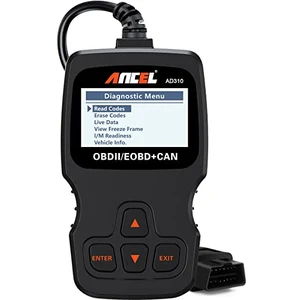 |
ANCEL AD310 OBD2 Scanner – $29.99 Pulls the engine fault codes in seconds so you know for certain the engine (not a sensor or fuse) is the real problem before you price the car.
|
7 Types of Buyers for a Car With a Blown Engine
1. Salvage Yards and Auto Recyclers
Salvage yards are usually the fastest and most reliable buyers. A blown engine does not hurt the rest of the car – the transmission, seats, mirrors, and electronics are often still good and get resold as used parts. What is left over gets crushed and sold as scrap steel and aluminum. Most yards will quote a price over the phone or online and tow the car for free.
2. Online Junk Car Buying Services
Services such as CarBrain, Peddle, and DamagedCars specialize in buying cars with mechanical damage, including blown engines. You submit the car’s details online, get an offer within a day, and they arrange the tow – usually for free. These services do not fix or resell the car themselves; they act as a broker to salvage yards and parts buyers, so their offers tend to reflect scrap and parts value rather than a repaired car’s worth. Compare a couple of quotes before accepting, since offers can vary by a few hundred dollars between services.
3. Used Parts Dealers and Engine Rebuilders
A blown engine is not automatically worthless as an engine. If the block, heads, or crankshaft are intact, an engine rebuilder may want it for cores or machine-shop rebuilding. Dealers who specialize in used parts will also look at the rest of the drivetrain – a working transmission or rear axle can be worth more than the scrap value of the whole car.
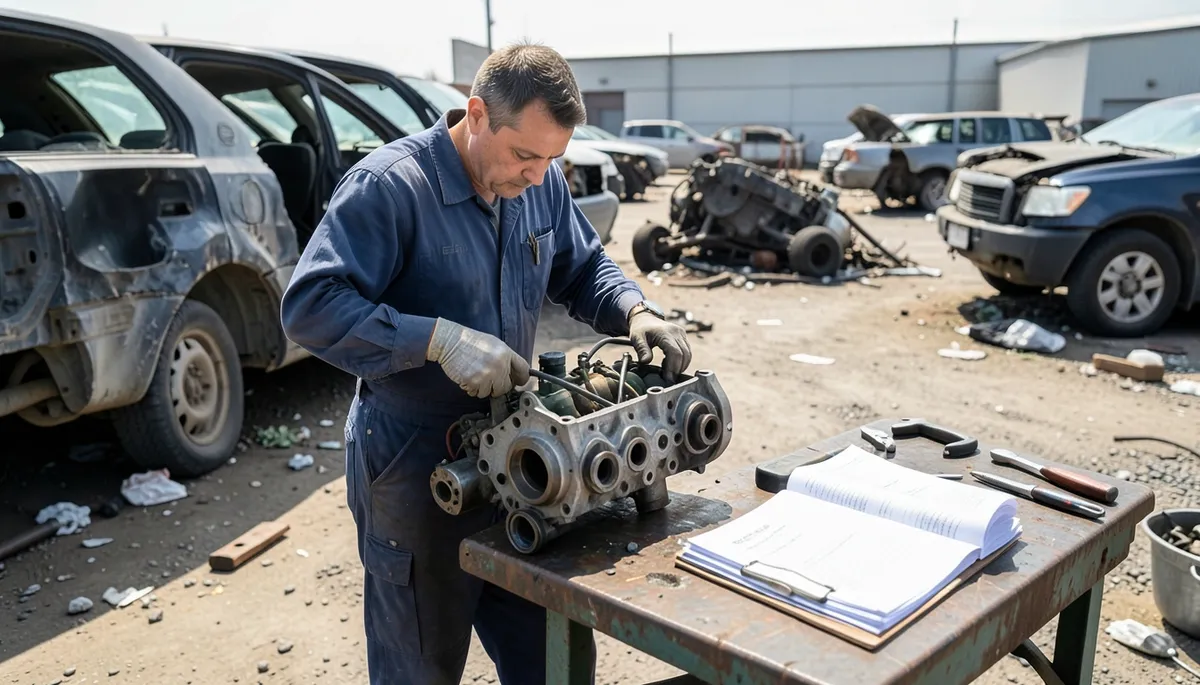
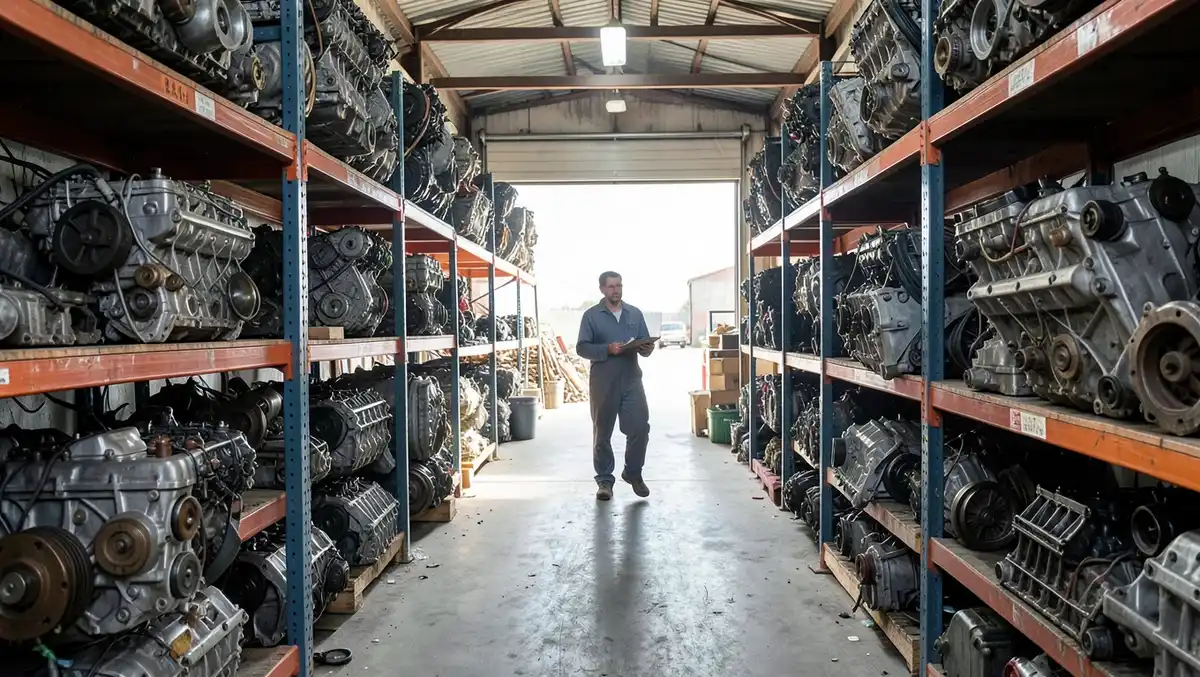
This is also where the resale market really shows itself: buyers who plan to fix and flip an engine want to see the vehicle in person, and a warehouse of used engines and transmissions like the one below is a normal sight at these buyers’ shops.
4. Private Buyers: DIY Mechanics and Hobbyists
Some buyers actively look for cars with blown engines. They plan to install a used or rebuilt engine themselves and either keep the car or resell it once it runs. This is common with older, simpler vehicles that are cheap to source engines for. These buyers usually pay less than a service, but more than scrap value, since they are betting on their own labor to make the car worth more.
5. Auto Repair Shops (Fix-and-Flip)
Some auto repair shops buy cars specifically to repair and resell. They have the labor and parts sourcing in-house, which keeps their repair cost lower than a private buyer’s, so they can pay you a bit more for the car and still turn a profit once it is fixed and sold.
6. Used Car Dealers
Dealers sometimes buy damaged cars in a popular model or trim, repair them, and resell to buyers who care more about the car itself than a clean repair history. This is more of a niche path and depends heavily on the car’s make, model, and how in-demand it is used.
7. Export and Overseas Buyers
Exporters and overseas buyers sometimes purchase damaged US vehicles for parts or lower-cost overseas repair. If you go this route, expect the buyer (often a broker) to handle export paperwork and shipping, and confirm you still hold a clean, transferable title – most legitimate exporters will not touch a car without one. This is usually a smaller, slower part of the market compared to a local salvage yard or online buying service.
Blown Engine vs. Car Value: When Selling As-Is Beats Repairing
Mechanics commonly use the 50% rule: if a single repair costs more than half the car’s current market value, replacement (or in this case, selling as-is) usually makes more financial sense than fixing it. A full engine replacement typically runs $4,000 to $10,000 at a shop, while a used or rebuilt engine swap can come in around $1,500 to $5,000 depending on the car and the shop. Look up your car’s current value on a site like Kelley Blue Book first, then compare that number to the real repair quote – not a rough guess – before deciding.
An older economy car worth $2,500 with a $5,000 engine-replacement quote is a clear sell-as-is candidate. A newer, higher-value car where the repair is well under half its worth may be worth fixing and keeping, or fixing and selling for more than a junk-car offer would pay.
How Much Is a Car With a Blown Engine Worth?
There is no single number – a blown-engine offer depends on a few things buyers weigh differently:
- Make, model, and year – popular, in-demand models keep more parts value than rare or unpopular ones.
- Extent of the damage – a cracked block that also damaged the transmission is worth less than a blown engine sitting in an otherwise clean car.
- Scrap and parts value – current steel and aluminum scrap prices, plus how much of the rest of the car (tires, electronics, body panels) is still sellable.
- Title status – a clean, in-hand title gets a better offer than a lost or salvage title. If you do not have the title, our guide on how to scrap a car without a title covers your options.
Where to Sell a Car With a Blown Engine
Once you have picked a buyer type, get two or three offers before you commit – a salvage yard, an online junk-car service, and a private buyer can quote very differently for the same car. Be upfront about the engine issue and any other damage in your listing or quote request; a buyer who tows the car and finds surprise damage will usually lower the offer on the spot.
The paperwork side – the title, bill of sale, removing your plates, and notifying the DMV – is the same whether the car has a blown engine or just will not start for another reason. Our full walkthrough on how to sell a car that does not run covers that process step by step, including a full pricing and paperwork checklist.
Frequently Asked Questions
Is a Car With a Blown Engine Worth Anything?
Yes. A car with a blown engine still has parts, scrap metal, and sometimes engine-core value even though it cannot be driven. Salvage yards, online junk-car services, and repair shops routinely pay cash for these vehicles. The exact amount depends on the car’s make, model, condition, and title status.
Where Can I Sell a Car With a Blown Engine?
Local salvage yards and junkyards are usually the fastest option. Online junk-car buying services such as CarBrain, Peddle, and DamagedCars also buy vehicles with engine damage and typically arrange free towing. You can also list the car on Facebook Marketplace or Craigslist for private buyers, mechanics, or hobbyists looking for a project.
Will Anyone Buy a Car With a Blown Engine if I Do Not Have the Title?
It depends on the buyer and your state. Most salvage yards and junk-car services can still buy a car without a title if you can prove ownership another way, but requirements vary by state and by buyer. See our guide on how to scrap a car without a title for the documents most buyers will accept instead.
Will CarMax Buy a Car With a Blown Engine?
CarMax will evaluate a car with a blown engine, but it does not specialize in mechanically damaged vehicles the way a junk-car buying service does. Expect a lower offer than a running car of the same model, and note that you typically have to bring the car in for an in-person appraisal, which means arranging your own tow.
How Much Less Is a Car Worth With a Blown Engine?
There is no fixed percentage, since it depends on repair cost versus the car’s value. As a rough guide, mechanics use the 50% rule: if the repair (often $4,000 to $10,000 for a full replacement) costs more than half the car’s market value, most buyers will price it closer to parts and scrap value rather than a repaired car’s worth.
Is It Legal to Sell a Car With a Blown Engine?
Yes, selling a car with a blown engine is legal in every US state as long as you hold a valid title (or can meet your state’s alternative-proof requirements) and are honest about the car’s condition. Most private sales and junk-car purchases are done “as-is,” but disclosing known issues protects you from a dispute later.
Conclusion
A blown engine does not mean your car is worthless – it means the buyer pool shifts from used-car shoppers to salvage yards, parts dealers, junk-car services, and hobbyists who see value in what is left. Confirm the diagnosis, get a couple of offers, and be upfront about the damage, and you can usually sell the car within a few days.
Products related to this article
Sponsored / affiliate links. As an Amazon Associate I earn from qualifying purchases. I may earn additional commission from eligible campaigns.