Where Can I Get Cheap Tires for My Car? 5 Best Places to Buy
The cheapest places to buy tires for most cars are Walmart Auto Care Centers, Sam’s Club Tire & Battery Centers, Costco Tire Center, Discount Tire (and its online arm, America’s Tire), and online sellers like Tire Rack and SimpleTire. Each one prices differently and has its own membership rules, so the “cheapest” option really depends on which retailer is nearby and whether you already carry a warehouse club card.
Tires are sized and rated to your specific vehicle, so there’s no single “cheap tire” that fits every car — the real savings come from knowing which retailers charge the least for installation, which budget brands hold up reasonably well, and when in the year prices actually drop. This guide walks through all three.
Compare the Cheapest Places to Buy Tires for Your Car
TREAD DEPTH CHECK TOOL
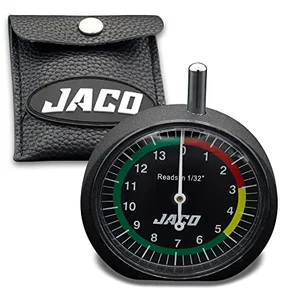 |
JACO TreadPro Tire Tread Depth Gauge – $15.90 Whichever shop you buy from, a gauge like this lets you verify exact tread depth yourself instead of trusting a salesperson’s estimate — especially useful when you’re comparing used, closeout, or take-off tires.
|
Here’s how the most common places to buy tires stack up on membership rules, typical pricing, and what’s included with the purchase:
| Retailer | Membership Required? | Typical Pricing | Installation Included? | Good to Know |
|---|---|---|---|---|
| Costco Tire Center | Yes — no exceptions | Below average | Yes, plus free lifetime rotation, balancing, and flat repair | Non-members cannot buy tires or get service, even for an existing set |
| Sam’s Club Tire & Battery Center | Preferred, not required | Below average | Yes on qualifying purchases | Non-members can still use the counter but pay a 10% surcharge on services |
| Walmart Auto Care Center | No | Average to below average | Yes, walk-in | Over 2,500 U.S. locations with no membership needed |
| Discount Tire / America’s Tire | No | Average, frequent sales | Yes | Price-match guarantee at most locations, plus free rotation and flat repair with purchase |
| Online (Tire Rack, SimpleTire, Amazon) | No | Often the lowest sticker price | No — ships to a local installer or your door | Easiest way to compare your exact size across dozens of brands at once; add the installer’s mount-and-balance fee before comparing totals |
Costco vs. Sam’s Club vs. Walmart: Which Warehouse Option Is Cheapest?
Warehouse clubs are usually the cheapest option if you already pay for a membership, but the fine print is different at each one. Costco is strict: you cannot buy tires, book an installation, or even get an existing Costco-bought tire serviced without an active membership. Sam’s Club is more flexible — non-members can still use the Tire & Battery Center, they just pay a 10% surcharge on services, which can still work out cheaper than a non-membership retailer if the base price is low enough.
Walmart skips the membership question entirely. Its Auto Care Centers sell tires and handle mounting and balancing with no card required, which makes it a solid default if you don’t already belong to a warehouse club or don’t want to buy a membership just to get a cheaper set of tires. If you do have a Sam’s Club card, our full breakdown of what Sam’s Club’s Tire & Battery Center actually covers is worth reading before you go, since road hazard coverage and rotation policies vary by membership tier.
Budget Tire Brands That Are Actually Worth Buying
Sticking to a smaller list of budget tire brands is a real way to cut cost without buying blind. Brands like Fullway, Accelera, Kumho, Nexen, and Cooper sit a tier below premium names like Michelin or Bridgestone, but they’re not the same as buying an unknown off-brand tire from a flea market. The honest way to compare them is by checking the UTQG (Uniform Tire Quality Grading) rating printed on the sidewall — it gives you a standardized treadwear, traction, and temperature score you can use to compare any two tires, regardless of brand.
- Independent testing consistently shows budget tires trail premium brands most on wet braking distance and long-term tread life — expect a shorter replacement interval, not necessarily a dangerous one.
- Match the exact size, load index, and speed rating on your door-jamb sticker, not just whatever size looks close on the listing — a wrong load or speed rating can void your insurance claim in a crash.
- Budget tires make the most financial sense on older, lower-value vehicles or for drivers who replace tires on a set schedule rather than putting on 60,000+ highway miles between changes.
Is It Safe to Buy Used Tires?
Used tires can be a legitimate way to save money, but only if you actually check them rather than trust the seller’s word. Two things matter more than price: age and tread depth.
- Check the DOT date code. The last four digits of the DOT code on the sidewall are the week and year of manufacture (e.g., “2223” means the 22nd week of 2023). Tire manufacturers and safety groups generally recommend replacing any tire that’s 6 to 10 years old, regardless of how much tread is left — the rubber compound degrades over time even if the tire looks fine.
- Measure the tread, don’t eyeball it. A tread depth gauge (like the one above) gives you an exact 1/32-inch reading. Anything below 4/32 inch is worth negotiating on price; below 2/32 inch, the tire is legally worn out in most states.
- Inspect the sidewalls. Cracking, bulges, or uneven wear patterns are signs of a tire that’s been sitting, underinflated, or damaged — walk away regardless of how cheap it is.
- Be more cautious about front/steer position. A used tire with unknown history is a more reasonable risk on a spare or rear position than on the front steer tires of a front-wheel-drive car.
When to Buy Tires for the Lowest Price
Timing can shave as much off the price as picking a cheaper brand. Tire manufacturers typically run mail-in rebates twice a year — spring (March–April) and fall (October–November) — often stacking $50 to $100 off a set of four on top of a retailer’s own discount. Black Friday and the days around it are also reliably strong for tire deals at Walmart, Discount Tire, and the warehouse clubs. The worst time to shop is the day your current tire fails: emergency same-day replacements rarely come with a discount, and you’re stuck with whatever’s in stock. If you want a full breakdown of what a set of four should cost by size and brand tier before you start comparing retailer prices, our guide to car tire pricing in the USA covers that in more depth.
Frequently Asked Questions
Where can I find the cheapest tires for my car?
Walmart, Sam’s Club, Costco, Discount Tire, and online retailers like Tire Rack and SimpleTire are the most consistent sources of low prices. Walmart and Discount Tire don’t require a membership, while Costco and Sam’s Club often beat both on price if you already carry a card. Compare the total cost including installation, not just the per-tire sticker price.
Do I need a membership to buy tires at Costco or Sam’s Club?
Costco requires an active membership with no exceptions — non-members can’t buy tires or get service there at all. Sam’s Club is more flexible: non-members can use the Tire & Battery Center but pay a 10% surcharge on services, so a membership still tends to pay for itself if you’re buying a full set.
Are budget tire brands like Fullway and Accelera safe?
Yes, for typical daily driving — budget brands meet the same DOT safety standards as premium brands. The tradeoffs show up mostly in wet braking distance and tread life in independent testing, not in a sudden safety failure. Check the UTQG rating on the sidewall to compare, and always match the exact size, load index, and speed rating your vehicle requires.
Is it safe to buy used tires?
It can be, if you check two things first: the DOT date code (most manufacturers recommend replacement at 6 to 10 years old regardless of tread) and the actual tread depth with a gauge, not a guess. Skip anything with sidewall cracking, bulges, or unknown history, especially for the front steer position.
When is the best time of year to buy tires?
Spring (March–April) and fall (October–November) are when most tire manufacturers run mail-in rebates, and Black Friday is another reliably strong window for retailer discounts. Avoid buying under emergency, same-day pressure — you lose most of your leverage to compare prices.
Can I buy tires online and have them installed locally?
Yes. Sites like Tire Rack and SimpleTire let you buy tires and ship them directly to a local installer’s shop, where you only pay the mount-and-balance labor fee. This often beats brick-and-mortar pricing on the tire itself, but be sure to add the installer’s fee before comparing it to a retailer’s all-in price.
Bottom Line
There’s no single cheapest tire shop for every driver — it depends on whether you already carry a warehouse club membership, how far you’re willing to drive, and whether you’re comfortable ordering online and paying a separate installer. Walmart and Discount Tire are the easiest no-membership options, Costco and Sam’s Club usually win on price if you already pay for a card, and timing your purchase around spring or fall rebate season can save as much as switching retailers. Whatever you choose, verify the tread depth and DOT date yourself before handing over money for anything used.
Products related to this article
Sponsored / affiliate links. As an Amazon Associate I earn from qualifying purchases. I may earn additional commission from eligible campaigns.