What Is The A Frame On A Car: Essential Guide
The A-frame on a car, also known as the chassis or frame, is the vehicle’s primary structural foundation. It supports all other components like the engine, suspension, and body, ensuring your car’s integrity and safety.
What Is The A-Frame On A Car: Your Essential Guide
Ever heard a mechanic mention your car’s “frame” and wondered what they were talking about? Or perhaps you’ve seen diagrams showing a car’s skeleton and felt a bit lost. Many car owners feel this way. Understanding your car’s basic structure is super helpful, especially when it comes to maintenance and safety. That’s why we’re here to break down exactly what the A-frame on a car is, why it’s so important, and what you should know about it. Think of this guide as your friendly intro to your car’s backbone. We’ll cover its purpose, common issues, and how to keep it in great shape.
Understanding Your Car’s Structural Backbone: More Than Just Metal
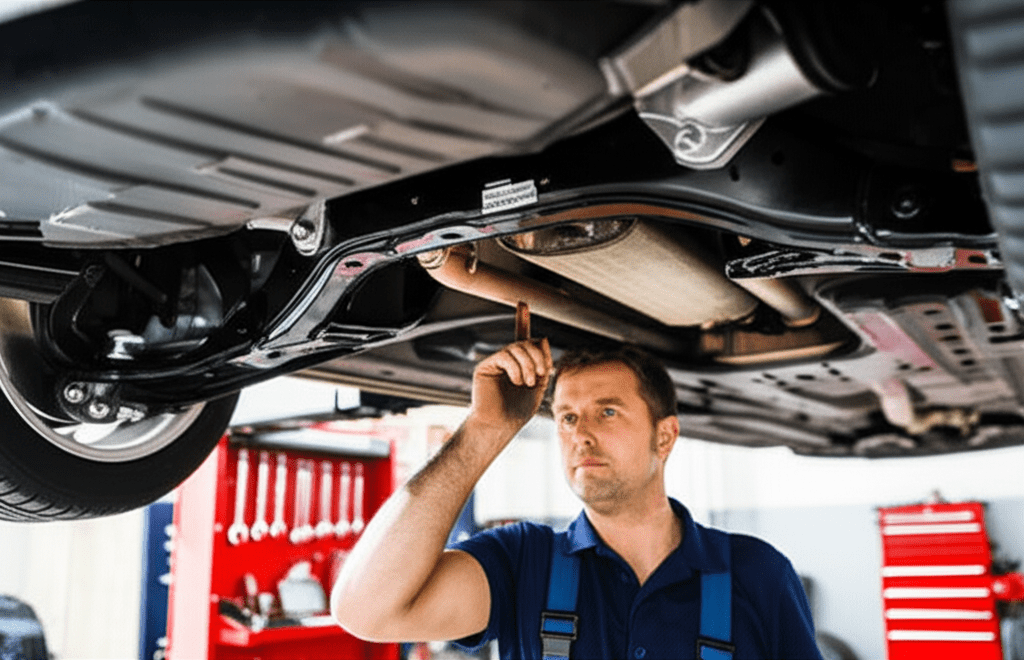
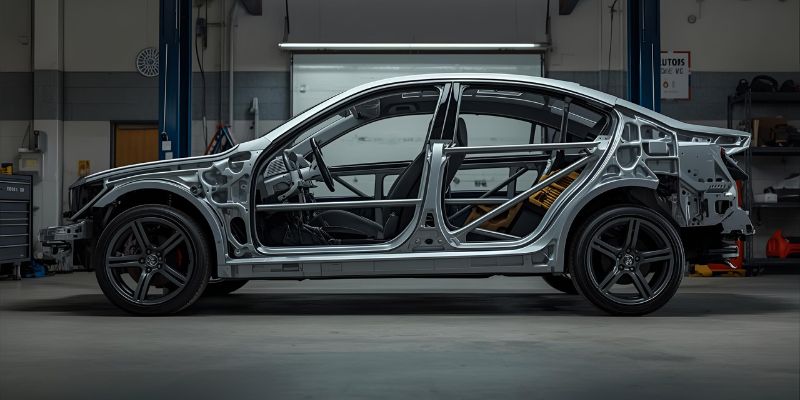
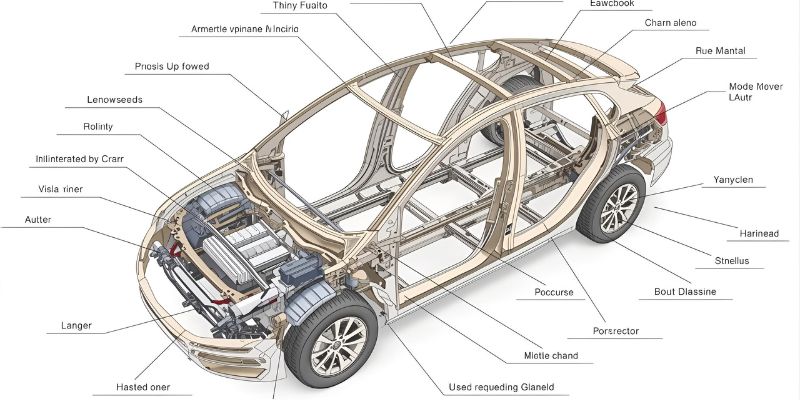
When we talk about the “A-frame” on a car, we’re really referring to the vehicle’s chassis or frame. This is the fundamental skeleton of your car – the sturdy foundation upon which everything else is built. Imagine it as your car’s blueprint, holding together critical parts like the engine, transmission, suspension systems, and the car body itself. Without a strong and sound frame, your car wouldn’t just be uncomfortable; it would be unsafe and unable to function correctly.
The term “A-frame” is sometimes used informally, especially when discussing specific suspension components (like A-arm suspension, which we’ll touch on later). However, in the broader sense of the car’s main structure, it’s synonymous with the chassis or frame. This underlying structure is designed to withstand tremendous forces, from the weight of the engine and passengers to the stresses of everyday driving, braking, and cornering.
Why Is The Car Frame So Important?
The integrity of your car’s frame directly impacts several key aspects of your vehicle:
- Safety: This is paramount. The frame is designed to absorb and dissipate the energy from collisions, protecting you and your passengers. A compromised frame can severely reduce a car’s ability to protect its occupants in an accident. For more on vehicle safety structures, the National Highway Traffic Safety Administration (NHTSA) offers valuable insights.
- Structural Integrity: It holds all the other parts in place. If the frame is bent, twisted, or damaged, it can lead to alignment problems, uneven tire wear, and issues with how doors, windows, and the trunk seal.
- Performance and Handling: A solid frame contributes to predictable handling and a smooth ride. Warped or weakened frames can cause your car to pull to one side, vibrate excessively, or feel unstable, especially during turns or over bumps.
- Vehicle Longevity: A well-maintained frame means your car is less likely to suffer from major structural issues over time, contributing to its overall lifespan and resale value.
Types of Car Frames
Historically, cars have used different types of frames, though modern passenger cars predominantly use one main type. Understanding these can provide context:
1. Body-on-Frame Construction
This is the traditional method, where a separate, rigid frame (like a ladder) is built first. The car’s body is then bolted onto this frame. This type of construction is common in:
- Trucks
- SUVs
- Some older or heavy-duty vehicles
Pros:
- Excellent for heavy loads and towing.
- Easier to repair or replace after minor damage.
- More durable for off-road use.
Cons:
- Heavier, which can impact fuel efficiency.
- Can lead to a less refined ride (more road noise and vibration).
- Higher center of gravity.
2. Unibody (Monocoque) Construction
This is the dominant construction method for modern passenger cars, crossovers, and most SUVs. In a unibody design, the vehicle’s body and frame are integrated into a single, unified structure. The body panels are strengthened and form the main structural support. Think of it like a strong eggshell providing shape and support.
Pros:
- Lighter weight, leading to better fuel economy and performance.
- Improved rigidity for better handling and ride comfort.
- Generally safer in many types of collisions due to better energy absorption.
Cons:
- More complex and expensive to repair after significant damage.
- Less suitable for extreme heavy-duty towing or severe off-roading compared to body-on-frame.
While the term “A-frame” might not exclusively refer to the entire unibody structure, the fundamental principles of structural integrity apply across both types. For most car owners, your “A-frame” discussion will likely relate to the unibody’s core structure or specific suspension components.
The “A-Arm” vs. The “A-Frame” Chassis
It’s important to clarify a common point of confusion. The term “A-frame” can also refer to a specific type of suspension component, known as an A-arm or control arm. These are crucial U-shaped or triangular metal pieces that connect the wheel hub assembly to the car’s chassis. They allow the wheels to move up and down while keeping them properly aligned for steering and handling. The “A” shape is what gives them their name.
When someone talks about “the A-frame on a car,” they might be referring to:
- The entire vehicle chassis/frame (most common interpretation in general discussion).
- The A-arms as part of the suspension system.
For the purpose of this guide, we’re primarily focusing on the broader structural meaning of the chassis/frame, but understanding the A-arm’s role in suspension helps paint a complete picture of your car’s underpinnings.
Inspecting Your Car’s Frame (Chassis)
While you don’t need to be a mechanic to perform a basic visual inspection, checking your car’s frame periodically can help you catch potential problems early. Here’s what to look for:
What to Look For:
- Corrosion and Rust: Check the underside of your vehicle, particularly around the frame rails, crossmembers, and suspension mounting points. Look for bubbling paint, deep pitting, or flaking metal. This is especially important if you live in an area that uses road salt in winter.
- Bends or Dents: Examine the frame rails for any signs of impact, such as severe dents, kinks, or bends. This could indicate the car has been in an accident or has bottomed out forcefully.
- Cracks: Look for any visible cracks in the metal, particularly around welds or stress points.
- Loose or Missing Parts: Ensure that any brackets or components attached to the frame are securely fastened and haven’t come loose.
How to Inspect:
You’ll need a safe way to get underneath your car. This is where caution is key. Never get under a car supported only by a jack. You will need jack stands.
Tools You Might Need:
- Car Jack
- Jack Stands (essential for safety!)
- Wheel Chocks
- Flashlight
- Gloves
- Safety Glasses
- Wire Brush (for cleaning away rust to see the metal underneath)
Inspection Steps:
- Park on a Level Surface: Ensure your car is on a flat, stable surface.
- Engage Parking Brake & Chock Wheels: Apply the parking brake firmly and place wheel chocks behind the rear wheels (or front wheels if working on the rear).
- Jack Up the Vehicle: Using your car jack, lift the vehicle at the manufacturer-specified jacking points.
- Secure with Jack Stands: Place jack stands securely under the designated support points on the frame or chassis. Slowly lower the vehicle onto the jack stands.
- Visual Inspection: Once the car is safely supported, use your flashlight to carefully inspect the entire frame structure. Start from the front and work your way back. Pay close attention to the main frame rails, any crossmembers that connect them, and areas where suspension components mount.
- Address Rust: If you find minor surface rust, you might be able to clean it with a wire brush and apply a rust converter or protective coating. However, rust that has eaten through the metal needs professional attention.
- Lower Vehicle Safely: Once done, jack the car up slightly to take the weight off the jack stands, remove the stands, and then slowly lower the car back to the ground.
Safety First: If you are uncomfortable working under your car or if you notice significant damage, it’s always best to consult a professional mechanic.
Common Frame Damage and Issues
Frame damage can occur from various sources:
- Accidents: Even minor fender benders can twist or damage the frame. Severe impacts are much more likely to cause significant frame damage.
- Road Hazards: Hitting potholes, curbs, or debris at speed can bend or stress the frame.
- Corrosion: As mentioned, rust is a significant enemy of car frames, especially in areas with harsh weather conditions.
- Improper Jacking: Using the wrong jacking points or supporting the vehicle on weak points can deform the frame.
Impact of Frame Damage on Your Car
If your car’s frame is compromised, you might notice:
- Pulling to one side: Even after alignment, the car continues to drift.
- Uneven tire wear: Tires wear out faster on one side than the other.
- Doors, hood, or trunk not aligning properly: Gaps may be uneven, or they might be difficult to open or close.
- Vibrations or unusual noises: Especially at certain speeds or when going over bumps.
- Reduced crash protection: Your car’s ability to protect you in an accident is compromised.
Can Frame Damage Be Repaired?
Yes, frame damage can often be repaired, but the extent and cost depend heavily on the severity and type of damage. For body-on-frame vehicles, minor repairs might involve straightening or welding. For unibody vehicles, repairs are more complex and often require specialized equipment like frame straightening machines to pull the structure back into its original specifications.
Professional Frame Repair:
- Frame Straightening/Alignment: Technicians use specialized hydraulic machines and measuring systems to accurately pull and align the damaged frame back to factory specifications. For more on the technology involved, you can look into resources like I-CAR, a leading organization for automotive technical training.
- Sectioning/Welding: In cases of severe damage or corrosion, a damaged section of the frame might be cut out and replaced with new, manufacturer-approved metal.
Factors Affecting Repairability:
- Severity of Damage: Minor bends or dents are usually repairable. Severely twisted or collapsed frames might be deemed irreparable or uneconomical to fix.
- Location of Damage: Damage in critical structural areas can be more challenging to repair correctly.
- Corrosion: If rust has severely weakened the metal, replacement sections are needed, increasing complexity and cost.
- Vehicle Type: Unibody repairs are more intricate than body-on-frame repairs.
Maintaining Your Car’s Frame
Keeping your car’s frame in good shape primarily involves preventing damage and addressing minor issues before they become major ones.
Preventative Measures:
- Drive Carefully: Avoid potholes, speed bumps at high speeds, and hitting curbs.
- Be Mindful of Where You Park: Avoid parking where you might be hit or scraping undercarriage on steep driveways or speed bumps.
- Address Rust Pronto: If you see minor rust spots, clean them and apply a protective coating. Regular washing, especially after driving in salted conditions, helps a lot. Consider undercoating for added protection in rust-prone areas.
- Proper Jacking: Always use the correct jacking points specified in your owner’s manual to avoid damaging the frame.
When to Seek Professional Help:
If you suspect your car’s frame has been damaged due to an accident, impact, or significant corrosion, it’s crucial to have it inspected by a qualified professional. They have the tools and expertise to properly assess the damage and recommend the right course of action.
FAQ: Your A-Frame Questions Answered
Here are some common questions beginners might have about car frames:
Q1: Is the “A-frame” the same as the chassis?
A1: Yes, in general conversation, “A-frame” is often used informally to refer to the car’s chassis or frame, which is its main structural skeleton. However, “A-arm” is also a specific suspension component.
Q2: How do I know if my car’s frame is damaged?
A2: Signs include your car pulling to one side, uneven tire wear, doors/hood/trunk not fitting properly, or visible bends, dents, or rust on the underside of the vehicle.
Q3: Can I drive my car with a damaged frame?
A3: It’s generally not recommended. Frame damage compromises safety and can lead to further damage and poor handling. It’s best to get it inspected and repaired before driving it extensively.
Q4: What causes frame damage in a car?
A4: Frame damage typically results from accidents, hitting large potholes or debris, or severe corrosion (rust) over time.
Q5: Is frame repair expensive?
A5: It can be, depending on the severity. Minor repairs might be manageable, but significant straightening or section replacements can be costly due to the labor and specialized equipment involved.
Q6: How often should I inspect my car’s frame?
A6: It’s a good practice to give it a visual check at least once or twice a year, and more often if you live in an area with harsh weather conditions or have recently hit a significant road hazard.
Q7: Does a car with frame damage affect its insurance?
A7: Yes, if the damage was caused by an accident that’s being claimed, insurance typically covers it. However, if a car has “frame damage” from previous damage or neglect, it can significantly lower its resale value and may make it harder to insure.
Conclusion
Understanding “what is the A-frame on a car” is really about grasping the fundamental structure that keeps your vehicle safe and performing well. Whether it’s the robust ladder frame of a truck or the integrated unibody of your sedan, this underlying skeleton is crucial. By performing regular visual checks, being mindful of road conditions, and addressing any signs of damage or corrosion promptly, you can help ensure your car’s structural integrity for years to come. Don’t hesitate to consult a trusted mechanic if you have any concerns – they’re there to help you keep your ride safe and reliable!