What is the Front Bumper of a Car Called: Expert Insights
Ever found yourself staring at the front of a car, admiring its sleek design, only to wonder what exactly that part is called? You’re not alone.
The front bumper of a car, a crucial component that combines style with safety, often goes unnoticed until it needs attention. But what is it really called? You might be surprised to learn that the name “bumper” doesn’t cover all its functions and purposes.
Diving into the details of this car component could save you time, money, and perhaps even a bit of frustration on your next trip to the mechanic or auto parts store. Stick around, and you’ll discover not just its name, but also why understanding this part is more important than you might think. Get ready to unlock the secrets of your car’s front bumper and gain insights that could enhance your driving experience.
Front Bumper Terminology
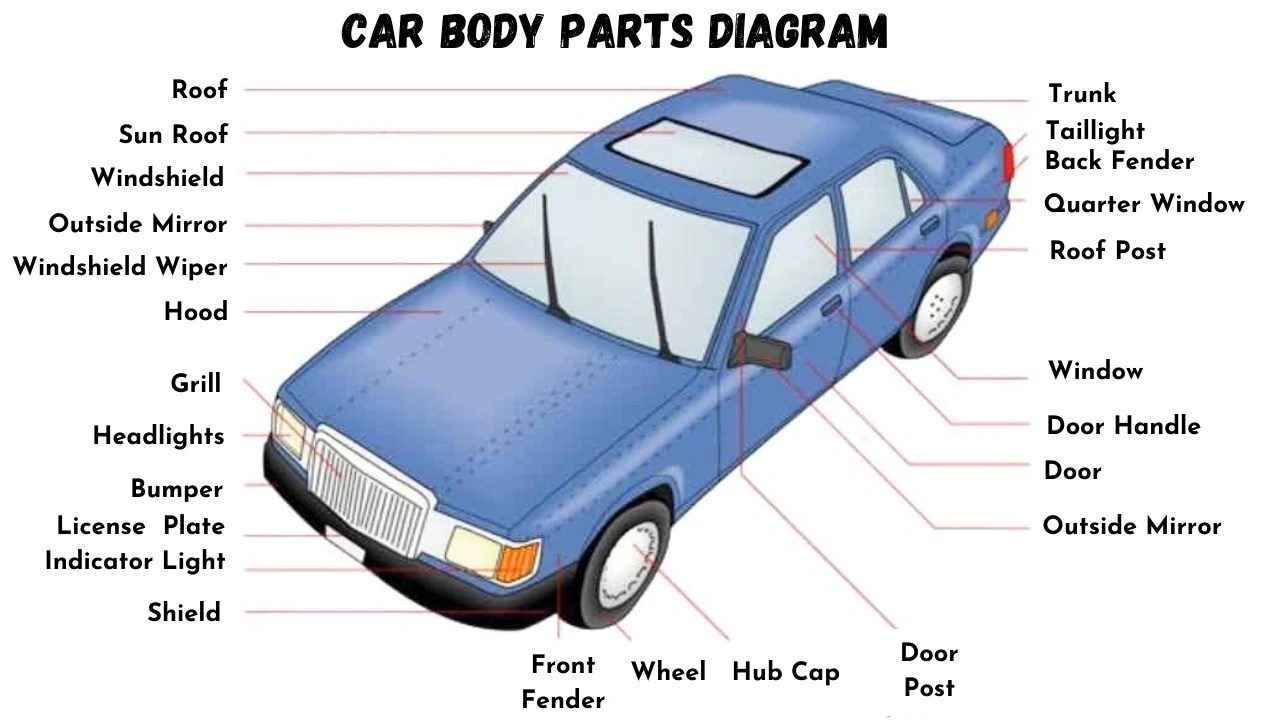
The front bumper is a key part of a car. Most people call it the front bumper. Others might say fenderor front guard. These names mean the same thing. They talk about the front part of a car that hits first. This part helps protect the car and people inside.
Car experts use some special words. They might call it a fascia. Another term is bumper cover. These words are more common in car shops. They sound fancy but mean the same thing. Just a part that covers the front of the car.

Credit: www.reddit.com
Function And Purpose
The front bumper helps keep you safe in a car crash. It absorbs impact to protect people inside. The bumper also protects car parts like the engine. This way, the car does not get too much damage. Strong bumpers are very important for safety.
Bumpers also make cars look good. They can be shiny or match the car’s color. Some people add special designs to their bumpers. This makes the car look unique. A nice bumper can make a car stand out.
Materials And Design
The front bumper of a car is commonly known as the “fascia. ” This part helps protect the car during minor impacts. Made from plastic or metal, it also holds lights and grilles.
Popular Materials
Front bumpers are made from different materials. Common choices include plastic, steel, and aluminum. Each material has its own benefits. Plastic is lightweight. It helps save fuel. Steel is strong. It can handle impacts well. Aluminum is also light. It resists rust. These materials ensure the bumper is both safe and durable.
Design Variations
Bumpers come in many designs. Some are simple and plain. Others have fancy shapes. Sports cars often have sleek bumpers. Trucks might have rugged designs. These designs help with aerodynamics. They also give the car a unique look. Car makers choose designs to match the car’s style and purpose.
Installation And Maintenance
The front bumper is fixed at the front of the car. First, gather all tools needed for the job. These include a wrench and screwdriver. Then, remove the old bumper carefully. Check if there are any bolts or screws holding it. After removing, align the new bumper properly. Ensure it fits well with no gaps. Tighten all bolts securely. Make sure they are not loose. Finally, inspect the bumper position. It should not be tilted or uneven.
Keeping the bumper clean is important. Dirt can damage the paint. Use a soft cloth to wipe it. Check for scratches often. Fix them to prevent rust. Inspect the bumper regularly for cracks. Cracks can weaken the structure. Apply wax to protect the surface. Wax helps in keeping it shiny. Avoid hitting the bumper when parking. Careful parking prevents damage. Regular checks keep it in good shape.
Impact On Vehicle Performance
The front bumper of a car, often called the fascia, impacts vehicle performance by reducing air resistance. It enhances aerodynamics, contributing to fuel efficiency and stability at high speeds. Properly designed bumpers can also offer protection by absorbing impact during collisions.
Aerodynamics
The front bumperplays a key role in a car’s aerodynamics. It helps reduce air drag. This makes cars move smoothly. A well-designed bumper can make a car faster. It cuts through the air with less effort. The shape affects how wind flows around the car. Smooth airflow boosts performance. Better aerodynamicsalso means less noise. Drivers enjoy a quieter ride. It’s not just about speed. It’s about comfort too.
Fuel Efficiency
Good aerodynamics help improve fuel efficiency. Cars use less fuel with the right bumper design. This means saving money on gas. Drivers can go further on each tank. It’s good for the planet too. Less fuel means fewer emissions. Good bumpers are kind to the environment. They help cars be more eco-friendly. Everyone wins with better fuel use.
Credit: www.youtube.com
Regulations And Standards
The front bumper of a car, often called the “fascia,” serves as a protective shield. It absorbs impact during minor collisions, safeguarding the vehicle’s essential components.
Safety Regulations
Front bumpers must meet safety regulations. These rules protect people. Bumpers absorb impact in crashes. They help cars stay safe. Strong bumpers reduce injury risk. Safety testscheck bumper strength. Cars must pass these tests. Safe bumpers save lives. They are vital for car safety. Engineers design bumpers to be strong. They use special materials. This makes bumpers last long. Safety rules keep everyone safe.
Environmental Standards
Bumpers must meet environmental standards. These rules help the planet. Bumpers should be eco-friendly. They must use recyclable materials. This helps reduce waste. Car makers follow these standards. Eco bumpers are better for nature. Recyclable bumpers lower pollution. This helps keep Earth clean. Engineers choose materials carefully. They make sure bumpers are green. Green bumpers are good for everyone.
Trends In Front Bumper Design
Front bumpershave changed a lot. Designers use new ideas. Bumpers are now aestheticand safe. Car makers focus on lightweight materials. These materials help save fuel. Some bumpers have sensors. Sensors warn drivers about danger. Aerodynamicsare also important. They help cars move smoothly. Stylish designs attract buyers. These trends make driving fun.
Technology improves bumpers. Smart bumpersare now common. They have cameras and sensors. These help with parking. Some bumpers can talk to other cars. This makes roads safer. Advanced materialsare used. These materials are strong and light. They protect cars better. Innovations make bumpers smart.
Future bumpers will be even smarter. They will have more sensors. These sensors will help drivers more. Self-healing materialsmight be used. These materials fix themselves. Bumpers will become part of smart cars. They will connect with car systems. This will make driving safer. Future designs will be sleek and modern.

Credit: www.youtube.com
Frequently Asked Questions
What Is The Front Bumper On A Car Called?
The front bumper on a car is often referred to as the “front fascia” or simply “bumper. ” It protects the vehicle from minor impacts and enhances its appearance.
Is The Front Of The Car The Bumper Or Fender?
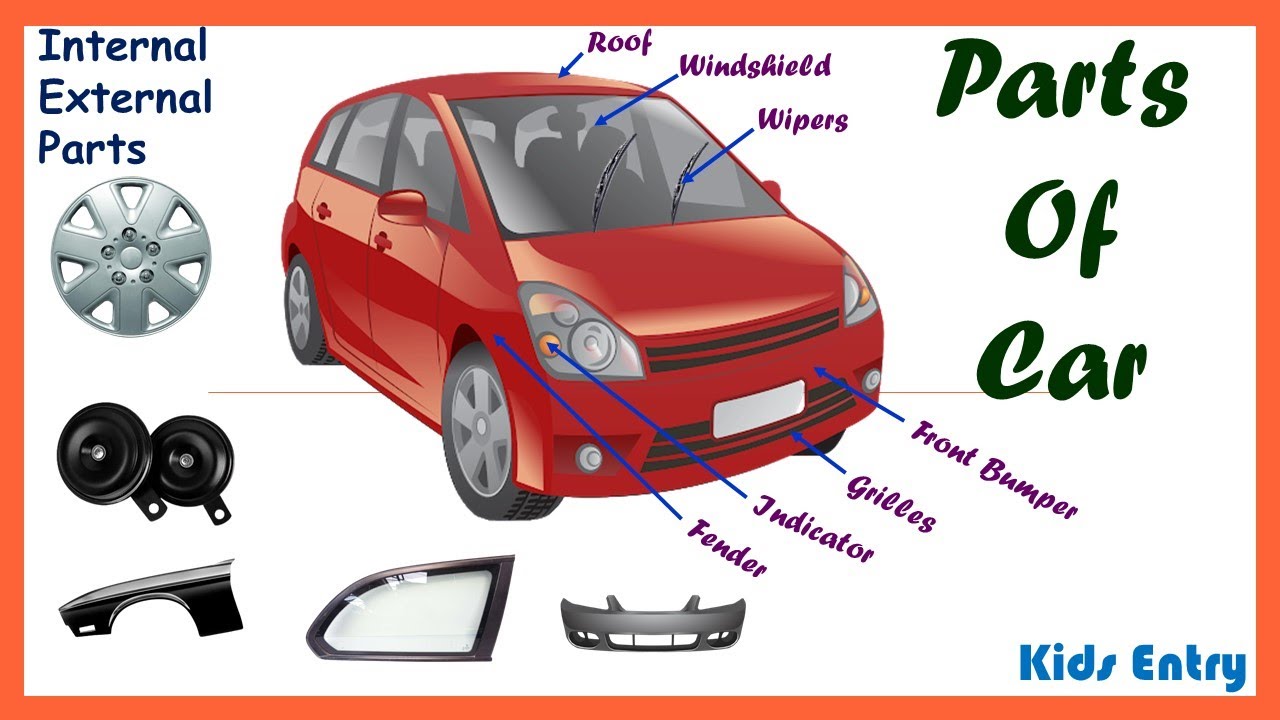
The front of the car typically includes both the bumper and fender. The bumper is the outermost part designed to absorb impacts. The fender is located around the wheel well, usually above the bumper, and protects the wheel assembly. Both parts are crucial for vehicle safety and aesthetics.
What Is The Average Cost To Replace A Front Bumper?
Replacing a front bumper typically costs between $500 and $1,500. The price varies based on vehicle make, model, and labor fees. Luxury cars may have higher replacement costs. Always get a detailed quote from a reputable repair shop for accurate pricing.
What Is Considered A Front Bumper?
The front bumper is a car component located at the vehicle’s front. It absorbs impact during collisions, protecting the car’s body and passengers. Made from plastic, metal, or fiberglass, it combines safety and aesthetics. A well-designed bumper enhances both vehicle appearance and performance.
Conclusion
The front bumper is a crucial car component. It enhances safety and style. Drivers often overlook its importance. It absorbs impact during minor accidents. Also, it protects the vehicle’s front. Choosing the right bumper enhances your car’s look. Consider your needs and preferences carefully.
Repairing or replacing a damaged bumper is vital. It ensures your vehicle remains safe and attractive. Always prioritize quality when selecting a bumper. Make informed decisions for your car’s safety and aesthetics. Keep this guide handy for future reference. Stay informed and drive safely.