What Is the Maximum Mileage on a Car? Realistic Limits
There is no fixed maximum mileage a car can reach. The real limit is set by two things – how much the mechanical wear costs to keep fixing, and whether that cost is still worth it compared to the car’s value.
Most cars on the road today are built to reach around 200,000 miles, or roughly 12 to 15 years of typical driving, before repair costs start to outweigh what the vehicle is worth. That is an average, not a ceiling. Well-maintained cars regularly push past 250,000 or even 300,000 miles, and a handful of extreme cases have gone well into the millions.
This guide breaks down what actually determines how far a car can go, which models realistically go the farthest, how electric cars compare, and the milestones and warning signs to watch for along the way.
What Actually Limits How Far a Car Can Go
CATCH PROBLEMS BEFORE THEY SHORTEN YOUR CAR’S LIFE
 |
ANCEL AD310 OBD2 Scanner – $29.99 A car that reaches high mileage almost always got there because small problems were caught early – this reader pulls check-engine codes before a minor issue turns into a major repair.
|
A gas-powered car is built from thousands of moving parts – the engine, transmission, suspension, cooling system, and dozens of seals and gaskets – and every one of them wears a little with each mile. None of them is designed to last forever. What determines a car’s practical maximum mileage is when enough of those parts start failing at once that continuing to repair the car costs more than the car itself is worth.
That is why there is no single number that applies to every car. A neglected vehicle can be mechanically finished by 80,000 miles, while a meticulously maintained one can keep going for decades. The most famous example is a 1966 Volvo P1800 driven by Irv Gordon, which set the Guinness World Record for the highest mileage ever verified on a single car – over 3.2 million miles – simply because it never missed an oil change.
The Average Mileage Before Major Problems Start
According to research firm iSeeCars, which analyzed nearly 400 million vehicles, the average car on U.S. roads today is about 11.8 years old, and the typical vehicle is expected to last around 200,000 miles, or roughly 12 to 15 years, before major repair costs make it impractical to keep. Reaching 250,000 miles is genuinely uncommon – across the industry, only about 4.8% of vehicles get there.
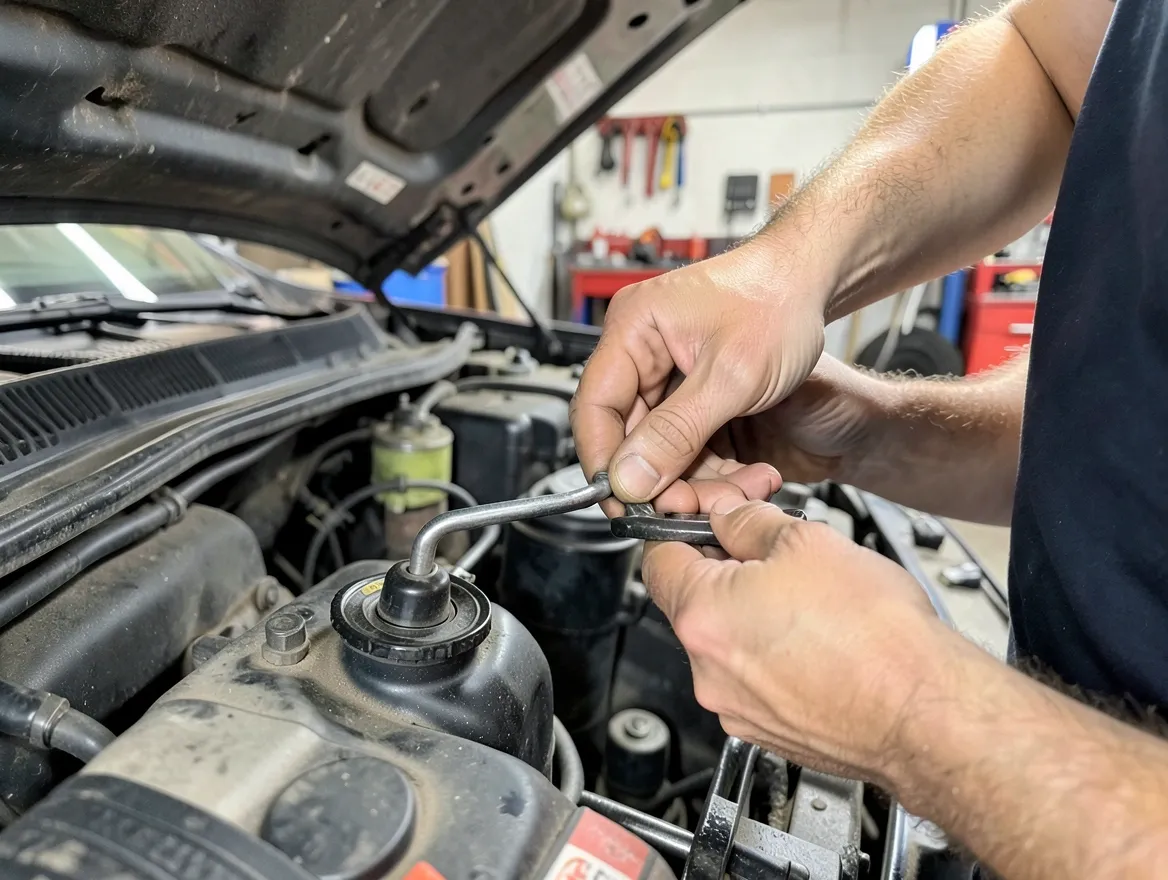
Between roughly 150,000 and 250,000 miles, the parts most likely to need major work are the ones with the most moving components – suspension bushings, wheel bearings, and especially the transmission, which typically lasts 100,000 to 200,000 miles depending on type and maintenance. None of that means a car is done at 200,000 miles – it means that is roughly where the odds of a major repair start climbing, which is exactly why the models below beat the average by such a wide margin.
Which Cars Realistically Go the Farthest
Not every car has an equal shot at high mileage. iSeeCars’ longevity study found that Toyota alone accounts for 10 of the top 25 vehicles most likely to reach 250,000 miles, led by the Toyota Sequoia at a 39.1% predicted chance – more than eight times the industry average. Toyota, Lexus, Honda, and Acura consistently outperform the rest of the market on long-term durability.
| Brand | Reputation for High Mileage |
|---|---|
| Toyota / Lexus | Best odds in the industry; several models (Sequoia, Land Cruiser, 4Runner) exceed 30% chance of reaching 250,000 miles |
| Honda / Acura | Consistently above-average reliability, especially the Accord, Civic, and CR-V |
| Ford | Full-size trucks like the F-150 and Super Duty are common exceptions among domestic brands |
| Volvo | Strong long-term durability reputation, reinforced by well-known extreme-mileage examples |
| GM full-size trucks/SUVs | Several Chevrolet and GMC full-size models show better-than-average odds |
Does an Electric Car Have a Different Maximum Mileage?
Yes, but not in the way most people expect. An EV has only a few dozen moving parts compared to the thousands in a gas engine, so it largely avoids the mechanical wear-and-tear that limits gas cars. Instead, an EV’s practical mileage limit comes down almost entirely to the high-voltage battery pack. Most mainstream EVs are engineered for roughly 150,000 to 200,000 miles of usable battery life under normal conditions – in line with what a gas car is expected to deliver.

Recent longevity research backs this up: battery-electric vehicles now average about 18.4 years on the road, matching gas-powered cars, though their average lifetime mileage runs slightly lower at around 124,000 miles – a reflection of how EVs are typically driven rather than a sign the battery wore out early. In short, an EV is not automatically capped at a lower mileage than a gas car; it is simply limited by a different part.
Mileage Milestones to Expect Along the Way
Rather than one cutoff, a car’s mileage tends to arrive in stages, each with its own maintenance demands:
| Mileage | What Typically Needs Attention |
|---|---|
| 30,000 miles | Fluid changes, air and cabin filters, first real inspection of brakes and tires |
| 60,000 miles | Brake pads, tires, spark plugs, and belts often need replacing for the first time |
| 100,000 miles | Timing belt (if equipped), suspension bushings, and water pump are common failure points |
| 150,000-200,000 miles | Transmission and major engine components carry the highest risk of a large repair bill |
| 200,000+ miles | Repairs become more frequent; whether to keep repairing or replace becomes a real financial question |
Watch for the signs that usually show up as a car ages, too – recurring oil leaks, surface rust on the body or frame, more frequent check-engine lights, and suspension components that feel looser than they used to. Catching these early is almost always cheaper than waiting for them to fail.
How to Push Your Car Past Its Expected Mileage
None of the high-mileage examples above got there by accident. A few habits make the biggest difference:
- Follow the manufacturer’s maintenance schedule for oil changes rather than guessing – clean oil is the single biggest factor in engine longevity.
- Check tire pressure monthly. Underinflated tires wear faster, reduce fuel efficiency, and put extra strain on the suspension.
- Replace the air filter on schedule so the engine is not working harder than it needs to.
- Check the brakes regularly – worn brakes accelerate wear on rotors, calipers, and eventually the wheel bearings.
- Drive smoothly. Gentle acceleration and steady speeds put far less cumulative stress on the drivetrain than hard starts and stops.
- Avoid unnecessary idling and unnecessary weight – both quietly add wear without adding useful miles.
Signs Your Car Is Nearing the End of Its Useful Life
A car does not have to hit a specific mileage number to be done – it is done when repairs stop making financial sense. Watch for frequent repairs stacking up close together, strange noises or vibrations that were not there before, rust weakening the body or frame, fluid leaks, noticeably worse fuel economy, and electrical issues that keep recurring.
When you are weighing whether to keep repairing or move on, compare the cost of the repair against the car’s actual value, not what you paid for it originally. A newer car brings a warranty, better fuel efficiency, and modern safety features that an aging vehicle simply cannot match – but if the current car is still cheaper to fix than to replace, keeping it is usually the better financial call.
Shopping for a used car instead? Mileage alone does not tell the whole story – our guide on what counts as good mileage for a second-hand car breaks down how to weigh mileage against age, maintenance records, and condition.
Frequently Asked Questions
What Is The Maximum Mileage A Car Can Go?
There is no hard maximum. The average car lasts around 200,000 miles, but that is a practical average driven by repair economics, not a mechanical ceiling. Well-maintained cars regularly reach 300,000 miles, and record-holding examples have exceeded 3 million.
How Many Miles Is Too High For A Used Car?
A used car with over 100,000 miles is often labeled “high mileage,” but the number matters less than the condition and maintenance history behind it. A well-documented 130,000-mile car is often a better buy than a neglected 70,000-mile one.
Is A Car With 200,000 Miles Safe?
Yes, a car with 200,000 miles can be perfectly safe if it has been regularly serviced and passes a current inspection. Mileage alone does not determine safety – maintenance history does.
Is It Worth Keeping A Car After 100,000 Miles?
Yes, in most cases. If a well-maintained car past 100,000 miles is still cheaper to repair than to replace, keeping it is usually the better financial decision, especially since major components like the transmission often have plenty of life left at that point.
What Is The Highest Mileage Ever Recorded On A Car?
The Guinness World Record belongs to a 1966 Volvo P1800 driven by Irv Gordon, which reached over 3.2 million miles before his death in 2018. See our full guide to the highest-mileage cars ever recorded for more record holders.
Do Electric Cars Have A Lower Maximum Mileage Than Gas Cars?
Not necessarily. EV battery packs are typically engineered for 150,000 to 200,000 miles of life, similar to a gas engine and transmission, and recent studies show EVs now match the average lifespan of gas-powered vehicles.
Conclusion
Getting a car to high mileage comes down to consistent maintenance and catching small problems before they become expensive ones. There is no number where a car is guaranteed to stop working – only the point where the math of repairing it stops making sense.
Stay on top of oil changes, tires, and brakes, drive with a light touch, and address warning signs early, and there is a good chance your car will outlast the average by a wide margin.
Products related to this article
Sponsored / affiliate links. As an Amazon Associate I earn from qualifying purchases. I may earn additional commission from eligible campaigns.