What Is A Good Mileage For A Second Hand Car? Find Out
It’s a question many people ask when looking for a car that’s not brand new: “What’s a good mileage for a second-hand car?” You’ve seen cars with super low miles, and others with numbers that seem to go on forever. It can feel like a guessing game, and you want to make sure you’re not buying a car that’s about to give up on you — see our related guide, What Is the Highest Mileage Ever on a Car.
Choosing a used car is a smart way to save money. But the mileage can be confusing. Does it mean the car is worn out? Or is it just a number? Let’s break this down. We’ll look at what mileage really tells us, what’s considered normal, and how to pick a car that’s right for you. You’ll feel more confident knowing what to look for.
A good mileage for a second-hand car depends on its age and type. Generally, cars driven less than the average annual mileage (around 12,000-15,000 miles) are considered to have lower mileage. However, it’s more about the car’s overall condition, maintenance history, and how the miles were driven rather than just the odometer number itself.
Understanding Car Mileage: More Than Just a Number
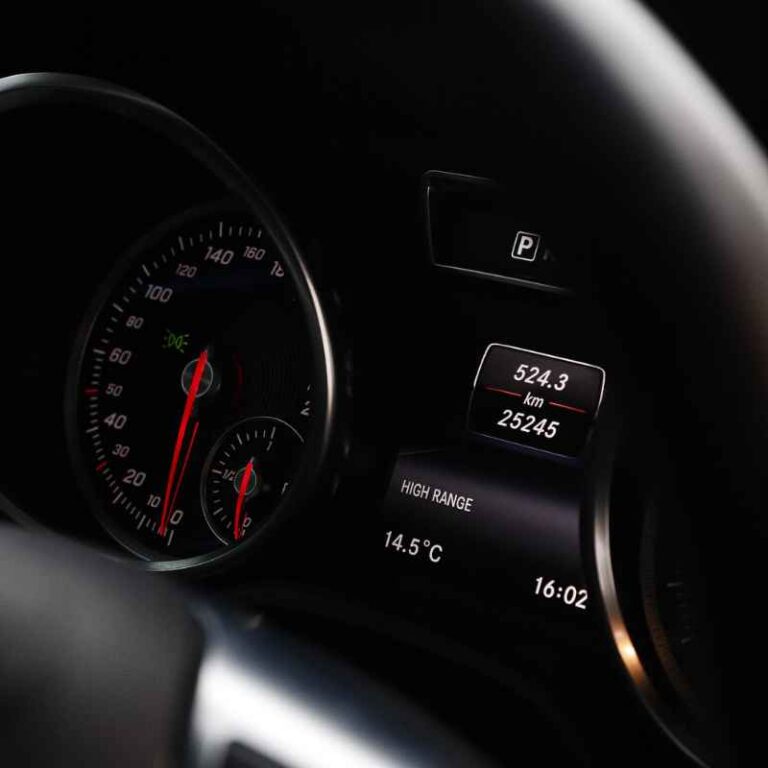
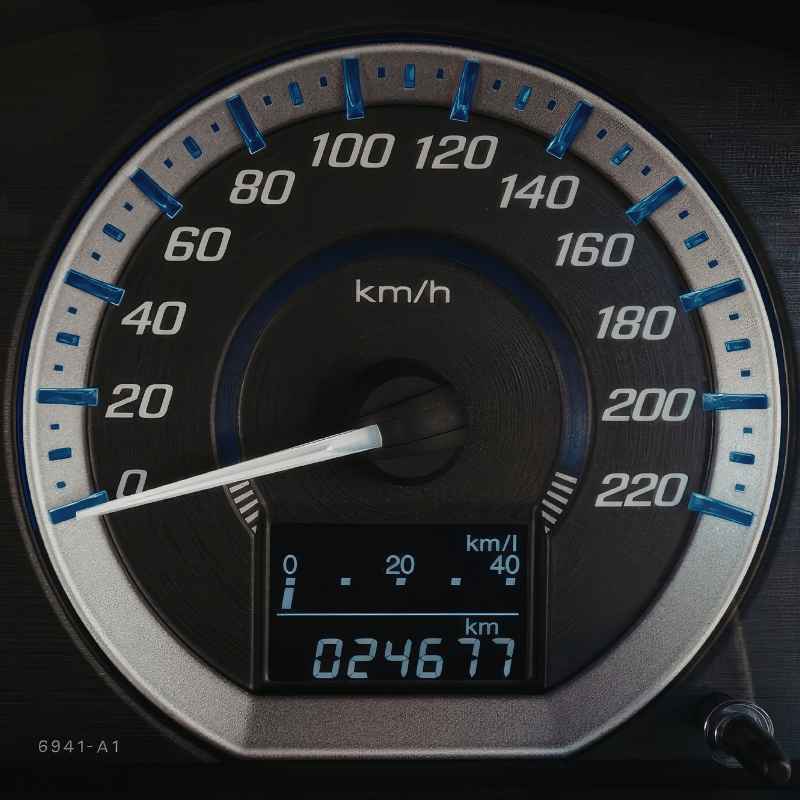
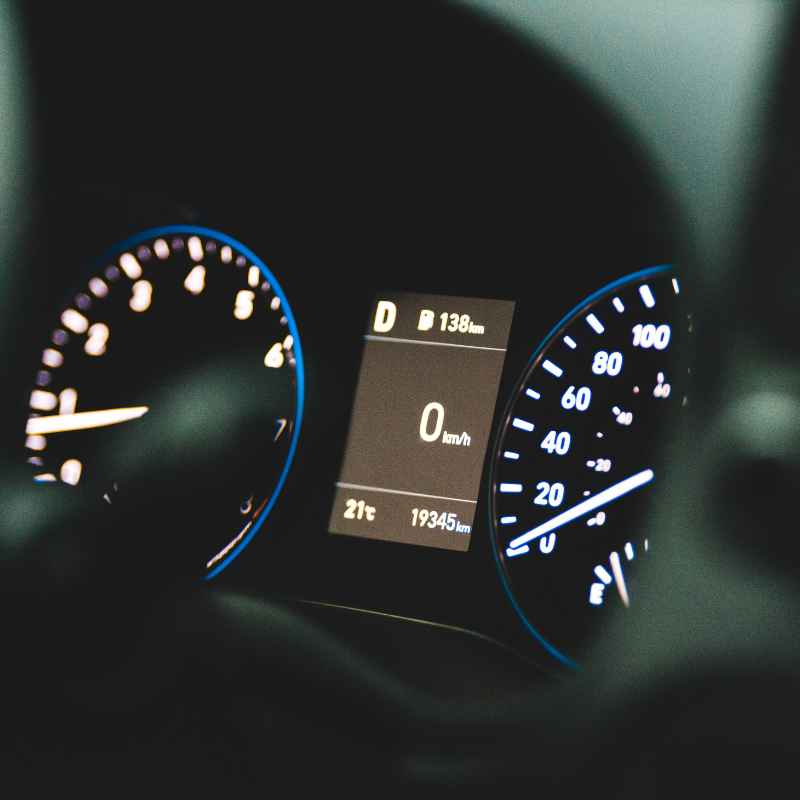
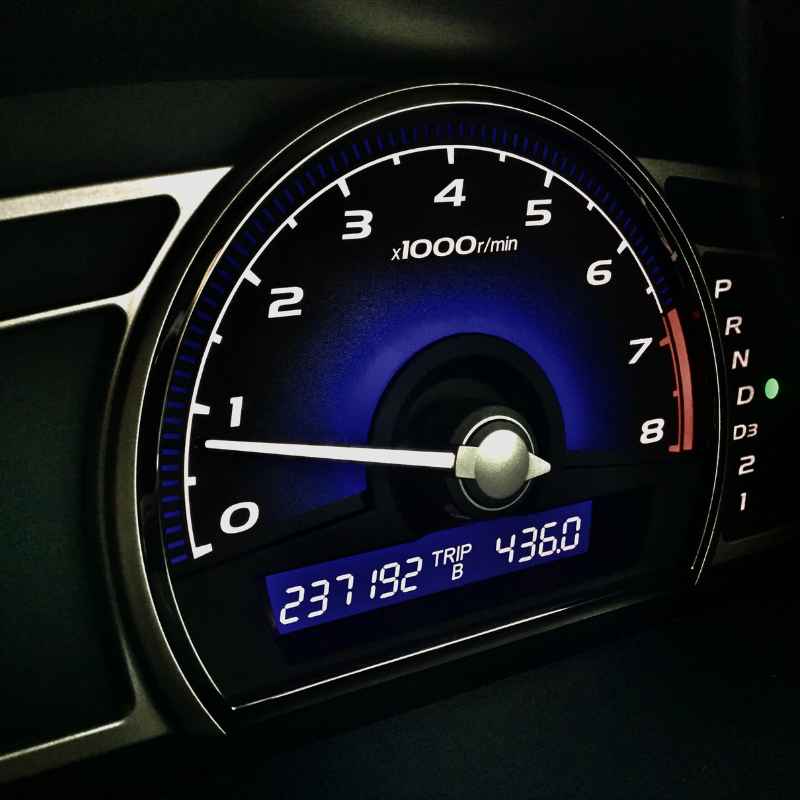
When we talk about car mileage, we mean the total distance a vehicle has traveled. This is shown on the odometer, usually a digital screen or an old-school dial in the car’s dashboard. It’s a big factor when buying any used car. People often see a high number and feel worried.
But mileage is not the whole story. Think of it like this: a 100,000-mile car that’s been driven on highways is often in better shape than a 50,000-mile car that’s only done city driving. Highway miles are easier on the engine and transmission. City miles mean lots of stopping and starting.
Also, how a car was cared for matters a lot. A car with regular oil changes and maintenance might run for many more miles than one that was ignored. So, while mileage is important, it’s just one piece of the puzzle. We need to look at other things too.
Mileage vs. Age: What’s the Real Story?
You might see a car that’s 5 years old with only 20,000 miles. That’s low mileage for its age. Or a 2-year-old car with 40,000 miles. That’s pretty normal. The key is comparing the miles to how long the car has been around. A car sitting too long can also have issues. Parts can dry out or seize up. So, “low mileage” isn’t always the best thing.
The Average Car’s Journey: What’s Considered Normal?
To know if a car’s mileage is good, we need a benchmark. The average driver in the U.S. drives about 12,000 to 15,000 miles per year. This can change a bit depending on where you live. If you drive a lot for work, your yearly miles might be higher. If you work from home, it could be much lower.
So, for a car that’s 5 years old, you’d expect it to have around 60,000 to 75,000 miles (5 years x 12,000-15,000 miles/year). If a 5-year-old car has 30,000 miles, that’s low. If it has 120,000 miles, that’s high for its age.
Think about your own driving habits. Do you take short trips? Do you drive long distances often? This helps you decide what mileage is “good” for your needs. A car with 80,000 miles might be perfect for you if you only drive 5,000 miles a year.
Calculating Expected Mileage
Formula: Age of Car (in years) x Average Annual Miles (13,500 miles is a good middle ground).
Example: For a 7-year-old car: 7 x 13,500 = 94,500 miles. This would be around average mileage.
Cars with mileage significantly below this are considered low mileage. Cars with mileage significantly above are high mileage for their age.
What Mileage is “Low”?
Low mileage is relative, but generally, it means a car has traveled fewer miles than expected for its age. Let’s say a car is 5 years old. If it has under 40,000 miles, most people would call that low mileage. For a 10-year-old car, under 70,000 or 80,000 miles might be considered low.
Cars with very low mileage can be attractive. They often suggest less wear and tear. This could mean fewer immediate repairs are needed. However, sometimes very low mileage cars have sat idle for long periods. This can lead to other issues like dried-out seals or a weak battery.
It’s good to check the car’s history report. This can show you if the car was used for short trips or long hauls. A car with 20,000 miles that was only used for short city drives might have more wear than a car with 30,000 miles driven mostly on highways.
What Mileage is “High”?
High mileage usually means a car has traveled more miles than the average for its age. For a 5-year-old car, anything over 100,000 miles might be considered high. For a 10-year-old car, 150,000 miles or more would be high.
Don’t let high mileage scare you away completely! Modern cars are built to last. Many can easily go 200,000 miles or more with proper care — see our guide on what actually determines a car’s maximum mileage for the full breakdown by brand and vehicle type. A high-mileage car that has been well-maintained can be a great deal. It often costs less than a similar car with lower miles.
The key here is maintenance records. If a high-mileage car has a detailed service history, showing regular oil changes, filter replacements, and scheduled checks, it’s a much safer bet. This tells you the previous owner took care of it.
Myth vs. Reality: High Mileage Cars
Myth: High mileage means a car is about to break down.
Reality: High mileage can mean more wear, but it also often means a lower price. Many well-maintained cars with 150,000+ miles run great. The real indicator is consistent maintenance.
Myth: You’ll need to replace everything on a high-mileage car.
Reality: You should expect some parts might wear out sooner. But a thorough pre-purchase inspection can highlight these potential issues. You might only need to replace a few things over time.
Factors That Matter More Than Just the Number
When you’re looking at a used car, the number on the odometer is just one part. Many other things tell you more about the car’s actual condition. Focusing only on mileage can cause you to miss out on a great car or buy one that seems good but isn’t.
Let’s talk about what really makes a difference. These are the things that show how the car has lived its life. They tell a much deeper story than just miles driven.
Key Factors to Check
- Maintenance Records: This is huge. Regular oil changes, filter swaps, and checks show care.
- Type of Driving: Highway miles are kinder than city miles. Stop-and-go traffic is harder on the engine.
- Owner’s Habits: Did they drive it hard? Or gently? Did they use quality parts?
- Location: Cars in salty areas (like near the coast) can have rust issues. This is separate from mileage.
- Overall Condition: Look at the paint, interior, tires, and how the car feels when driven.
The Power of Maintenance Records
I remember helping a friend look for a used SUV. He found one with about 70,000 miles. It looked great. But the seller had no records. We pushed him, and he finally showed us a few receipts. It was clear the car hadn’t seen much love.
Then we found another SUV. This one had 95,000 miles. It was older too. But the owner had a thick folder full of maintenance receipts. Every oil change, every repair, it was all there. This car felt much more solid. It drove better. We bought that one.
Good maintenance records are like a car’s health report. They show that the previous owner was responsible. They followed the car’s schedule for service. This means important parts like the engine, transmission, and brakes were likely looked after. Even if a car has higher miles, good records can mean it’s a safer buy.
What to Look for in Records
- Oil Changes: Check how often they were done. Every 5,000-7,500 miles is common.
- Fluid Flushes: Transmission fluid, coolant, and brake fluid should be changed at set intervals.
- Tire Rotations: Shows care for tires and even wear.
- Major Services: Timing belt replacement, spark plugs, and other big jobs done on time.
- Dealership or Trusted Mechanic: Records from a professional mechanic are better than DIY work.
Highway Miles vs. City Miles
Let’s get real about how miles are put on a car. There’s a big difference between driving on an open highway and crawling through city traffic. My cousin lives in a big city and his car’s transmission died way sooner than mine. His commute involves tons of stop-and-go. Mine is mostly straight roads.
Highway miles mean the engine runs at a steady speed for long periods. This is generally easier on the engine and transmission. There’s less stress from accelerating and braking. Think of it as a gentle, long walk. The car is moving smoothly.
City miles, on the other hand, involve a lot of idling, accelerating, and braking. This puts more strain on the engine, transmission, and brakes. It’s like a series of quick sprints and sudden stops. This kind of driving can wear parts out faster. So, a car with 100,000 highway miles might be in better shape than one with 60,000 city miles.
Mileage Type Tracker
Highway Miles:
- Pros: Easier on engine, transmission, brakes.
- Cons: Can still lead to tire wear, suspension strain from road conditions.
- Often driven in higher gear, lower RPMs.
City Miles:
- Pros: Generally lower overall mileage for cars used only for short trips.
- Cons: More wear on engine, transmission, brakes.
- Frequent idling, acceleration, and braking.
Considering the Car’s Age and Model
A car’s age and what kind of car it is also play a big role. A 20-year-old car with 150,000 miles might be amazing if it was well-kept. But a 3-year-old car with 150,000 miles is a serious red flag. That’s over 50,000 miles a year!
Luxury cars or sports cars might have different mileage expectations. They are often driven more spiritedly. They might also have more expensive parts to
Also, some car brands and models are known for their reliability. A Toyota or Honda with 150,000 miles might be a better bet than a less reliable brand with the same mileage. Research the specific make and model you are interested in. See what owners say about their longevity.
Mileage Benchmarks by Age
Under 3 Years Old: Less than 30,000 miles is low. 30,000-50,000 is average.
3-5 Years Old: Less than 40,000 miles is low. 40,000-75,000 is average.
5-10 Years Old: Less than 70,000 miles is low. 70,000-120,000 is average.
10+ Years Old: Less than 100,000 miles is low. 100,000-150,000 is average. Above 150,000, maintenance becomes critical.
What Does the VIN Report Tell You?
When you’re serious about a used car, a Vehicle Identification Number (VIN) report is essential. Companies like Carfax or AutoCheck collect data about cars. This includes accident history, title issues, and importantly, reported mileage at different points in time.
You can often see a history of the car’s mileage readings. For example, it might show the mileage when it was last sold, when it had an emissions test, or when it was serviced. This can help you spot red flags. Like if the mileage seems to jump backward, or if it’s not recorded consistently.
This report is not perfect. It only shows what has been reported. Some incidents or services might not be recorded. But it’s a very strong tool. It gives you a clearer picture of the car’s past. It helps confirm the mileage on the odometer. It also alerts you to potential problems.
VIN Report Insights
Accident History: Major accidents can cause long-term issues.
Title Brands: Salvage, flood, or lemon titles are major warnings.
Ownership Changes: Many owners in a short time might mean problems.
Mileage Consistency: Look for any drops or gaps in mileage reporting.
Service Records: Some reports include service history.
The Importance of a Pre-Purchase Inspection (PPI)
Even with a clean VIN report and good maintenance records, there’s one step you absolutely should not skip. It’s called a pre-purchase inspection, or PPI. This is where you take the car to an independent mechanic you trust. They give it a thorough check-up.
I’ve seen people get burned by skipping this. They buy a car that looks great on paper. But then a major repair pops up a few weeks later. The mechanic performing the PPI is your expert. They can spot things you might miss. They can check the engine, transmission, brakes, suspension, exhaust, and more.
The mechanic will give you a report. It will list any current problems. It will also point out potential future issues. This information is vital. It helps you decide if the car is worth buying. It can also give you leverage to negotiate the price down if there are minor issues to fix.
What a PPI Covers
Engine: Leaks, noises, performance.
Transmission: Smooth shifting, leaks.
Brakes: Pad life, rotor condition, brake fluid.
Suspension: Shocks, struts, bushings.
Tires: Tread depth, even wear.
Exhaust System: Leaks, rust.
Electrical System: Lights, windows, battery.
When is Mileage “Too High”?
While many cars can reach high mileage, there’s a point where it becomes a big risk. Generally, if a car is approaching or has passed 150,000 to 200,000 miles, you need to be extra cautious. This is especially true if there’s no solid maintenance history.
Major components start to reach the end of their lifespan around these numbers. Think about the engine, transmission, and catalytic converter. These are the most expensive parts to
It’s not just about the engine. Suspension parts, like shocks and struts, also wear out. Seals and gaskets can become brittle with age and mileage. Rust can become a major issue, especially in areas that use road salt. These problems become more common as mileage increases.
Milestones to Watch For
100,000 Miles: Often a point where major maintenance might be due (e.g., timing belt). Still a good range for many cars.
150,000 Miles: Wear on suspension, engine mounts, and some engine components becomes more likely. Maintenance history is crucial.
200,000+ Miles: High risk without impeccable maintenance. Major component failure is a real possibility. These cars are often priced very low for a reason.
What This Means for Your Car Search
So, what’s the takeaway for you? It’s not about finding a car with the absolute lowest miles. It’s about finding a car that has been well cared for, regardless of the number on the odometer. A well-maintained car with 90,000 miles can be a much better buy than a poorly maintained one with 40,000 miles.
Your goal is to find a car that offers good value and reliability for your money. This means looking at the whole picture. You need to consider the car’s age, its maintenance history, how it was driven, and its overall condition. Don’t let a high number on the odometer automatically disqualify a car.
Always do your homework. Get a VIN report. And for goodness sake, get a pre-purchase inspection. That little bit of effort can save you a world of headaches and money down the road. Trust your gut, but also trust the experts.
Quick Tips for Buying a Used Car
Here are some quick tips to keep in mind when you’re out car shopping. These will help you make a smarter choice. They focus on getting the best value and avoiding common mistakes.
- Set a Budget: Know how much you can spend before you start looking.
- Research Models: Pick a few cars known for reliability in your price range.
- Check the VIN Report: Always get this before you get too serious.
- Inspect the Car: Look for rust, dents, interior wear, and check lights.
- Test Drive: Drive on different roads. Listen for strange noises. Feel how it handles.
- Ask for Records: Good maintenance history is a big plus.
- Get a PPI: This is your most important step. Don’t skip it!
- Negotiate Smartly: Use what you learn from the PPI to get a better price.
Frequently Asked Questions About Used Car Mileage
When looking at a used car, what’s considered low mileage for a 10-year-old vehicle?
Click to expand
For a 10-year-old car, “low mileage” would generally mean it has traveled significantly less than the average for its age. Based on an average of 12,000-15,000 miles per year, a 10-year-old car might have between 120,000 and 150,000 miles. So, a car with under 80,000 or even 100,000 miles would be considered to have low mileage for its age.
Does the type of fuel affect how mileage impacts a car’s life?
Click to expand
Not directly in terms of the number of miles. However, the type of fuel can be related to the car’s design and intended use. For example, diesel engines are often known for their durability and can handle higher mileage, especially from highway driving. The quality of fuel used, and whether the car is running efficiently on its intended fuel, does impact engine health over time.
Is it better to buy a car with high mileage and good maintenance, or low mileage and no maintenance history?
Click to expand
Generally, it’s much better to buy a car with high mileage and a solid, well-documented maintenance history. Consistent care, like regular oil changes and scheduled servicing, is crucial for a car’s longevity. A low-mileage car with no maintenance records can hide many underlying issues that will surface sooner than you think. The maintenance records tell a story of care and upkeep.
Can a car with 200,000 miles still be a good purchase?
Click to expand
Yes, it’s possible, but with significant caution. A car with 200,000 miles or more can be a good purchase if it’s a make and model known for extreme durability (like certain Toyota or Honda models) and if it has an impeccable and detailed maintenance history. You must also factor in the price and be prepared for potential repairs. A thorough pre-purchase inspection is absolutely essential for cars with this level of mileage.
What are the main risks of buying a used car with extremely low mileage for its age?
Click to expand
Extremely low mileage for an older car can mean it sat idle for long periods. This can cause rubber seals and hoses to dry out and crack, leading to leaks. Batteries can die. Tires can flat-spot or degrade. The fuel system can get gummed up. Even the suspension components can seize. These are all issues that wouldn’t necessarily show up on a mileage-based inspection but can cause problems.
How much does mileage typically affect the resale value of a car?
Click to expand
Mileage is one of the biggest factors affecting resale value. Cars with lower mileage generally hold their value better because they are perceived to have more life left. As mileage increases, the value typically decreases, especially once a car passes the average mileage for its age. However, this can be offset by excellent condition, features, and a strong maintenance history.
Conclusion: Mileage is a Guide, Not a Rulebook
So, there you have it. The quest for a good used car mileage isn’t about chasing the lowest number. It’s about finding a car that’s been well-loved and well-maintained. Think of mileage as one clue in a bigger mystery.
Focus on the story the car tells through its records, its condition, and a trusted mechanic’s opinion. That’s how you’ll find a reliable ride that won’t break the bank or your spirit.
Products related to this article
Sponsored / affiliate links. As an Amazon Associate I earn from qualifying purchases. I may earn additional commission from eligible campaigns.