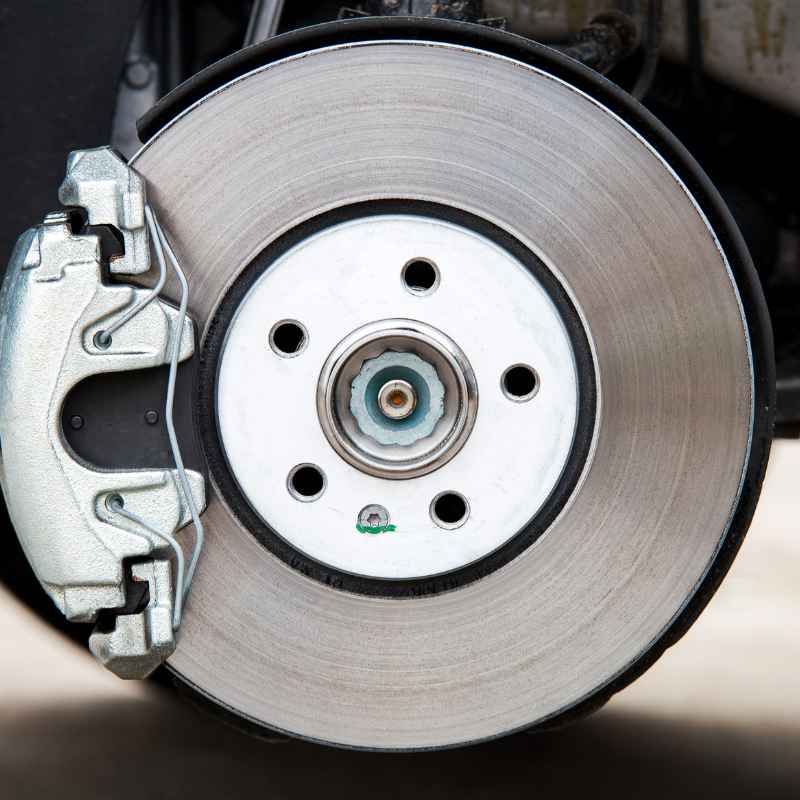
How Often Should You Replace Your Car Brakes? Expert Answer
How often should you replace your car brakes depends on several factors, but a general rule is every 25,000 to 65,000 miles. This expert guide breaks down the signs, timelines, and conditions that affect brake pad and rotor lifespan, helping you make informed maintenance decisions.
Simply put, replace brake pads when they reach 3mm thickness (about every 30,000–50,000 miles for most drivers). Rotors typically last 50,000–70,000 miles but need resurfacing or replacement if warped or deeply grooved. Driving style, vehicle weight, and environment significantly alter these intervals.
Key Takeaways
- Brake pad replacement is needed every 25,000–65,000 miles based on driving habits and pad material.
- Squealing, grinding, or a pulsating pedal indicate immediate replacement – never ignore these warning signs.
- Rotor condition matters: thin or warped rotors reduce braking efficiency and may require replacement.
- Heavy city driving wears brakes faster than highway cruising; towing or mountainous terrain accelerates wear.
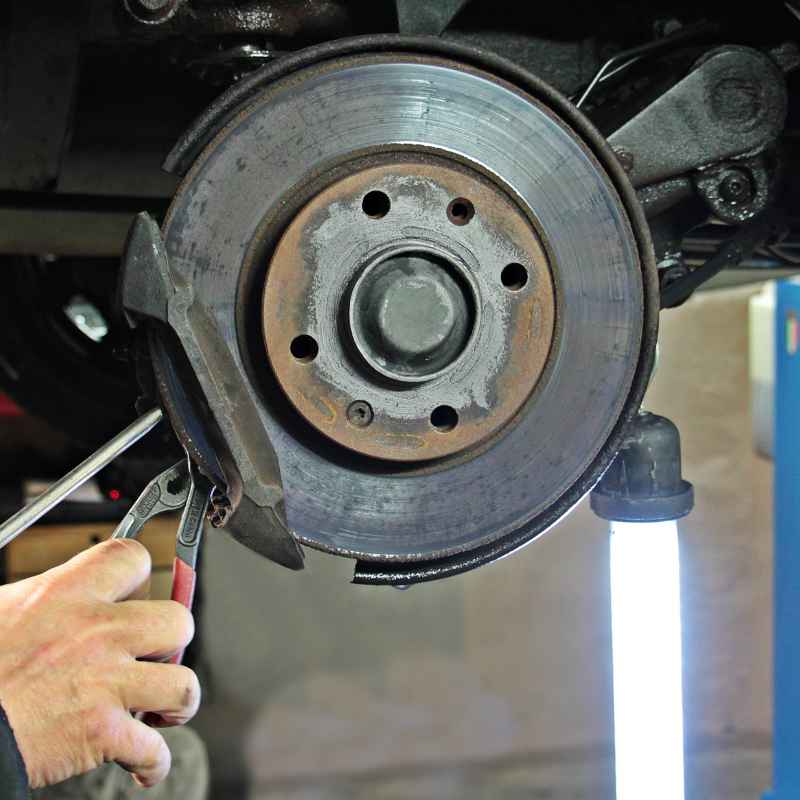
What Factors Influence Brake Replacement Frequency?
No single mileage works for every driver because brake wear depends on multiple variables. Understanding these helps you estimate your personal replacement interval.
1. Driving Style and Environment
Aggressive driving with hard braking generates more heat and friction, wearing pads faster. City driving with frequent stops can reduce pad life to 25,000 miles, while highway cruising may stretch it to 65,000 miles.
- City driving – 25,000–40,000 miles
- Highway driving – 50,000–65,000 miles
- Mixed driving – 35,000–50,000 miles
- Towing/hauling – 20,000–35,000 miles
- Mountainous terrain – 15,000–30,000 miles
2. Vehicle Type and Weight
Heavier vehicles like SUVs and trucks require more stopping force, accelerating wear. According to the Brake Manufacturers Council, SUVs may need brake pad replacement 20% sooner than sedans. Sports cars with high-performance brakes often have shorter intervals due to aggressive pad compounds.
3. Brake Pad Material
Different materials offer varying durability and performance:
| Material | Average Lifespan | Key Traits |
|---|---|---|
| Ceramic | 50,000–70,000 miles | Quiet, low dust, long-lasting |
| Semi-metallic | 30,000–50,000 miles | Good heat dissipation, noisier |
| Organic | 20,000–40,000 miles | Soft, quiet, less durable |
Choosing the right pad material for your driving pattern can extend intervals and improve performance.
Tip: If you mostly drive highways, ceramic pads offer the best longevity. For heavy towing, semi-metallic pads handle heat better despite shorter life.
How to Inspect Brake Pads and Rotors Yourself
You don’t need a mechanic to check basic brake condition. A simple visual inspection can tell you if replacement is near. Follow these steps safely.
- Park on level ground and engage the parking brake. Chock the rear wheels.
- Remove the wheel using a lug wrench. Support the vehicle with jack stands – never rely solely on a jack.
- Look through the caliper at the brake pad lining. If the friction material is less than 3mm (about the thickness of a dime), replace immediately.
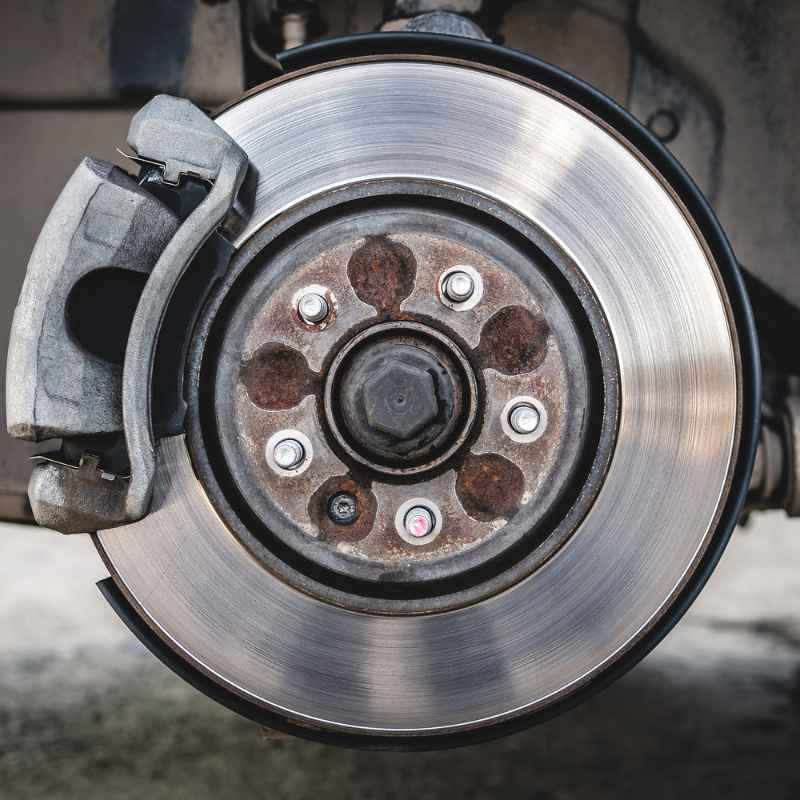
- Check rotor surface for grooves, cracks, or a blue discoloration (indicates overheating).
- Measure rotor thickness with a micrometer if possible. Compare to the minimum thickness stamped on the rotor edge.
According to the Car Care Council, nearly 25% of vehicles on the road have at least one brake component that needs attention. Routine checks catch problems early.
Warning: Never touch the brake rotor after driving – it can exceed 500°F. Allow at least 30 minutes for cooling before inspection.
What Are the Warning Signs That Brakes Need Replacement?
Relying solely on mileage is risky. Your car gives audible and tactile clues long before failure. Recognizing these can prevent costly repairs.
- Squealing or chirping – Many pads have a built-in wear indicator that produces a high-pitched sound when pads are thin.
- Grinding noise – Metal-on-metal contact means pads are completely worn and rotors are being damaged.
- Vibration or pulsation through the brake pedal indicates warped rotors.
- Soft or spongy pedal – Could be air in brake fluid, a leak, or worn pads.
- Pulling to one side during braking – Uneven caliper pressure or stuck component.
- Brake warning light on the dashboard – Modern cars monitor pad thickness or fluid level.
The National Highway Traffic Safety Administration (NHTSA) reports that brake-related issues contribute to 22% of vehicle crashes. Never ignore these signs.
Important: If you hear grinding, stop driving immediately. Continuing can destroy rotors and calipers, increasing repair costs by 300% or more.
How Often Should You Replace Brake Rotors?
Rotors typically last longer than pads, but they don’t last forever. Replacement intervals depend on thickness and condition.
Most manufacturers recommend replacing rotors every other pad change – roughly every 50,000–70,000 miles. However, rotors can be resurfaced (machined) once if they remain within the minimum thickness specification. Many modern cars have rotors that are too thin to machine and must be replaced each time.
| Rotor Condition | Action | Typical Mileage |
|---|---|---|
| Slight warping or grooves | Resurface (if thickness allows) | 30,000–50,000 miles |
| Below minimum thickness | Replace | 50,000–70,000 miles |
| Cracks or blue discoloration | Replace immediately | Any mileage |
Always match new rotors with new pads for even bedding and consistent performance.
How Does Driving in City vs. Highway Affect Brake Life?
Your daily commute directly dictates how often you need brake service. Understanding the difference helps you plan maintenance.
City driving involves frequent deceleration from 30–40 mph to a full stop. This creates more heat cycles and pad wear per mile. A driver in dense urban traffic may replace brakes every 25,000 miles.
In contrast, highway driving uses brakes sparingly – mainly for exits and emergency stops – allowing pads to last 60,000+ miles.
- City driver – Replace pads every 2–3 years (25,000–35,000 miles)
- Highway commuter – Replace pads every 4–6 years (50,000–70,000 miles)
- Mixed use – Replace pads every 3–4 years (35,000–50,000 miles)
Tip: If you drive in stop-and-go traffic daily, consider upgrading to semi-metallic pads – they handle heat better than organic pads in city conditions.
What Are the Costs of Brake Replacement?
Costs vary widely by vehicle and shop. Knowing the ranges helps you budget and avoid overpaying.
| Service | DIY Cost | Shop Cost |
|---|---|---|
| Front brake pads (per axle) | $30–$80 | $150–$300 |
| Front pads + rotors (per axle) | $100–$250 | $350–$600 |
| All four brakes (pads + rotors) | $200–$500 | $700–$1,200 |
Prices vary by vehicle, parts quality, and labor rates. Luxury and performance cars cost significantly more. The AAA notes that average brake pad replacement costs between $150 and $300 per axle at a repair shop.
What Does the Expert Say? Mechanic Recommendations
Professional mechanics don’t rely on a single mileage number. They follow a systematic check during routine service. According to the Automotive Service Association, a thorough brake inspection should be part of every oil change.
Most experts advise replacement when pad thickness drops below 3mm. For rotors, they measure thickness and runout (warp). A common recommendation: replace rotors every second pad change unless they are already worn or damaged.
- Annual brake inspection – Catch issues early, especially for vehicles with over 30,000 miles.
- Replace in axle sets – Both front brakes (or both rear) at the same time for balanced performance.
- Flush brake fluid every 2–3 years – Moisture contamination reduces braking effectiveness.
Important: Many automakers, including Toyota and Honda, recommend brake fluid replacement at 30,000-mile intervals. Check your owner’s manual.
Frequently Asked Questions
How often should you replace your car brakes in miles?
Brake pads typically need replacement every 25,000 to 65,000 miles depending on driving style, vehicle weight, and pad material. Rotors last 50,000 to 70,000 miles on average.
Can I replace just the brake pads without the rotors?
Yes, if rotors are in good condition – no deep grooves, cracks, or warping. Measure rotor thickness; if it’s near the minimum spec, replace them too.
How do I know if my brake pads are worn out?
Look for a screeching sound, grinding noise, longer stopping distances, or a vibration in the pedal. Visually check through the wheel for pad thickness below 3mm.
Do all four brakes need replacement at the same time?
No. Front brakes wear faster (60–70% of braking force) and typically need replacement twice as often as rears. Replace in axle sets only.
What happens if you never replace brake pads?
Eventually the metal backing plate contacts the rotor, causing deep scoring, rotor damage, and loss of braking power. This can lead to brake failure and costly repairs.
Final Thoughts
How often you replace your car brakes hinges on your driving patterns, not a universal number. Inspect pads at every oil change, listen for warning sounds, and replace when pad thickness drops below 3mm. Rotors typically last two pad cycles but require measurement.
Prioritizing brake health keeps you safe and saves money on major repairs down the road.
Products related to this article
Sponsored / affiliate links. As an Amazon Associate I earn from qualifying purchases. I may earn additional commission from eligible campaigns.