What is the Odometer in a Car: Essential Guide to Mileage Tracking
Have you ever wondered how your car keeps track of the distance it has traveled? That’s where the odometer comes in.
This simple device holds important information about your vehicle’s history, affecting its value and maintenance. Understanding what an odometer is and how it works can help you make smarter decisions about your car. Keep reading, and you’ll discover everything you need to know about the odometer in your car.
Purpose Of An Odometer
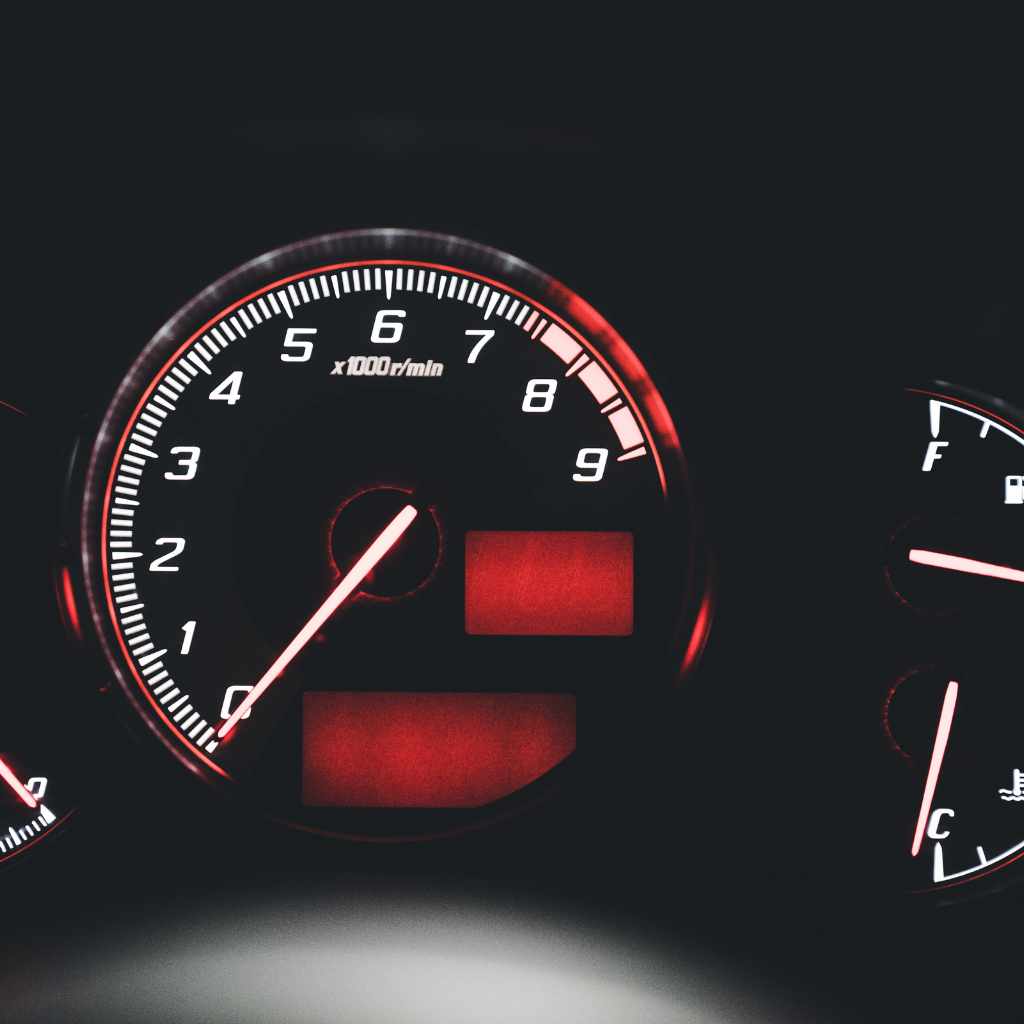
The odometer is a small but important tool in every car. It shows how far the car has driven. This helps drivers and mechanics keep track of the car’s use. Knowing the distance traveled is useful for many reasons. It helps with maintenance, safety, and even the car’s value.
Measuring Distance Traveled
The main job of the odometer is to measure distance. It counts every mile or kilometer the car moves. This lets drivers know how much they have driven. It also helps plan trips and fuel stops. Without the odometer, guessing distance would be hard and inaccurate.
Role In Vehicle Maintenance
Car maintenance depends on how much the car is used. The odometer helps set service schedules. Oil changes, tire checks, and engine tune-ups are planned by distance. Following these schedules keeps the car safe and running well. It also stops small problems from becoming big repairs.
Impact On Resale Value
The odometer reading affects a car’s resale price. Lower mileage usually means less wear and tear. Buyers prefer cars with fewer miles for better reliability. Sellers use the odometer to prove the car’s condition. Honest mileage helps build trust between buyers and sellers.
Types Of Odometers
Odometers track how far a car has traveled. Different types exist, each with its own features and technology. Understanding these types helps you know your car better. The main types include mechanical, digital, and trip odometers. Each type serves a unique purpose.
Mechanical Odometers
Mechanical odometers use gears and wheels to count distance. The wheels turn as the car moves, showing the miles on a dial. These odometers are reliable but can wear out over time. They were common before digital technology became popular.
Digital Odometers
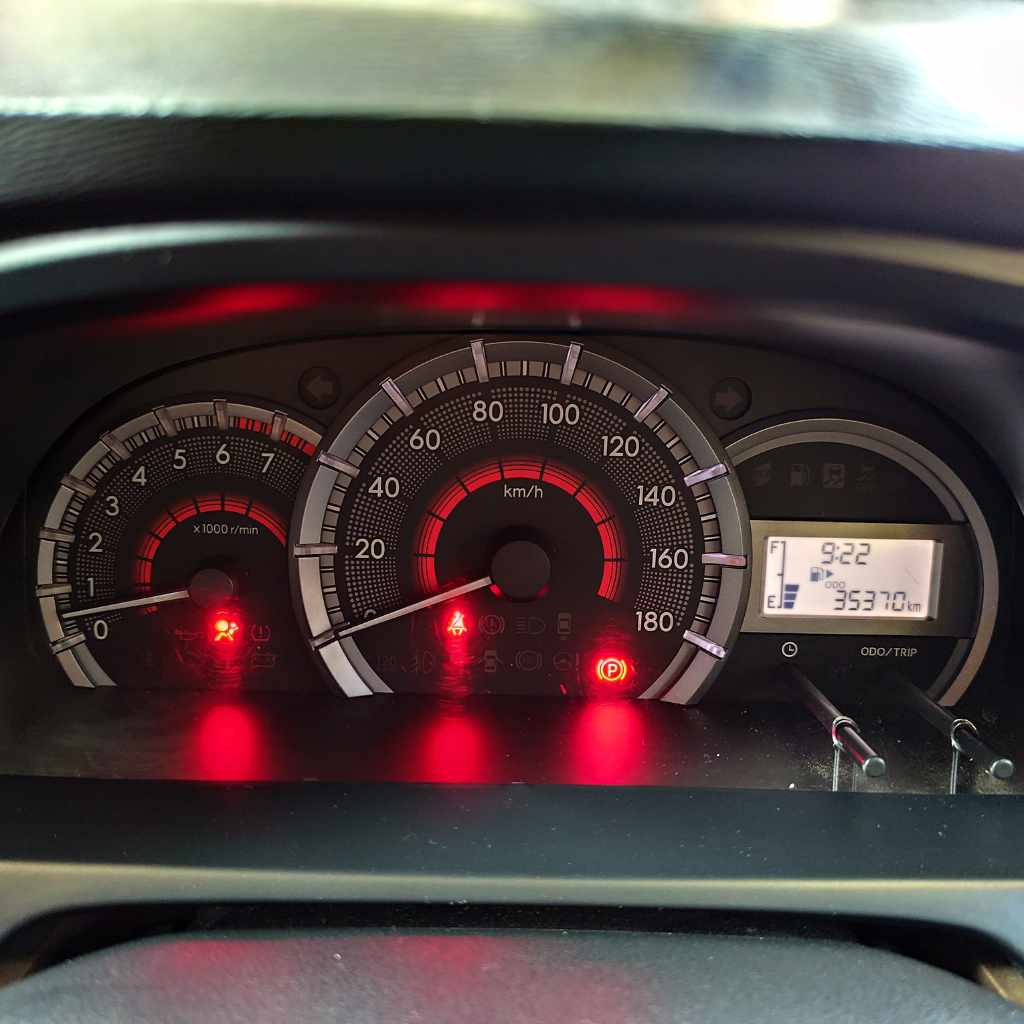
Digital odometers use electronic sensors to measure distance. The numbers appear on a screen, making it easy to read. They are more accurate and harder to tamper with than mechanical types. Many modern cars use digital odometers for better performance.
Trip Odometers
Trip odometers track short distances, like trips or fuel mileage. They can be reset anytime to measure new distances. This helps drivers monitor specific journeys or fuel use. Trip odometers are often part of digital or mechanical systems.
How Odometers Work
The odometer shows the distance a car has traveled. It helps drivers keep track of trips and maintenance. Understanding how odometers work reveals the technology behind this simple tool.
Connection To The Transmission
The odometer links directly to the car’s transmission. As the wheels turn, the transmission spins a small gear. This gear moves the odometer’s mechanism. It counts how far the car travels by measuring rotations.
Older cars use a cable that connects the transmission to the odometer. This cable turns the odometer’s numbers. The more the wheels turn, the higher the reading goes.
Signal Processing In Digital Models
Modern cars use digital odometers. Sensors on the transmission send electronic signals. These signals tell the odometer how far the car has moved. A computer inside the dashboard processes these signals.
The digital display shows the distance in numbers. This method is more accurate and easier to read. It also allows extra features like trip meters and service reminders.
Calibration And Accuracy
Odometers must be calibrated for accuracy. Calibration depends on the size of the car’s tires. If tires change size, the odometer reading can become wrong. Proper calibration keeps the distance measurement correct.
Manufacturers test odometers to meet legal standards. Accurate readings help with vehicle maintenance and resale value. Drivers rely on odometers for safe and efficient driving.
Common Issues With Odometers
Odometers track the distance a car has traveled. They help buyers and sellers know the car’s true usage. Despite their importance, odometers face several common problems. These issues can cause incorrect readings or even fraud. Understanding these problems helps car owners protect their investment.
Odometer Fraud And Tampering
Odometer fraud means changing the reading to show fewer miles. This can make a car seem newer or less used. Some sellers do this to get more money. Tampering often involves rolling back mechanical dials or hacking electronic displays. It is illegal and can cause buyers to pay too much.
Mechanical Failures
Older cars have mechanical odometers with gears and dials. These parts can wear out or break over time. When this happens, the odometer may stop working or show wrong numbers. Dirt and rust can also damage the gears. Mechanical failures make it hard to know the real mileage.
Electronic Malfunctions
Modern cars use electronic odometers with digital displays. These rely on sensors and computer chips. Faulty sensors or wiring issues can cause wrong readings. Software errors or battery problems may also affect the odometer. Electronic malfunctions might confuse car owners about actual distance traveled.
Maintaining Accurate Mileage Records
Maintaining accurate mileage records helps keep your car in good condition. It also protects you from unexpected repair costs. Accurate mileage data shows the true use of your vehicle. This is important for resale value and service schedules. Careful tracking prevents problems and builds trust with buyers and mechanics.
Regular Checks And Calibration
Check your odometer regularly to ensure it works correctly. Some cars may need calibration after repairs or battery changes. Calibration keeps the odometer reading true to the distance traveled. Visit a trusted mechanic if you notice wrong or stuck numbers. Accurate readings help you plan maintenance and avoid costly mistakes.
Using Trip Meters For Short Distances
Trip meters record short trips separately from the main odometer. Use them to track fuel use or distance for a job. Reset the trip meter before each trip for precise data. This helps monitor your driving habits and fuel efficiency. It also supports accurate mileage reporting for work or expense claims.
Keeping Service Logs
Write down your mileage every time you service your car. Include the date and type of service done. Service logs show a clear history of your vehicle’s use. They help mechanics find problems early and keep your warranty valid. Good records increase your car’s resale value and trustworthiness.
Legal And Safety Considerations
The odometer in a car is more than a simple counter of miles. It has legal and safety importance. Laws protect drivers and buyers from dishonest practices. Safety depends on knowing the true distance a car has traveled. This section explains the legal rules and safety reasons about odometers.
Laws Regulating Odometer Usage
Most countries have strict laws about odometer use. These laws require accurate mileage reporting. Sellers must show the real odometer reading when selling a car. This protects buyers from fraud. The law also requires odometers to work correctly. Broken or altered odometers must be reported. These rules help keep the market fair and safe.
Consequences Of Tampering
Tampering with an odometer is illegal. Changing the mileage can lead to fines and jail time. It misleads buyers about the car’s condition. This can cause accidents or expensive repairs. Law enforcement checks for odometer fraud during vehicle inspections. Punishments are strict to stop dishonest sellers. Buyers should watch out for signs of tampering.
Importance For Vehicle Safety
Accurate odometer readings help maintain vehicle safety. They show when to do regular services and checks. Parts like brakes and tires need replacing after certain miles. Knowing the true mileage prevents breakdowns and accidents. Mechanics rely on odometer data for repairs. A reliable odometer keeps drivers and passengers safe on the road.
Future Of Odometer Technology
The future of odometer technology holds exciting changes. Cars are becoming smarter, and odometers must keep up. New tech will improve how distance and usage data are tracked. These updates will help drivers and manufacturers alike.
Integration With Gps Systems
Odometers will work closely with GPS systems. This link will provide more accurate distance readings. GPS can track routes, speed, and location in real time. It helps avoid errors from wheel slippage or tire size changes. This integration gives clearer travel data for drivers.
Role In Electric And Autonomous Vehicles
Electric cars use odometers differently than gas cars. They monitor battery usage alongside distance traveled. Autonomous vehicles rely on odometers to measure movement precisely. This data supports safe and efficient self-driving functions. Odometers will become key parts of new vehicle designs.
Advancements In Data Tracking
Future odometers will store more detailed trip information. They can track speed, stops, and driving patterns. This data helps improve vehicle maintenance and performance. Drivers will get better insights to manage their cars. Manufacturers can also use this data for safety checks.
Frequently Asked Questions
What Does An Odometer In A Car Measure?
An odometer measures the total distance a car has traveled. It helps track mileage for maintenance and resale value. The reading is usually shown in miles or kilometers on the dashboard.
How Does A Car Odometer Work?
A car odometer counts wheel rotations and converts them into distance. Modern odometers use electronic sensors, while older ones rely on mechanical gears. This data helps drivers monitor usage and schedule timely services.
Why Is The Odometer Important For Car Owners?
The odometer helps owners track vehicle usage and plan maintenance. It affects resale value and detects potential odometer fraud. Accurate mileage ensures the car remains in good condition and maintains its worth.
Can Odometer Readings Be Tampered With?
Yes, odometer fraud is illegal but still occurs. Tampering reduces the displayed mileage to increase resale value. Always verify odometer readings through vehicle history reports and trusted inspections.
Conclusion
The odometer shows how far a car has traveled. It helps track car usage and maintenance. Knowing the odometer reading can save money on repairs. It also gives a clue about the car’s condition. Always check the odometer before buying a used car.
Understanding this simple tool helps you take better care of your vehicle. It’s a small but important part of every car. Keep an eye on it to stay informed and safe on the road.