What Luxury Cars Do Best In Florida Weather? Top Picks
Driving in Florida can be a unique experience. The sun shines bright, but the heat and humidity can be intense. Then there are sudden storms and the salty air near the coast.
These conditions can be tough on any car, especially a luxury one. You want your high-end vehicle to stay in great shape and feel comfortable inside, no matter what the weather throws at it. So, what makes a luxury car a good fit for Florida?
Let’s dive in.
Florida’s climate presents specific challenges for vehicles. Luxury cars, often packed with advanced electronics and sensitive materials, need careful consideration. The best luxury cars for Florida excel in managing heat, resisting corrosion, offering superior climate control, and providing durable performance against common weather impacts. This guide helps you find a luxury ride that truly thrives in the Sunshine State.
Understanding Florida’s Unique Car Challenges
Florida is not just hot; it’s hot and humid. This sticky air creates a different kind of stress on your car. It can make materials age faster.
The constant moisture also affects electronics. Then, consider the sun. Intense UV rays can fade paint and damage interiors over time.
It’s like living in a sauna with a magnifying glass.
Coastal areas add another layer of complexity. Salt spray from the ocean is corrosive. It can attack metal parts, including the undercarriage and even the body panels.
Roads can also be treated with salt during rare cold snaps, or from road salt trucks that pass through. This salt can cause rust and decay. Plus, Florida sees its share of dramatic weather.
Heavy rain, strong winds, and even hurricanes can be a concern.
These elements mean a car needs to be more than just stylish. It needs to be built tough. It needs features that protect it.
And it needs to keep you comfortable. For a luxury car, this means combining advanced technology with robust engineering. It’s about finding that sweet spot where premium comfort meets resilient design.
What Makes a Luxury Car “Florida-Ready”?
When we talk about luxury cars and Florida, we’re looking for specific traits. It’s not just about brand prestige. It’s about how well the car stands up to the local environment.
Think of it as building a high-end home in a tropical climate. You’d want strong foundations and smart materials.
Climate Control: This is huge. Dual-zone climate control is standard on many luxury cars. But in Florida, you want systems that are powerful.
They need to cool the cabin quickly and keep it at a comfortable temperature. Look for advanced air filtration systems too. These help remove pollen, dust, and humidity, making the air feel fresher.
Interior Materials: Leather can get hot and sticky in extreme heat. Some luxury cars offer perforated leather or ventilated seats. These allow air to flow, keeping you cooler.
Other options include high-quality synthetic materials that are more resistant to sun damage and heat. Dark interiors can absorb a lot of heat, making the cabin feel much hotter.
Exterior Protection: The car’s paint needs to be resilient. High-quality clear coats offer better protection against UV rays. Some manufacturers also offer optional ceramic coatings or paint protection films.
These add an extra layer against the sun and salt. The undercarriage is also important. Cars with better rustproofing and corrosion resistance will last longer.
Electronics and Infotainment: Florida heat can sometimes affect car electronics. While most modern luxury cars are built to withstand this, cars with better-designed cooling systems for their internal components might have an edge. Also, consider screens that don’t glare too badly in direct sunlight.
Suspension and Ride Comfort: Florida roads aren’t always perfect. There are potholes, uneven surfaces, and sometimes rough patches. A luxury car’s suspension should handle these smoothly.
It should absorb shocks and provide a comfortable ride, even when you’re dealing with summer downpours on the highway.
Engine and Cooling: The engine works harder in the heat. It needs an efficient cooling system. Luxury cars often have advanced cooling technologies.
This ensures the engine doesn’t overheat, even during stop-and-go traffic on a sweltering afternoon.
These are the features that separate a car that just survives Florida from one that truly excels. It’s about experiencing luxury without the added stress of environmental damage.
Top Luxury Cars Performing Well in Florida
After considering these factors, a few luxury brands and models consistently stand out for their suitability in Florida. They offer a blend of advanced climate control, durable materials, and robust engineering that can handle the Sunshine State’s unique demands.
German Engineering: Mercedes-Benz, BMW, Audi
These brands are known for their meticulous engineering. Their cars often feature sophisticated climate control systems. They use high-quality materials for both interiors and exteriors.
Rust protection is typically top-notch. Mercedes-Benz models, like the E-Class and S-Class, often boast excellent air filtration and multi-zone climate controls. BMW’s 5 Series and 7 Series are also strong contenders, offering durable interiors and powerful AC systems.
Audi’s A6 and A8 provide a refined experience with solid build quality that holds up well.
Japanese Precision: Lexus
Lexus is a leader in reliability and comfort. Their vehicles are engineered to last. The Lexus ES and LS models are incredibly smooth.
They feature excellent climate control and often use materials that are less prone to heat damage. The build quality is superb, which means less worry about long-term exposure to the elements. Lexus’s focus on customer satisfaction also means they address common issues before they become problems.
American Innovation: Cadillac, Lincoln
American luxury brands have stepped up their game. Cadillac, with models like the CT5, offers powerful engines and robust cooling systems. Their interiors are designed for comfort in challenging climates.
Lincoln’s Navigator and Aviator provide spacious cabins with advanced climate features. They also use materials that are often chosen for their durability and resistance to sun fading.
The Electric Advantage: Tesla, Porsche Taycan
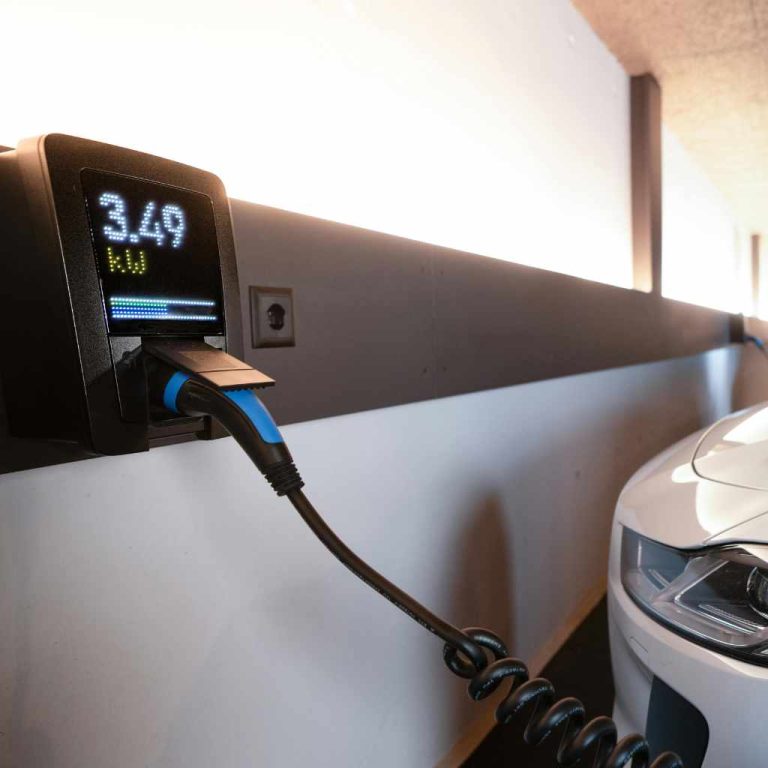
Electric vehicles (EVs) present a different set of considerations. Tesla models, like the Model S and Model 3, have incredibly efficient climate control systems. They can pre-condition the cabin while still plugged in, saving battery and ensuring comfort.
The minimalist interiors often use synthetic materials that are durable. Porsche’s Taycan offers a sportier luxury experience. Its advanced thermal management systems are designed to handle high-performance demands, which translates well to managing heat.
Choosing from these brands means you’re likely getting a car that has been engineered with durability in mind. This is crucial for dealing with Florida’s sun, heat, and humidity. It’s about enjoying the luxury without the worry of premature wear and tear.
Deep Dive: Climate Control Systems in Luxury Cars
Let’s talk more about climate control. In Florida, your car’s AC is your best friend. It’s not just about feeling cool; it’s about the system’s ability to cope with the relentless heat and humidity.
Multi-Zone Systems: Most luxury cars offer at least dual-zone climate control. This lets the driver and front passenger set their own temperatures. Some models offer tri-zone or even quad-zone.
This is fantastic for families or groups of friends traveling together. Everyone can find their perfect comfort zone.
Advanced Air Filtration: This is a feature many people overlook. High-end air filters can remove much more than just dust. They can trap pollen, mold spores, and even microscopic pollutants.
In humid Florida, they can also help manage interior air quality. Some systems even include ionization features to neutralize odors and bacteria.
Ventilated Seats: These are a game-changer for Florida drivers. Instead of just blowing cold air at you, ventilated seats have fans that pull air through tiny perforations. This actively cools your back and legs.
It’s incredibly effective at preventing that sticky, uncomfortable feeling, especially on long drives or in heavy traffic.
Quick Cool-Down Features: Some luxury cars have features designed for rapid cabin cooling. This might involve a “Max AC” button or an intelligent system that prioritizes bringing the temperature down quickly. This is especially useful when getting into a car that’s been sitting in the scorching sun all day.
Humidity Management: Beyond just cooling, some systems actively work to reduce humidity. This makes the air feel less “muggy.” It also helps prevent that clammy feeling inside the car. This is a subtle but important factor for overall comfort in a humid environment.
Integrated Controls: Modern luxury cars integrate climate controls into their infotainment systems. This allows for precise adjustments and often includes features like scheduling cabin pre-conditioning via a smartphone app. This means your car can be at the perfect temperature before you even step inside.
The effectiveness of these systems can vary between brands. For Florida, prioritize cars known for powerful and efficient AC units. Reading owner reviews specifically mentioning climate control performance in hot climates can be very insightful.
I remember a trip down to Miami in July. I was in a rental car that was supposed to be a step up, but the AC struggled. It took ages to cool down, and even then, it felt like it was working too hard.
My own car, a Mercedes, has a much more robust system. It cools down fast and keeps a steady temperature. That difference is huge when you’re driving hour after hour in that heat.
It makes the drive enjoyable instead of a chore.
Interior Material Durability Tips
Leather Care:
- Clean and condition leather regularly.
- Use a good quality leather conditioner to prevent drying and cracking.
- Consider seat covers for extreme sun exposure.
Vinyl and Plastic Protection:
- Use UV protectant sprays on dashboards and door panels.
- Avoid harsh cleaning chemicals that can degrade surfaces.
- Park in shaded areas when possible.
Fabric Seats:
- Opt for lighter colors to reflect heat.
- Treat fabric with stain and UV protection.
- Vacuum regularly to remove sand and grit.
Exterior Protection and Longevity
The exterior of your luxury car is constantly battling the elements in Florida. Beyond the sun’s UV rays, salt air and sudden downpours can take a toll. Protecting your car’s finish and underlying structure is key to maintaining its value and appearance.
Paint Quality and Clear Coats: Most modern luxury vehicles use multi-layer paint systems. A high-quality clear coat is your first line of defense against UV damage. It helps prevent fading and oxidation.
Brands that invest in advanced paint technology tend to perform better long-term in sunny regions.
Ceramic Coatings and Paint Protection Film (PPF): These are aftermarket or dealer-applied treatments that add significant protection. Ceramic coatings create a hard, hydrophobic layer that repels water, dirt, and UV rays. PPF is a clear film applied to high-impact areas (like the hood, fenders, and bumpers) to guard against chips and scratches from road debris.
Rustproofing and Corrosion Resistance: This is especially critical for cars driven near the coast. Luxury car manufacturers generally use galvanized steel and advanced rustproofing techniques. However, some models may benefit from additional undercoating or rustproofing services.
Regularly washing the undercarriage, especially after driving on treated roads or near the ocean, is vital.
Window Tinting: While not strictly for protection, high-quality window tint can significantly reduce the amount of heat and UV rays entering the cabin. This not only makes the interior more comfortable but also helps protect dashboard materials and upholstery from sun damage. Be sure to check Florida’s laws regarding tint levels.
Wheel Protection: Salt spray can corrode alloy wheels. Many luxury cars have clear-coated or painted wheels that need regular cleaning. Brake dust can also be corrosive.
Washing your wheels with a pH-neutral wheel cleaner and a soft brush can prevent long-term damage.
In Florida, it’s not just about the initial shine. It’s about maintaining that shine and structural integrity over years of exposure. Investing in some form of exterior protection beyond the factory finish can pay dividends in the long run.
Quick Exterior Care Checklist for Florida
Daily/Weekly:
- Wash your car regularly to remove salt, grime, and bird droppings.
- Rinse the undercarriage after driving on treated roads or near the coast.
- Dry your car thoroughly to prevent water spots.
Monthly:
- Apply a spray wax or sealant for added protection.
- Clean and protect plastic and rubber trim.
- Inspect tires for wear and proper inflation.
Bi-Annually:
- Apply a more durable wax or ceramic coating.
- Have the paint professionally inspected for swirl marks or damage.
- Check for any signs of rust, especially on the undercarriage.
Real-World Scenarios and How Luxury Cars Cope
Let’s paint some pictures. Imagine driving through a sudden, torrential Florida downpour. The rain is so heavy the wipers can barely keep up.
Visibility drops to near zero.
A well-equipped luxury car will handle this with grace. Its advanced wiper systems, often with rain-sensing technology, will adjust speed automatically. Headlights might turn on by themselves.
The car’s aerodynamic design will help it cut through standing water with less hydroplaning. Inside, the climate control will work overtime to defog the windows. This is where features like heated mirrors and advanced defroster systems become crucial.
Now, picture parking your car at the beach for a few hours on a scorching summer day. The sun beats down relentlessly. When you return, the interior feels like an oven.
You dread touching the steering wheel or the seatbelt buckle.
This is where those ventilated seats and advanced climate control truly shine. A car with a powerful AC and efficient cooling can bring the cabin temperature down remarkably quickly. Cars with tinted windows or lighter interior colors will also heat up less intensely.
Some EVs can even be pre-conditioned remotely via an app, cooling the car before you even open the door. This makes the experience far more pleasant.
Consider driving along the coast. The salty air hangs heavy. You know that salt is trying to eat away at your car’s metal.
A luxury car with good factory rustproofing will be more resilient. Regular washing is key. But the quality of the paint and undercoating matters.
Cars with a reputation for excellent corrosion resistance will show less wear over time. It’s about the little details, like how well the door seals are designed to keep moisture out.
These everyday scenarios highlight the importance of choosing a car built for comfort and durability in challenging conditions. It’s not just about luxury; it’s about practicality and long-term ownership satisfaction in Florida.
Performance and Reliability in Heat and Humidity
Florida’s heat and humidity put a strain on a car’s engine and its components. A luxury car needs to perform reliably, even when the temperature gauge is climbing.
Engine Cooling Systems: High-performance engines generate a lot of heat. In Florida, this heat is amplified by the ambient temperature. Luxury cars usually have larger radiators, more efficient fans, and advanced coolant formulas.
This ensures the engine stays within its optimal operating temperature range. Overheating can lead to serious engine damage, so a robust cooling system is paramount.
Transmission Performance: Transmissions also generate heat, especially during stop-and-go traffic. Many luxury cars use advanced automatic transmissions with dedicated cooling systems. This helps prevent overheating, which can cause jerky shifting and reduce the lifespan of the transmission fluid.
For EVs, battery thermal management is key. It keeps the battery pack at an optimal temperature for performance and longevity, which is crucial in the Florida heat.
Tire Performance: Extreme heat can affect tire pressure and performance. Luxury cars are often equipped with high-performance tires. It’s important to maintain the correct tire pressure, as heat can cause it to increase.
Also, tires designed for performance may have specific temperature ratings, ensuring they handle well even on hot asphalt.
Electronic Stability and Traction Control: Florida’s weather can be unpredictable. Sudden downpours can make roads slick. A luxury car’s advanced electronic systems are designed to maintain control in such conditions.
This includes systems that adjust power delivery and braking to prevent wheel slip, giving you confidence on wet roads.
Battery Life in Heat: For electric vehicles, extreme heat can impact battery range and lifespan. Manufacturers are increasingly aware of this. They build advanced battery management systems that actively cool or heat the battery pack as needed.
This is crucial for maintaining performance and ensuring the battery degrades slower over time. Some luxury EVs are better than others at managing their battery temperature in hot climates.
The key is that luxury vehicles are typically engineered with a wider margin of error. They are designed to perform under stress. For Florida, this means looking for models that have a proven track record of reliability in hot and humid conditions.
What This Means for You: Choosing the Right Luxury Car
So, how do you pick the best luxury car for Florida? It comes down to prioritizing certain features. Don’t just look at the horsepower or the brand name.
Think about how the car will actually live in your local climate.
When it’s Normal: It’s normal for your car’s AC to work hard. It’s normal for interiors to feel warmer after sitting in the sun. It’s normal for paint to need protection.
It’s also normal for cars to require regular maintenance, especially in harsh environments.
When to Worry: You should worry if your AC struggles to cool the cabin, even after some time. If you notice premature fading or cracking of interior materials, that’s a red flag. Strange noises from the engine or transmission, especially when it’s hot, need immediate attention.
Any signs of rust appearing too quickly are also concerning, particularly if you live inland.
Simple Checks You Can Do:
- Listen to the AC: Does it sound like it’s straining? Is the air blowing consistently cold?
- Feel the Interior: Does the dashboard feel excessively hot to the touch? Do seats become uncomfortable quickly?
- Look at the Paint: Are there any signs of dullness or fading that seem too early?
-
Check for Leaks: Look under the car after it’s been parked.
A small amount of condensation from the AC is normal, but significant fluid leaks are not.
- Monitor the Gauges: Keep an eye on the engine temperature gauge. It should stay steady.
By understanding these points, you can make a more informed decision. You can find a luxury car that not only pampers you but also stands up to the challenges of the Florida weather. It’s about finding that perfect balance of indulgence and resilience.
Quick Tips for Florida Luxury Car Ownership
Living with a luxury car in Florida involves a few smart habits. These can help keep your car looking great and running smoothly, year after year.
Park Smart: Whenever possible, park in shaded areas. Garages are ideal. If street parking is your only option, look for trees or buildings that can offer some respite from the sun.
Wash Regularly: Don’t let salt, sand, and grime sit on your car. A good wash every week or two can prevent corrosion and keep the paint looking its best. Pay special attention to the undercarriage, especially if you live near the coast.
Protect the Interior: Use a sunshade when parked. This can dramatically reduce the interior temperature and protect the dashboard and seats from UV damage. Consider window tinting for added protection and comfort.
Maintain Climate Control: Get your AC system checked periodically. Ensure the refrigerant levels are correct and the cabin air filter is replaced as recommended. This keeps your AC running efficiently and ensures good air quality inside.
Detailing is Key: Regular professional detailing can make a big difference. A good detailer can apply protective coatings to the paint, clean and condition the interior, and ensure all nooks and crannies are attended to. This is an investment in your car’s longevity.
Consider Paint Protection: If you want the best for your car’s exterior, look into paint protection film (PPF) or a high-quality ceramic coating. These offer superior defense against the sun, scratches, and environmental contaminants.
These simple steps can help your luxury car maintain its appearance and performance despite the demanding Florida climate.

Frequently Asked Questions About Luxury Cars in Florida
Frequently Asked Questions
Which luxury car brands are best for Florida’s humidity?
Brands like Lexus, Mercedes-Benz, and BMW are often recommended. They use high-quality interior materials and have robust climate control systems designed to handle humidity effectively. Look for models with ventilated seats and advanced air filtration.
How does salt air affect luxury cars in Florida?
Salt air is corrosive and can cause rust and damage to metal components, including the car’s body, undercarriage, and wheels. Regular washing, especially of the undercarriage, and protective coatings like ceramic or PPF can help mitigate this damage.
Are electric luxury cars good for Florida’s heat?
Yes, many are. EVs often have advanced thermal management systems to keep batteries cool, which is crucial in heat. Tesla and Porsche Taycan are good examples with efficient climate control and durable interiors that resist heat.
What interior materials should I look for in a Florida luxury car?
Perforated leather with ventilation is excellent. High-quality synthetic leathers and durable, lighter-colored fabrics are also good choices. Avoid dark, non-perforated leather if you prioritize comfort in extreme heat.
How often should I wash my luxury car in Florida?
Washing your car at least every one to two weeks is recommended. More frequent washing is advisable if you live near the coast or drive on roads treated with salt.
Can extreme heat damage a luxury car’s electronics?
While modern luxury cars are built to withstand heat, prolonged exposure to extreme temperatures can stress electronic components. Cars with better-designed cooling systems for their interiors and electronics may be more resilient over the long term.
Conclusion: Your Luxury Ride for Sunshine and Showers
Choosing a luxury car for Florida means looking beyond just comfort and performance. It’s about durability and smart design. Brands known for robust engineering and advanced climate control will serve you best.
Features like ventilated seats and excellent paint protection are not luxuries; they are necessities in the Sunshine State. By understanding the challenges and looking for the right features, you can find a car that keeps you comfortable and protected, no matter what Florida’s weather brings.
Products related to this article
Sponsored / affiliate links. As an Amazon Associate I earn from qualifying purchases. I may earn additional commission from eligible campaigns.