Do Electric Cars Need Servicing? Your Essential Guide
Do electric cars need servicing?
This is a common question for drivers considering the switch to an EV, and the answer is a resounding yes, though with significant differences from traditional gasoline vehicles. While EVs eliminate many common maintenance points like oil changes and exhaust system checks, they still require regular upkeep to ensure safety, performance, and longevity. This guide will break down what servicing entails for electric cars, what to expect, and why it’s crucial for keeping your EV in top condition.
Simply put, electric cars require servicing, but it’s less frequent and generally less expensive than for gasoline cars due to fewer moving parts and no need for oil changes or exhaust system checks — a pattern hybrids share too, though hybrids carry their own battery-replacement risk once out of warranty. Regular checks of brakes, tires, suspension, battery health, and cabin filters are key to maintaining an EV.
Key Takeaways
- Electric cars do need servicing, though the maintenance schedule and types of services differ significantly from internal combustion engine (ICE) vehicles.
- Key service areas for EVs include battery health monitoring, brake system checks, tire rotations, suspension inspections, and cabin air filter replacements.
- EVs eliminate many traditional maintenance tasks like oil changes, spark plug replacements, and exhaust system repairs, leading to lower overall servicing costs.
- Regular servicing ensures the optimal performance and safety of your electric car, and can help maintain battery longevity.
- While manufacturer recommendations vary, a typical EV service interval might be annually or every 15,000-20,000 miles.
What is Electric Car Servicing?
Electric car servicing involves a series of inspections and maintenance tasks specifically designed for electric vehicles. Unlike their gasoline counterparts, EVs have fewer mechanical components. This means no engine oil to change, no spark plugs to replace, and no exhaust systems to worry about.
However, this doesn’t mean they are maintenance-free. Servicing focuses on the unique aspects of EV technology and the shared components with traditional cars that still require attention.
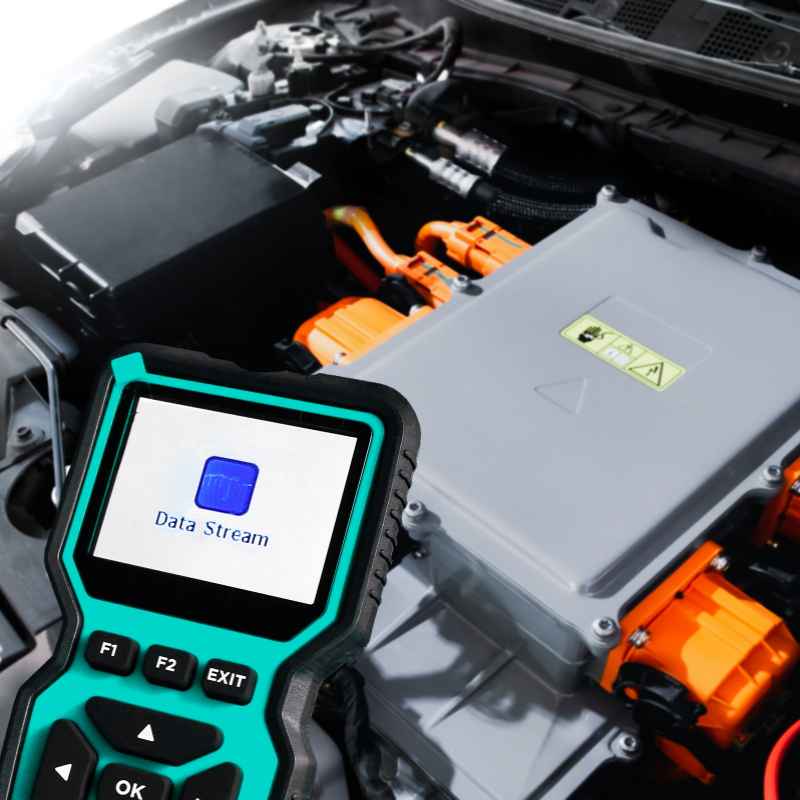
The primary goals of EV servicing are to ensure the safety and reliability of the vehicle, monitor the health of its complex electrical systems (especially the battery), and maintain its driving performance. This includes checking the high-voltage battery system, electric motor, power electronics, as well as more familiar components like brakes, tires, and suspension. Regular check-ups help identify potential issues early, preventing more significant and costly repairs down the line.
Understanding what goes into an EV service appointment can help set realistic expectations regarding time and cost. While the initial purchase price of an EV can be higher, the reduced maintenance needs often contribute to a lower total cost of ownership over the vehicle’s lifespan. See our full EV cost breakdown, including the 2026 tax credit change, for the complete picture. It’s important to follow the manufacturer’s recommended service schedule to get the most out of your electric vehicle. For more on how much the Apple Car might cost, see our full guide.
Key Components Checked During an EV Service
- High-Voltage Battery System: This is the heart of your EV, and its health is paramount. Service includes diagnostic checks for performance, charge capacity, and any potential anomalies.
- Electric Motor and Power Electronics: While generally robust, these systems are inspected for proper function and cooling.
- Braking System: EVs use regenerative braking, which reduces wear on the friction brakes. However, they still require regular inspection to ensure they are in good working order.
- Tires: EVs are heavier than comparable gasoline cars, and their instant torque can lead to faster tire wear. Rotations and pressure checks are crucial.
- Suspension and Steering: Like any car, these components are checked for wear and tear, ensuring a safe and comfortable ride.
- Cabin Air Filter: This needs replacement to ensure good air quality inside the vehicle.
- Cooling Systems: EVs use liquid cooling for the battery and power electronics, which requires fluid level checks and potential replacements.
- 12-Volt Battery: EVs still have a traditional 12-volt battery to power accessories, which needs its own maintenance.
What Maintenance Tasks Does an Electric Car ELIMINATE?
One of the most significant advantages of owning an electric car is the reduction, or complete elimination, of several routine maintenance tasks that are essential for gasoline-powered vehicles. These eliminated tasks directly translate to lower servicing costs and less time spent at the mechanic. For instance, the internal combustion engine (ICE) in traditional cars requires a complex system of lubrication, cooling, and exhaust management, all of which necessitate regular attention.
For drivers accustomed to the traditional car maintenance routine, the absence of these items in EV servicing is a major benefit. No more last-minute stops for an oil change before a long trip, no more worrying about emissions tests tied to exhaust systems, and no more unexpected bills for engine component failures that are common in ICE vehicles. This streamlined approach to maintenance is a key selling point for electric mobility.
| Eliminated ICE Maintenance Tasks | EV Maintenance Equivalents |
|---|---|
| Engine Oil & Filter Change | None |
| Spark Plug Replacement | None |
| Fuel Filter Replacement | None |
| Exhaust System Inspection/Repair | None |
| Radiator Flush/Coolant Change (for engine) | Battery/Power Electronics Cooling System Check |
| Timing Belt Replacement | None |
| Emissions System Checks | None |
This table highlights the significant reduction in maintenance complexity for electric vehicles compared to their internal combustion engine counterparts.
Commonly Eliminated Maintenance Items
- Oil Changes: EVs do not have an internal combustion engine that requires oil for lubrication.
- Exhaust System Maintenance: There are no mufflers, catalytic converters, or exhaust pipes to inspect or repair.
- Transmission Fluid Changes: Many EVs have simpler single-speed transmissions or no traditional transmission at all, eliminating the need for fluid changes.
- Coolant Flushes (for engine): While EVs have cooling systems, they are for the battery and electronics, not an engine block.
- Belt Replacements: No serpentine belts or timing belts to worry about.
- Fuel System Cleaning: No gasoline to contend with means no clogged fuel injectors or filters.
How Often Should You Service Your Electric Car?
The frequency of servicing for an electric car is generally less than for a conventional gasoline vehicle. Manufacturers provide specific maintenance schedules based on mileage and time intervals. While these can vary slightly between brands and models, a common recommendation is an annual service or an inspection every 15,000 to 20,000 miles, whichever comes first.
Some manufacturers might suggest even longer intervals for certain checks.
It’s crucial to consult your vehicle’s owner’s manual for the precise recommended service intervals and the specific tasks to be performed at each interval. Ignoring these recommendations can potentially void your warranty or lead to premature wear on components. Even with fewer parts, proactive checks are vital for ensuring the long-term health and performance of your EV.
When you book a service, be sure to mention you’re driving an electric vehicle, as not all general mechanics are equipped to handle EV-specific diagnostics and repairs. Dealerships or specialized EV repair shops are usually the best choice for comprehensive servicing.
Typical EV Service Schedule Intervals
- Annual Inspection / 15,000-20,000 Miles: This is the most common recommendation for a standard service. It typically includes checks of tires, brakes, suspension, lights, wipers, cabin air filter, and a diagnostic scan of the high-voltage system.
- 30,000 Miles or 2 Years: Beyond the standard checks, this service might include inspecting the cooling system for the battery and power electronics, checking the 12-volt battery, and potentially replacing the cabin air filter if not done annually.
- 60,000 Miles or 4 Years: At this mileage, more in-depth checks might be recommended, such as inspecting drive shafts, suspension bushings, and potentially replacing brake fluid (though less frequently than ICE cars due to reduced use).
- Battery Health Checks: While not always tied to a specific mileage, battery health is often monitored during regular services via diagnostic tools. Manufacturers might recommend specific battery checks at certain milestones or if any performance issues are noted.
What to Expect During an Electric Car Service Appointment
When you take your electric car in for a service, the process will feel familiar in some aspects but distinctly different in others. The technician will likely start with a visual inspection of the vehicle, checking for any obvious issues with the body, tires, and lights. Then, they will connect diagnostic tools to the car’s onboard computer to read any fault codes and assess the health of the electrical systems, particularly the high-voltage battery and powertrain.
The service appointment will also involve checks on components that are common to all vehicles, such as brakes, suspension, and steering. For EVs, the braking system inspection is important because while regenerative braking reduces wear, the physical brake pads and rotors still need to be checked for corrosion and function, especially in areas with harsh weather conditions. Tire wear is also a significant factor due to the added weight and torque of EVs.
| Service Task | Description | Frequency |
|---|---|---|
| Diagnostic Scan | Checks the high-voltage battery, motor, and power electronics for errors. | Annually/15k miles |
| Brake System Inspection | Checks brake pads, rotors, fluid levels, and lines for wear and corrosion. | Annually/15k miles |
| Tire Check & Rotation | Inspects for wear, damage, and ensures proper inflation. Rotation promotes even wear. | Annually/15k miles |
| Cabin Air Filter Replacement | Replaces the filter for interior air quality. | 15k-30k miles or annually |
| Cooling System Check | Checks coolant levels and for leaks in the battery/power electronics cooling system. | 30k miles or every 2 years |
| 12-Volt Battery Check | Tests the health and charge of the auxiliary battery. | Annually/15k miles |
This table outlines the typical services performed during an EV appointment and their general frequency.
Potential Additional Services
- Brake Fluid Replacement: Although less frequent than in ICE cars, brake fluid can degrade over time and may need replacing, typically every 2-3 years.
- Suspension and Steering Component Checks: A more thorough inspection might be performed at higher mileage intervals, looking for wear in ball joints, tie rods, and shock absorbers.
- Drive Shaft Boot Inspection: These rubber boots protect the drive shafts; if they tear, dirt can enter and damage the joints.
- Software Updates: Manufacturers often release software updates for the vehicle’s control systems and infotainment. These can improve performance, efficiency, or add new features.
The Importance of Battery Health Monitoring in EVs
The high-voltage battery is arguably the most critical and expensive component of an electric car. Its health directly impacts the vehicle’s range, performance, and overall lifespan. Therefore, monitoring battery health is a cornerstone of EV servicing.
Technicians use specialized diagnostic tools to assess the battery’s State of Health (SoH), which is a measure of its current capacity compared to when it was new.
Factors such as charging habits, climate, and driving style can affect battery degradation over time. While modern EV batteries are designed for longevity, regular checks can help identify any signs of premature wear or potential issues. Early detection of a problem can prevent a small issue from becoming a major one, potentially saving the owner significant costs in battery replacement.
Most manufacturers provide tools or app integrations that allow owners to monitor their battery’s health to some extent. However, professional servicing provides a more in-depth analysis and the expertise to interpret the data and recommend appropriate actions. Many EVs come with long battery warranties, typically 8 years or 100,000 miles, guaranteeing a certain percentage of original capacity.
Indicators of Battery Health Issues
- Reduced Range: A noticeable decrease in the maximum driving range on a full charge is often the first sign of battery degradation.
- Slower Charging Speeds: If your EV takes significantly longer to charge than it used to, it could indicate a battery issue.
- Performance Decline: A loss of acceleration power or responsiveness can sometimes be linked to battery performance issues.
- Dashboard Warning Lights: Any illuminated warning lights related to the battery system should be investigated immediately.
- Inconsistent Charge Levels: If the battery percentage fluctuates unexpectedly or doesn’t reach a full charge, it warrants attention.
- Swelling or Physical Damage: Though rare with advanced battery management systems, any visible swelling or damage to the battery pack is a serious concern.
Servicing Specific EV Components
Beyond the general checks, certain EV-specific components require attention during servicing. These are the systems that differentiate EVs from traditional cars and are crucial for their unique operation. Understanding these components helps demystify EV maintenance and highlights why specialized knowledge is sometimes needed.
The electric motor, while simpler than an ICE, still has cooling systems and electrical connections that need to be checked. The power electronics, which convert the battery’s DC power to AC power for the motor, also have cooling requirements and need to be monitored for optimal performance. Even the charging port and associated wiring can develop issues over time and require inspection.
EV-Specific Components and Their Maintenance
- Electric Motor: Generally very reliable with few moving parts, requiring minimal maintenance beyond ensuring its cooling system is functioning.
- Power Electronics (Inverter/Converter): These units manage power flow. Their cooling systems (often liquid-cooled) need regular checks for leaks and fluid levels, similar to an engine’s radiator but for different components.
- High-Voltage Cables and Connectors: These must be inspected for damage, corrosion, or loose connections. Safety is paramount with these high-voltage systems.
- Onboard Charger: While not typically requiring routine service, the charging port and internal charger components are checked for proper connection and functionality.
- Regenerative Braking System: This system is integrated into the electric motor and power electronics. Its performance is checked during a diagnostic scan.
- Thermal Management System: This complex system regulates the temperature of the battery and power electronics. Coolant levels and pump function are key checks.
The Role of Software Updates
In the world of electric vehicles, software plays an increasingly vital role, not just for infotainment but for the core operation of the car, including battery management, motor control, and charging. Manufacturers frequently release Over-The-Air (OTA) software updates that can improve efficiency, enhance performance, fix bugs, and even add new features to your EV, much like updating your smartphone. These updates are often delivered wirelessly and installed automatically or with your permission.
However, not all updates can be delivered wirelessly, or a dealer visit might be necessary to implement certain critical updates or diagnostics. Therefore, checking for available software updates during a scheduled service appointment is a good practice. A technician can ensure that the vehicle’s software is up-to-date and running optimally.
This proactive approach helps maintain the vehicle’s performance and can even prevent future issues by addressing known bugs or inefficiencies.
Important: Always ensure your EV’s software is up-to-date. Manufacturers use software to optimize battery performance, charging speed, and driving range. Outdated software can lead to suboptimal performance or even compatibility issues with charging infrastructure.
Benefits of Keeping EV Software Updated
- Improved Range and Efficiency: Software updates can refine how the battery manages power, potentially increasing your driving range and reducing energy consumption.
- Enhanced Charging Performance: Updates might optimize charging speeds or improve compatibility with different charging stations.
- Better Performance and Responsiveness: Software can fine-tune the electric motor’s output, leading to smoother acceleration or improved responsiveness.
- Bug Fixes and System Stability: Like any complex system, EV software can have bugs. Updates address these to ensure smoother operation and prevent glitches.
- New Features: Some manufacturers roll out new infotainment features, driving modes, or advanced driver-assistance system (ADAS) improvements via software updates.
- Security Enhancements: Software updates can also patch security vulnerabilities, protecting your vehicle’s systems.
Common Misconceptions About EV Servicing
There are several widespread myths about electric car maintenance that can cause confusion for prospective and current EV owners. The most prevalent is the idea that EVs require absolutely no servicing. While they certainly need less maintenance than gasoline cars, this doesn’t equate to zero upkeep.
Another misconception is that any mechanic can service an EV, which isn’t always true due to the specialized high-voltage systems.
Understanding these misconceptions is key to proper EV ownership. It helps set realistic expectations about maintenance costs and schedules, and ensures owners seek out qualified professionals for their vehicle’s care. The technological advancements in EVs mean that their maintenance needs are different, not non-existent.
Warning: Do not assume an electric car requires no maintenance. Neglecting regular servicing, even with fewer components, can lead to more significant issues and potentially void your warranty. Always follow the manufacturer’s recommended service schedule.
Debunking EV Servicing Myths
- Myth: EVs don’t need servicing. Reality: EVs require regular maintenance, focusing on battery health, brakes, tires, suspension, and software updates.
- Myth: Any mechanic can service an EV. Reality: Servicing high-voltage systems requires specialized training and equipment. Dealerships and certified EV technicians are often best.
- Myth: Battery replacement is extremely expensive and frequent. Reality: Modern EV batteries are built for longevity, often lasting the life of the vehicle, and come with long warranties. Replacement is rare and usually only needed after many years of ownership or due to severe damage.
- Myth: EV servicing is as expensive as ICE servicing. Reality: Due to fewer moving parts and elimination of consumables like oil, EV servicing is typically less expensive over time.
- Myth: EVs are difficult to diagnose when something goes wrong. Reality: Advanced diagnostics are available for EVs. Technicians trained in EV systems can efficiently diagnose issues using specialized equipment.
Frequently Asked Questions
Do electric cars need oil changes?
No, electric cars do not need oil changes. They do not have an internal combustion engine that requires lubricating oil. The electric motor and power electronics are typically liquid-cooled but do not use engine oil.
How often should I change the brakes on an electric car?
Brake pad and rotor replacement on electric cars is significantly less frequent than on gasoline cars due to regenerative braking. However, they still require regular inspections for wear, corrosion, and proper function during scheduled services.
What is the lifespan of an electric car battery?
The lifespan of an electric car battery is typically very long, often exceeding 10-15 years or 150,000-200,000 miles. Most manufacturers offer warranties covering 8 years or 100,000 miles, guaranteeing a certain percentage of original capacity.
Can I service my electric car at a regular mechanic?
While some basic checks like tire rotations can be done anywhere, servicing the high-voltage systems of an electric car requires specialized training and equipment. It is recommended to use a dealership or a mechanic specifically certified to work on EVs for most services.
Are electric car parts more expensive to replace?
While individual EV components like the battery can be expensive if a replacement is ever needed outside of warranty, routine maintenance parts are generally comparable or less expensive. The overall cost of ownership, including servicing, is often lower for EVs.
Final Thoughts
In conclusion, electric cars do need servicing, but the requirements are considerably different and often less demanding than for traditional gasoline vehicles. By understanding what maintenance is involved—focusing on battery health, brakes, tires, and software—you can ensure your EV remains safe, efficient, and reliable for years to come. Following your manufacturer’s recommended service schedule and seeking qualified technicians will help you maximize the benefits of EV ownership.
Products related to this article
Sponsored / affiliate links. As an Amazon Associate I earn from qualifying purchases. I may earn additional commission from eligible campaigns.