What Should Oil Temperature Be in a Car: Essential Guide
Imagine driving down the highway, the wind in your hair, and the engine humming smoothly. But amidst this perfect drive, there’s a hidden hero working tirelessly to keep everything running smoothly: the oil in your car’s engine.
You might not think about it often, but understanding the right oil temperature can be crucial for your vehicle’s performance and lifespan. Have you ever wondered what the ideal oil temperature should be? Or how it affects your car’s efficiency and safety?
Unlocking this knowledge could save you from unexpected engine troubles and costly repairs. Dive into the secrets of oil temperature and discover how this small detail can make a big difference in your driving experience. Ready to take control of your car’s health and longevity? Let’s find out what your car’s oil temperature should be and why it matters.

Credit: www.team-bhp.com
Ideal Oil Temperature Range
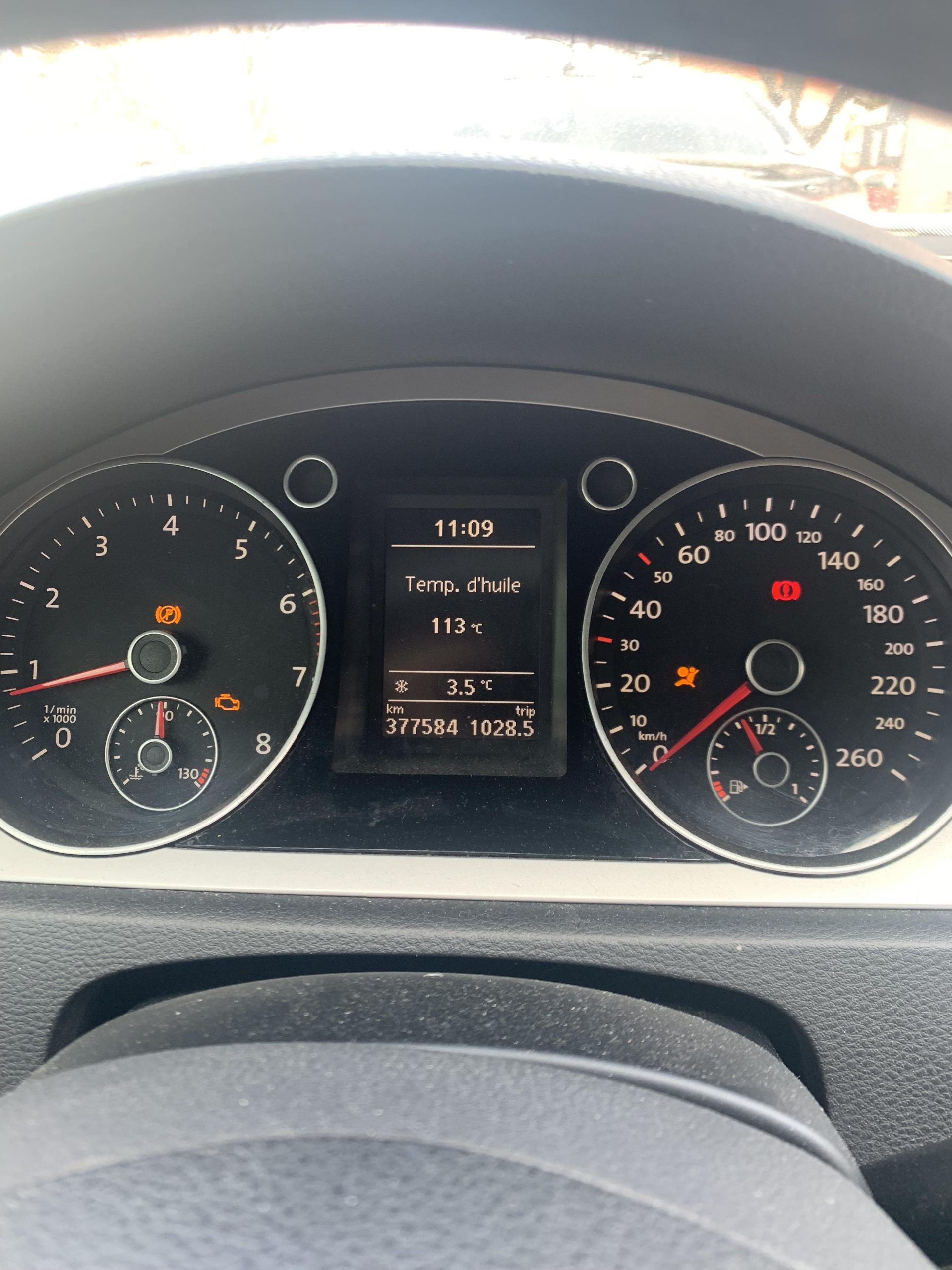
Keeping your car’s oil at the right temperature is important. The ideal oil temperature range is between 180°F and 210°F. This range helps the engine run smoothly. If the oil is too cold, it won’t flow well. If the oil is too hot, it can break down. This can hurt the engine.
Most cars have a gauge to show the oil temperature. Check this gauge often. Make sure it stays in the safe zone. If the temperature goes too high, stop the car. Let it cool down before driving again. Keeping the oil temperature in the right range is key. It helps the car work well and last longer.
Factors Affecting Oil Temperature
The engine type affects oil temperature. Small engines heat up fast. Big engines take longer. Engine design matters too. Modern designs cool oil better. Old designs might not cool well. Turbo engines run hotter. They need cooler oil.
Driving conditions change oil temperature. City driving is slow. Oil stays cool. Highway driving is fast. Oil heats up. Hills make engines work hard. Oil gets hotter. Stop-and-go traffic can heat oil fast. Long drives keep oil warm.
Outside temperature affects oil. Hot days make oil hot. Cold days keep oil cool. Extreme weather impacts oil temperature. Summer heat raises oil temperature. Winter cold lowers it. Climate plays a big role in oil warmth.
Consequences Of Incorrect Oil Temperature
The engine may not work well. Cold oil makes it slow. Hot oil makes it wear out fast. Engines need the right oil temperature. It keeps parts moving smoothly. It stops friction and noise.
Wrong oil temperature can break the engine. Cold oil is too thick. It won’t move fast enough. Hot oil is too thin. It can’t protect the engine. This can cause wear and tear. Parts might break. Expensive repairs may be needed.
Incorrect oil temperature uses more fuel. Cold oil makes the car work harder. Hot oil makes it less efficient. The engine burns more fuel. This means more trips to the gas station. It costs more money.
Monitoring Oil Temperature
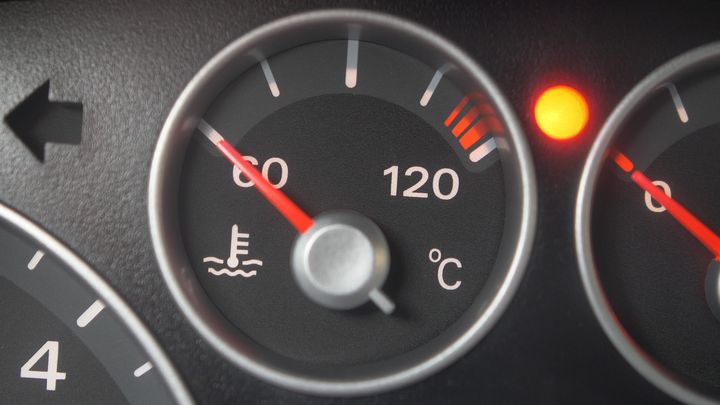
Oil temperature gauges are important in cars. These gauges show the heat level of the oil. Drivers can see if the oil is too hot or too cold. Keeping oil at the right temperature keeps the engine safe.
High temperatures can harm the engine. Low temperatures might not protect the engine well. Gauges help drivers make sure the oil stays just right. It’s like a thermometer for the engine’s oil.
Digital systems track oil temperature. They show numbers on a screen. This makes it easy to see if oil is okay. Digital systems can also warn drivers. If oil gets too hot, an alarm can sound. This helps the driver fix problems fast.
Digital systems are very accurate. They help keep the engine running smoothly. Keeping an eye on oil temperature is very important for car health.
Maintaining Optimal Oil Temperature
Changing oil on time keeps your engine healthy. Old oil can get dirty and thick. Dirty oil makes your car work harder. This can heat up the engine too much. Fresh oil keeps the engine cool. Always use the right oil for your car. Check your car’s manual for details. Regular oil changes help in keeping the engine running smoothly. This is important for optimal oil temperature.
The cooling system stops the engine from getting too hot. Check the coolant level often. Low coolant can cause engine problems. The radiator should be clean and free from blockages. Cooling fans should work properly. A well-maintained cooling system can keep oil temperature stable. It is essential for engine health.
How you drive affects oil temperature. Driving fast or carrying heavy loads can heat the engine. Smooth and gentle driving is good for your car. Avoid revving the engine too much. It helps in keeping the oil temperature in check. This means less stress on the engine. Good driving habits ensure a longer engine life.
Credit: mogulsautomotiveandtowing.com
Common Myths About Oil Temperature
Many believe oil is ready instantly at start. This is not true. Oil needs time to warm up. Cold oil is thick and moves slowly. Warm oil flows better and protects the engine. It’s like waking up. You need time to get moving. Engines feel the same way. Let your car idle a bit. This helps oil spread evenly. Avoid revving the engine when it’s cold. This can cause damage. Patience is key for a healthy engine.
Synthetic oil can handle high heat better. It stays stable when temperatures rise. Regular oil might break down faster. Synthetic oil is more durable. It resists breaking down under pressure. Some think synthetic oil is magic. It’s not magic, but it is strong. Synthetic oil can protect engines well. Especially in extreme heat. Choose synthetic for better temperature control. Your engine will thank you.
Frequently Asked Questions
What Is The Ideal Oil Temperature For Cars?
The ideal oil temperature for most cars is between 220°F and 250°F. This range ensures optimal engine performance and efficiency. Regular monitoring helps prevent overheating and engine damage. Always consult your car’s manual for specific recommendations tailored to your vehicle.
Why Is Oil Temperature Important In A Car?
Oil temperature is crucial for engine health. It affects lubrication, efficiency, and performance. Proper oil temperature prevents wear and ensures smooth operation. Monitoring it can prevent overheating and potential damage to engine components.
How Can I Monitor My Car’s Oil Temperature?
You can monitor oil temperature using an oil temperature gauge. Some modern cars have built-in sensors. Regular checks ensure your engine runs efficiently. If your car lacks a gauge, consider installing one for better control.
What Happens If Oil Temperature Is Too High?
High oil temperature can lead to engine wear and damage. It reduces lubrication effectiveness and increases friction. Overheating may cause engine failure. Regular monitoring can prevent these issues and ensure optimal performance.
Conclusion
Maintaining the right oil temperature is crucial for car performance. It ensures smooth engine function and prevents wear. Regular checks help keep the engine healthy. Avoid overheating for longer engine life. Keep an eye on the oil gauge while driving.
Always use recommended oil types for your car model. This prevents potential damage and costly repairs. A little attention goes a long way in car maintenance. It also improves fuel efficiency. Remember, a healthy engine means a safe ride. Follow these tips to enjoy a trouble-free driving experience.
Keep your car running smoothly and efficiently.