What Starts The Car: Proven Essential Ignition
What starts the car? In short, a smooth, precise chain of events involving the battery, ignition switch, starter motor, and fuel delivery. If your car won’t turn over, the problem usually lies with one of these essentials, often a dead battery or a failing starter motor. This guide shows you how to pinpoint the cause easily.
Ever turned the key and heard nothing, or just a sad little click? It’s frustrating when your car refuses to cooperate. Knowing what starts the car isn’t just for mechanics; it’s crucial knowledge for every driver. This whole starting process seems complex, but it boils down to a few key parts working together. We are going to break down this amazing sequence simply. You’ll learn exactly what electricity needs to do to move metal and start that engine. Let’s gain the confidence to understand your vehicle better today!
The Amazing Ignition Sequence: What Starts The Car?
When you twist that key (or push that button), you are kicking off a rapid-fire mechanical and electrical ballet. Understanding this sequence is the first step to any troubleshooting. Think of it like flipping a light switch, but instead of light, you get horsepower! Here are the main players in making your engine rumble to life.
The Four Essential Steps to Ignition
For any gasoline or diesel engine to run, it needs four things: Spark, Fuel, Air, and Compression. But before it can do that, it needs the initial push to get its own systems working. This push comes from the starting system.
- Power Delivery: The battery sends a huge jolt of electricity.
- The Command: The ignition switch tells the car system, “Start now!”
- The Big Crank: The starter motor engages, physically spinning the engine’s flywheel.
- Fuel & Spark Activation: As the engine physically turns, the fuel pump pressurizes fuel lines, and the ignition system creates the spark plug fire needed for combustion.
If any one of these steps fails, your engine won’t start. We’ll explore what happens when each part decides to take a day off.
Component Deep Dive: The Heart of Starting Your Car
To fix a “No Start” issue, you must understand the starring role each component plays. These parts are linked together electrically and mechanically, making a failure in one often look like a failure in another. Here are the main actors in the play titled What Starts The Car.
1. The Battery: The Power Source
The battery is where all the energy for starting comes from. Think of it as the car’s main energy reserve. It must hold enough charge (voltage) and deliver enough immediate punch (cranking amps) to overpower the engine’s natural resistance.
Signs of a Weak or Dead Battery:
- Dashboard lights are dim or don’t come on at all.
- You hear a rapid clicking sound when turning the key, but no cranking.
- The engine cranks very slowly (a low, struggling sound).
Safety Tip: Always ensure your vehicle’s electrical connections are secure. Loose battery terminals can mimic a dead battery, preventing the high current needed for the starter motor. For testing battery health, you can use a multimeter, which is a basic tool every beginner DIYer should own.
2. The Ignition Switch: Sending the Signal
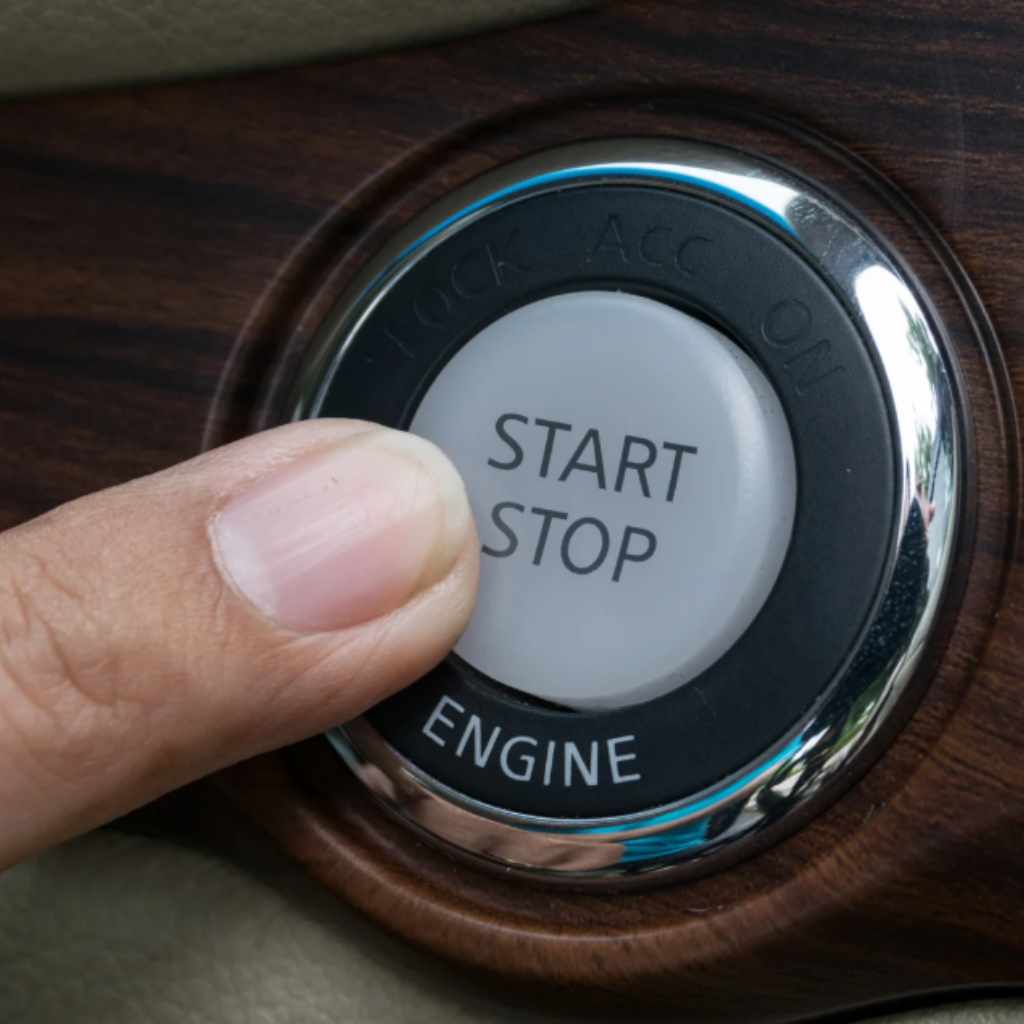
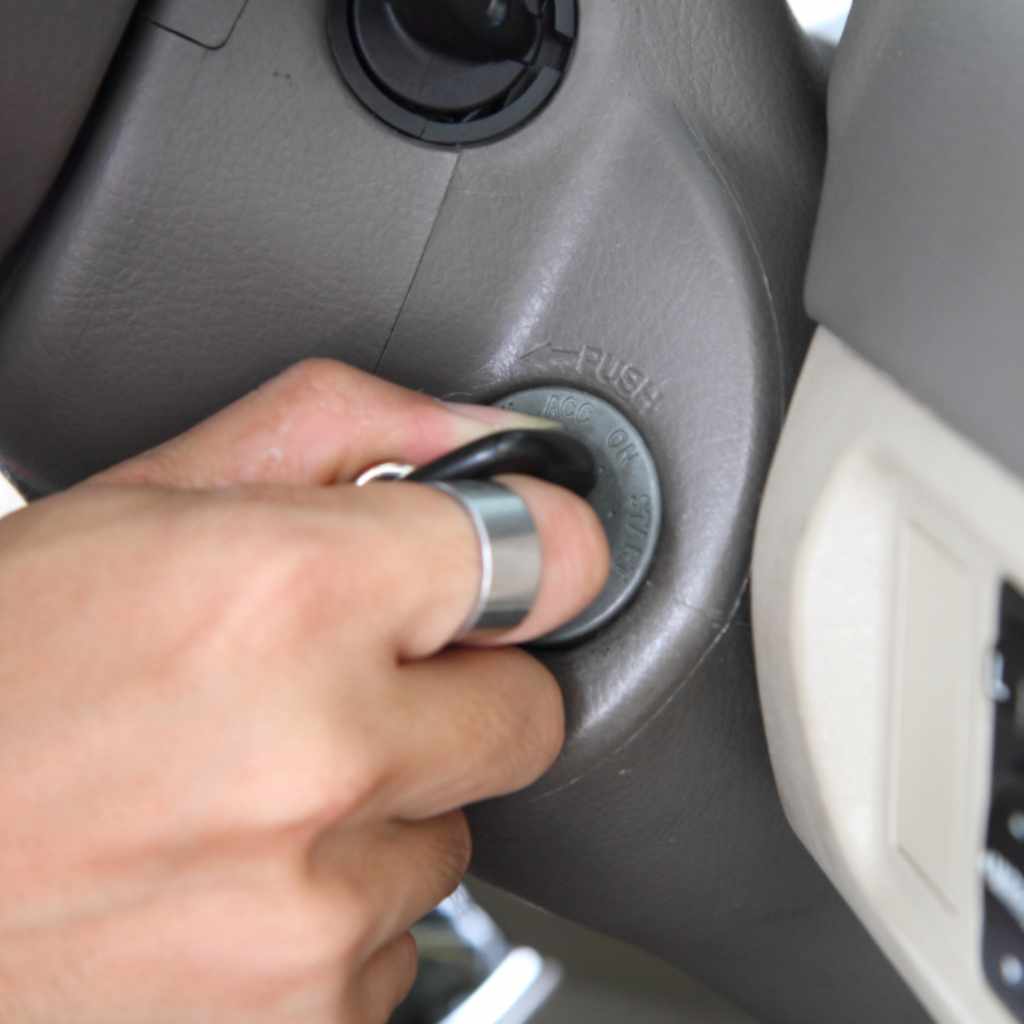
This is the physical switch you twist or the button you press. Mechanically, it connects the battery power to the starter solenoid when you put it in the “Start” position. If this switch fails internally, the power signal never reaches the starter motor, even if your battery is perfectly fine.
3. The Starter Motor: The Cranking Powerhouse
The starter motor is an electric motor that gets its power directly from the battery via a thick cable. Its job is to physically rotate the engine fast enough (about 100-200 RPM) to begin the combustion cycle. It uses a small gear called the Bendix drive (or pinion) that engages with the large engine flywheel.
What Happens When the Starter Goes Bad?
- Single Click: The solenoid engages, but the motor doesn’t spin.
- Grinding Noise: The Bendix gear isn’t fully engaging the flywheel.
- Complete Silence: The motor is completely dead (often due to internal failure or a bad electrical connection to it).
4. The Solenoid: The Starter’s Helper
Often built onto the starter motor itself, the solenoid acts like a heavy-duty relay switch. When the ignition switch signals it, the solenoid does two things instantly: it pushes the starter gear out to meet the flywheel, and it closes a main circuit to send the massive battery current directly into the starter motor windings. A failing solenoid is commonly the cause of that frustrating single, loud “CLICK” when you try to start the car.
Beginner Troubleshooting: Diagnosing the Start Problem
Don’t panic! Most starting issues fall into one of three simple categories distinguished by what sound you hear when you turn the key. This simple diagnostic table will help you narrow down what starts the car versus what is actually failing.
The Sound Diagnostic Table
Use this table to quickly figure out the most likely component that needs attention based on the sound you hear.
| Sound Heard When Turning Key | Most Likely Culprit | Simple Next Step |
|---|---|---|
| Complete Silence (No lights, no sounds) | Completely dead battery or severely corroded/loose main connections. | Check battery terminals for tightness and clean corrosion. Try a jump start. |
| Rapid Clicking Noise | Low battery voltage (not enough power to hold the solenoid closed and spin the starter). | Check battery terminals. Attempt a jump start using quality cables (NHTSA Safety Guidelines on Jump Starting). |
| One Loud “Clunk” or “Click” | Failing starter solenoid or a starter motor seized. | Have the starter motor tested. Gently tapping the starter housing (if safe and accessible) sometimes temporarily frees a stuck solenoid. |
| Slow, Laborious Cranking | Weak battery, poor connection, or the engine having internal resistance (less common). | Clean terminals. Test battery health charge. Check engine oil level (low oil can increase drag). |
| Normal Cranking, But No Fire Up | The starting system works, but the engine is missing fuel or spark. | Check fuel gauge. Listen for the fuel pump hum when the key is turned to ‘On’ (before ‘Start’). |
Step-by-Step: Troubleshooting Common Starting Issues
If your car won’t start, follow these steps sequentially. This methodical approach saves you time and money by testing the easiest fixes first.
Step 1: Verify Battery Power (The Easiest Fix)
This cures more starting issues than anything else! Don’t just look at the battery—test it.
- Check Headlights: Turn the ignition to the ‘On’ position (don’t try to start). Are the headlights bright? If they are dim or don’t turn on, the battery is almost certainly dead or severely discharged.
- Inspect Terminals: Pop the hood and look at the battery posts. Is there white or bluish fuzzy buildup (corrosion)? Is the cable connection loose? If they are loose, carefully tighten them (negative first if disconnecting, positive first if connecting).
- Attempt a Jump Start: If you suspect low power, try jumping the car. If it starts instantly and runs fine, you need a new battery or an alternator check (the alternator charges the battery while driving).
Step 2: Checking the Starter Circuit Path
If the battery is strong (headlights bright) but you get only a click or silence, the power isn’t reaching the starter effectively.
- Check Fuses and Relays: Your owner’s manual shows the fuse box location. Look for the fuse labeled “Start,” “Ignition,” or “ST.” If the fuse is blown, replace it. The starter relay is also a common failure point and is usually swapped with an identical, known-good relay (like the horn relay) for a quick test.
- Listen Closely: Have a helper turn the key while you listen near the engine. Can you hear a distinct “clunk” from the vicinity of the starter motor? If yes, the solenoid engaged, but the motor didn’t spin (likely a bad starter motor). If you hear nothing, the signal isn’t reaching the starter (likely the ignition switch or wiring).
Step 3: Investigating Fuel and Spark (When the Engine Cranks)
If the engine is cranking normally—you hear the familiar “rur-rur-rur” sound—then your battery and starter are doing their jobs. The problem lies in the components needed for combustion.
Fuel System Checks (What Feeds The Fire)
- Listen for the Fuel Pump: When you turn the key to the “On” position (but before hitting the “Start” button), listen carefully. You should hear a faint, two-second buzz or whirring sound from the rear of the car (where the fuel tank is). This is the fuel pump priming the system. If you hear nothing, you might have a blown fuel pump fuse, a bad fuel pump relay, or a failed pump.
- Fuel Quality Check: Is the tank empty? Even if the gauge says half-full, a faulty gauge can lie. If your car starts briefly on starter fluid (use sparingly and carefully!), you have a fuel delivery problem.
Ignition System Checks (What Lights The Fire)
- Spark Plugs and Coils: A bad coil pack or severely fouled spark plugs can prevent a start, even with perfect fuel pressure. While checking spark plugs is slightly more advanced, knowing this is a possibility helps you talk to a professional.
The Crucial Role of Modern Security Systems
Modern vehicles rely heavily on anti-theft systems, which often interfere with the starting sequence if they don’t recognize the key or fob. This is a massive reason why a car suddenly won’t start, even with a good battery.
Immobilizer Systems Explained Simply
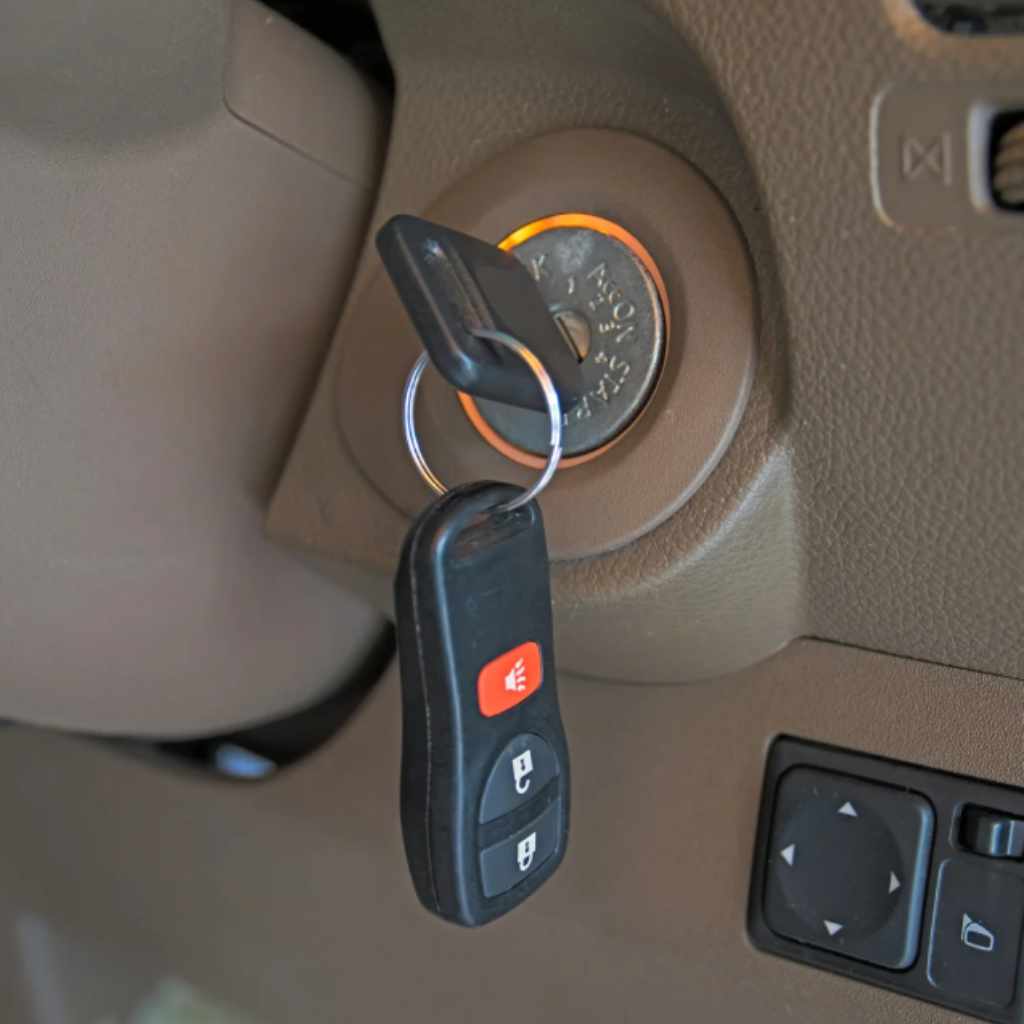
Your key has a tiny chip (transponder) inside it. When you insert the key, the car’s immobilizer module reads the chip’s electronic code. If the code doesn’t match the car’s computer (ECU), the system will allow the key to turn the ignition, and the starter motor might even crank, but the ECU will intentionally disable the fuel pump or ignition system so the engine won’t actually run. This is a safety feature.
Troubleshooting Immobilizer Issues:
- Check the Dash Light: Look for a small, flashing security light or car icon on your dashboard when you try to start. If this light is flashing rapidly or stays solid while cranking, the immobilizer is likely engaged.
- Try the Spare Key: If your main key’s chip is damaged, the spare key might work, bypassing the issue instantly.
- Battery in Fob: For push-button starts, a dead battery in the key fob can sometimes confuse the proximity sensor, preventing starting. Replace the fob battery.
Understanding the relationship between the chip, the antenna ring around the ignition cylinder, and the ECU is key here. If you suspect this is the issue, repairs generally require specialized diagnostic tools (like those used by dealerships or advanced garages) to reprogram or replace the security module. For reference on vehicle safety systems, the National Highway Traffic Safety Administration (NHTSA) offers broad information regarding vehicle security standards.
When to Call for Backup: Knowing Your Limits
As a beginner, the goal is to handle all basic maintenance, but safety comes first. Knowing when a problem is beyond simple troubleshooting saves time and prevents you from accidentally causing more damage.
When to Stop and Tow
If you have confirmed strong battery power, checked the connections, and the starter still doesn’t engage (or cranks but doesn’t start), it often means internal electrical work or specialized diagnostics are required. Unless you are comfortable testing voltage directly at the starter wiring harness or replacing the starter motor itself, calling a trusted mechanic is the smartest move.
Situations Requiring a Professional:
- Engine cranks strong, but you smell gasoline (potential flooding or major sensor failure—not a simple ignition issue).
- The car starts, but immediately dies (often a serious sensor failure like the Crank Position Sensor).
- You need to trace complex wiring issues behind the dashboard (ignition switch replacement).
Summary of Starting System Components and Functions
This table summarizes the main components involved in what starts the car, showing how they rely on each other.
| Component | Primary Function | What Happens If It Fails? |
|---|---|---|
| Battery | Stores and delivers high current (amperage) for the initial crank. | Clicking, dim lights, or total silence. |
| Ignition Switch | Transmits the driver’s command to the starting system. | Silence, even with a good battery, because the signal never leaves the key slot. |
| Starter Motor/Solenoid | Physically rotates the engine flywheel to begin the combustion cycle. | Single loud click, grinding noise, or silence when the key is turned. |
| Fuel Pump/Ignition System | Delivers combustible mixture and creates the necessary spark. | Engine cranks normally but never catches or fires up. |
Preventative Care: Keeping Your Start Reliable
The best way to deal with starting problems is to avoid them entirely. A proactive approach costs far less than an emergency tow!
Simple Steps for a Long-Lasting Start System:
- Regular Battery Testing: Most auto parts stores test batteries for free. Get this done once a year. Batteries typically last 3–5 years.
- Keep Terminals Clean: Twice a year, check for corrosion. A simple mixture of baking soda and water can clean light corrosion safely. Do not overtighten when cleaning.
- Avoid Short Trips: Vehicles that only drive short distances often don’t run long enough for the alternator to fully recharge the battery, leading to chronic low voltage issues.
- Listen to Your Car: If the cranking sounds slightly slower than normal for a week or two, address the battery or connections before it fails entirely on a cold morning.
Frequently Asked Questions (FAQ) About Car Starting
Q1: Why does my car click repeatedly when I try to start it?
A: This is the classic sign of insufficient battery voltage. The battery has just enough juice to briefly activate the starter solenoid, but not enough power surge to hold the solenoid closed and spin the heavy starter motor. Usually, a jump start or battery replacement fixes this.
Q2: Can heat affect whether my car starts?
A: Yes. Excessive heat can sometimes cause electrical connections or the starter motor itself to fail prematurely because heat accelerates internal wear. Conversely, extremely cold weather demands far more power from the battery, magnifying existing weaknesses.
Q3: If my engine cranks but won’t start, is it my starter?
A: No. If the engine is cranking smoothly (“rur-rur-rur”), your battery and starter are working correctly. The problem is in the resulting combustion cycle—usually a lack of fuel (bad pump, clogged filter) or a lack of spark (bad coil, spark plugs).
Q4: How can I tell the difference between starter and ignition switch failure simply?
A: If the starter makes a single, hard ‘CLUNK’ but won’t turn the engine, it’s most likely the starter motor or solenoid. If you turn the key and hear absolutely nothing—no cranks, no clicks, and no dashboard lights—the ignition switch itself is likely dead, as it isn’t sending the power signal to anything.
Q5: Can I hurt my car by trying to start it too many times?
A: Yes. Continuously cranking a cold engine (more than 10 seconds per attempt, waiting 30–60 seconds between attempts) can overheat and damage the starter motor, as it draws hundreds of amps and generates massive heat quickly. Also, excessive cranking without ignition can flood a gas engine with unburnt fuel.