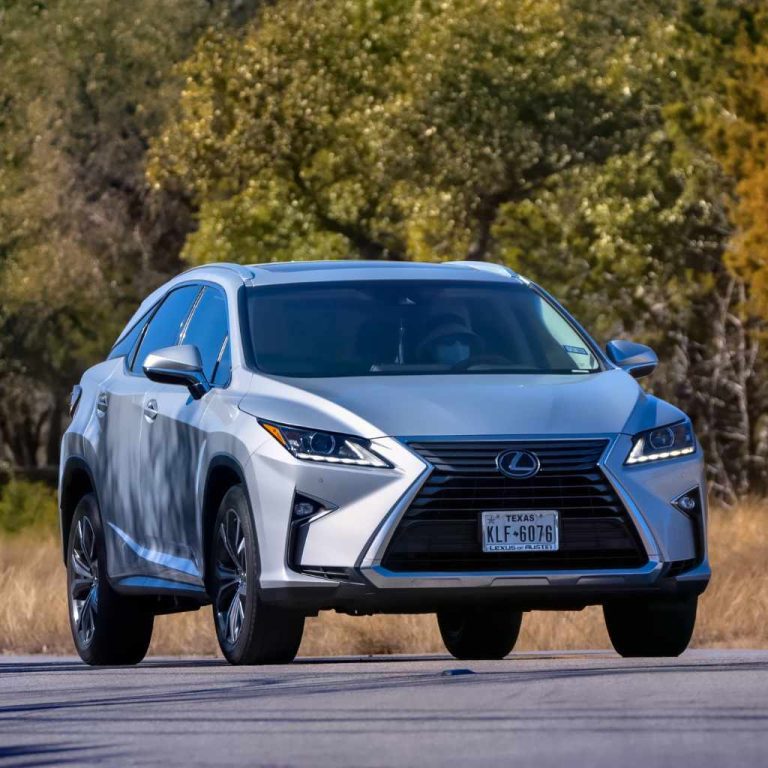
Does an Exhaust Tip Make a Car Louder? What Actually Works
An exhaust tip does not meaningfully increase a car’s volume — the muffler, resonator, and pipe diameter upstream control most of the sound before it reaches the tip. Chasing volume with a bigger tip alone wastes money, and in California, installing a whistle-tip violates Vehicle Code 27150.3, with fines up to $1,105. This guide covers what a tip actually changes, the legal ways to add real volume, and the noise laws that can get a modified exhaust ticketed.
Quick Answer
No — an exhaust tip alone barely changes how loud a car is. Real volume comes from the muffler, resonator, and pipe diameter, not the tip. A resonated or wider tip can shift the tone slightly. For a genuine volume increase, upgrade the muffler or full exhaust system — and check your state’s noise laws first.
What Actually Changes an Exhaust’s Sound?
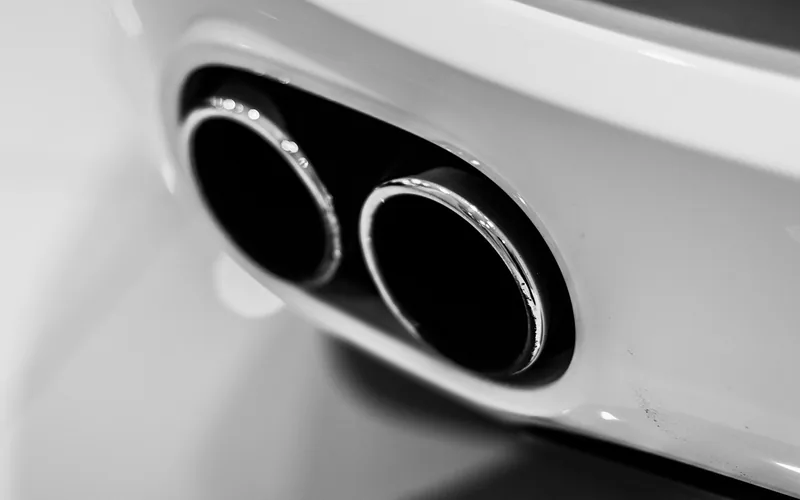
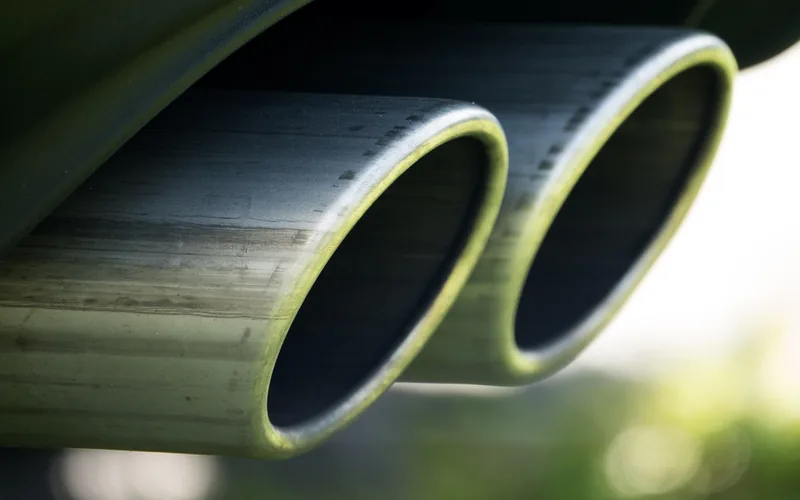
An exhaust tip is a decorative end-piece bolted or clamped onto a car’s tailpipe outlet that shapes how exhaust gases and sound exit the vehicle. It does not control how loud a car’s exhaust actually is — that job belongs to the muffler, resonator, and pipe diameter upstream. A tip can still shift the tone, making an already-loud exhaust sound deeper, raspier, or brighter, even when the decibel level barely changes.
Why a Bigger Tip Doesn’t Mean a Bigger Sound (The Megaphone Effect)
A larger exhaust tip creates a mild megaphone effect: as exhaust gas expands from a narrow pipe into a wider outlet, the tone can feel more open or lower-pitched — similar to how the bell of a trumpet shapes the sound leaving the instrument without changing what’s happening inside it. Shorter tips can sometimes seem louder too, since the sound has less time to fade before it exits, while longer tips let it dissipate more before reaching the opening.
Resonated vs. Non-Resonated Tips: Is There a Real Difference?
A resonated exhaust tip has a small internal chamber that vibrates with the sound waves passing through it, which can add a slightly deeper or more crackly note than a plain, non-resonated tip. The effect is more noticeable on a car that already has a sportier exhaust system, since there’s more raw sound for the resonated tip to shape. On a stock, heavily muffled exhaust, the difference is usually too small to notice. If your exhaust suddenly sounds unexpectedly rough or motorcycle-like, that’s typically a leak or a failing muffler, not the tip — see our guide on why a car sounds like a motorcycle to diagnose it.
Exhaust Tip Types and Materials
Different materials change durability more than sound. Stainless steel resists rust and handles heat well, making it the most common choice. Aluminum is lighter and less expensive but corrodes faster under road salt and heat cycling. Titanium is the most durable and lightest option, and its thinner wall can produce a slightly sharper, more resonant tone — though the difference from stainless steel is subtle.
Shape and diameter have a small, real effect on tone. Straight-cut and wider tips tend to sound a touch deeper and more open, following the megaphone effect described above. Oval and angled-cut tips are mostly cosmetic choices with only a minor influence on sound. None of these shape changes come close to what a muffler or resonator swap does for actual loudness.
| Material | Durability | Tone Effect |
|---|---|---|
| Stainless Steel | High | Slightly bolder, sharp edge |
| Aluminum | Medium | Softer, less resonant |
| Titanium | Very High | Slightly sharper, unique ring |
Best Exhaust Tip Pick
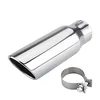
LCGP 3 Inch Inlet Exhaust tip 4″ Inch Outlet 12″ Long Clamp On Stainless Steel E
A polished, clamp-on stainless steel tip that upgrades the look of a stock tailpipe and holds up to rust and heat cycling.
- Best for: Drivers who want a cosmetic and mild tone upgrade without touching the muffler
- Why we picked it: Stainless construction resists rust, and the rolled-edge design gives a factory-quality finish
- Main drawback: Clamp-on fit means welding is recommended for a permanent, rattle-free install
Compare more exhaust sound options
 Resonated Tip Spectre Performance (25556) 4″ Resonated Exhaust Tip
|
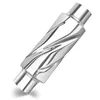 Universal Resonator Peastorm Glasspack 3 Inch Muffler Exhaust Pipe, Universal Performance
|
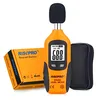 Decibel Meter Decibel Meter, RISEPRO® Digital Sound Level Meter 30 – 130 dB Audio No
|
As an Amazon Associate we earn from qualifying purchases.
How to Legally Make Your Exhaust Actually Louder
A louder exhaust doesn’t come from a bigger tip — it comes from reducing how much the muffler and resonator absorb the sound before it exits. Some genuine performance upgrades, like headers or a less restrictive cat-back system, can also modestly improve engine breathing, but that’s a separate benefit from volume; a tip changes neither. Here’s the order that actually works, cheapest first:
- Check your baseline first: Use a handheld decibel meter to check your current exhaust noise and look up your state’s exhaust noise law before spending any money.
- Add a resonator upgrade: Swap in a resonated or straight-through resonator for a slightly deeper, more open tone without touching the muffler.
- Replace the muffler: Install a performance-rated muffler in place of a stock, heavily-packed one — this is the single biggest lever for real volume.
- Upgrade to a full cat-back or axle-back system: For the most noticeable, still-legal change, replace the muffler and mid-pipe together as a matched cat-back or axle-back system.
Headers paired with a cat-back system can also open up backpressure at the engine end — see what headers actually do for a car before combining the two mods. For a side-by-side look at complete systems by budget and brand, check our guide to the best performance exhaust systems.
Exhaust Noise Laws: How Loud Can Your Car Legally Be?
There’s no single federal decibel limit for cars on the road today. In 1981, Congress cut funding for the EPA’s Office of Noise Abatement and Control, shifting exhaust noise enforcement to individual states — which is why the rules below vary so much from one state to the next.
📊 Congress defunded the EPA’s noise-enforcement office in 1981–82, handing exhaust noise regulation to the states — which is why there’s still no single U.S. decibel limit for cars. Source: EPA History: Noise and the Noise Control Act
| State | Rule | Penalty |
|---|---|---|
| California | 95 dBA limit (Vehicle Code 27151, SAE-standard test); whistle-tips banned outright | Up to $1,105 for a whistle-tip; standard fix-it ticket for general noise |
| Colorado | No fixed decibel number — enforced as “excessive/unusual noise” vs. factory spec | Around $100 |
| New Hampshire | Straight-pipe or no-muffler exhaust systems specifically prohibited | $100 for a first offense |
| Most other states | No universal decibel-meter requirement; officer discretion based on factory-spec deviation | Varies — often a $50–$250 fix-it style ticket |
California is the one state that names exhaust tips specifically: under Vehicle Code Section 27150.3, installing, selling, or driving with a whistle-tip is illegal on its own, separate from the general 95 dBA noise limit under Vehicle Code 27151. Most other states don’t call out tips by name, but an officer can still cite you for “excessive or unusual noise” without ever using a decibel meter.
“Exhaust tips are not the most effective parts that can alter the exhaust note.”
Frequently Asked Questions
Do Exhaust Tips Affect Sound?
Yes, but only slightly. An exhaust tip can change the tone of your exhaust — making it sound a bit deeper, raspier, or brighter — by altering how sound waves exit the tailpipe. It has almost no effect on how loud the car actually is; the muffler, resonator, and pipe diameter upstream do that work.
What Exhaust Tip Is the Loudest?
No single exhaust tip makes a car dramatically louder on its own. A wider, straight-cut, or resonated tip can nudge the tone louder and deeper than a small curved or oval tip, but the difference is minor. Brands like Borla and MagnaFlow build full systems — mufflers and resonators included — that create the loud sound people associate with their tips.
How Can I Make My Car Exhaust Louder?
Install a performance muffler, add a resonator, or upgrade to a full cat-back or axle-back exhaust system — these change volume far more than any tip. Check your state’s noise laws first; removing a muffler entirely or fitting a straight pipe is illegal in many states and can draw a fix-it ticket or fine.
What Can Exhaust Tips Do?
Exhaust tips mainly improve appearance and can slightly refine tone through their shape, diameter, and material. Some tips also protect the tailpipe end from rust and heat damage. They rarely improve horsepower or torque on their own — engine performance gains come from reducing backpressure with headers, cat-back systems, or less restrictive mufflers, not from the tip.
Are Whistle Tips Illegal?
In California, yes — Vehicle Code 27150.3 specifically bans whistle-tips, and installing or selling one can carry fines up to $1,105. Other states don’t name whistle tips directly, but their piercing sound can still trigger a general excessive-noise citation almost anywhere.
Is a Resonated Exhaust Tip Worth It?
A resonated exhaust tip adds a small internal chamber that can make the tone slightly deeper or more crackly than a plain tip, especially on cars that already have a sportier exhaust. It’s a modest, affordable upgrade — usually $30–$50 — but it won’t replace what a real resonator or muffler upgrade does for actual volume.
Will an Exhaust Tip Alone Get Me a Noise Ticket?
It’s unlikely by itself, since a tip barely moves the decibel reading. But if your exhaust system is already loud and near your state’s limit, even a small tip-driven change in tone can be enough for an officer to write a citation. A handheld decibel meter can check your car before you find out the hard way.
Conclusion
An exhaust tip is mostly a styling and light tone upgrade, not a volume upgrade. If you want a car that’s genuinely louder, put your money into a resonator, muffler, or full cat-back system instead, and check your state’s noise law before you install anything. That way you get the sound you want without a fix-it ticket.
Products related to this article
Sponsored / affiliate links. As an Amazon Associate I earn from qualifying purchases. I may earn additional commission from eligible campaigns.