What to Do If Your Car Battery Dies
Hey there! We’ve all been there—you hop into your car, turn the key, and… nothing. Just a click or dead silence. A dead car battery is one of those frustrating moments that can throw a wrench in your day. I’ve dealt with this a few times myself, from my old Honda Civic refusing to start in a grocery store parking lot to my friend’s SUV giving up during a road trip.
As a car enthusiast who’s spent years tinkering with vehicles and learning from mechanics, I’ve picked up plenty of tricks for handling a dead battery. So, let’s sit down and chat about what to do if your car battery dies. I’ll walk you through the steps, share my own experiences, and give you practical tips to get back on the road fast. Whether you’re a new driver or a seasoned pro, this guide will help you stay calm and prepared. Ready? Let’s dive in!
Recognizing the Signs of a Dead Car Battery
First, let’s talk about how to know if your battery is the problem. I’ve learned to spot the signs after a few dead battery scares. The most obvious is when you turn the key and hear a clicking sound, or nothing happens at all. My Civic once made a rapid clicking noise, and I knew right away the battery was toast. Other clues include dim headlights, a weak horn, or dashboard lights that barely glow.
Sometimes, the car might crank slowly but not start. I had this happen with my old Ford—it tried to turn over but gave up. If your radio, power windows, or interior lights are sluggish, that’s another hint. I once left my dome light on overnight, and the next morning, everything was dim. Checking these signs helps you confirm the battery is the issue before you start troubleshooting.
Immediate Steps to Take When Your Battery Dies
So, your car won’t start, and you suspect the battery. Here’s what I do when I’m stuck with a dead battery.
Step 1: Stay Safe
If you’re in a parking lot or on the side of the road, safety comes first. I always turn on my hazard lights to let other drivers know I’m stopped. If you’re on a busy road, try to move your car to a safer spot, like a shoulder or parking lot. I once had a battery die in a gas station lot, and I pushed the car to a corner to stay out of the way.
Step 2: Check for Obvious Causes
Look for simple fixes. Did you leave the headlights on? I’ve done this more than once, and turning them off can sometimes save enough juice to start the car. Check if the battery terminals are loose or corroded. I carry a small wrench in my trunk to tighten loose connections, which fixed a starting issue once.
Step 3: Try Starting Again
Give the car one more try. Sometimes, a weak battery might still have enough power if you wait a minute. I had a friend whose car started after a few tries, but don’t keep cranking—it can damage the starter motor.
Jump-Starting Your Car
Jump-starting is my go-to fix for a dead battery. I’ve done this countless times, and it’s easier than it looks. Here’s how I do it, step by step.
What You’ll Need
You’ll need jumper cables and another vehicle with a good battery. I keep a set of heavy-duty cables in my trunk—they cost about $20 and are worth every penny. You’ll also need a friend or a kind stranger with a running car. I’ve had strangers help me out in parking lots, and I always pay it forward when I can.
Step-by-Step Jump-Start
- Position the Cars: Park the working car close to yours, but don’t let them touch. I once scratched my bumper by parking too close—lesson learned.
- Turn Off Both Cars: Make sure both engines are off, and turn off all accessories like radios and lights. This prevents electrical surges.
- Connect the Jumper Cables: Attach one red clamp to the positive (+) terminal of your dead battery, then the other red clamp to the positive terminal of the good battery. Next, connect one black clamp to the negative (-) terminal of the good battery, and the other black clamp to an unpainted metal surface on your car’s engine block. I use a bolt on the engine frame to avoid sparks.
- Start the Helper Car: Let it run for a minute or two to charge your battery. I usually wait about 60 seconds to be safe.
- Try Starting Your Car: Turn the key. If it doesn’t start, wait another minute and try again. My Civic started right up after a jump once, but it took two tries for my Ford.
- Remove Cables in Reverse Order: Once your car’s running, remove the black clamp from the engine block, then the black clamp from the good battery, followed by the red clamps. Don’t let the clamps touch each other—it can cause a spark.
Safety Tips for Jump-Starting
Always double-check the cable connections. I mixed up the positive and negative once, and it caused a small spark—scary stuff! Wear gloves if you have them, and never lean over the battery while connecting cables. Keep the cars running for at least 15 minutes after a jump to recharge your battery. I drive around for 20-30 minutes to make sure it’s charged up.
Charging the Battery with a Charger
If you don’t have another car for a jump, a battery charger is a great option. I bought a portable charger for $40, and it’s been a lifesaver. Here’s how I use it.
Step 1: Get a Charger
Look for a charger compatible with your car’s battery—most are 12-volt. I use a smart charger that automatically adjusts the charge rate. They’re easy to find at auto parts stores or online.
Step 2: Connect the Charger
With the car off, connect the red clamp to the positive terminal and the black clamp to the negative terminal. Plug the charger into an outlet. My charger has a digital display that shows the charging progress, which I love.
Step 3: Charge the Battery
Let it charge for 4-8 hours, depending on the charger and battery condition. I usually leave mine overnight for a full charge. Once it’s done, disconnect the charger in reverse order and try starting your car.
When to Replace Your Battery
Sometimes, a jump or charge won’t cut it. I learned this when my Civic’s battery kept dying, even after charging. If your battery’s more than 3-5 years old, it might need replacing. Most batteries last about 4 years, but heat and frequent short trips can shorten their life. I live in a hot climate, and my batteries rarely last past 3 years.
You can test your battery at an auto parts store—many offer free testing. I took my Ford’s battery to AutoZone, and they confirmed it was dead. A new battery costs $100-$200, depending on the car. I paid $150 for my Civic’s battery, and it’s been going strong for two years. Installation is usually simple—I’ve done it myself with a wrench and some gloves.
Preventing Future Battery Issues
After dealing with a few dead batteries, I’ve gotten serious about prevention. Here are my top tips:
- Turn Off Accessories: Always check that lights, radio, and chargers are off when you leave the car. I left my phone charger plugged in once, and it drained my battery overnight.
- Drive Regularly: Short trips don’t give the battery time to recharge. I take my car for a 20-minute drive every week to keep the battery healthy.
- Clean Battery Terminals: Corrosion can weaken the connection. I clean my terminals with a wire brush and baking soda solution every 6 months.
- Check the Alternator: A bad alternator won’t charge the battery. I had one fail on my truck, and it cost $300 to replace, but it saved my battery.
- Store a Jump Starter: I bought a compact jump starter for $60. It’s portable and can start my car without another vehicle.
Here’s a table of tools I keep for battery emergencies:
| Tool/Item | Why It’s Useful | Cost (Approx.) |
|---|---|---|
| Jumper Cables | Jump-start from another car | $20-$40 |
| Battery Charger | Charges battery without another vehicle | $40-$100 |
| Portable Jump Starter | Starts car without external power | $60-$150 |
| Wrench | Tightens or removes battery terminals | $10-$20 |
Other Reasons Your Car Won’t Start
A dead battery isn’t always the culprit. I’ve had cars refuse to start for other reasons. A bad starter motor can mimic a dead battery, making a clicking sound or no sound at all. My old Ford had a starter issue that cost $200 to fix. A faulty alternator can also prevent the battery from charging, leaving you stranded. I’ve also dealt with loose battery cables, which I fixed by tightening them with a wrench.
If you jump-start the car and it still won’t run, check the fuel system or ignition. I once thought my battery was dead, but it was a clogged fuel filter. If you’re unsure, a mechanic can diagnose the issue for $50-$100.
When to Call for Help
If jump-starting or charging doesn’t work, or you’re not comfortable doing it yourself, call a professional. I’ve had to call AAA a couple of times when I was stuck far from home. Roadside assistance can jump your car or tow it to a shop. Membership costs $50-$100 a year, but it’s worth it for peace of mind. A tow to a shop usually costs $50-$150 without membership.
If the battery keeps dying, a mechanic can test the electrical system. I had a shop check my Civic’s alternator and battery for $75, and they found a bad connection. If you need a new battery, most shops install it for free when you buy from them.
My Personal Experience with Dead Batteries
I’ll never forget the time my Civic’s battery died in a Walmart parking lot. It was pouring rain, and I was stuck with a cart full of groceries. I didn’t have jumper cables, but a kind stranger helped me out. After that, I bought cables and a portable jump starter to avoid being stranded again. Another time, my truck’s battery died because I left the headlights on during a camping trip. A quick jump from a friend’s car got me going, but I learned to double-check my lights.
These experiences taught me to stay prepared. Now, I keep a small emergency kit in my trunk with cables, a charger, and a wrench. It’s saved me more than once, and I feel more confident knowing I can handle a dead battery.
The Cost of Dealing with a Dead Battery
A dead battery can hit your wallet, but it doesn’t have to break the bank. Jump-starting is free if you have cables and a helper car. Charging at home costs pennies if you own a charger. A new battery runs $100-$200, and installation is usually free at auto parts stores. If you need a tow, expect $50-$150 without roadside assistance. I’ve spent about $350 total on battery issues over the years, but prevention, like regular checks, has saved me thousands in repairs.
Long-Term Battery Maintenance
Keeping your battery healthy is easier than dealing with a dead one. I check my battery’s charge every 6 months, especially before winter or summer, when extreme temperatures can stress it. I also clean the terminals with a baking soda and water mix to prevent corrosion. Parking in a garage helps, too—my car’s battery lasts longer since I started parking indoors.
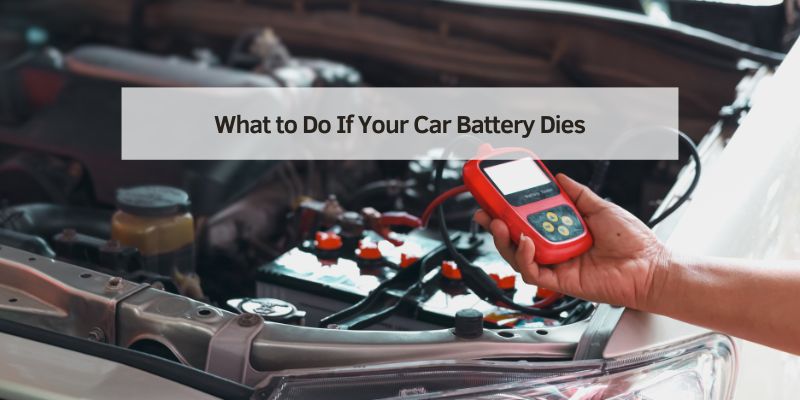
Test your battery yearly at a shop or with a multimeter. I bought a $15 multimeter and checked my battery’s voltage—it should read around 12.6 volts when healthy. If it’s below 12.2, it’s time to charge or replace it.
Why a Dead Battery Matters
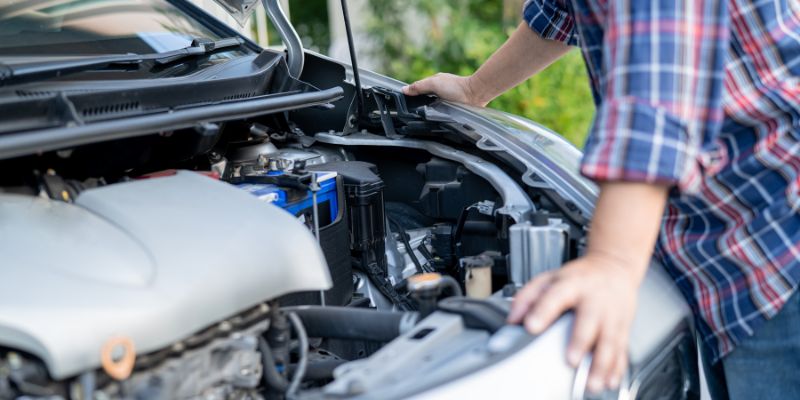
A dead battery isn’t just an inconvenience—it can leave you stranded in unsafe places. I was once stuck on a dark road at night, and it was nerve-wracking until help arrived. A dead battery can also damage your car’s electrical system if you keep trying to start it. Plus, it’s a reminder to maintain your car. I’ve learned that a little upkeep goes a long way in preventing bigger problems.
Conclusion
A dead car battery is a hassle, but it’s not the end of the world. From my misadventures in parking lots and on road trips, I’ve learned that staying calm and prepared makes all the difference. Whether you jump-start your car, charge it, or replace the battery, you’ve got options to get back on the road. My tips—like keeping jumper cables handy, checking terminals, and driving regularly—can save you time and money.
A dead battery is a wake-up call to take care of your car, and with a little effort, you can avoid being stranded again. So, next time your car won’t start, take a deep breath, grab those cables, and tackle it like a pro. You’ve got this, and the open road is waiting!
FAQs
How do I know if my car battery is dead?
If your car won’t start, makes a clicking sound, or has dim lights and a weak horn, the battery is likely dead. Slow cranking is another sign.
Can I jump-start my car myself?
Yes, with jumper cables and another car. Connect red clamps to positive terminals, black to negative, and a metal surface, then start the helper car and try yours.
How long does it take to charge a car battery?
With a charger, it takes 4-8 hours for a full charge. I usually leave mine overnight to be safe.
When should I replace my car battery?
If it’s over 3-5 years old or won’t hold a charge after jumping or charging, replace it. Auto parts stores can test it for free.
What causes a car battery to die?
Leaving lights or accessories on, short trips, extreme temperatures, or a faulty alternator can drain it. I’ve had batteries die from leaving my headlights on.
Can a dead battery damage my car?
Repeatedly trying to start a dead battery can strain the starter motor. Low voltage can also affect the electrical system, so address it quickly.