What Causes White Smoke From Exhaust? 6 Real Causes
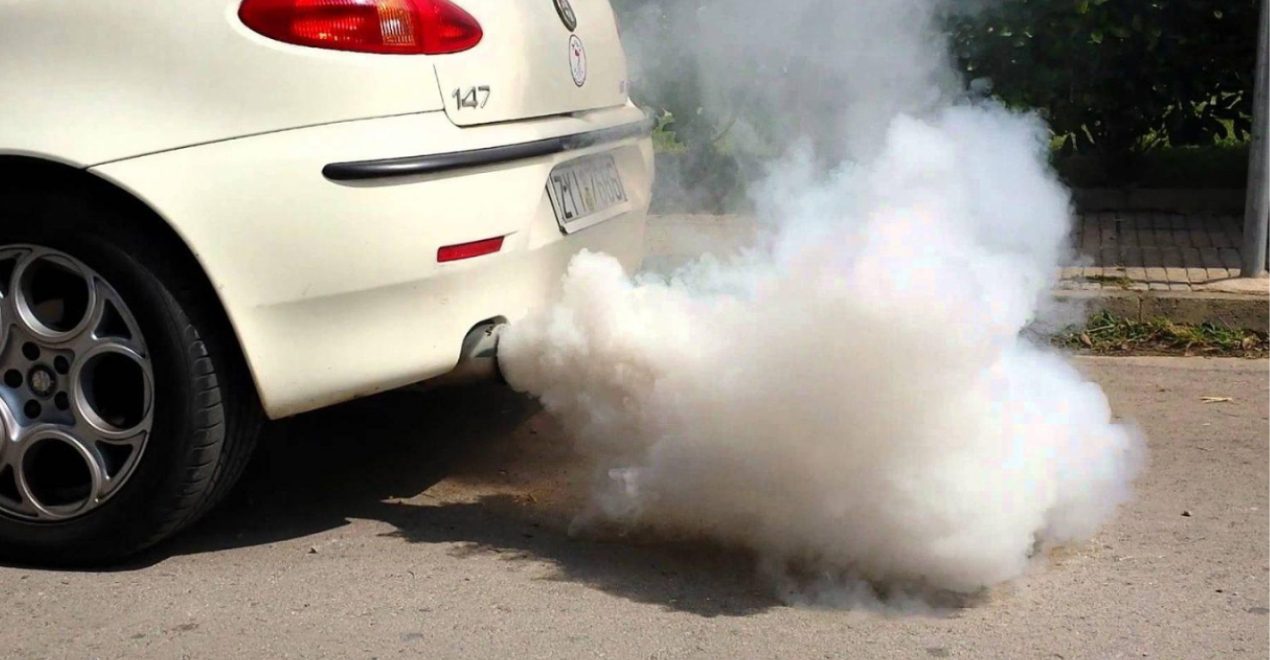
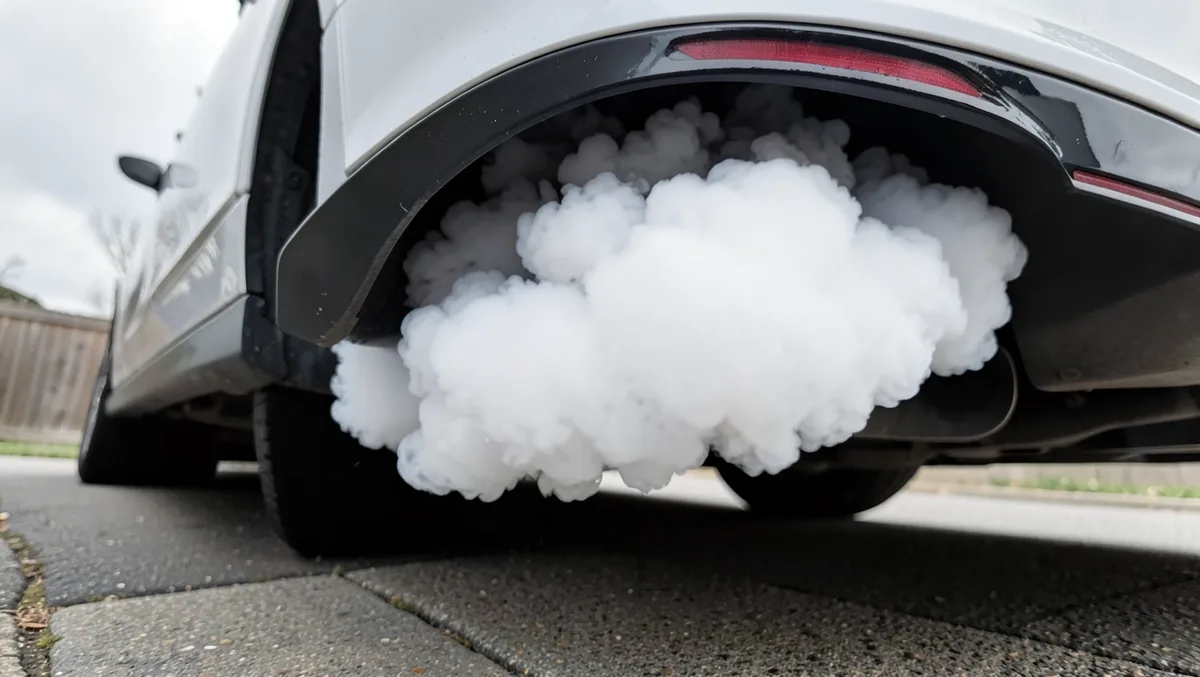
White smoke from your exhaust almost always means coolant has reached the combustion chamber, most often through a blown head gasket, a cracked cylinder head, or a cracked engine block.
A quick way to tell serious from harmless: condensation on a cold start clears within a minute or two and has no smell, while a real coolant leak keeps smoking after the engine is fully warm and often carries a faint sweet odor.
This guide walks through the six most common causes, starting with the one mechanics see most often, plus how to check which one applies to your car before you spend money on repairs.
Is White Smoke Always a Problem?
BEST FOR DIAGNOSING A COOLANT LEAK
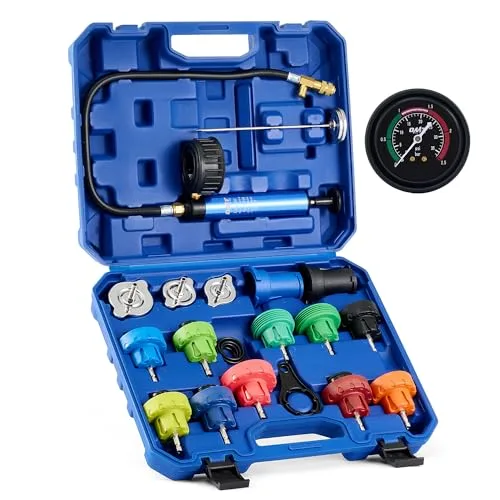 |
OMT Coolant Pressure Tester Kit, 19pc – $39.99 Pressurizes the cooling system with the engine off so you can find the exact leak causing white smoke instead of guessing.
|
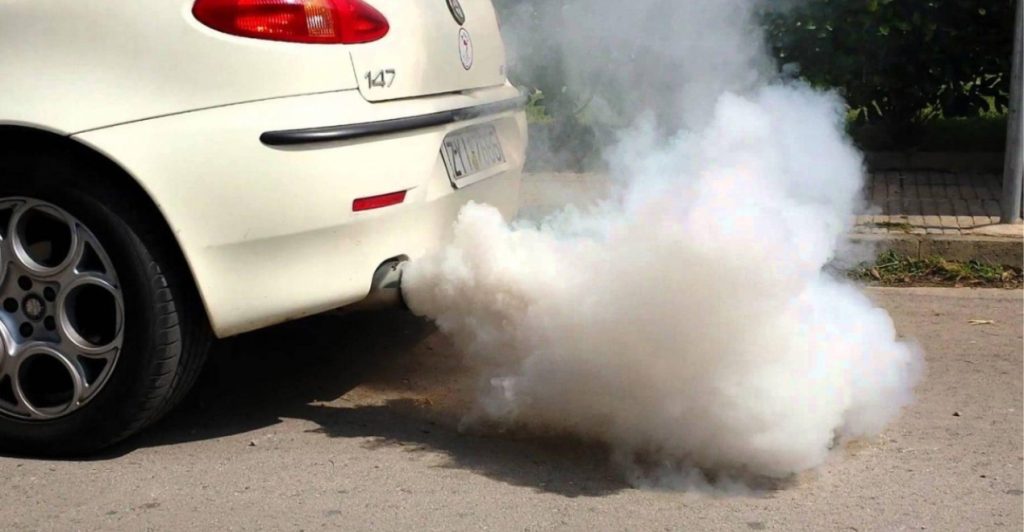
Not always. On a cold morning, water vapor collects inside a cool exhaust pipe overnight and burns off as soon as the engine warms up. That kind of white smoke is thin, disappears within one to two minutes of driving, and has no smell.
If the smoke keeps coming after the engine reaches normal operating temperature, or you notice a sweet, syrupy smell (that is antifreeze burning), you are looking at a real leak rather than condensation, and it is worth checking further before you keep driving.
Coolant Leaking Into the Engine (Head Gasket, Cracked Block or Head)
The most common serious cause of white smoke is coolant getting into a cylinder and burning alongside the fuel. A blown head gasket is the usual culprit: the gasket seals the coolant passages between the block and the cylinder head, and once it fails, coolant seeps into the combustion chamber instead of staying in the cooling system. A cracked cylinder head or a cracked engine block causes the same problem through a different failure point, and either one is more expensive to fix than a gasket alone.
Along with white smoke, watch for a coolant level that keeps dropping with no puddle underneath, a milky or frothy tint to the oil on the dipstick, and a temperature gauge that creeps toward the red zone. Bubbles rising in the coolant reservoir while the engine idles are another sign that combustion gas is getting into the cooling system through the same failure. None of these problems get better on their own, and driving on a blown head gasket for more than a short distance risks warping the head or overheating the engine badly enough to need a full rebuild.
Burning Transmission Fluid
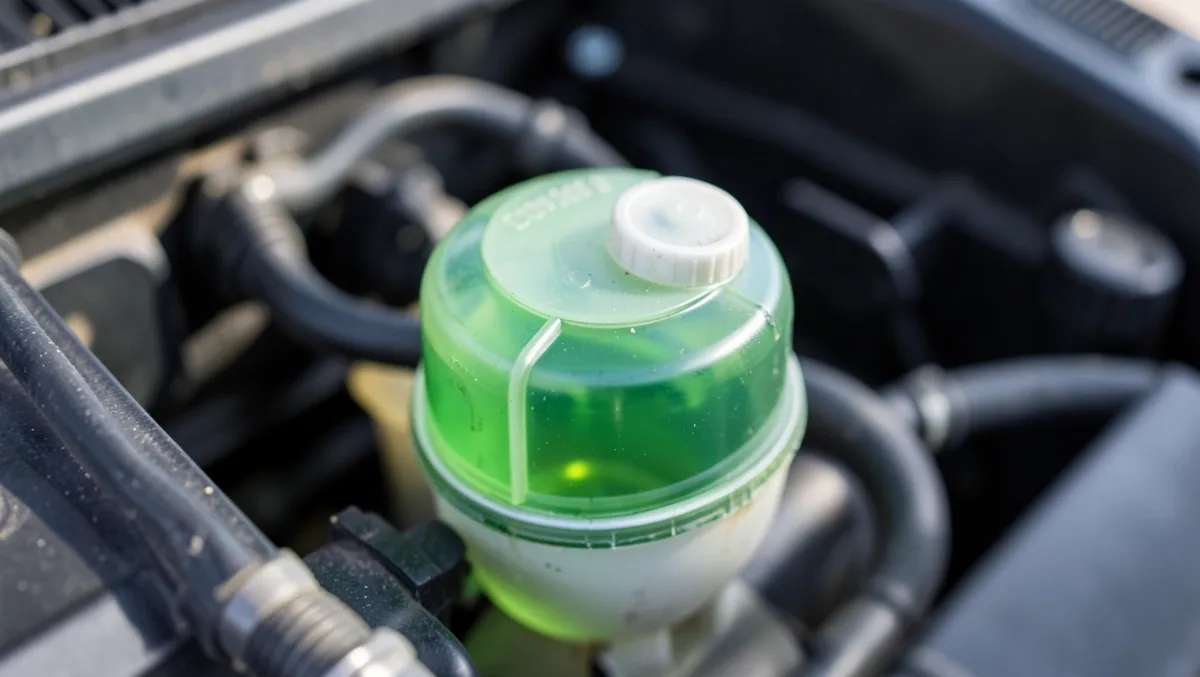
Less common, but real: on some vehicles a failed transmission cooler line, or a cracked cooler inside the radiator, lets transmission fluid cross into the coolant or, in rarer cases, directly into the intake. Once that fluid reaches the combustion chamber, it burns off as thick white smoke with a distinct burnt-oil smell. Check the transmission fluid level and color regularly. If it looks unusually low or has turned a milky pink, have the cooler and lines inspected before contaminated fluid damages the transmission itself.
Faulty Fuel Injectors and Incomplete Combustion
A fuel injector that sprays an uneven pattern, or one that is stuck partly open, throws off the air-fuel ratio in that cylinder. The engine cannot burn the mixture completely, and the leftover unburned fuel exits as white or gray smoke, often paired with a rough idle, hesitation on acceleration, and worse fuel economy than usual. A mechanic can usually confirm this with a fuel pressure test and by checking the injector’s spray pattern, and cleaning or replacing the faulty injector typically clears the smoke.
Worn Piston Rings
Piston rings seal the combustion chamber and control how much oil reaches the cylinder walls. Once they wear down, oil seeps past them into the chamber and burns along with the fuel, producing white-gray smoke that is usually most noticeable right after startup or under hard acceleration. You will typically also notice the oil level dropping faster than normal, needing frequent top-ups between changes, a sign covered in more depth in how to know if your car is burning oil. This is a wear issue rather than a sudden failure, so it tends to get gradually worse. A compression test on each cylinder is the standard way a mechanic confirms ring wear versus a valve or gasket problem.
Turbocharger Oil Leaks
On turbocharged engines, a failing turbo seal lets oil leak into the intake or exhaust side of the turbine housing. That oil burns off as white or blue-white smoke, and you may also notice the engine losing boost pressure, a whining or grinding noise from the turbo, and higher oil consumption than the engine normally uses. Turbo seals wear out gradually, so catching the problem early, usually through a routine oil-consumption check or a boost leak test, can mean replacing just the seal or cartridge instead of the whole turbocharger.
How to Diagnose White Smoke Yourself
Start with a smell and a stopwatch. A sweet smell plus smoke that keeps going past the two-minute mark after a cold start points toward coolant. A burnt, oily smell that gets worse under load points toward the turbo or worn piston rings. From there, pull the dipstick and check the oil for a milky or frothy appearance, and check whether the coolant level in the reservoir has dropped without a visible leak underneath the car. If the smoke only started right after an oil change, the cause is often simpler, so it is worth reading why your car might smoke after an oil change before assuming the worst.
For anything beyond a quick visual check, two tools do most of the diagnostic work. A coolant system pressure tester, like the kit above, pressurizes the cooling system while the engine is off, so you can watch for a pressure drop that reveals a leak the eye cannot see. A compression test, done cylinder by cylinder, tells you whether worn rings or a leaking valve are behind an oil-burning smoke. If either test points to an internal problem, or you are just not sure which cause applies, it is worth having a mechanic confirm it before you put more miles on the engine, since waiting can turn a coolant leak into a cracked block or a ruined engine.
Frequently Asked Questions
How Do I Fix a Car That Is Blowing White Smoke?
Start by identifying the cause instead of guessing. Check the coolant reservoir and dipstick for cross-contamination, watch how long the smoke lasts after a cold start, and note any smell. A coolant pressure test and a cylinder compression test will confirm whether you are dealing with a head gasket, a cracked block, worn piston rings, or a turbo seal. Once you know which one it is, the actual repair depends entirely on that diagnosis, so a proper mechanic visit is usually the fastest route to the right fix.
Can I Keep Driving With White Smoke From the Exhaust?
If the smoke is thin, only shows for the first minute or two after a cold start, and has no smell, it is just condensation and safe to drive on. If it continues after the engine warms up, smells sweet, or comes with a rising temperature gauge, stop driving as soon as it is safe to do so. Coolant leaking into the engine can warp the cylinder head or cause the engine to overheat badly enough to need a full rebuild, so a short delay in getting it checked can turn a moderate repair into a much larger one.
Does White Smoke Always Mean a Blown Head Gasket?
No. A blown head gasket is the single most common cause, but cracked cylinder heads, cracked engine blocks, worn piston rings, leaking turbo seals, and even a failed transmission cooler can all put fluid into the combustion chamber and produce the same white smoke. The only way to tell them apart is to check the specific symptoms, such as coolant loss, oil condition, compression numbers, and boost pressure, that go with each one.
What Is the Most Common Cause of White Smoke From the Exhaust?
A coolant leak into the engine, usually through a blown head gasket, is the most common serious cause. It is also worth ruling out condensation first: on a cold start, water vapor in the exhaust produces thin white smoke that clears within a minute or two and does not indicate any problem at all.
Why Does My Car Blow White Smoke Only in Cold Weather?
Cold air causes water vapor to condense inside a cool exhaust pipe overnight, and that moisture turns into visible white vapor as soon as the engine starts and the pipe heats up. It is completely normal, disappears within a minute or two of driving, and is not the same thing as smoke caused by a coolant or oil leak. If the smoke shows up in cold weather but also lingers well after the engine is warm, or shows up in warm weather too, treat it as a real mechanical cause instead.
Conclusion
White smoke from your exhaust is worth taking seriously the moment it lasts longer than a minute or two after a cold start. In most cases you are looking at coolant reaching the combustion chamber through a blown head gasket, a cracked head, or a cracked block, though worn piston rings, a bad turbo seal, or contaminated transmission fluid can produce the same symptom.
Checking the coolant and oil, timing how long the smoke lasts, and running a pressure or compression test will tell you which one applies well before you agree to any repair. Catching it early is what keeps a head gasket job from turning into a full engine rebuild.
Products related to this article
Sponsored / affiliate links. As an Amazon Associate I earn from qualifying purchases. I may earn additional commission from eligible campaigns.