Why Is My Car Smoking After An Oil Change? Don’T Panic
Seeing smoke coming from your car, especially right after service, can be a really worrying experience. It feels like a problem that wasn’t there before has just appeared. You want to trust that your car is in good hands, and this unexpected symptom makes you question that.
Let’s take a deep breath. This article is here to help you understand why your car might be smoking after an oil change. We’ll break down the common reasons, explain what you can look for, and guide you on what steps to take next.
You’ll learn that often, it’s not as dire as it seems.
Smoking from your car after an oil change is often a temporary issue related to a small amount of spilled oil or a minor adjustment. Common causes include excess oil on the engine, a loose oil cap, or oil dripped onto hot exhaust parts. Usually, this smoke burns off quickly.
Understanding Why Your Car Smokes After an Oil Change
So, your car is puffing out smoke. It’s a natural reaction to wonder what’s happening. The good news is that in many cases, smoke after an oil change is not a sign of a major engine failure.
It’s often caused by something quite small and easily fixable, or something that will resolve itself soon.
The key is to figure out what kind of smoke you’re seeing and where it’s coming from. Is it a light wisp, or is it thick and dark? Does it smell sweet, or does it smell like burnt oil?
These details can give you clues. Often, the smoke you see is just a bit of oil that made its way to a hot part of your engine.
When a mechanic changes your oil, they have to open up parts of your engine. They’re pouring new oil in and taking old oil out. During this process, it’s quite common for a small amount of oil to drip or splash.
It might land on the engine block, the exhaust manifold, or other hot surfaces. When these hot parts meet oil, they can create smoke.
This type of smoke is usually white or grayish and has a distinct smell of burning oil. It’s often most noticeable when you first start the car or when it’s idling. As the engine heats up and the small amount of spilled oil burns away, the smoke should stop.
This can take a few minutes to half an hour of driving.
My Own Scare After an Oil Change
I remember one time, I had my trusted mechanic change the oil in my old sedan. It was a crisp fall morning, and I was heading to work. I started the car, backed out of my driveway, and then I saw it – a little puff of smoke coming from under the hood.
My heart sank. I had just paid for service, and now this?
I pulled over, a bit of panic setting in. Was it the oil filter? Did they overfill it?
My mind raced with worst-case scenarios. I got out and looked around, but I couldn’t see anything obviously wrong. The smoke wasn’t thick or constant, just occasional wisps.
I decided to drive slowly to work, keeping a close eye on the temperature gauge.
By the time I got to my office, about 20 minutes later, the smoke had completely stopped. It turned out a tiny bit of oil had dripped onto the exhaust manifold when they were finishing up. It was a simple, non-consequential spill that just needed to burn off.
It was a good reminder that not all smoke means disaster.
Common Causes of Post-Oil Change Smoke
Spilled Oil: The most frequent culprit. Small drips land on hot engine parts and burn off.
Overfilling: If too much oil is added, it can get into the combustion chambers or splash onto hot components.
Loose Oil Cap: A cap not fully secured can allow oil to escape.
Leaky Drain Plug: If the drain plug wasn’t tightened enough, oil can leak onto the exhaust.
Faulty Oil Filter Gasket: A new filter might have a small leak if not seated correctly.
What to Check If You See Smoke
When you notice smoke, the first thing to do is stay calm. Then, try to gather some information. Where is the smoke coming from?
What color is it? Does it smell strong?
First, if you can, safely pull over. Turn off the engine and pop the hood. Be careful, as engine parts can be very hot.
Look for any obvious signs of leaks. Is there oil visibly dripping onto anything hot, like the exhaust pipe or manifold?
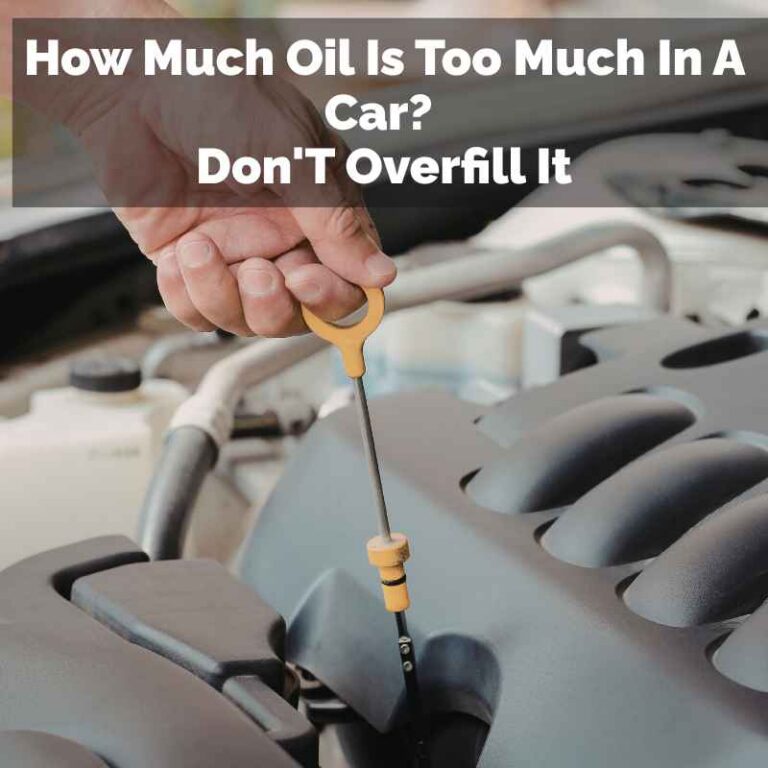
Check your oil level. This is crucial. You can do this by pulling out the dipstick, wiping it clean, putting it back in fully, and then pulling it out again.
Look at the oil level on the dipstick. It should be between the “min” and “max” marks. If it’s way above the “max” mark, your car might have been overfilled.
Also, check the oil filler cap. Is it screwed on tightly? Sometimes, a simple mistake like forgetting to close the cap completely can lead to oil splattering out and burning.
Smoke Color Clues
White Smoke: Often steam from moisture burning off, or coolant leak (serious).
Grayish Smoke: Usually oil burning on hot engine parts.
Blue Smoke: Burning oil inside the engine (worn seals, piston rings).
Black Smoke: Fuel-rich mixture (engine needs tuning).
If the smoke is white or blue, that’s a different story. Blue smoke often means oil is getting into your combustion chambers, which indicates an internal engine issue like worn seals or piston rings. White smoke could be coolant burning, which is a more serious problem.
However, right after an oil change, grayish smoke from oil on hot parts is the most common reason.
If you see blue or significant white smoke, or if the smoke is very thick and doesn’t stop after a short drive, it’s time to call your mechanic or a trusted repair shop. Don’t risk driving if you suspect a serious leak or internal engine problem.
Real-World Scenarios of Oil Change Smoke
Let’s look at some situations you might encounter. Imagine you pull out of the shop, and you notice a faint smell of burning oil. You look in your rearview mirror and see a light haze.
You might be tempted to turn back, but if the smell is mild and the haze is light, it’s likely just oil that spilled onto the hot exhaust manifold during the oil change.
This oil will burn off as the engine reaches normal operating temperature. The exhaust manifold gets incredibly hot, and any oil hitting it will vaporize and smoke. As the engine runs, this oil will be consumed.
Within 15-30 minutes of normal driving, the smoke and smell should disappear completely. This is a common occurrence.
Another scenario: you’re idling at a stoplight, and you see a bit of smoke curling up from under the hood. You might check the dipstick and find the oil level is just a hair over the ‘max’ line. This slight overfill could cause a bit of oil to be pushed past the piston rings and burn in the cylinder, or it might splash onto hot engine components.
In this case, it’s usually not a major issue. The car might run a tiny bit rougher, or you might notice a bit more smoke for a while. The best course of action here is often to drive the car for a bit to let it burn off any excess.
If it persists, you might want to have the shop drain a small amount of oil to bring the level back into the proper range.
Consider this: you just got your oil changed, and you’re driving home. You notice a small amount of oil dripping onto your driveway after you park. This could be a sign that the oil drain plug wasn’t tightened properly.
If this is happening, it’s definitely something you need to address immediately. That leaking oil could drip onto the hot exhaust system while you’re driving and cause smoke, or worse, lead to a significant loss of oil, which can damage your engine.
When It’s Probably Nothing to Worry About
Light, wispy smoke: A small amount of oil on hot exhaust parts.
Burning oil smell: Similar to above, the oil is vaporizing.
Smoke that stops after 15-30 minutes of driving: The spilled oil has burned off.
Oil level is correct: The dipstick shows the oil is within the normal range.
What This Means for You
If you’re seeing smoke after an oil change, don’t immediately assume the worst. Most of the time, it’s a simple issue related to the service itself. A little bit of spilled oil on a hot engine part is the most common cause, and it will burn off on its own.
However, it’s important to be observant. If the smoke is thick, dark, or accompanied by a strong, unusual smell, or if it persists for a long time after you start driving, then it’s worth investigating further. It could indicate a different problem that needs attention.
When to worry? If the smoke is blue, it suggests your engine is burning oil internally. This is a sign of wear and tear and needs professional diagnosis.
If you see thick, white smoke that smells sweet, it could be your coolant leaking into the engine, which is a serious issue. If you notice significant oil leaks onto your driveway, that’s also a red flag.
Simple checks you can do include verifying the oil level with the dipstick and ensuring the oil filler cap is secure. If these seem fine and the smoke is minor and temporary, you can likely continue driving. If you’re unsure or uncomfortable, it’s always best to err on the side of caution and contact the shop that performed the oil change or a trusted mechanic.
Quick Checks After Your Oil Change
Oil Level: Use the dipstick. Is it between min and max?
Filler Cap: Is it screwed on tightly?
Visible Leaks: Any oil spots under the car after parking?
Smoke Appearance: Color, thickness, and duration.
Smell: Is it a normal burnt oil smell or something else?
Quick Fixes and Tips
If your car is smoking after an oil change due to spilled oil, the “fix” is often patience. Let the engine run for a bit. The smoke will typically stop on its own as the spilled oil burns off.
This usually happens within the first 15-30 minutes of driving.
If you suspect the car was overfilled with oil, don’t try to drain it yourself unless you know exactly what you’re doing. Instead, contact the service center that did the oil change. They should be able to quickly drain the excess oil for you.
Driving with significantly overfilled oil can cause engine damage over time.
For minor drips from the drain plug, ensure it’s tightened correctly. If you’re not comfortable doing this yourself, take it back to the shop. They can re-torque the plug to make sure it’s sealed properly.
A helpful tip is to always inspect under your car after parking, especially if you’ve just had service. Look for any new fluid spots on your driveway. This simple habit can help you catch small leaks early.
If you notice the smoke is blue, it’s a sign of internal engine wear. The fix for this is more involved and often requires repairing or rebuilding parts of the engine. This is not something that can be fixed with a quick tip; it requires professional attention.
Frequently Asked Questions
Why would my car smoke right after an oil change?
The most common reason is that a small amount of oil dripped onto hot engine parts, like the exhaust manifold, during the oil change process. This oil then burns off as the engine heats up.
How long should smoke last after an oil change?
Usually, smoke from spilled oil will stop within 15 to 30 minutes of driving as the oil burns away. If smoke continues for longer or is very thick, it might indicate a different issue.
What does blue smoke from my car mean after an oil change?
Blue smoke generally means your engine is burning oil internally. This could be due to worn valve seals or piston rings. It’s a sign of engine wear and needs to be checked by a mechanic.
Is it bad if my car smokes a little after an oil change?
A little bit of light smoke that smells like burning oil and stops after a short drive is usually not bad. It’s likely just spilled oil burning off. However, any persistent, thick, or unusually colored smoke should be investigated.
What if my car was overfilled with oil? Will it smoke?
Yes, overfilling can cause smoke. Excess oil can enter the combustion chamber and burn, or it can splash onto hot engine parts. If you suspect overfilling, have the excess oil drained.
Should I drive my car if it’s smoking after an oil change?
If the smoke is light, temporary, and you’ve checked that the oil level is correct and the cap is on tight, you can usually drive it. If the smoke is heavy, persistent, or you see blue or thick white smoke, it’s safer to stop driving and get it checked.
What if the oil change shop denies responsibility for the smoke?
If the smoke is clearly related to the oil change (e.g., a loose drain plug you discover), the shop should address it. If it’s just minor spilled oil burning off, they might say it’s normal. If you believe they made a mistake, politely explain your concerns and ask them to re-inspect the vehicle.
Conclusion
Seeing smoke after an oil change can be a moment of concern. However, understanding the common reasons, like spilled oil burning off hot engine parts, can bring reassurance. By performing simple checks and observing the smoke’s behavior, you can often determine if it’s a minor, temporary issue or something that needs immediate attention from a mechanic.
Remember, most of the time, it’s just a sign that a little bit of oil made its way to a hot spot. This will resolve itself as you drive. Stay observant, trust your instincts, and don’t hesitate to seek professional help if you have any doubts about your car’s health.
Products related to this article
Sponsored / affiliate links. As an Amazon Associate I earn from qualifying purchases. I may earn additional commission from eligible campaigns.