How To Know If Your Car Is Burning Oil (Warning Signs)
We’ll walk through the clear signs your car might be burning oil. You’ll learn why it happens and what it really means for your car’s health. By the end, you’ll feel much more confident knowing how to spot this issue and take the right steps.
The primary signs your car is burning oil include blue smoke from the exhaust, a strong burning oil smell, low oil levels, oil in the exhaust or spark plug wells, and engine performance issues like misfires or rough idling. Checking your oil regularly is key.
What Does It Mean When a Car Burns Oil?
When we say a car is “burning oil,” it means that small amounts of the engine oil are getting into the combustion chambers. Here, the oil mixes with the fuel and air. Then, it gets burned up along with the gas. This burning oil escapes out through the exhaust system. It’s not supposed to happen. Engine oil’s job is to keep moving parts slick and cool. It helps prevent wear and tear.
When oil gets into the combustion chamber, it’s a sign that something in the engine is worn out or damaged. This could be piston rings, valve seals, or gaskets. These parts are meant to keep oil out of where the burning happens. If they fail, oil can seep in. This leads to a loss of oil and can cause real harm to your engine.
Think of it like a leaky faucet. A small drip might not seem like much at first. But over time, that drip can cause damage. Burning oil is similar. Small amounts might not cause immediate failure. But they will cause damage over time. They can foul spark plugs and clog the catalytic converter. Both are expensive fixes.

Visible Signs Your Car Is Burning Oil
The most obvious sign is the smoke itself. It’s not just any smoke. It’s usually a distinct color and smell. You might see it when you start your car. You might also see it when you accelerate. This smoke is your engine’s way of telling you it has a problem.
Blue Smoke From the Exhaust Pipe
The most common indicator of burning oil is blue smoke coming from your tailpipe. This smoke looks like it has a bluish tint. It’s most noticeable when you first start your car. It can also show up when you’re driving. Especially when you press the gas pedal. Or when you let off it.
This blue color comes from the oil itself burning. When oil gets into the combustion chamber, it burns and creates that distinct blue hue. If you see white smoke, that’s usually steam from water in the exhaust. Black smoke often means your engine is running too rich with fuel. Blue smoke is the signal for oil.
Pay close attention to when the smoke appears. If it’s only on startup, it might be worn valve seals. These seals can let oil drip into the cylinders when the engine is off. When you start it, that oil burns. If it happens when you accelerate, it could be worn piston rings.
Smoke Color Guide
- Blue Smoke: Burning oil.
- White Smoke: Burning coolant (serious issue).
- Black Smoke: Too much fuel is being used.
Always note the smoke color. It gives a clue to the problem.
The Smell of Burning Oil
Besides seeing smoke, you might also smell it. Burning oil has a very distinct odor. It’s not a pleasant smell. It’s often described as acrid or pungent. You might notice it inside the car. Or you might smell it when you are standing near the exhaust. This smell happens when the oil vapor escapes.
If you’ve ever spilled oil on a hot engine part, you know the smell. It’s similar to that. This smell is a strong indicator that oil is getting somewhere it shouldn’t be. It can come from the engine itself or from the exhaust. Either way, it means oil is present in hot areas.
Don’t ignore this smell. It’s your nose telling you something is wrong. It’s a good idea to check your oil level if you notice this smell. You might also want to check for leaks under the car. Sometimes, oil can drip onto hot exhaust components. This causes the burning smell without the engine necessarily burning oil internally.
Checking Your Oil Level
One of the simplest yet most important checks is your oil level. If your car is burning oil, you’ll notice the oil level dropping faster than normal. This is a direct result of oil being consumed. You should check your oil level regularly. This is a good habit for any car owner.
How to Check Your Oil
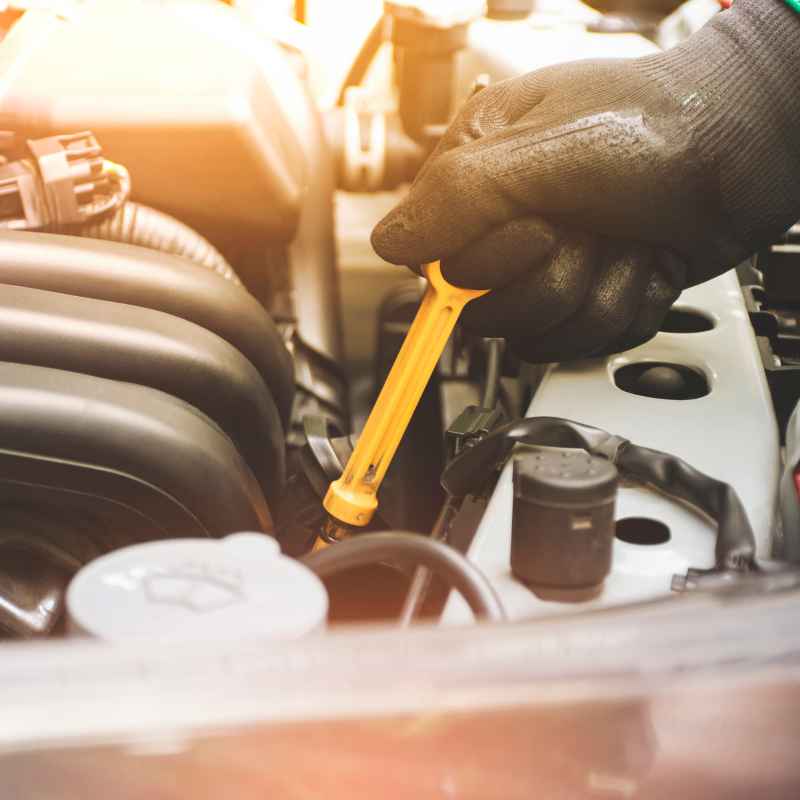
First, make sure your car is parked on a level surface. The engine should be off. Let it cool for about 5-10 minutes. This allows the oil to drain back into the oil pan. Open the hood and find the oil dipstick. It usually has a bright-colored handle, often orange or yellow.
Pull the dipstick out completely. Wipe it clean with a rag or paper towel. Then, push it all the way back in. Pull it out again. Now, look at the oil level. There are usually two marks on the dipstick. These marks show the “full” and “add” or “low” levels. Your oil should be between these two marks.
If the oil level is at or below the “add” mark, your car is using oil. If it’s significantly low, your car might be burning a lot of oil. You’ll need to add oil. But this is also a signal to investigate why it’s going down so fast.
When to Check Your Oil
- Every few gas fill-ups.
- Before long road trips.
- If you notice any strange engine behavior.
- If you see blue smoke or smell burning oil.
Regular checks are your best defense.
What a Low Oil Level Means
A consistently low oil level isn’t just about needing to top it up. It means your engine doesn’t have enough lubrication. This can cause parts to rub together. It leads to more wear and tear. This wear can make the problem of burning oil even worse. It creates a cycle.
If you have to add oil very often, it’s a red flag. Some cars use a bit of oil as they age. But frequent additions mean a significant loss. This loss is likely due to burning or leaking. You need to find out which one it is.
Don’t wait to fix this. Driving with low oil is like running your body on empty. It’s dangerous for your engine. Over time, it can lead to catastrophic failure. That means needing a whole new engine, which is very expensive.
Oil Consumption vs. Leaks
It’s important to know the difference between burning oil and leaking oil. Both result in lower oil levels. But they have different causes and solutions. Burning oil means the oil is getting into the combustion chamber. Leaking oil means it’s escaping the engine system externally.
Identifying Oil Leaks
Oil leaks often leave visible puddles under your car. Check your driveway or parking spot for dark, oily spots. The color of the spot is usually dark brown or black. If you see these, you likely have a leak. You can also look under the car. Check the engine oil pan and other engine components for wet, oily spots.
Leaky gaskets and seals are common culprits. The oil pan gasket, valve cover gasket, or crankshaft seals can fail. These are usually repairable by replacing the faulty part. A mechanic can identify the source of the leak.
Why Burning is Different
When oil is burned, you might not see puddles. The oil is being consumed inside the engine. The main signs are blue smoke and the smell. Also, the oil level drops without visible external leaks. Both are bad, but burning oil often points to internal engine wear.
You can sometimes tell if it’s a leak by the smell. A leak onto hot exhaust parts can smell like burning oil. But it’s usually a more constant smell. Burning oil inside the engine might be more noticeable during driving. Especially during acceleration or deceleration.
Leak vs. Burn Checklist
- Puddles under car.
- Visible wet spots on engine.
- Less likely to have blue smoke.
- Blue smoke from exhaust.
- Burning oil smell.
- Oil level drops without visible leaks.
Sometimes both can happen!
Performance Issues Due to Burning Oil
When oil starts burning, it doesn’t just affect the exhaust. It can mess with how your engine runs. This is because the oil interferes with the normal combustion process. It can also foul important engine parts.
Misfires and Rough Idling
Oil getting into the combustion chamber can prevent the spark plug from doing its job properly. The oil can coat the tip of the spark plug. This creates a barrier. It makes it hard for the spark to jump and ignite the fuel-air mixture. This is called a misfire. You might feel the car shudder or hesitate.
When the engine idles, it’s at its lowest RPM. Any issue with combustion is more noticeable. If oil is fouling one or more spark plugs, the engine won’t run smoothly. It will feel rough. You might even hear popping sounds. This rough idle is a sign that something is disrupting the power delivery.
If you notice your car shakes or stutters when it’s stopped at a light, pay attention. This is especially true if it feels worse when the engine is warm. It’s a classic sign that combustion isn’t happening cleanly.
Loss of Power and Fuel Efficiency
When your engine isn’t firing on all cylinders, you’ll lose power. The car won’t accelerate as quickly. It might feel sluggish. This is because the engine is not producing its full intended power. It’s like trying to run a race with one leg tied.
Burning oil also affects fuel efficiency. Your engine has to work harder to compensate for the misfires. Also, the oil itself can reduce the effectiveness of the combustion process. This means you’ll be using more gas to get the same amount of work done. This adds to the overall cost of running your car.
You might notice your gas mileage dropping. This is a sneaky sign. It happens gradually. But over time, it can be quite noticeable. If your MPG suddenly takes a dive, it’s worth investigating. Burning oil is a common cause.
Performance Checks
Listen and feel for:
- Sudden loss of acceleration.
- Engine sputtering or shaking at idle.
- Hesitation when pressing the gas.
- A noticeable drop in miles per gallon (MPG).
These are signs your engine is struggling.
Where Does the Oil Go? Inside the Engine
To really understand why your car is burning oil, we need to peek inside the engine. There are a few main culprits. These are places where oil can escape its normal pathways and get into the combustion chamber.
Worn Piston Rings
Piston rings are vital. They sit around the pistons. Pistons move up and down inside the cylinders. These rings seal the gap between the piston and the cylinder wall. This seal prevents oil from leaking into the combustion chamber. It also keeps combustion gasses from escaping. Think of them as critical seals.
Over time and with many miles, these rings can wear out. They can become less tight. They can also break. When they wear, oil can slip past them. It then enters the area where the fuel and air burn. This is a very common reason for oil consumption, especially in older cars.
When piston rings are worn, you’ll often see blue smoke. This smoke is usually more noticeable when you accelerate hard. This is because the increased pressure pushes more oil past the worn rings.
Damaged Valve Seals
Valves control the flow of air and fuel into the engine. They also control the exhaust gases out. There are seals on the valve stems. These seals stop oil from running down the valve stems and into the combustion chamber. They are small but very important.
Valve seals are made of rubber. Rubber can dry out, crack, and become brittle over time. This happens due to heat and age. When they fail, oil can leak down the valve stems. This oil then gets burned. This is often why you see blue smoke when you first start your car. Or after it’s been sitting for a while.
Replacing valve seals can be a tricky job. It might require removing the cylinder head. So, it can be more labor-intensive than just adding oil. But it’s often less expensive than fixing worn piston rings.
Cracked Engine Block or Cylinder Head
This is a more serious issue. In rare cases, the engine block itself or the cylinder head can develop cracks. These cracks can be very small. They can happen due to overheating or manufacturing defects. They create a direct path for oil to leak into the combustion chamber. Or for coolant to leak into the oil.
A cracked block or head usually means major engine damage. It often requires a complete engine rebuild or replacement. The signs here can be severe. You might see excessive smoke, unusual noises, and significant loss of all fluids.
If you suspect a crack, it’s best to stop driving the car. Get it towed to a trusted mechanic. Trying to drive with a cracked block can cause total engine failure very quickly.
Internal Wear Points
- Piston Rings: Seal the piston to cylinder wall. Wear causes oil to slip past.
- Valve Seals: Prevent oil from running down valve stems. Aging causes them to fail.
- Gaskets: Like head gaskets, seal areas between engine parts. Failure can allow oil into combustion.
These are the most common internal leaks.
What to Do If You Suspect Your Car Is Burning Oil
So, you’ve seen the blue smoke, smelled the oil, or noticed your oil level dropping. What’s the next step? Don’t panic. Take a deep breath. There are practical steps you can take to manage the situation and protect your car.
Check Your Owner’s Manual
Your car’s owner’s manual is your best friend. It will tell you the recommended oil type and viscosity for your car. It will also tell you the normal oil consumption rate for your vehicle. Many manuals state that some oil consumption is normal for a vehicle.
Knowing what the manufacturer says is normal helps you decide if your issue is actually a problem. It gives you a baseline. It tells you what oil to use if you need to add some. Using the wrong oil can make things worse. Or it can lead to premature engine wear.
Keep a copy of your owner’s manual in your car. Or save a digital version on your phone. This way, you can check it anytime, anywhere.
Top Up the Oil
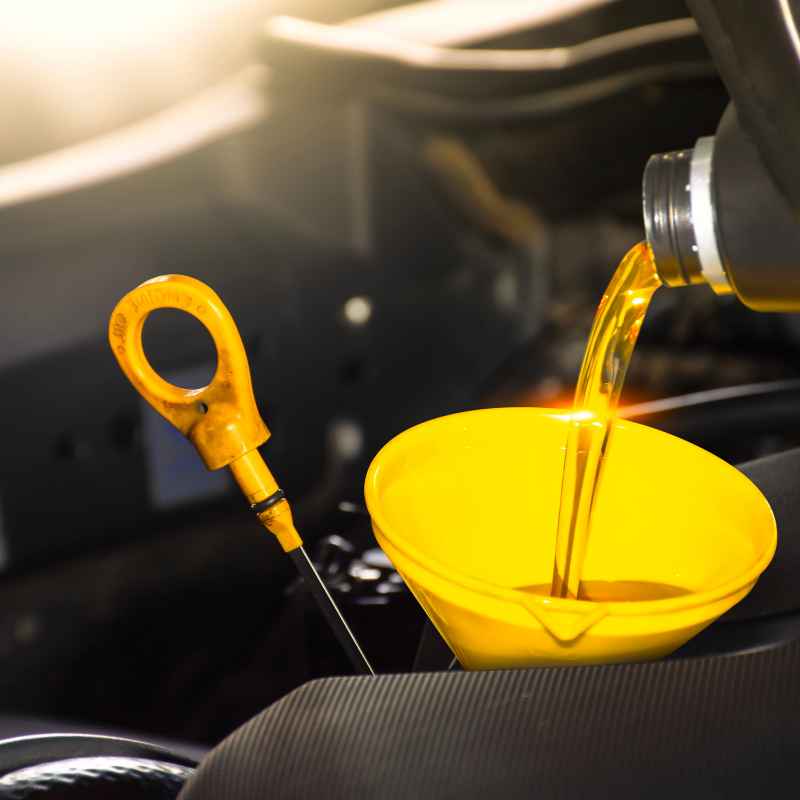
If your oil level is low, the first thing to do is add more oil. Use the type recommended in your owner’s manual. Add a small amount at a time. Check the dipstick frequently. You don’t want to overfill the engine. Overfilling can cause other problems.
Adding oil is a temporary fix. It keeps your engine lubricated. It prevents immediate damage from lack of oil. However, it does not fix the underlying cause. The oil is still getting into the combustion chamber. It will continue to burn. You’ll just need to add more sooner.
Keep a quart of the correct oil in your trunk. This way, you can top up if you notice the level getting low while you’re out and about. This is a safety measure. It ensures you don’t run your engine dry.
Consult a Trusted Mechanic
Once you’ve identified that your car is likely burning oil, it’s time for professional help. A qualified mechanic can diagnose the exact cause. They can tell you if it’s worn rings, bad valve seals, or something else. They can also give you an estimate for repairs.
Be honest with your mechanic. Tell them all the symptoms you’ve noticed. When the smoke appears, the smells, any performance issues. This information is crucial for them to diagnose the problem correctly. It saves them time and you money.
Don’t delay this step. The longer you wait, the more damage can occur. Minor issues can become major, expensive repairs. A mechanic’s expertise is invaluable here.
Your Action Plan
- Observe: Note the smoke color, smell, and timing.
- Check: Verify oil level and condition with the dipstick.
- Add: Top up oil with the correct type if low.
- Consult: Schedule an appointment with a mechanic ASAP.
Taking prompt action is vital.
Long-Term Implications of Burning Oil
Ignoring oil burning can lead to a cascade of problems. It’s not just about topping up the oil. The consequences can be severe and costly. Understanding these implications can motivate you to act quickly.
Damage to Catalytic Converter
The catalytic converter is a critical part of your exhaust system. It cleans harmful emissions. When oil burns, it leaves deposits. These deposits can clog the catalytic converter. This reduces its effectiveness. It can even cause it to fail completely.
A damaged catalytic converter will affect engine performance. It can cause the “check engine” light to come on. Replacing a catalytic converter is expensive. They can cost hundreds or even thousands of dollars. This is a direct result of ignoring oil burning.
Fouled Spark Plugs
As mentioned earlier, oil can coat spark plugs. This “fouls” them. Fouled spark plugs lead to misfires. They reduce the spark’s intensity. This makes the engine run poorly. You’ll have to replace spark plugs more often.
While spark plugs are not extremely expensive, frequent replacement adds up. Also, the misfires they cause put extra stress on other engine components. It’s a domino effect. Clean spark plugs are essential for efficient combustion.
Internal Engine Wear and Failure
The most serious long-term effect is increased internal engine wear. Oil is essential for lubrication. When it’s burning, there’s less oil to protect moving parts. This leads to friction. Friction causes wear on cylinder walls, pistons, bearings, and other critical components.
This accelerated wear can eventually lead to major engine failure. This might mean a seized engine. Or catastrophic damage to internal parts. In these cases, the cost of repair can be more than the value of the car. Engine replacement or rebuilds are very costly.
Protecting your engine by addressing oil burning is an investment in your car’s lifespan. It’s much cheaper to fix small issues than to replace an entire engine.
The Ripple Effect
Ignoring oil burning can lead to:
- Expensive catalytic converter replacement.
- Frequent, costly spark plug changes.
- Premature wear of engine components.
- The ultimate risk of total engine failure.
Address it before it gets this bad.
Normal Oil Consumption for Cars
It’s important to understand that most cars consume a small amount of oil. This is normal. Engines are complex machines with many moving parts. Some oil naturally finds its way past seals and rings. It gets burned during the combustion process.
What Manufacturers Consider Normal
Car manufacturers typically state a tolerance for oil consumption. This is often found in your owner’s manual. For many cars, it might be something like one quart of oil per 1,000 to 5,000 miles. The exact number varies a lot.
Factors like driving style, engine age, and engine type affect this. High-performance engines or engines driven hard may use more oil. Older engines with more miles are also prone to using more oil.
The key is whether the consumption is excessive or sudden. A sudden increase in oil usage is a sign of a problem. A slow, gradual increase over many miles might be normal aging.
When to Be Concerned
You should be concerned if:
- Your oil level drops drastically between regular checks.
- You suddenly see blue smoke from your exhaust.
- You have to add oil more than once a month, or every few hundred miles.
- Your car starts showing performance issues like misfires.
These are indicators that the problem is beyond normal wear and tear. They suggest an issue that needs repair.
Preventive Maintenance Tips
While you can’t always prevent parts from wearing out, good maintenance practices can help. They can slow down wear and catch issues early.
Regular Oil Changes
Sticking to your recommended oil change schedule is crucial. Fresh oil lubricates better. It keeps engine parts cleaner. Dirty or old oil can lose its protective qualities. It can become less effective at preventing wear. This can speed up the aging of engine components.
Always use the type of oil specified in your owner’s manual. Using the wrong viscosity or type can lead to problems. It might even increase oil consumption.
Clean Air Filter
A clean air filter is important for engine health. It ensures the engine gets enough clean air to mix with fuel. A clogged air filter can make the engine run rich. This can affect combustion. It can also lead to other engine issues.
Check and replace your air filter regularly. It’s a simple maintenance item. It doesn’t cost much. But it plays a role in engine efficiency and longevity.
If your air filter is very dirty, it can restrict airflow. This can make the engine work harder. It might lead to inefficient burning. While not a direct cause of burning oil, it contributes to overall engine health.
Frequently Asked Questions
Can I drive my car if it’s burning oil?
You can drive it, but it’s not recommended for long periods. If the oil level is very low, you risk severe engine damage. It’s best to get it checked by a mechanic as soon as possible. Driving with very low oil can lead to total engine failure.
How much does it cost to fix burning oil?
The cost varies greatly. Replacing valve seals might cost a few hundred dollars. Rebuilding or replacing piston rings can cost $1,500 to $4,000 or more. A cracked engine block or head usually means an engine replacement, which can be $3,000 to $7,000+.
Will using a thicker oil stop burning oil?
Sometimes, a slightly thicker oil might temporarily reduce oil consumption. This is because it can better fill worn gaps. However, it does not fix the underlying problem. It can also sometimes lead to lubrication issues. Always use the oil weight recommended by your car’s manufacturer.
Can a bad PCV valve cause oil burning?
Yes, a clogged or faulty Positive Crankcase Ventilation (PCV) valve can contribute to oil consumption. The PCV system helps remove blow-by gases from the crankcase. If it’s blocked, pressure can build up. This can force oil past seals and into the combustion chamber.
Is blue smoke from the exhaust always oil?
While blue smoke is the classic sign of burning oil, it’s important to be sure. Other issues can sometimes produce smoke. However, blue smoke is strongly indicative of oil. If you see blue smoke, checking your oil level and consulting a mechanic is the best course of action.
How often should I check my oil if I suspect it’s burning?
If you suspect your car is burning oil, check it much more often. Try to check it every time you fill up with gas. Or at least once a week. Frequent checks will help you monitor the oil level and prevent running the engine too low.
Conclusion: Your Car’s Health Matters
Knowing the signs that your car is burning oil is a crucial skill for any car owner. From the distinct blue smoke to the tell-tale smell, your car sends signals. Paying attention to these warnings can save you a lot of money and stress down the road. Regular checks and prompt action are key.
Don’t ignore these symptoms. They are your car’s way of asking for help. By understanding the causes and knowing what to do, you can keep your vehicle running smoothly and prevent major damage. Your car’s health is worth the attention.
Products related to this article
Sponsored / affiliate links. As an Amazon Associate I earn from qualifying purchases. I may earn additional commission from eligible campaigns.