What Year Did Toyota Start Putting Backup Cameras in Cars?
I’ll never forget the first time I backed up a car with a backup camera—it felt like magic! My old 2005 sedan didn’t have one, so when I borrowed my friend’s Toyota with a tiny screen showing everything behind me, I was hooked. If you’re wondering what year did Toyota start putting backup cameras in cars, you’re in the right place. This article dives into Toyota’s backup camera history, why they matter, and how they became a must-have. I’ll share simple examples, handy tips, and even some mistakes I made, all explained like I’m chatting with a curious kid. Let’s roll!
What Are Backup Cameras and Why Do They Matter?
A backup camera is a tiny video camera on the back of a car. It shows what’s behind you on a screen inside, usually on the dashboard or rearview mirror. Think of it like a superhero sidekick for parking! They help you see kids, pets, or objects you might miss in your mirrors.
Backup cameras save lives and make driving easier. The National Highway Traffic Safety Administration (NHTSA) says over 200 people die yearly in back-over accidents. Cameras cut that risk by showing blind spots. They’re also great for hooking up trailers or parking in tight spots. I once avoided hitting a bike in my driveway thanks to one—no sweat!
When Did Toyota Start Using Backup Cameras?
Toyota was a trailblazer with backup cameras. They first popped up in 1991 on the Toyota Soarer, a fancy coupe sold only in Japan. This car had a color screen and a camera on the rear spoiler—super cool for the ‘90s! It wasn’t until 2007 that Toyota offered backup cameras in the U.S., starting with models like the Camry and Prius as an optional feature. By 2014, Toyota made them standard on many models, like the Camry, ahead of a 2018 federal rule requiring them on all new cars.
Here’s a quick timeline:
- 1991: Toyota Soarer in Japan gets the first backup camera.
- 2007: Optional cameras appear in U.S. models like Camry and Prius.
- 2014: Backup cameras become standard on many Toyota models.
- 2018: All new U.S. cars, including Toyotas, must have backup cameras.
How Do Toyota Backup Cameras Work?
Using a Toyota backup camera is a piece of cake. When you shift into reverse, the camera turns on, and a screen shows what’s behind you. Early models, like my friend’s 2009 Prius, had small screens in the rearview mirror. Newer ones, like the 2020 Camry, use big touchscreen displays with gridlines to guide you. Some even have fancy features like cross-traffic alerts that beep if a car or person is coming.
Here’s a simple example: Imagine backing out of a busy parking lot. Without a camera, you’re twisting your neck, hoping you don’t hit anything. With a Toyota camera, the screen shows bikes, carts, or even sneaky kids running by. It’s like having eyes in the back of your head!
Steps to Use a Toyota Backup Camera
- Shift your car into reverse.
- Look at the dashboard or mirror screen for the camera view.
- Follow the gridlines to steer straight or avoid objects.
- Check your mirrors too—cameras don’t show everything!
- Back up slowly and stop if you hear a beep (if your car has alerts).
Benefits and Drawbacks of Toyota Backup Cameras
Backup cameras are awesome, but they’re not perfect. Let’s break it down.
Benefits
- Safety First: They help you avoid hitting people, pets, or stuff. The NHTSA says cameras cut back-over crashes by 62%.
- Easy Parking: Gridlines make squeezing into tight spots simple.
- Trailer Hitching: Aligning a trailer is way easier—I learned this the hard way towing a camper!
- Peace of Mind: You feel confident knowing what’s behind you.
Drawbacks
- Small Screens: Early models, like 2009 RAV4s, had tiny screens that were hard to see.
- Night Vision Issues: Some cameras get blurry at night or in rain.
- Over-Reliance: I once focused too much on the screen and missed a car in my side mirror—oops!
- Cost: Adding a camera to older models can cost $200-$500 if it’s not standard.
Comparing Toyota Models with Backup Cameras
Not all Toyotas got backup cameras at the same time. Here’s a table comparing popular models and when cameras became standard:
| Model | First Year with Optional Camera | First Year as Standard |
|---|---|---|
| Camry | 2007 | 2014 |
| Corolla | 2009 | 2015 |
| RAV4 | 2009 | 2013 |
| Prius | 2009 | 2012 |
Table 1: When Toyota Models Got Backup Cameras
This table helps if you’re shopping for a used Toyota. For example, a 2012 Camry might not have a camera, but a 2014 Camry will. Check the trim level too—higher trims like XLE often got cameras first.
My Personal Tips for Using Backup Cameras
I’ve driven plenty of Toyotas with backup cameras, and here are my top tips:
- Clean the Camera: Mud or snow can block the lens. Wipe it with a cloth before driving.
- Use Mirrors Too: Cameras miss side angles, so glance at your side mirrors.
- Practice in Open Spaces: Try backing up in an empty lot to get the hang of gridlines.
- Turn Down the Radio: Alerts are easier to hear without music blasting—I learned this after missing a beep!
One time, I backed my 2015 Corolla into a tight spot using the camera. The gridlines helped me park perfectly, but I almost forgot to check my side mirrors. Don’t make my mistake—use both!
Common Mistakes to Avoid
Backup cameras are great, but here are pitfalls to dodge:
- Ignoring Mirrors: Cameras don’t show everything. Always check side mirrors.
- Rushing: Go slow when reversing. I once scratched my bumper rushing in a parking lot!
- Dirty Lenses: A smudged camera is useless. Clean it regularly.
- Skipping Alerts: If your Toyota has cross-traffic alerts, listen for beeps—they’re lifesavers.
Visual Ideas for Better Understanding
To make this easier, here are visual ideas (sorry, no actual images here!):
- Diagram of Camera Placement: Show a Toyota with a camera above the rear license plate and a screen on the dashboard.
- Gridline Guide: A simple sketch of backup camera gridlines with labels for “close,” “medium,” and “far” zones.
- Timeline Graphic: A line showing 1991 (Soarer), 2007 (U.S. models), 2014 (standard), and 2018 (mandate).
These visuals would help beginners see how cameras work and when Toyota started using them.
Cost-Saving Ideas for Older Toyotas
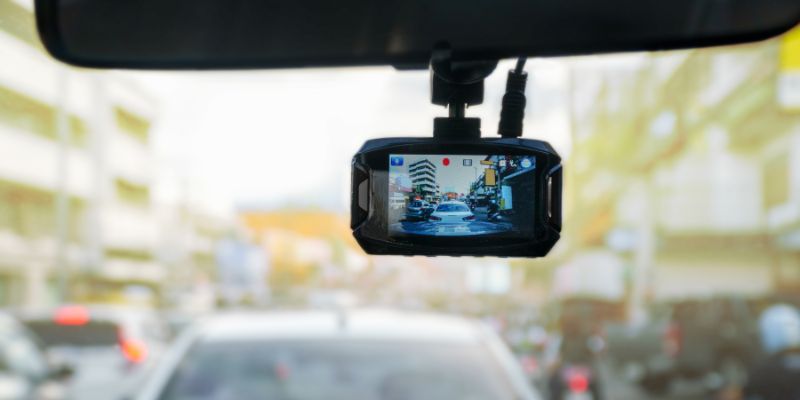
If your Toyota doesn’t have a backup camera, don’t worry! Aftermarket cameras are affordable. A decent one costs $50-$200 and can be installed in a few hours. Check sites like Camera Source for options. You can also save by:
- Buying a used Toyota from 2014 or later (cameras are standard).
- Choosing higher trims like XLE or Limited, which often had cameras earlier.
- Cleaning your camera regularly to avoid costly repairs.
Frequently Asked Questions
When Did Toyota First Use Backup Cameras?
Toyota first used backup cameras in 1991 on the Japan-only Toyota Soarer. They hit the U.S. in 2007 as optional features on models like the Camry and Prius.
Which Toyota Models Got Backup Cameras First?
The Camry and Prius got optional backup cameras in 2007. Higher trims like XLE or Limited often had them first before becoming standard.
When Did Backup Cameras Become Standard in Toyotas?
Toyota started making backup cameras standard in 2014 on models like the Camry. By 2018, all new U.S. cars, including Toyotas, required them.
Can I Add a Backup Camera to an Older Toyota?
Yes, aftermarket cameras cost $50-$200 and are easy to install. Check Camera Source or ask a mechanic to add one to your older Toyota.
Are Toyota Backup Cameras Reliable?
Toyota backup cameras are very reliable but can get blurry in rain or at night. Clean the lens regularly and use mirrors for backup.
Do All 2012 Toyotas Have Backup Cameras?
No, 2012 Toyotas like the Camry might not have cameras unless they’re higher trims. Check the vehicle’s features or add an aftermarket camera.
Why Are Backup Cameras Mandatory Now?
Backup cameras became mandatory in the U.S. in 2018 to prevent back-over accidents. They help drivers see blind spots, saving lives.
Conclusion
Backup cameras have made driving safer and easier, and Toyota led the way starting in 1991 with the Soarer. By 2007, U.S. models like the Camry and Prius had them, and by 2014, they were standard on many Toyotas. Whether you’re parking, towing, or keeping kids safe, these cameras are a game-changer. Try practicing with your Toyota’s camera in an open lot, or add one to an older model for a cheap upgrade. Share your backup camera stories in the comments—I’d love to hear them! For more car safety tips, check out NHTSA.gov, Toyota.com, or CarandDriver.com. Happy driving!