When Is Cotton Harvested In North Carolina: Essential Guide
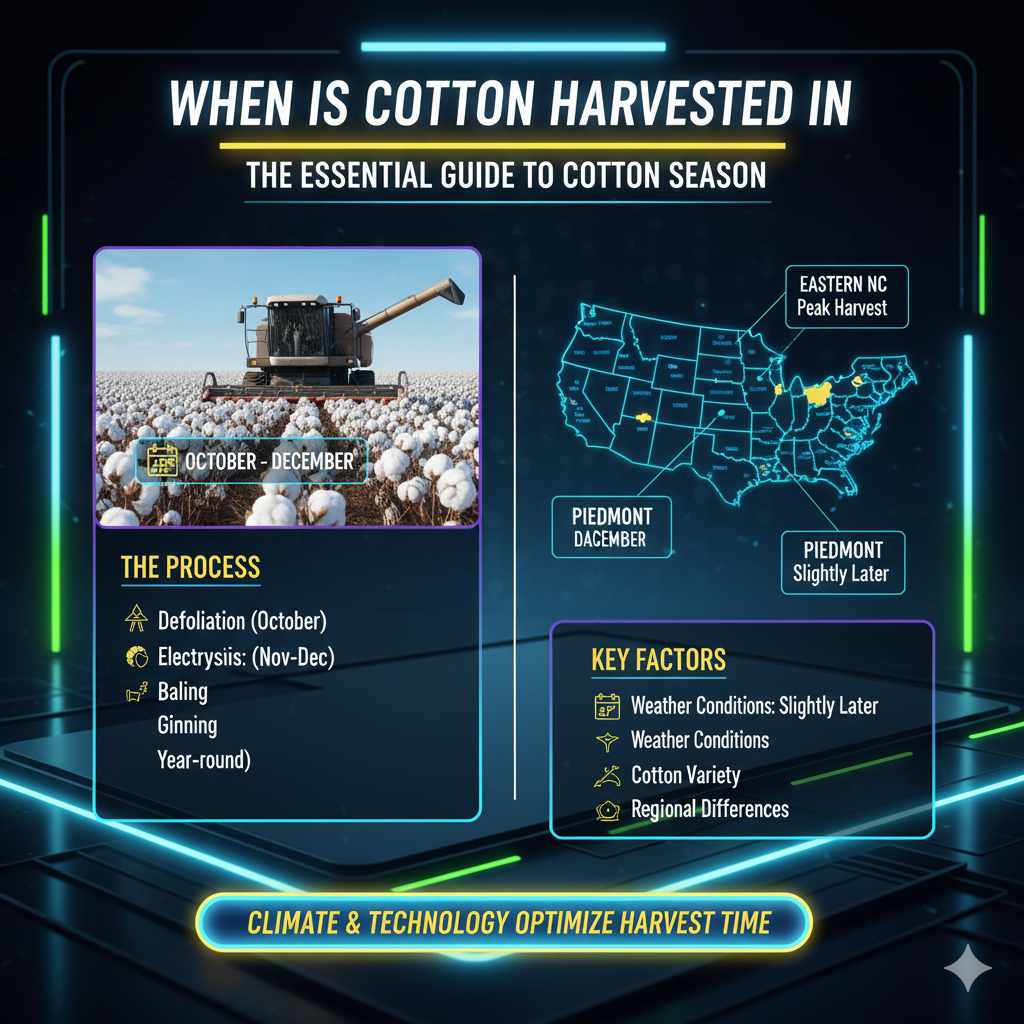
In North Carolina, cotton is typically harvested from late September through October and into early November. The exact timing depends on weather conditions and the specific development of the cotton crop, with mature bolls ready for picking once they have opened and dried properly.
Growing up in North Carolina, I’ve always been fascinated by the farms that dot our landscape. One of the most iconic crops here is cotton. Seeing those fluffy white fields is a sure sign of fall. But when exactly do farmers get to work picking all that cotton? It’s a question many of us wonder about as the seasons change. Don’t worry if you’re curious too; understanding the cotton harvest season is simpler than you might think. We’ll break down exactly when this important part of North Carolina’s agriculture happens, making it easy for anyone to follow along. Get ready to learn all about bringing in the harvest!
Understanding Cotton Harvest in North Carolina
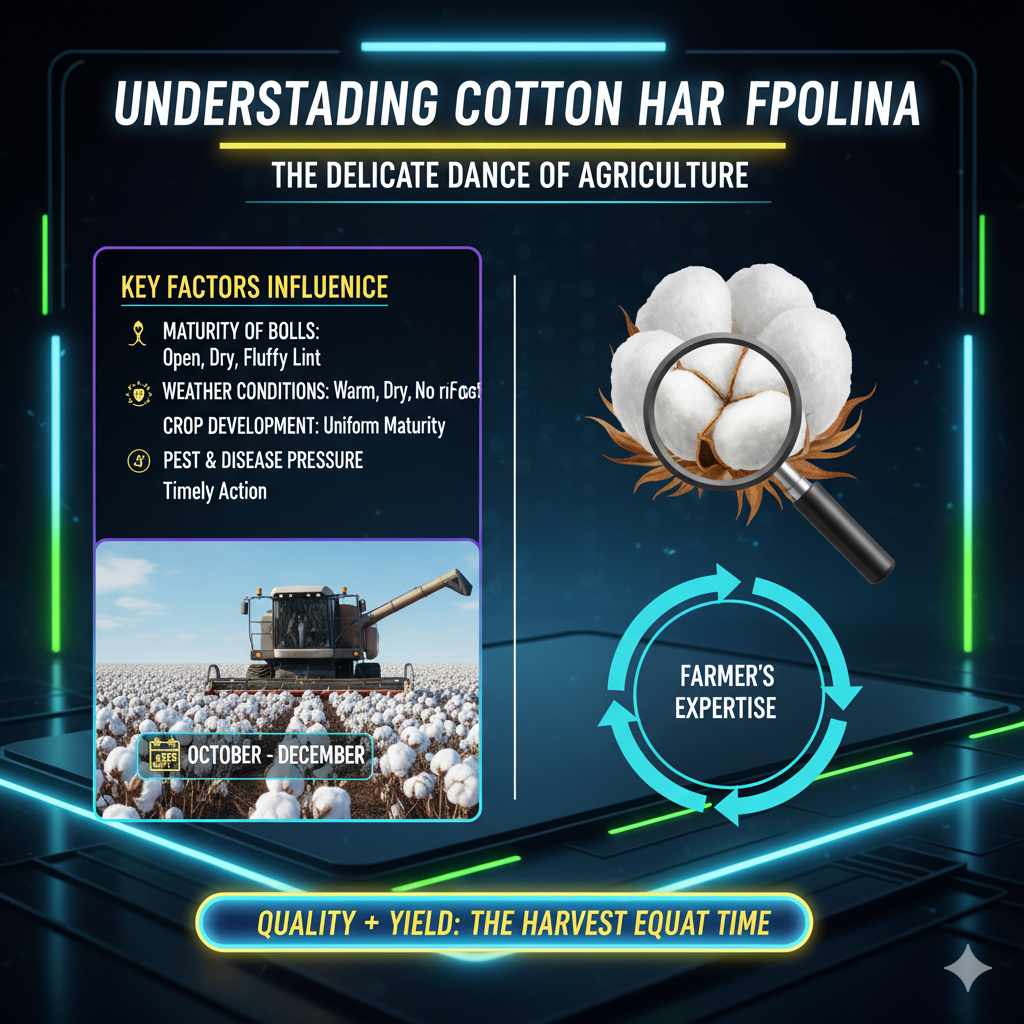
The timing of cotton harvest in North Carolina is a crucial factor for farmers. It directly impacts the quality and yield of the cotton produced. Several environmental and agricultural factors dictate when those fluffy white bolls are ready to be picked. It’s a delicate dance between nature’s schedule and the farmer’s expertise.
The Key Factors Influencing Harvest Time
Several elements work together to determine the perfect time for cotton harvest. Think of it like baking a cake – you need the right ingredients at the right time.
Maturity of Cotton Bolls: This is the most important factor. Cotton plants produce bolls, which are the pods holding the cotton fiber. These bolls need time to grow, open, and dry. Once the bolls have split open, revealing the white lint, they are considered mature and ready for harvest.
Weather Conditions: Warm, dry weather is ideal for cotton to mature and for harvesting. Rain during the harvest season can delay picking, increase the moisture content of the cotton, and potentially damage the fiber quality. Frost can also be a concern, as it can damage the unopened bolls.
Crop Development: Farmers monitor their fields closely. They look at how much of the crop has reached maturity and how much is still developing. A uniform crop that matures around the same time makes for a more efficient harvest.
Pest and Disease Pressure: Sometimes, the need to harvest quickly can be influenced by the threat of damaging pests or diseases that could ruin the crop if left in the field too long.
A Typical North Carolina Cotton Growing Season
To understand the harvest, it helps to know the whole season. Cotton is a warm-season crop.
Planting: Cotton seeds are typically planted in North Carolina from late April through May, once the soil temperature is warm enough.
Growth and Development: The plants grow throughout the summer, flowering and then developing the cotton bolls. This period requires plenty of sunshine and adequate rainfall, but not too much.
Defoliation (Optional but Common): As harvest approaches, many farmers will use a defoliant. This chemical causes the plant’s leaves to drop off. This makes mechanical harvesting much easier and cleaner, preventing leaf trash from getting mixed in with the cotton fiber. This process usually happens a few weeks before harvest.
Harvest: This is the main event, happening in the fall.
When Farmers Start Picking Cotton
The arrival of fall brings a familiar sight to many North Carolina landscapes: cotton fields ready for harvest. But pinpointing the exact start date isn’t a simple calendar flip. Farmers are skilled observers, watching the fields and the sky to make the best decision for their crop.
The General Harvest Window
As mentioned, the primary window for cotton harvest in North Carolina spans from late September through October. However, this window can extend into early November, especially if the weather has been uncooperative earlier in the season or if there’s a significant amount of crop left to pick.
Early September: While some of the earliest maturing cotton might be ready for initial picking, it’s not the peak of the harvest. Farmers often wait until a larger percentage of the crop is mature and dry for maximum efficiency.
Late September and October: This is when the majority of North Carolina’s cotton crop is typically harvested. The weather is usually cooler and drier, which is perfect for picking.
Early November: If the season has been delayed by weather (too much rain, for instance), farmers may find themselves harvesting into the first week or two of November.
What “Ready” Looks Like for Cotton Bolls
Farmers don’t just pick on a whim. They look for specific signs that the cotton is ready for the harvester.
Boll Opening: The most visible sign is when the cotton bolls have opened up, revealing the fluffy white lint inside.
Drying: The lint needs to be dry. High moisture content can lead to problems during storage and processing, and can even cause the cotton to rot. Farmers often check the moisture levels.
Weather Forecast: A clear, dry forecast is essential. Farmers will often wait for a few consecutive days of dry weather to allow any dew to evaporate and to ensure the harvested cotton isn’t too wet.
Factors That Can Shift the Harvest Timeline
Mother Nature doesn’t always stick to a predictable schedule, and this can significantly impact when cotton is harvested in North Carolina. Farmers are constantly adapting to these changes.
The Role of Weather: Friend and Foe
Weather is arguably the biggest influencer of the cotton harvest timeline. Warm, dry conditions are cotton’s best friend, encouraging maturity and facilitating harvest. However, unpredictable weather patterns can be a farmer’s biggest challenge.
- Drought: While too much rain is bad, a severe drought during the growing season can stunt boll development, meaning the cotton might not be ready as early as usual, or the yield could be lower.
- Rainfall during Harvest: This is where rain causes the most immediate problems. Wet cotton is difficult to harvest, can mold, and its fiber quality degrades. Prolonged wet spells can halt harvest operations for days or even weeks.
- Early Frost: A surprise early frost can damage any unopened cotton bolls, rendering them unusable. Farmers might rush to harvest before a predicted frost if the crop isn’t fully mature, but this can lead to lower quality.
- Hurricane Season: North Carolina is no stranger to hurricanes. These storms, which often hit in late summer and early fall, can bring torrential rain and high winds that damage the crop and delay harvest significantly.
Impact of Farming Practices
Beyond weather, specific farming techniques can also influence when harvest begins and how efficient it is.
Cotton Variety Selection: Different varieties of cotton have different maturity dates. Farmers might choose varieties that mature earlier in the season to spread out their harvest workload or to lower the risk of facing late-season adverse weather.
Planting Dates: When the crop is planted in the spring can affect its maturity date in the fall. Earlier planting generally means earlier maturity.
Irrigation: In areas where irrigation is used, farmers have more control over the moisture levels during the growing season, which can help ensure a more consistent crop maturity.
Use of Defoliants: As mentioned, defoliants are applied to help shed leaves before harvest. The timing of this application is critical. It needs to be applied when the bolls are mature enough, but not so early that it causes stress to any remaining developing bolls. This preparation is a key step leading directly to harvest.
The Cotton Harvest Process in North Carolina
Harvesting cotton is a major operation. It involves specialized machinery and careful planning to ensure the best possible outcome for the harvested fiber.
Modern Cotton Harvesting Equipment
Thanks to technology, harvesting cotton is now a highly mechanized process, vastly different from the hand-picking of generations past.
Cotton Pickers: These are the primary machines used for harvesting. They come in various sizes, from smaller, two-row pickers to massive, eighteen-row machines.
Stripper Harvesters: These machines essentially strip the entire boll (open and unopened) off the plant. They are more common in drier climates and can harvest more efficiently but may pick more plant material.
Spindle Pickers: These machines use revolving spindles to pull the lint from the open bolls, leaving the burr (the protective casing of the boll) on the plant. This is the more common type in North Carolina and generally yields cleaner cotton.
Cotton Modules: As the pickers harvest, they typically deposit the cotton into a large trailer pulled behind them or into a separate trailer designated for creating “modules.” A module is essentially a very large, compressed bale of seed cotton formed in the field using specialized equipment. These modules are then covered and stored temporarily before being transported to the gin.
Module Builders: These machines are used to compress the harvested seed cotton into large, uniform modules in the field. This is an efficient way to store and transport large quantities of cotton from the field to the cotton gin.
From Field to Gin: What Happens Next
Once the cotton is picked, its journey isn’t over – it heads to the cotton gin.
1. Transportation: The harvested seed cotton, either in trailers or as modules, is transported from the field to a cotton gin.
2. Cotton Ginning: This is a critical processing step. At the gin, the cotton fiber (lint) is separated from the cottonseed and any remaining plant material (like leaves, stems, or burrs).
The machines at the gin clean the lint. The lint is then compressed into large bales, typically weighing around 500 pounds.
The cottonseed is also valuable and can be used for oil production or as animal feed.
3. Baling and Marketing: The cleaned lint is baled and then sent to textile mills to be spun into yarn and eventually made into fabric.
How to Know When Cotton is Being Harvested Near You
Observing the agricultural rhythm of your local area can be a rewarding experience. If you’re curious about when cotton harvest is happening in your North Carolina community, here are a few ways to tell:
The Look of the Fields: The most obvious sign is when you see the once fluffy white fields begin to be harvested. You’ll see large machinery in action, and the fields will transition from their cottony appearance to what looks more like stubble.
Truck Traffic: Expect to see more large trucks on rural roads, especially those transporting cotton from fields to gins.
Listen to Local News and Agriculture Reports: Local agricultural publications, radio stations, and university extension offices often provide updates on the progress of harvests. For example, the North Carolina State University (NCSU) Extension Cotton Information Network is an excellent resource for farmers and the public alike. They often provide weekly crop progress reports.
Talk to Farmers or Locals: If you have neighbors who farm or you enjoy chatting with people in rural areas, they can often provide firsthand accounts of when harvest is underway.
Preparing Your Car for Fall Driving
While you’re observing the agricultural cycle, it’s also a great time to ensure your own vehicle is ready for the fall driving season. Cooler temperatures and changing road conditions require a little extra attention.
Essential Fall Car Checks
Think of these as your vehicle’s “fall coat” preparation.
Tires: Check tire pressure regularly, as it can drop with cooler temperatures. Also, inspect tread depth. Are they good for potentially slicker roads? The (National Highway Traffic Safety Administration (NHTSA) offers great advice on tire safety.
Wiper Blades: Replace worn wiper blades. You’ll need clear visibility for rain, mist, and morning dew.
Lights: Ensure all your lights are working – headlights, taillights, brake lights, and turn signals. Shorter days mean you’ll be driving in the dark or twilight more often.
Battery: Cold weather can be tough on car batteries. Have it tested to ensure it’s in good condition.
Coolant/Antifreeze: Make sure your coolant is at the proper level and is the correct type for colder temperatures to prevent freezing.
Driving Safety Tips for Fall
Be Aware of Wildlife: Deer and other animals are more active during dawn and dusk, which you’ll be encountering more during fall commutes.
Watch for Wet Leaves: Fallen leaves can be beautiful, but they can also make roads slippery, especially when wet.
Watch for Sun Glare: The lower angle of the sun in the fall can create intense glare, particularly in the mornings and late afternoons. Keep a pair of sunglasses handy.

Frequently Asked Questions About North Carolina Cotton Harvest
Q1: When does cotton planting typically happen in North Carolina?
Cotton planting in North Carolina usually occurs from late April through May, once the soil has warmed sufficiently and the last threat of frost has passed.
Q2: How do farmers know if their cotton is ready to be harvested?
Farmers check if the cotton bolls have opened and the lint inside is dry. They also monitor the overall maturity of the crop and consider weather forecasts. Moisture meters are often used to check the moisture content of the seed cotton.
Q3: Can cotton be harvested during rainy weather?
Ideally, no. Rainy weather significantly delays harvest and can damage the quality of the cotton fiber if it gets too wet. Farmers wait for dry conditions to resume harvesting.
Q4: What is defoliation in cotton farming, and when does it occur?
Defoliation is a process where farmers apply chemicals to make the cotton plant’s leaves drop off before harvest. This typically happens a few weeks before the planned harvest, making mechanical picking much easier and cleaner.
Q5: What happens to the cotton after it’s harvested?
After harvesting, the seed cotton is transported to a cotton gin. There, the lint is separated from the cottonseed and cleaned. The lint is then compressed into large bales, ready to be sold to textile mills.
Q6: Are there different types of cotton harvesters?
Yes, there are two main types: spindle pickers, which pull lint from open bolls, and stripper harvesters, which strip the entire boll from the plant. Spindle pickers are more common in areas like North Carolina for cleaner lint.
Q7: What is a cotton module?
A cotton module is a large, compressed bale of seed cotton formed in the field using specialized equipment. Modules serve as a temporary storage and transportation method before the seed cotton is taken to the gin.
Conclusion
The cotton harvest in North Carolina is a vital part of our agricultural heritage, painting the fields with white in the autumn months. While the peak season generally runs from late September through October, the exact timing is a dynamic process, heavily influenced by the whims of weather and the readiness of the crop. Farmers meticulously watch their fields, waiting for the perfect moment when the bolls are open and dry, and the weather forecast promises clear skies for efficient picking.
This crucial period not only brings in the season’s yield but also sets the stage for the processing that follows at the local cotton gin. By understanding the factors that influence this harvest – from boll maturity to rainfall – we gain a deeper appreciation for the hard work and expertise that goes into bringing this essential crop from the field to our everyday lives. So, next time you see those white-dusted fields, you’ll have a better idea of when that cotton is making its journey from plant to bale.