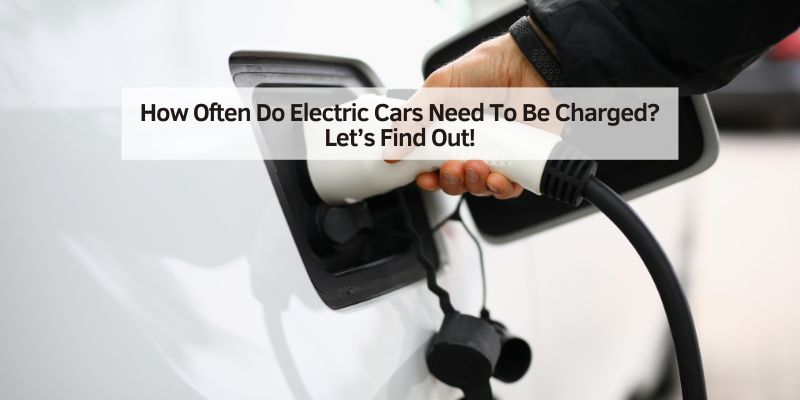
How Often Do Electric Cars Need to Be Charged? Model Comparison
Most EVs need charging every 5-8 days for a typical 30-40 mile daily commute, not daily — the exact interval depends on battery size and range. A Chevy Bolt (262 miles) needs a plug-in about every 6-7 days; a Tesla Model Y (up to 357 miles) can stretch past 8. Charging to 80% instead of 100% protects long-term battery health. This guide covers charging frequency by model, charger types, and real cost comparisons.
My first time driving an electric car was a total adventure — I borrowed a friend’s Tesla for a weekend trip and worried I’d be hunting for a charger every few hours. It was far easier than expected. Unlike gas vehicles, Tesla models are fully electric — see does Tesla make gas cars for their complete lineup.
What Does “How Often Do Electric Cars Need To Be Charged” Mean?
Electric cars run on batteries, not gas. How often do electric cars need to be charged depends on the battery size, how far you drive, and how you charge. It’s like asking, “How often do I fill up my gas tank?” It varies. Bigger batteries last longer, but daily habits—like city driving or highway trips—change how often you plug in. Knowing this helps you plan trips and save money.
Why Charging Frequency Matters
Charging isn’t just about plugging in. It affects your schedule, wallet, and battery health. If you charge smart, you can avoid range anxiety—that nervous feeling of running low on juice. I learned this the hard way when I almost ran out of power on a rural road! Let’s explore what impacts charging needs.
What Affects How Often You Charge Your Electric Car?
Several things decide how often you need to charge your EV. Here’s a simple breakdown:
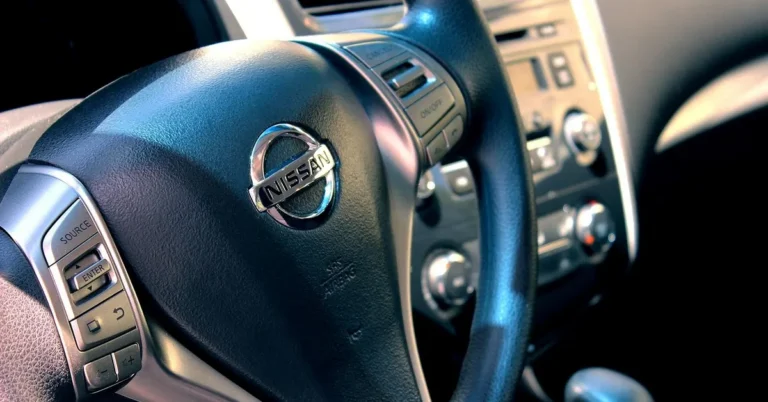
- Battery Size: Bigger batteries (like in a Tesla Model S) hold more power, so you charge less often. Smaller ones (like in a Nissan Leaf) need more frequent charging.
- Driving Habits: City driving with lots of stops saves energy. Highway driving eats power faster.
- Weather: Cold weather can cut your range by 20-30%. Hot weather is kinder but still matters.
- Extras: Using AC, heat, or blasting music drains the battery a bit more.
Real-World Example: My Daily Commute
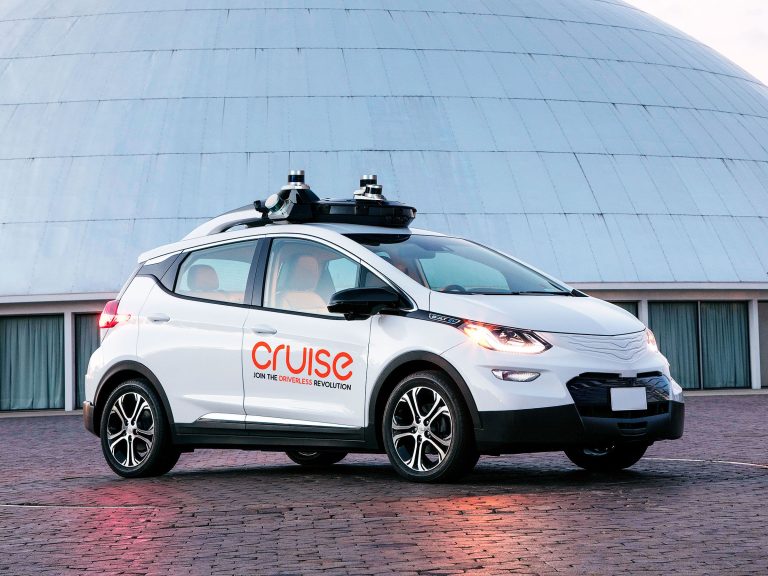
I drive 30 miles to work and back in my Chevy Bolt. Its battery gives me about 250 miles of range. I charge it once every 5-6 days at home. On weekends, if I take a 100-mile road trip, I might need a quick top-up at a fast charger. It’s no sweat once you get the hang of it!
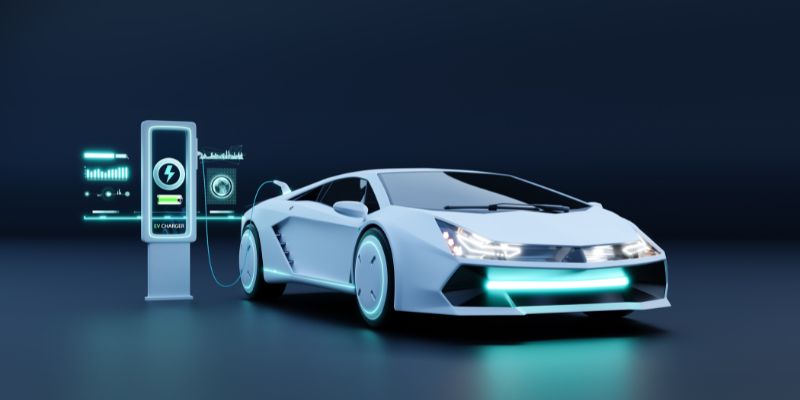
How Often Do Popular EVs Need Charging? (2026 Model Comparison)
For a typical 40-mile daily driver, charging frequency ranges from about every 6.5 days to over 8 days depending on the model’s EPA range. Here’s how today’s popular EVs compare, based on current EPA-estimated range figures:
| Model | EPA Range | Charge Every (~40 mi/day) |
|---|---|---|
| Chevy Bolt EV | 262 miles | ~6.5 days |
| Nissan Leaf | up to 303 miles | ~7.5 days |
| Ford Mustang Mach-E | up to 320 miles | ~8 days |
| Tesla Model Y | up to 357 miles | ~8.9 days |
Longer highway trips, cold weather, or a heavier right foot will shorten these intervals — treat them as a starting estimate, not a guarantee.
📊 The average American drives just 19.9 miles a day, and a single hour of Level 2 charging typically restores more range than that. — Source: U.S. Department of Energy, FOTW #1355
Types of EV Charging: A Simple Guide
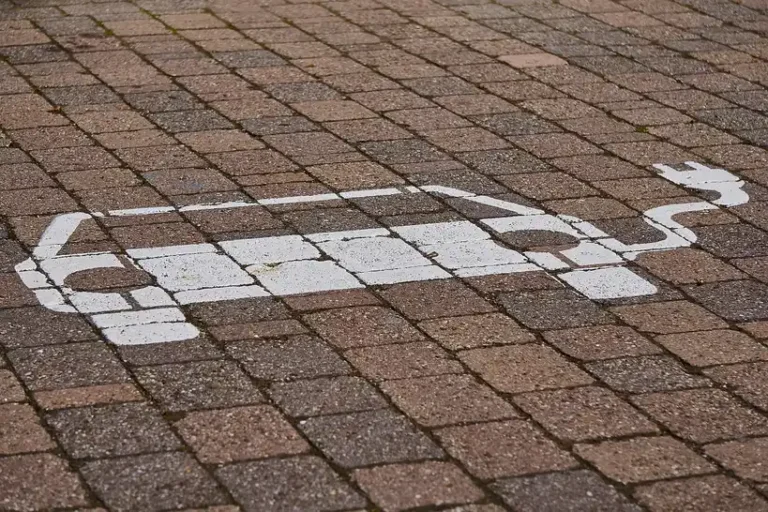
Charging an electric car is like charging your phone, but with a few options. Here are the main types:
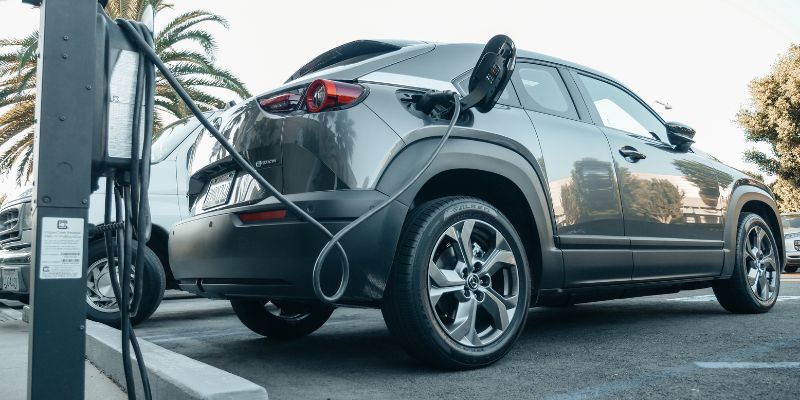
- Level 1 Charging (Slow): Uses a regular 120-volt outlet. It’s super slow (4-5 miles of range per hour) but great for overnight charging at home.
- Level 2 Charging (Medium): Needs a 240-volt outlet, like for a dryer. It adds 25-30 miles of range per hour. Most home chargers are Level 2.
- DC Fast Charging (Quick): Found at public stations, it can charge to 80% in 20-30 minutes. Perfect for road trips but pricier.
Comparison Table: EV Charger Types
Here’s a quick table to compare charging options:
| Charger Type | Speed (Miles/Hour) | Best For | Cost |
|---|---|---|---|
| Level 1 | 4-5 miles | Home (overnight) | Free (uses home outlet) |
| Level 2 | 25-30 miles | Home or public | $500-$1000 (home setup) |
| DC Fast Charging | 100-200 miles (in 30 min) | Road trips | $0.30-$0.50/kWh |
Best Level 2 Home Charger Pick
ChargePoint HomeFlex Level 2 EV Charger
A WiFi-connected Level 2 charger that adds 25-30 miles of range per hour, cutting a full charge from 20+ hours down to overnight.
- Best for: Daily drivers who want overnight charging at home
- Why we picked it: Same ChargePoint app already mentioned in this guide’s tips
- Main drawback: Needs a 240V outlet or professional hardwire install
Compare more Level 2 chargers
 Option 1 Lectron Level 2 EV Charger 40 Amp Portable
|
 Option 2 EVIQO Level 2 EV Charger 40A Wall Station
|
 Option 3 EVDANCE Level 2 EV Charger 32Amp Portable
|
As an Amazon Associate we earn from qualifying purchases.
How Often Do You Really Need to Charge?
For most people, charging an EV is a weekly task. If you drive 30-40 miles a day (the average in the USA), a car with a 200-300 mile range needs charging every 5-7 days. Longer trips or smaller batteries mean more frequent charging. My Bolt’s 250-mile range lets me charge once a week for my commute. For road trips, I plan stops at fast chargers every 150-200 miles.
A Simple Charging Routine
Here’s how I keep my EV charged without stress:
- Plug in at night: I use a Level 2 charger at home. It’s like charging my phone while I sleep.
- Top up on long drives: I use apps like PlugShare to find fast chargers on road trips.
- Avoid 100% charging: Charging to 80% saves time and keeps the battery healthy.
Benefits and Drawbacks of EV Charging
Charging an EV has ups and downs. Let’s break it down:
Benefits
- Save Money: Home charging costs about $0.04-$0.06 per mile, way less than gas.
- Convenience: Plug in at home—no gas station trips!
- Eco-Friendly: EVs cut emissions, helping the planet.
Drawbacks
- Time: Level 1 charging is slow, taking 20-50 hours for a full charge.
- Charger Access: Rural areas may have fewer fast chargers.
- Upfront Costs: Installing a Level 2 charger can cost $500-$1000.
Cost Comparison Table: EV vs. Gas
Here’s how charging stacks up against filling a gas tank:
| Vehicle Type | Cost per Mile | Weekly Cost (200 miles) | Annual Cost (10,000 miles) |
|---|---|---|---|
| Electric (Home Charging) | $0.05 | $10 | $500 |
| Gas (Average Car) | $0.15 | $30 | $1500 |
This table compares EV and gas car costs, showing EV savings over time.
My Top Tips for Stress-Free EV Charging
After a year of driving my Bolt, I’ve learned a few tricks. Here are my favorites:
- Get a Level 2 Charger: It’s a game-changer for home charging. I got mine for $600, and it pays off in convenience.
- Use Charging Apps: Apps like ChargePoint or PlugShare show nearby stations and save time.
- Avoid Peak Hours: Public chargers are cheaper and less crowded early in the morning.
- Check Your Range Daily: Most EVs show range on the dashboard. Plan your week around it!
Common Mistakes to Avoid
- Charging to 100% Every Time: It’s bad for battery life. Stick to 80% for daily use.
- Ignoring Weather: Cold days cut range, so plan extra charging in winter.
- Skipping Apps: Don’t guess where chargers are—use apps to find them fast.
Should You Charge Your EV Every Night?
Charging every night depends on your driving. If you drive less than 50 miles a day, you don’t need to plug in daily. I charge my Bolt every few days to keep the battery at 50-80%. Charging every night is fine for convenience, but don’t let it hit 100% too often—it can wear out the battery faster.
Why the 80% Rule Rocks
Charging to 80% is a golden rule for EVs. It’s faster (past 80%, charging slows way down) and better for battery health. Stick to 80% for daily driving, and save 100% for long trips.
“My friend ignored the 80% rule and charged to 100% daily — his battery lost 10% capacity in two years. I’ve stuck to 80% for daily driving ever since, and my Bolt’s battery has held up noticeably better.”
— From the author’s own EV ownership experience
Frequently Asked Questions
How Often Should I Charge My Electric Car?
Most drivers charge every 5-7 days for daily commutes of 30-40 miles. Cars with 200-300 mile ranges need weekly charging at home. For longer trips, use fast chargers every 150-200 miles. Check your car’s range display to plan.
Can I Charge My EV Every Night?
Yes, but it’s not always needed. For short drives, charge every few days to 80%. Nightly charging is fine for convenience, but avoid 100% to protect battery life. Use a Level 2 charger for speed.
How Long Does It Take to Charge an Electric Car?
It depends on the charger. Level 1 takes 20-50 hours, Level 2 takes 4-8 hours, and DC fast chargers take 20-30 minutes to reach 80%. Home charging overnight is easiest.
Does Weather Affect EV Charging Needs?
Yes, cold weather cuts range by 20-30%. You’ll charge more often in winter. Hot weather has a smaller impact. Plan extra charging stops in cold climates for road trips.
How Much Does It Cost to Charge an EV?
Home charging costs about $0.05 per mile. For 200 miles a week, that’s $10. Public fast chargers cost $0.30-$0.50 per kWh, or $10-20 per session. Gas is pricier at $0.15 per mile.
Can I Use a Regular Outlet to Charge My EV?
Yes, with a Level 1 charger. It’s slow (4-5 miles per hour), but fine for overnight charging if you drive short distances. Most EV owners upgrade to Level 2 for speed.
What Apps Help Find EV Chargers?
PlugShare and ChargePoint are awesome. They show nearby chargers, their types, and costs. I use PlugShare to plan road trips and avoid getting stranded.
How Often Does a Tesla Need to Be Charged?
A Tesla Model Y (up to 357 miles EPA range) needs charging roughly every 8-9 days for a 40-mile daily driver. Superchargers add about 180 miles of range in 15 minutes, making road trips easy despite the longer between-charge interval.
Conclusion
Charging an electric car is easier than it seems. For most folks, it’s a weekly task at home, with fast chargers for road trips. Stick to the 80% rule, use apps to find stations, and get a Level 2 charger for convenience.
Sources: For more EV info, check out Energy.gov, Edmunds, and ChargePoint.
Products related to this article
Sponsored / affiliate links. As an Amazon Associate I earn from qualifying purchases. I may earn additional commission from eligible campaigns.