Where to Get Car Seat Installed: Essential Guide
Where to get your car seat installed? Certified technicians at local fire stations, police departments, hospitals, and auto clubs offer professional installation checks to ensure your child’s safety.
Keeping your little ones safe in the car is a top priority for any parent. But correctly installing a car seat can feel like a confusing puzzle. Did you tighten it enough? Is it at the right angle? These are common worries, and it’s completely understandable! The good news is you don’t have to figure it all out alone. There are experts ready to help you get it right. This guide will walk you through the best places to get professional car seat installation assistance, making sure your child is as safe as possible on every drive.
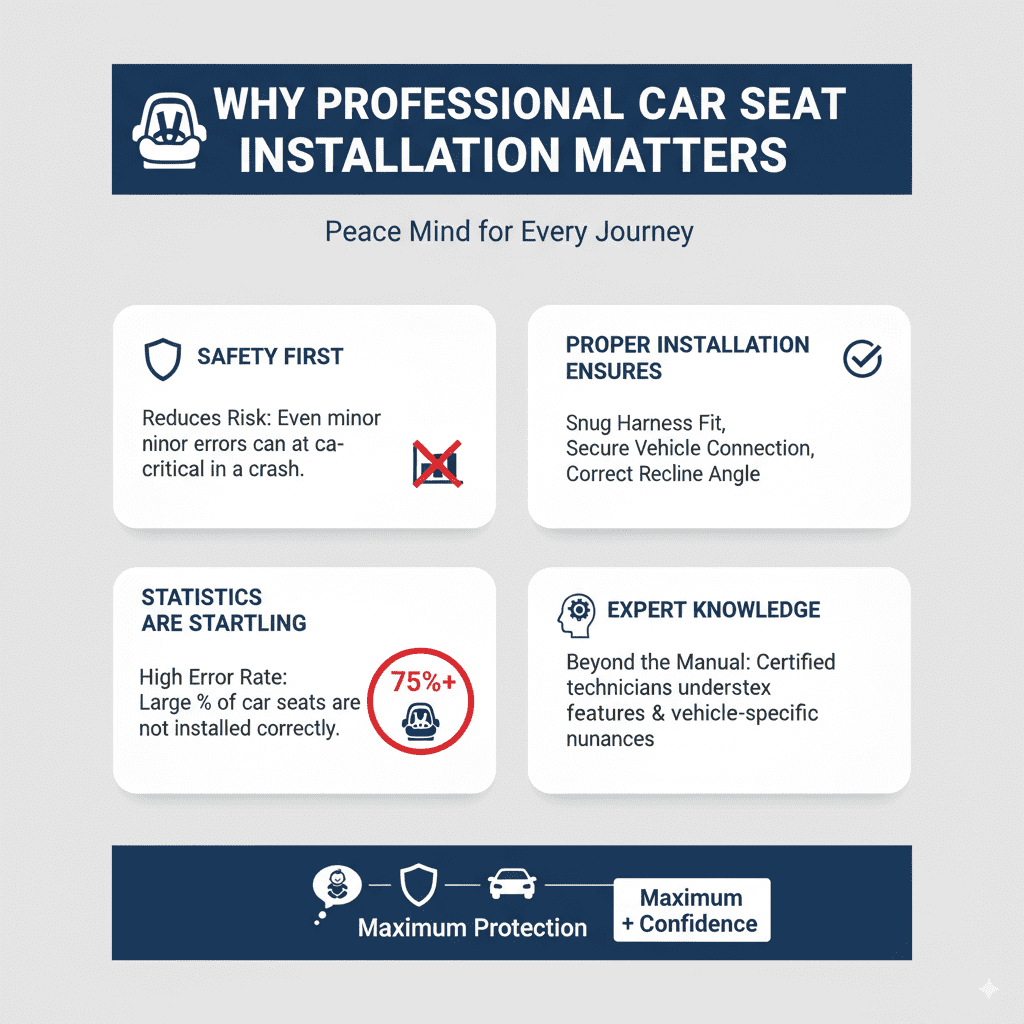
Why Professional Car Seat Installation Matters
Car seats are designed with your child’s safety in mind, but their effectiveness hinges on correct installation. Even a small error, like a seat that’s too loose or at the wrong angle, can significantly reduce its ability to protect your child in a crash. Studies show that a large percentage of car seats are not installed correctly, which is a startling statistic for parents.
A properly installed car seat ensures that the harness fits snugly, the seat is secure in the vehicle, and it’s at the correct recline angle for your child’s age and weight. This can make a world of difference in an accident. It’s not just about following the manual; it’s about ensuring the complex safety features of the car seat work as intended within the specific confines of your vehicle.
Where to Find Certified Car Seat Technicians
Finding someone trained to correctly install car seats is crucial. These professionals, often called Child Passenger Safety Technicians (CPSTs), undergo rigorous training to understand the ins and outs of car seat installation for a wide variety of car seats and vehicles. Here are the most reliable places to find them:
1. Local Fire Departments and Police Stations
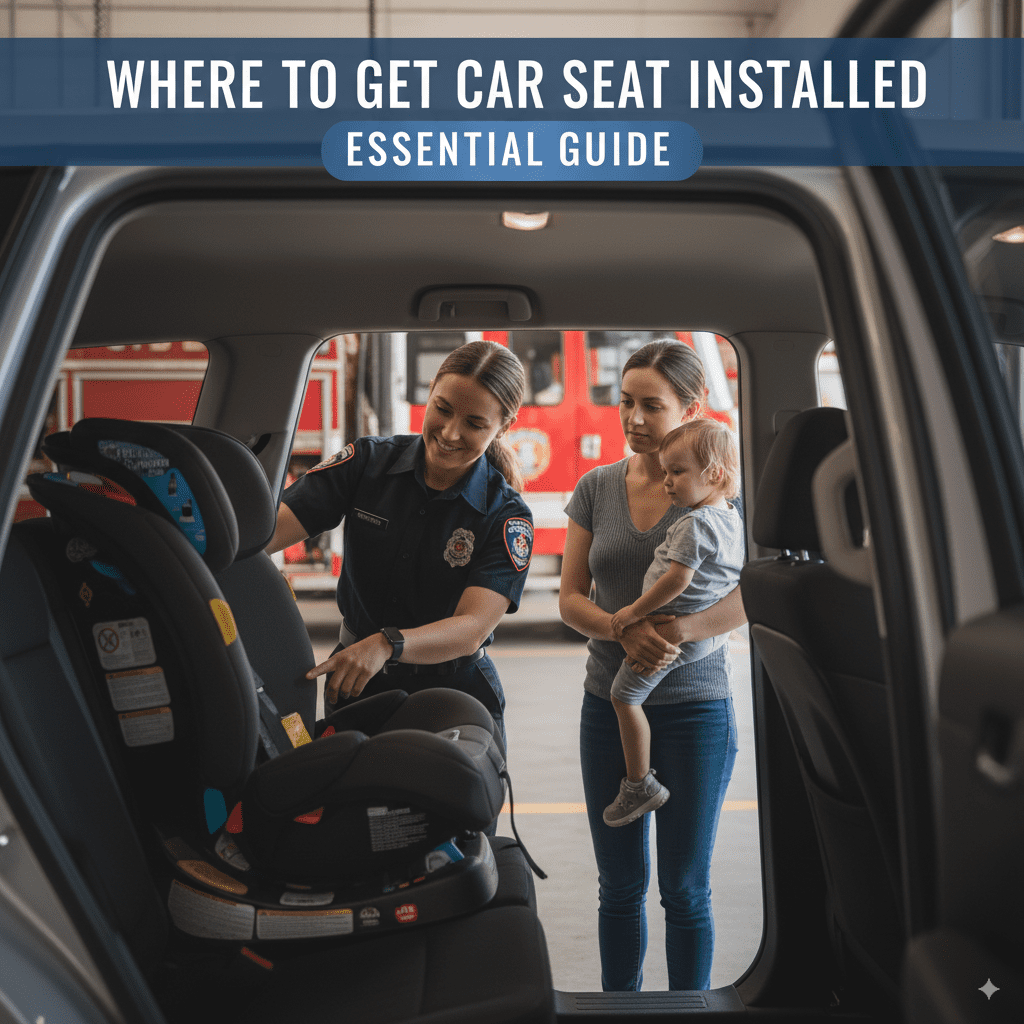
Many fire and police stations offer free car seat checks and installation assistance. This is often one of the most accessible and well-known resources for parents. The technicians at these locations are usually certified CPSTs.
- How it works: Call your local station to inquire about their car seat safety programs. Some offer scheduled appointments, while others have walk-in hours or specific events.
- What to expect: A technician will inspect your current installation, teach you how to install it correctly, or install it for you if time and resources allow. They will also ensure the seat is appropriate for your child and vehicle.
- Best for: Parents who want a convenient and often free service.
It’s always a good idea to confirm their availability and any specific requirements they might have. You can find a list of participating agencies through national safety organizations.
2. Hospitals and Health Departments
Hospitals, particularly those with maternity or pediatric departments, often have certified car seat technicians on staff or can connect you with local resources. Public health departments also frequently run child safety programs.
- How it works: Contact the hospital’s maternity ward, pediatric clinic, or your local health department. Ask about car seat safety checks or classes.
- What to expect: Similar to fire and police stations, you’ll likely receive an education-based intervention where a technician teaches you the correct installation process for your specific car seat and vehicle.
- Best for: New parents who are already engaged with healthcare providers or those looking for expert advice within a medical setting.
These services can be particularly helpful right after bringing a new baby home from the hospital, as many hospitals require (and provide) instruction on car seat safety before discharge.
3. Certified Car Seat Inspection Stations
The National Highway Traffic Safety Administration (NHTSA) maintains a database of certified car seat inspection stations. These are dedicated locations or recurring events designed specifically for car seat checks and installations.
NHTSA’s website provides a search tool to find inspection stations near you. Inputting your zip code will show you the closest options, often including contact information and operating hours.
- How it works: Use the NHTSA tool or a similar resource like Safe Kids Worldwide to find a station. Schedule an appointment if required.
- What to expect: Technicians will guide you through the installation process for your car seat and vehicle, ensuring a secure and correct fit. They focus on empowering you with the knowledge to do it yourself correctly in the future.
- Best for: Parents seeking reliable, certified assistance and wanting to find dedicated car seat safety resources.
4. Automotive Clubs and Organizations
Some automobile clubs, like AAA, may offer car seat inspection services or workshops. These organizations are committed to road safety and often extend this to child passenger safety.
- How it works: Check with your local AAA branch or other auto clubs to see if they offer such services. Membership might be required for some benefits.
- What to expect: Hands-on assistance and educational guidance from trained professionals.
- Best for: Members of auto clubs who can leverage this benefit.
5. Pediatrician Offices and Healthcare Providers
While not all pediatricians have a CPST on staff, many are knowledgeable about car seat safety and can provide basic guidance or referrals to certified technicians in your area. They understand the importance of correct installation for infant safety.
- How it works: Inquire during your child’s next check-up. Your pediatrician can offer advice or direct you to local resources.
- What to expect: General safety tips and potentially a recommendation for a formal car seat check.
- Best for: Parents who want to combine car seat advice with regular well-child visits.
What to Bring for Your Car Seat Installation Appointment
To make the most of your car seat installation appointment, be prepared. Having everything ready will ensure a smooth and efficient session with the technician. Here’s what you should bring:
- Your Car Seat: Bring the car seat you are using, with all its parts, including any infant inserts.
- Your Vehicle Owner’s Manual: This is crucial! It contains vital information about your car’s seat belt system, LATCH system (if applicable), and specific recommendations for installing car seats.
- Car Seat Instruction Manual: Don’t forget the manual for your car seat. It details how to use and install your specific model.
- The Child Who Will Use the Seat: The technician may want to see how the child fits in the seat once it’s installed, especially for older children or if you are having trouble with the harness fit.
- Any Accessories: If you use after-market accessories (like head supports or strap covers), bring them. However, be aware that many accessories are not crash-tested and may not be recommended by manufacturers.
The Car Seat Installation Process: What to Expect
A car seat inspection is more than just a quick look. It’s an educational opportunity designed to empower you. Here’s a typical breakdown of what happens during an appointment:
1. Initial Discussion and Assessment
The technician will start by asking you questions about your child, their age, weight, and height, as well as your vehicle and the car seat you are using. They will want to understand your concerns and any struggles you’ve had with installation.
2. Manufacturer’s Instructions Review
The technician will refer to both your car seat manual and your vehicle’s owner’s manual. This is critical because correct installation depends on understanding the specific requirements of both.
3. Inspection of the Car Seat
They will check the car seat itself for any damage, ensure all parts are present, and confirm it’s appropriate for your child’s current stage (infant, convertible, booster).
4. Vehicle Seat Check
The technician will examine the vehicle seat where the car seat will be installed, noting the type of seat belt system (locking clips, built-in lock-offs) and the presence of LATCH anchors.
5. Installation Demonstration and Practice
This is the core of the service. The technician will demonstrate how to install the car seat using either the vehicle’s seat belt or the LATCH system. Often, they will have you practice the installation yourself while they guide you, offering feedback and corrections.
6. Checking for Secure Fit
Once installed, the technician will test the seat’s tightness. A secure installation means the seat should not move more than one inch side-to-side or front-to-back at the belt path.
7. Checking the Recline Angle
For rear-facing infant and convertible seats, the recline angle is critical for maintaining an open airway for the baby. Technicians use an angle finder to ensure the seat is at the correct angle, often indicated by a line or bubble on the seat itself.
8. Harness Fit Check
The technician will ensure the harness is properly tightened. For rear-facing seats, the straps should be at or below the child’s shoulders, and you should not be able to pinch any slack at the collarbone. For forward-facing seats, straps should be at or above the child’s shoulders, and similarly, you shouldn’t be able to pinch slack.
9. Education and Wrap-up
Before you leave, the technician will review all the safety checks with you, answer any remaining questions, and provide tips for when your child grows or when you switch car seats. They want you to feel confident in your ability to maintain a safe installation.
Understanding LATCH vs. Seat Belt Installation
Most modern vehicles and car seats are equipped with the Lower Anchors and Tethers for Children (LATCH) system. This can be an alternative to using the vehicle’s seat belt to install a car seat. Technicians will explain which method is best for your situation.
LATCH System:
- How it works: It uses a system of lower anchors in the vehicle’s seat bight (where the seat back meets the seat cushion) and a strap with connectors on the car seat. A top tether anchor is used for forward-facing seats.
- Pros: Often simpler and quicker to install than seat belts. Can be easier to achieve a correct installation consistently.
- Cons: LATCH systems have weight limits. Once the combined weight of the child and the car seat exceeds a certain limit (specified in your vehicle and car seat manuals), you must switch to using the vehicle’s seat belt for installation.
Vehicle Seat Belt System:
- How it works: Uses the vehicle’s regular seat belt to secure the car seat. Many car seats have built-in lock-off devices to help secure the seat belt tightly.
- Pros: No weight limit, meaning it can be used for the lifetime of the car seat. Available in all vehicles.
- Cons: Can sometimes be trickier to get a tight, correct installation compared to LATCH. May require a locking clip if the vehicle’s seat belt doesn’t have a built-in locking mechanism.
A technician will help you determine the correct method and ensure it’s installed tightly and correctly according to both the car seat and vehicle manufacturer’s instructions.
When to Get a Car Seat Checked
It’s not a one-time check! Several situations warrant a visit to a car seat technician:
- After purchasing a new car seat: Especially if you are a new parent or struggle with its installation.
- When switching car seats: Different seats have different installation requirements.
- When moving the car seat to a different vehicle: Vehicles have different seat shapes, angles, and belt systems.
- After an automobile accident: Even a minor collision can compromise a car seat’s structural integrity, though it may not be visibly damaged. NHTSA recommends having a car seat inspected or replaced after any crash. Learn more here from NHTSA about car seat checks.
- When your child reaches a new stage: Transitioning from rear-facing to forward-facing, or from a harnessed seat to a booster, requires different installation and fit considerations.
- If you are unsure: If you have any doubts about the tightness, angle, or harness fit, get it checked!
Cost of Professional Car Seat Installation
The great news for budget-conscious parents is that most professional car seat checks and installations offered by public services are completely free.
The services provided by fire departments, police stations, health departments, and NHTSA-certified inspection stations are typically funded by grants, donations, or municipal budgets. These organizations prioritize child safety and want to remove cost as a barrier.
Some private pediatricians’ offices, hospitals, or independent car seat safety consultants might charge a fee, especially if it’s part of a comprehensive class or a specialized service. However, for standard checks and installations, free resources are widely available.
Here’s a quick look at the typical cost:
| Service Provider Type | Typical Cost | Notes |
|---|---|---|
| Fire Departments | Free | Often by appointment or during community events. |
| Police Departments | Free | Availability varies; check with your local precinct. |
| Hospitals/Health Departments | Free | May require scheduling through maternity/pediatric services. |
| NHTSA Inspection Stations (Non-profit) | Free | Utilizes trained volunteers and grant funding. |
| Automotive Clubs (e.g., AAA) | Free for members (sometimes) | Check your club’s specific benefits. |
| Private Consultants/Classes | $50 – $200+ | More in-depth classes or personalized services. |
Always err on the side of checking with free, certified resources first. You can usually get expert help without spending a dime.
Frequently Asked Questions (FAQ)
Q1: Do I need to make an appointment to get my car seat installed?
A1: It’s highly recommended. Many car seat inspection stations, fire departments, and police stations operate by appointment only to ensure a technician is available and can dedicate sufficient time to your needs. Some may offer walk-in hours or special events, so it’s best to call ahead.
Q2: How long does a car seat installation check take?
A2: A typical car seat check and installation session can take anywhere from 30 minutes to an hour, or sometimes longer. This time allows the technician to thoroughly inspect your equipment, educate you on proper installation techniques, and ensure a secure fit.
Q3: My car has LATCH. Should I always use it instead of the seat belt?
A3: Not necessarily. While LATCH can be convenient, both LATCH and the seat belt are equally safe when installed correctly. Your vehicle and car seat manuals will have weight limits for LATCH. Once the child and car seat exceed this weight limit, you must use the vehicle’s seat belt for installation.
Q4: Can I install a car seat myself using the manual?
A4: You absolutely can, and the manuals are designed to guide you. However, studies consistently show that a significant number of parents install their car seats incorrectly. Getting a professional check ensures peace of mind that it’s done right and you’ve learned the correct technique.
Q5: What if my car seat is expired or has been in an accident?
A5: Expired car seats should not be used, as their materials can degrade over time, reducing their effectiveness. Similarly, car seats involved in a crash, even a minor one, should typically be replaced. A CPST can help you identify these issues and advise on replacement.
Q6: Can a car seat technician install the seat for me, or will they just teach me?
A6: Most certified technicians provide education-based services. This means they will often have you perform the installation yourself under their guidance, so you learn how to do it. However, depending on the program and the technician’s discretion, they might complete the installation if it’s deemed necessary or time permits. The main goal is for you to gain the knowledge and confidence to install it correctly every time.
Conclusion
Ensuring your child is safely secured for every journey is one of the most important responsibilities of being a parent. While car seat manuals provide instructions, the complexity of different car seats and vehicle interiors can make achieving a perfect installation feel daunting. Fortunately, you don’t have to navigate this alone. Leveraging the expertise of certified Child Passenger Safety Technicians is a smart, proactive step for any parent.