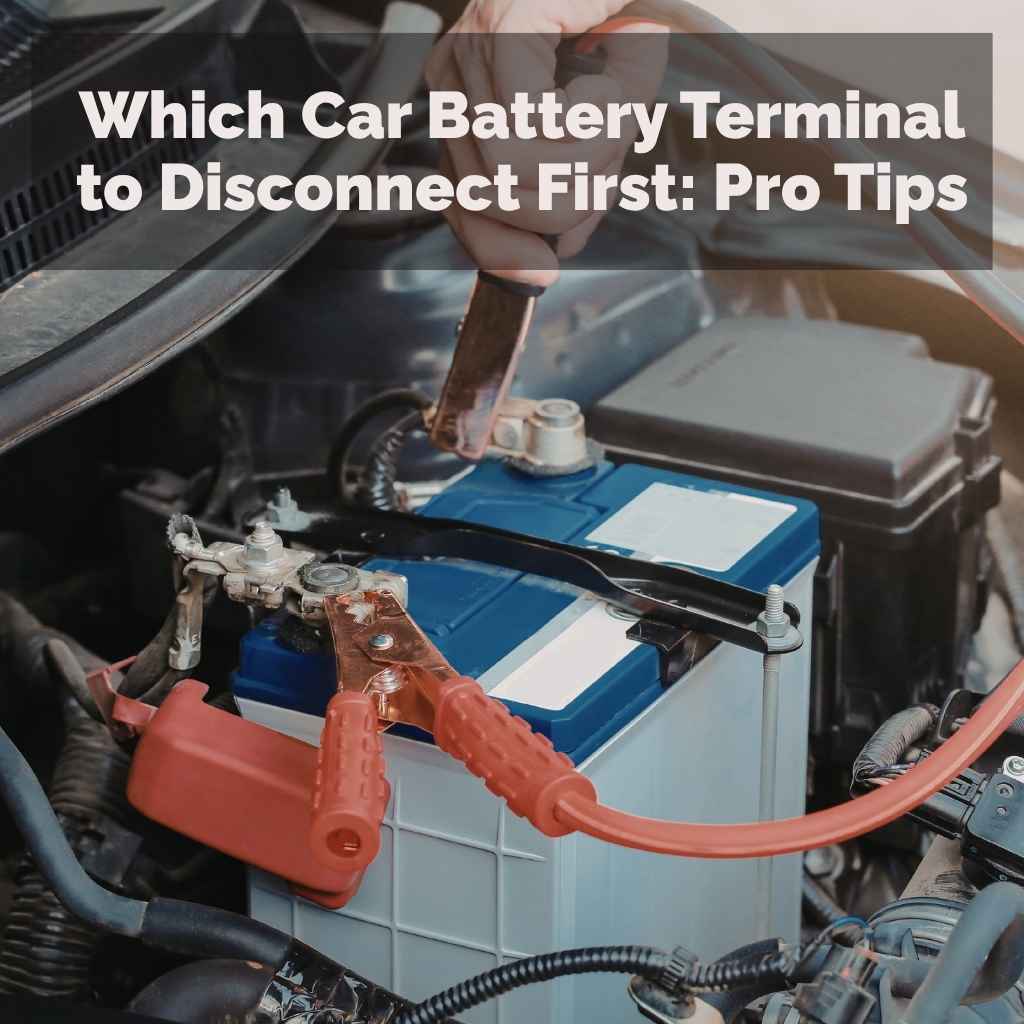
Which Car Battery Terminal to Disconnect First: Pro Tips
Many car owners find themselves wondering, “Which car battery terminal to disconnect first?” It’s a common question, especially for those new to car maintenance. People worry about causing damage or getting a shock. Don’t fret; it’s simpler than it seems.
This guide will break down Which Car Battery Terminal to Disconnect First: Pro Tips step by step. You’ll learn the right way to do it safely and easily.
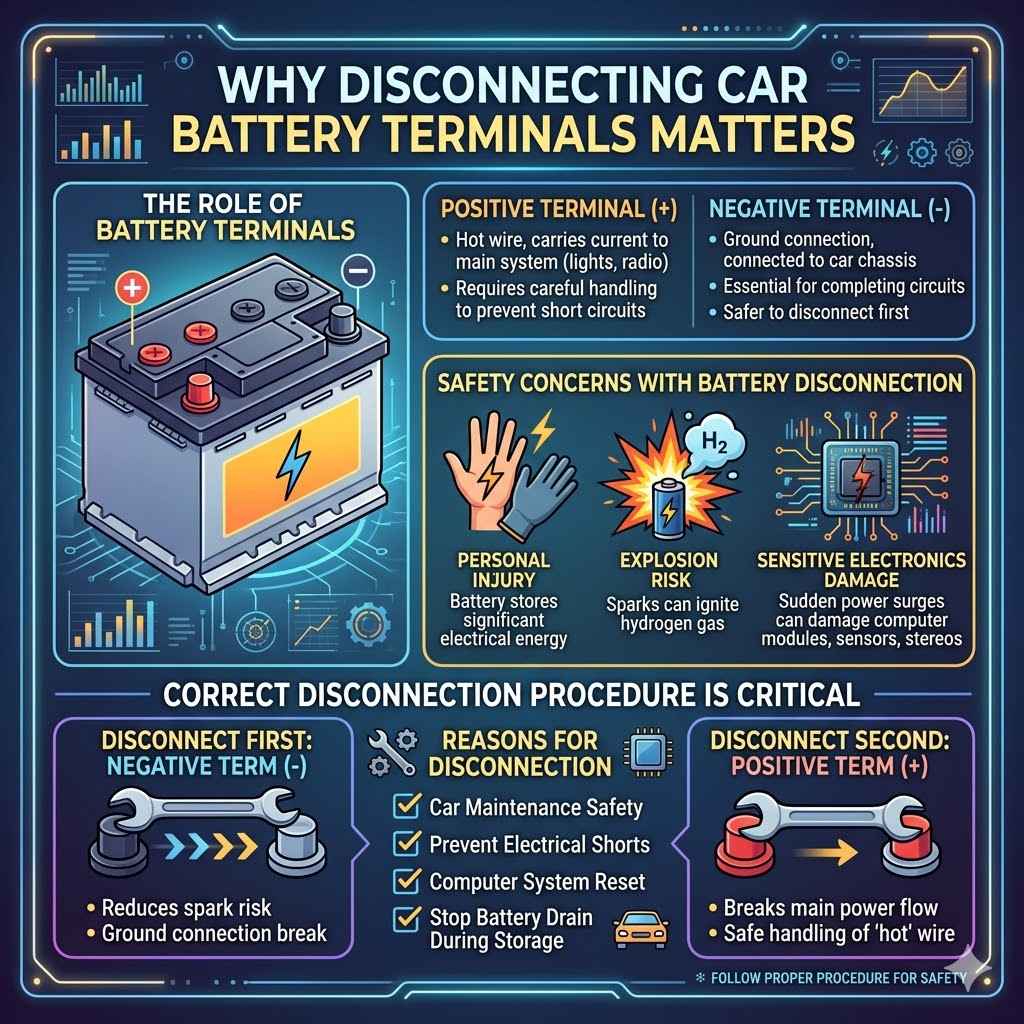
Why Disconnecting Car Battery Terminals Matters
Disconnecting your car’s battery terminals is a common and often necessary step in car maintenance. It’s done for safety reasons when working on electrical components, to reset the car’s computer, or to prevent battery drain when a car is stored for a long time. Knowing the correct procedure helps prevent sparks, damage to sensitive electronics, and personal injury.
This section will explain why this process is important and what can happen if it’s not done correctly. We’ll cover the basic principles behind battery disconnection.
The Role of Battery Terminals
Your car’s battery has two terminals: a positive (+) and a negative (-). These terminals are where the battery connects to the rest of the car’s electrical system. The positive terminal is usually marked with a red cap or a plus sign, and the negative terminal is typically marked with a black cap or a minus sign.
The positive terminal is connected to the car’s main electrical system, powering everything from the headlights to the radio. The negative terminal, on the other hand, is connected to the car’s chassis, which acts as a ground. This grounding is essential for completing electrical circuits.
When you disconnect a terminal, you are breaking the electrical connection between the battery and the car. This stops the flow of electricity. It’s a bit like turning off the main power switch for your car.
- Positive Terminal This terminal carries the main electrical current from the battery. It’s the “hot” wire, so to speak, and requires careful handling. If it touches metal, it can cause a short circuit, which can damage components or even start a fire.
- Negative Terminal This terminal is connected to the car’s metal frame. It’s the ground connection. While still important, it’s generally considered safer to disconnect the negative terminal first because it’s less likely to cause immediate sparks if accidentally touched.
Safety Concerns with Battery Disconnection
Working with a car battery involves risks. The battery stores a significant amount of electrical energy. Mishandling can lead to sparks, which can ignite hydrogen gas that batteries sometimes produce.
Additionally, modern cars have complex electronic systems. A sudden surge of power or a short circuit during battery work can damage sensitive computer modules, sensors, or the stereo system. This can lead to costly repairs.
The order in which you disconnect the terminals is a key safety measure. It’s a simple rule that greatly reduces the risk of these problems. Following this rule makes the process much safer for you and your car.
Which Car Battery Terminal to Disconnect First Pro Tips
Now, let’s get to the main event: knowing which terminal to disconnect first. This is a fundamental step in automotive safety and electrical work. The correct order is not arbitrary; it’s based on electrical principles designed to protect you and your vehicle’s electronics.
We will explore the reasoning behind this specific order and provide clear instructions. This section will lay out the definitive answer with expert advice.
The Negative Terminal Rule Explained
The universally accepted and safest practice is to disconnect the negative battery terminal first. Then, you disconnect the positive terminal. This might seem counterintuitive to some, but it’s all about minimizing electrical risks.
Think about it this way: the car’s metal body is connected to the negative terminal. This is the car’s “ground.” If you were to disconnect the positive terminal first while working, and your wrench accidentally touched the car’s metal body, you would create a direct short circuit. This could cause a very large spark, potentially damaging your tools, the battery, or even your car’s electronics.
By disconnecting the negative terminal first, you are removing the ground connection. If your wrench then accidentally touches the car’s metal body while you’re working on the positive terminal, nothing happens because the circuit isn’t complete. The negative terminal is already disconnected from the car’s system.
- Preventing Short Circuits The primary reason is to prevent accidental short circuits. A short circuit occurs when electricity flows through an unintended path, often causing sparks and damage. Disconnecting the negative first removes the path to ground.
- Protecting Electronics Modern cars have sensitive computers and electronic control units (ECUs). A sudden electrical surge from a short circuit can fry these expensive components. The correct disconnection order acts as a buffer against such damage.
- Personal Safety Sparks can be dangerous. They can ignite flammable vapors from the battery. By reducing the chance of sparks, you protect yourself from potential burns or explosions.
Step-by-Step Disconnection Process
Here is a simple, step-by-step guide for safely disconnecting your car battery terminals. Remember to always wear safety glasses and gloves if you have them.
- Locate the Battery The car battery is usually found under the hood, often on one side. In some cars, it might be in the trunk or under a seat. Consult your car’s manual if you’re unsure.
- Identify Terminals Look for the positive (+) and negative (-) terminals. The positive terminal typically has a red cover or is marked with a plus sign. The negative terminal is usually black or marked with a minus sign.
- Loosen the Negative Terminal Clamp Using an appropriate wrench (often 10mm or 13mm), turn the nut on the negative (-) terminal clamp counter-clockwise to loosen it. You don’t need to remove the nut completely, just loosen it enough so the clamp can be lifted off the terminal post.
- Remove the Negative Cable Gently lift the negative cable clamp off the negative battery post. Move the cable aside so it cannot accidentally touch the battery terminal again.
- Loosen the Positive Terminal Clamp Now, loosen the nut on the positive (+) terminal clamp in the same way, turning it counter-clockwise.
- Remove the Positive Cable Carefully lift the positive cable clamp off the positive battery post. Keep this cable separate from the negative cable and the battery.
Tools You Will Need
To perform this task, you’ll need a few basic tools. Having the right tools makes the job easier and safer.
- Wrench Set or Socket Set The most common sizes for battery terminal nuts are 10mm and 13mm. It’s good to have a set to ensure you have the correct size. A ratcheting wrench can speed things up.
- Gloves Battery acid can be corrosive, and the terminals can be dirty. Wearing gloves protects your hands.
- Safety Glasses Protect your eyes from any accidental sparks or corrosive spray.
- Wire Brush or Battery Terminal Cleaner This is useful for cleaning corrosion off the terminals and clamps before reattaching them.
Reconnecting Your Car Battery Terminals
Just as there is a correct order for disconnecting the battery, there is also a correct order for reconnecting it. This order is the reverse of the disconnection process and is crucial for safety and proper electrical function. We will explain why this order is important and guide you through the steps to ensure your car’s electrical system is re-established correctly.
This part is just as vital as the disconnection.
The Reconnection Order
When reconnecting the battery terminals, you should always connect the positive terminal first, followed by the negative terminal. This is the opposite of the disconnection order.
Why this order? When you connect the positive terminal first, the electrical system is not yet complete because the negative (ground) terminal is still disconnected. This means if your wrench touches the car’s body while connecting the positive terminal, it won’t cause a spark or short circuit because the circuit isn’t closed.
Once the positive terminal is securely connected, you then connect the negative terminal. This completes the circuit and powers up your car’s electrical system.
- Completing the Circuit Safely Connecting the positive terminal first ensures that the car’s electrical system remains “unpowered” until the final connection is made. This prevents accidental surges.
- Minimizing Spark Risk By connecting the ground last, any minor spark that might occur is less likely to be near sensitive components or flammable battery gases.
- Ensuring Proper System Function Some car systems might need to “boot up” in a specific sequence, which is naturally handled by the correct reconnection order.
Step-by-Step Reconnection Process
Follow these steps to safely reconnect your car battery terminals.
- Clean the Terminals and Clamps Use a wire brush or battery terminal cleaner to remove any corrosion or dirt from the battery posts and the inside of the cable clamps. Clean terminals ensure good electrical contact.
- Attach the Positive Terminal Clamp Place the positive (+) cable clamp back onto the positive battery post. Ensure it’s seated firmly.
- Tighten the Positive Terminal Nut Using your wrench, tighten the nut on the positive terminal clamp clockwise until it is snug. Do not overtighten, as this can damage the clamp or the battery post.
- Attach the Negative Terminal Clamp Now, place the negative (-) cable clamp onto the negative battery post.
- Tighten the Negative Terminal Nut Tighten the nut on the negative terminal clamp clockwise until it is snug.
- Check Connections Gently tug on both cables to ensure they are secure and will not move.
- Start the Car You may need to restart your car. Some settings like radio presets or clock time might be reset.
What to Expect After Reconnecting
After reconnecting the battery, you might notice a few things. Your car’s clock will likely need to be reset, and you may need to re-enter radio station presets if your car’s radio has this feature.
In some vehicles, particularly those with advanced computer systems, you might experience a brief period where the engine’s idle speed is a little rougher than usual. This is normal as the car’s computer relearns its operating parameters. This typically resolves itself after a short period of driving.
If you encounter any unusual warning lights or problems after reconnecting the battery, it’s a good idea to have your car checked by a mechanic. However, for most people, this process is straightforward and uneventful.
Common Mistakes and How to Avoid Them
Even with clear instructions, people sometimes make mistakes when disconnecting or reconnecting car battery terminals. Identifying these common errors beforehand can save you a lot of trouble. This section will highlight what can go wrong and offer simple advice to ensure you do it right every time.
Avoid these pitfalls and ensure a smooth maintenance experience.
Mistaking Terminal Polarity
One of the most basic mistakes is getting the positive and negative terminals mixed up. This can happen if the markings are unclear or if you’re working in poor lighting.
How to Avoid: Always double-check the markings on the battery and the cable ends. The positive terminal is usually marked with a red cap or a ‘+’ symbol. The negative terminal is usually black or marked with a ‘-‘ symbol.
If you’re unsure, consult your car’s owner’s manual.
Forgetting to Disconnect the Negative First
This is perhaps the most critical error related to the order of operations. Disconnecting the positive terminal first, especially without proper care, can lead to a dangerous short circuit.
How to Avoid: Make it a habit: Negative first to disconnect, Positive first to reconnect. Repeat this rule to yourself. Mentally rehearsing the steps before you start can also help.
Overtightening or Undertightening Terminals
Tightening the terminal clamps too much can strip the threads on the battery post or break the clamp itself. Not tightening them enough means the connection is loose, leading to poor electrical contact, intermittent power loss, or starting issues.
How to Avoid: Tighten the nuts until the clamp is snug and secure, but avoid excessive force. You should not be able to easily wiggle the cable off the post. A good rule of thumb is to tighten until you feel firm resistance, then give it a slight extra turn.
- Using the Wrong Wrench Size A wrench that is too large will slip, potentially damaging the nut or bolt head. A wrench that is too small might not grip properly, making it difficult to loosen or tighten. Always use the correct size wrench for the terminal nuts.
- Ignoring Corrosion Corroded terminals and clamps prevent good electrical flow. This can cause starting problems or a dead battery even if the battery itself is good.
- Allowing Cables to Touch the Wrong Places When a cable is disconnected, ensure it is moved well away from the battery terminals and any metal parts of the car that could cause a short circuit if touched by a live (positive) cable.
Scenario: A Beginner’s Battery Swap
Sarah wanted to replace her old car battery. She had bought a new one and was ready to go. She remembered reading something about disconnecting the battery but wasn’t sure about the order.
She grabbed her wrench.
She located the battery under the hood. She saw the red (+) and black (-) caps. Thinking the red one was the main one, she started to loosen the positive terminal first.
As she wiggled the wrench, it accidentally touched the metal car frame. A bright spark flew, and she jumped back, scared.
Fortunately, the new battery wasn’t connected yet, so no major damage occurred. But Sarah realized she needed to learn the correct procedure. She looked up “Which car battery terminal to disconnect first” and found information that emphasized disconnecting the negative terminal first.
She then proceeded to disconnect the negative, then the positive. For reconnecting, she reversed the process, connecting positive first, then negative. This simple change made the whole process much safer.
Advanced Considerations and Troubleshooting
While the basic process of disconnecting and reconnecting battery terminals is straightforward, there are situations and issues that might require more advanced knowledge. This section covers some of these less common but important aspects, including dealing with battery memory loss and potential issues with specific car models. Understanding these can help you tackle more complex scenarios with confidence.
Dealing with Battery Memory Loss
Disconnecting the battery will cut power to all the car’s electronic systems. This includes the onboard computer, radio, and alarm system. When power is restored, these systems may need to be reset or may behave differently for a short period.
What Happens: The car’s computer, often called the Engine Control Unit (ECU) or Powertrain Control Module (PCM), stores data about driving habits, fuel mixture, and idle speed. This “learned” data is lost when the battery is disconnected.
Troubleshooting:
- Radio Presets and Clock: These will almost always be reset to factory defaults. You will need to re-enter your preferred radio stations and set the clock.
- Engine Idle and Performance: For the first few miles after reconnecting the battery, your car’s engine might idle rougher than usual, or the acceleration might feel a bit off. This is because the ECU is re-learning the optimal settings. Driving normally for 10-20 minutes usually resolves this as the ECU adapts.
- Alarm Systems: Some aftermarket alarms may need to be deactivated and reactivated using their specific key fob or code.
Battery Tender Use
If you park your car for extended periods (e.g., weeks or months), a battery tender can be a valuable tool. A battery tender is a small device that maintains a battery’s charge without overcharging it.
How it Works: A battery tender monitors the battery’s voltage and provides a small amount of current only when needed to keep the battery topped up. This prevents the battery from discharging, which can lead to damage and reduced lifespan.
When to Use: If you won’t be driving your car for more than two weeks, connecting a battery tender can help preserve your battery’s health. You generally do not need to disconnect the battery terminals when using a battery tender; you connect it directly to the battery posts.
Special Considerations for Modern Vehicles
Modern cars often have more complex electrical systems and may require specific procedures.
| Vehicle Type | Considerations |
|---|---|
| Hybrid/Electric Vehicles | These vehicles have high-voltage systems that are extremely dangerous. Never attempt to work on the high-voltage battery yourself. Always consult a certified technician. The 12V auxiliary battery in hybrids is handled similarly to regular cars but always follow manufacturer guidelines. |
| Cars with Start-Stop Technology | Vehicles equipped with start-stop systems have advanced battery management systems. While the basic disconnect/reconnect rules usually apply, consult your owner’s manual for any specific programming or reset procedures required after power loss. |
| Cars with Multiple Batteries | Some vehicles, especially RVs or trucks, may have multiple batteries. Ensure you identify all batteries and follow the correct disconnection and reconnection order for each, usually starting with the main vehicle battery. |
When to Seek Professional Help
While most battery terminal tasks are DIY-friendly, there are times when it’s best to call a professional.
- You are uncomfortable or unsure. Your safety and your car’s integrity are paramount. If you feel uneasy about any step, it’s better to seek expert help.
- The battery terminals are heavily corroded and stuck. Excessive force may be needed, which could lead to damage.
- Your car’s manual specifies unique procedures. Always defer to the manufacturer’s recommendations for your specific vehicle model.
- You experience persistent electrical issues after reconnecting. This could indicate a deeper problem beyond a simple battery connection.
Frequently Asked Questions
Question: Do I need to disconnect the battery for minor electrical work?
Answer: It’s generally a good idea to disconnect the negative terminal, at least, before performing any minor electrical work to prevent accidental shorts or sparks. For anything beyond simple bulb changes, disconnecting both can be safer.
Question: Can I leave the battery disconnected for a long time?
Answer: Leaving a battery disconnected for extended periods can cause it to lose its charge and potentially damage it. If storing a vehicle, use a battery tender to keep the battery maintained.
Question: What if my car won’t start after reconnecting the battery?
Answer: Double-check that both terminals are securely connected and tightened properly. Also, ensure the car’s clock and radio presets were reset, as this indicates power was properly restored. If it still won’t start, there might be another issue that needs diagnosing.
Question: Is it safe to jump-start a car with the battery terminals connected?
Answer: Yes, jump-starting involves connecting jumper cables to both batteries while they are connected. However, the order of connecting and disconnecting the jumper cables is critical for safety. Always connect the positive first and disconnect the negative first when jump-starting.
Question: What is the difference between a battery tender and a battery charger?
Answer: A battery charger is designed to rapidly charge a depleted battery. A battery tender, on the other hand, is designed to maintain a fully charged battery over long periods, providing only small amounts of power as needed to counteract self-discharge.
Summary
Knowing which car battery terminal to disconnect first is vital for safety and protecting your vehicle. Always disconnect the negative terminal before the positive one. When reconnecting, always attach the positive terminal first, followed by the negative.
Following these simple steps prevents sparks, protects your car’s electronics, and ensures you can confidently handle basic battery maintenance.