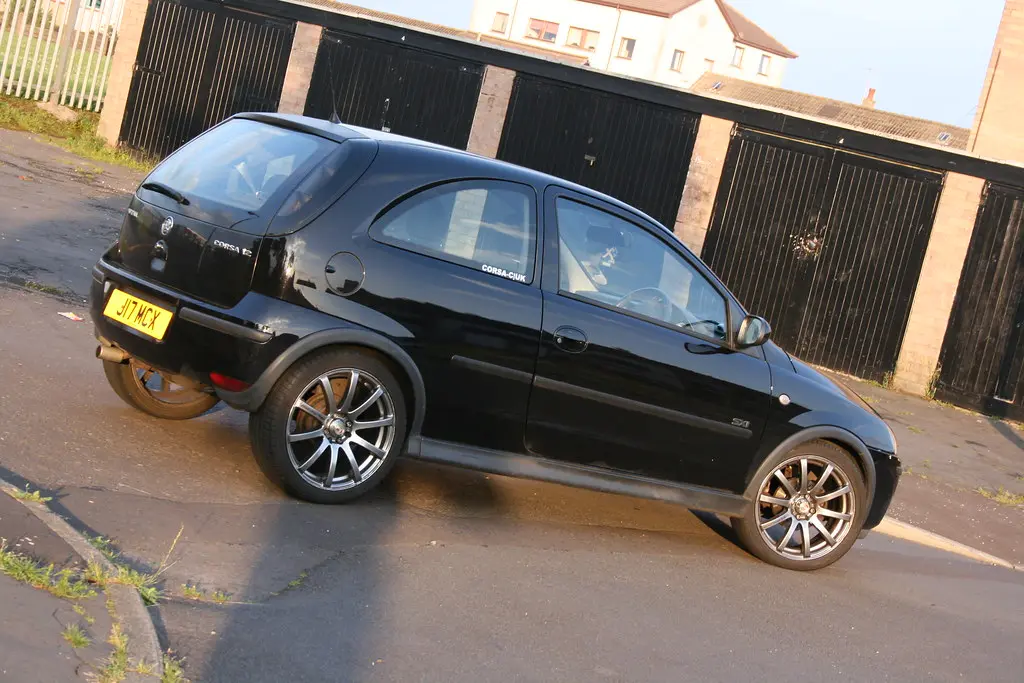
White Ford Fusion With Black Rims: Fitment, Cost & Finish
Yes, many Ford Fusions can run black wheels in roughly 17×7.5 to 18×8 with a 5×10⁸ bolt pattern, about a 63.4 mm hub bore, and an offset in the low-to-mid +40s to mid +50s; 17-inch is usually the safest all-around choice. Get the offset wrong and the tire can rub the strut or fender. Cheap refinish work can chip fast and make brake dust harder to clean. This guide breaks down fitment, typical costs for repainting, used OEM-style wheels, and new aftermarket sets, plus the black finish that stays easiest to live with.
What black rims do to a white Ford Fusion


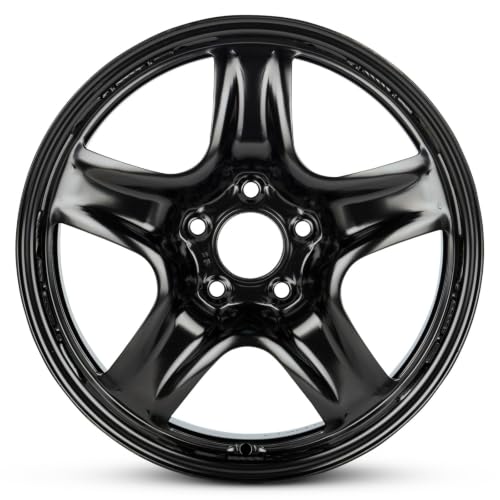
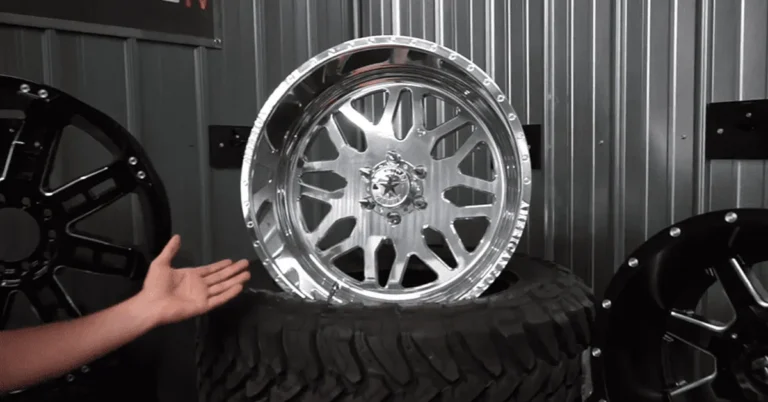
White body paint and black wheels create a sharp contrast, which makes the car read cleaner and more aggressive at a glance. The wheel color does not change fitment, weight, or clearance by itself. Diameter, width, offset, and wheel design do that work.
Why the contrast works
On a white Fusion, black rims pull the eye down to the wheel arch and make the sedan look lower and more planted. The source pages describe black rims as a sleek and stylish change, with a modern and sporty look and a striking visual impact.
What changes when you step up wheel diameter
A larger wheel can fill the arch better, but it also leaves less room for tire sidewall. That matters on a Fusion because the sedan platform and trim level affect brake clearance and suspension space. A bigger diameter usually needs a lower-profile tire to keep overall rolling diameter close to stock.
📊 Gloss Black Rim Touch Up Paint is listed at $11.61. Source: White Ford Fusion With Black Rims: Fitment, Cost & Finish.
Will black rims fit your Ford Fusion?
Black rims fit a Ford Fusion only if the wheel’s diameter, width, offset, and center bore match the car’s requirements. The color is irrelevant to fitment. Year and trim matter because Ford changed factory wheel sizes, brake package space, and tire specifications across Fusion generations.
How year and trim change the answer
Do not assume one universal Fusion wheel size. A base trim, a sport-oriented trim, and a higher-spec trim can all use different factory sizes, and some factory packages leave less room behind the spokes for brakes and calipers. Verify your exact year and trim before you buy.
What to check before you order
Use the wheel’s diameter, width, offset, and hub bore as your first screen. Then confirm bolt pattern, brake clearance, TPMS compatibility, and tire size. For the Fusion, the common bolt pattern is 5×10⁸ and the hub bore is about 63.4 mm, but the wheel still has to clear your brakes and suspension.
Fitment checklist
- Confirm the Fusion model year and trim.
- Match the bolt pattern and hub bore.
- Check wheel diameter against brake clearance.
- Check wheel width against tire size and fender room.
- Verify offset so the wheel does not sit too far in or out.
- Confirm TPMS sensor fitment.
- Inspect suspension and strut clearance at full steering lock.
What size black rims fit a Ford Fusion without rubbing?
For most Fusion setups, 17-inch and 18-inch wheels are the cleanest choices because they preserve clearance and keep tire selection simple. Width and offset matter as much as diameter. A wheel that is too wide or too aggressive in offset can rub even if the diameter looks correct on paper.
Factory wheel sizes to verify first
Start with the size on the door placard or the current wheel/tire package. Many Fusions came with 17-inch or 18-inch wheels, and some trims used larger factory options. If you stay close to factory diameter, you reduce the chance of speedometer error and suspension interference.
How width and offset affect clearance
Wheel width controls how much tire section width the car can accept. Offset controls where the wheel sits in the arch. Too little positive offset pushes the wheel outward and can trigger fender contact; too much positive offset pulls it inward and can contact the strut or brake hardware.
When a larger wheel needs a lower-profile tire
A larger wheel diameter usually needs a shorter sidewall to keep total tire diameter near stock. That helps avoid rubbing and keeps the speedometer closer to correct. The trade-off is less impact cushion, which matters on rough streets and potholes.
How much do black rims cost for a Ford Fusion?
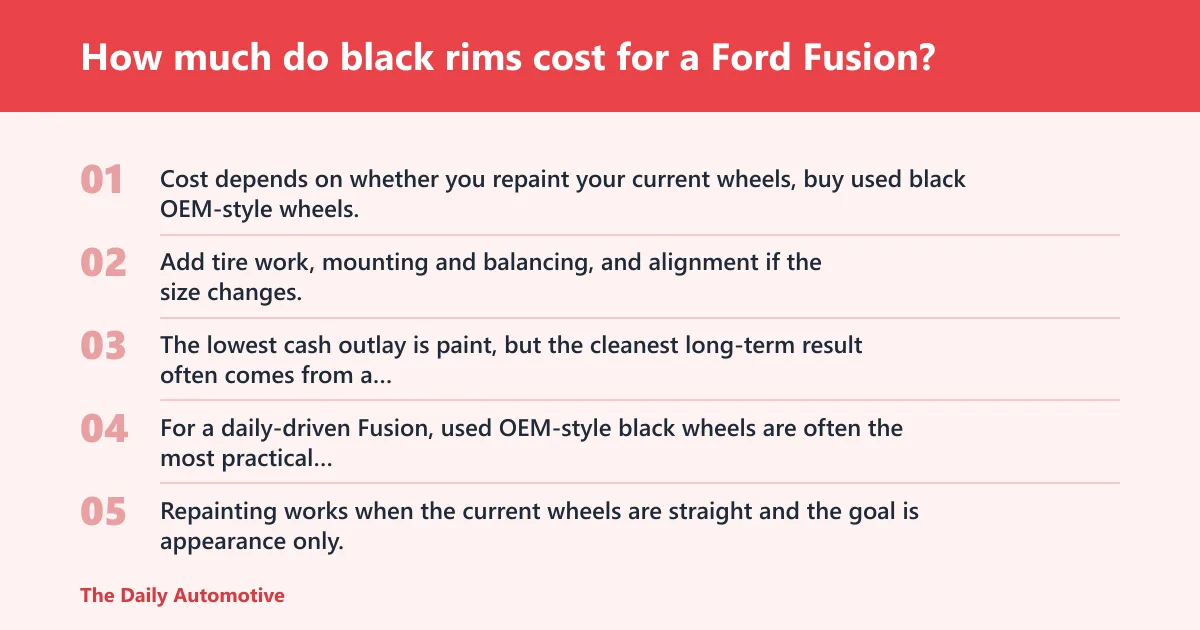
Cost depends on whether you repaint your current wheels, buy used black OEM-style wheels, or move to new aftermarket wheels. Add tire work, mounting and balancing, and alignment if the size changes. The lowest cash outlay is paint, but the cleanest long-term result often comes from a proper wheel refinish or a good used set.
| Upgrade path | Wheels | Paint / refinish | Tires | Mounting & balancing | Alignment | Fitment note |
|---|---|---|---|---|---|---|
| Repaint OEM wheels | $0 if you keep the originals | $8.27 for Rust-Oleum Wheel Spray Paint or Rust-Oleum High Performance Wheel Spray Paint; $11.61 for Gloss Black Rim Touch Up Paint; $19.97 for Wheel Scratch Fix gloss black touch-up paint | Usually $0 if tire size stays the same | Needed if wheels are removed | Usually not needed unless suspension geometry changes | Best for cosmetic refresh, not bent or cracked wheels |
| Buy used black OEM-style wheels | Used set cost varies by condition | Minor refinish may still be needed | May reuse tires if size and wear allow | Needed | Recommended after tire or size changes | Best balance of stock fitment and lower risk |
| Buy new aftermarket wheels | Highest upfront cost | Usually none | Often new tires are required | Needed | Recommended | Most size and offset choices, most fitment risk |
Which path usually makes the most sense
For a daily-driven Fusion, used OEM-style black wheels are often the most practical middle ground if the size, offset, and hub fit are correct. Repainting works when the current wheels are straight and the goal is appearance only. New aftermarket wheels make sense when you want a specific design or width, but the buyer carries the most fitment risk.
Should I choose gloss, matte, or satin black wheels?
Gloss black is the easiest to make look deep and clean, but it shows wash marks and dust more quickly. Matte black hides minor swirl marks better, but it can look chalky if cleaning is neglected. Satin black sits between the two and is often one of the easiest finishes to live with on a daily driver.
How each finish handles wash marks and dust
Gloss shows brake dust, water spots, and scratches more clearly. Matte hides reflections but can make repair blending difficult if a touch-up is needed. Satin is more forgiving because it still reflects some light without acting like a mirror.
Chip visibility and touch-up practicality
Small chips stand out less on matte or satin than on gloss, but gloss is easier to match with basic touch-up products. That is why gloss black wheel spray paint and gloss black touch-up paint are common low-cost repair paths. Finish choice does not change wheel fitment.
Can I paint my current rims black instead of buying new ones?
Yes, if the wheels are straight and structurally sound, painting is the cheapest way to get the black look. Gloss black wheel spray paint is a temporary cosmetic path, not a fix for bent wheels, cracked rims, or bad curb damage. A proper refinish is the better choice when the existing finish is badly worn.
When gloss black spray paint makes sense
Use spray paint when you want to change the appearance of factory wheels on a budget and the damage is limited to surface wear. The listed price of Rust-Oleum Wheel Spray Paint is $8.27, and the listed price of Rust-Oleum High Performance Wheel Spray Paint is also $8.27.
When refinishing is better than paint
If the wheel has heavy peeling, deep corrosion, or prior repair work, a full refinish usually lasts longer than a quick spray job. Paint can improve appearance, but it does not restore a wheel that is bent, cracked, or out of round. Those problems need proper repair or replacement.
Where touch-up paint fits in
Touch-up products are useful for small chips and scratches, especially near the outer lip where curb rash starts. Gloss Black Rim Touch Up Paint is listed at $11.61, and Wheel Scratch Fix gloss black touch-up paint is listed at $19.97. These products are for finish restoration, not structural repair.
Black wheel material, durability, and daily use
For a Fusion, aluminum or alloy wheels are the sensible daily-driving choice because they are common, light for their size, and resistant to corrosion compared with plain steel in many climates. Color does not make a wheel stronger or lighter. The construction, design, and size do.
Why aluminum or alloy wheels make sense
The source material identifies aluminum or alloy as high-quality wheel materials. That matters more than black finish because a good wheel needs to survive potholes, curb contact, heat from braking, and repeated tire changes. A sound alloy wheel in black is still an alloy wheel.
Common failure cases to watch for
Rubbing usually shows up after a width or offset change. Potholes can bend a wheel. Curb rash removes finish quickly. Finish chips happen fastest on gloss black and on wheels that sit close to road grit. None of those problems are fixed by changing the wheel color.
A common first-timer mistake
Say your Fusion uses 17-inch factory wheels and you jump to a wider aftermarket wheel without checking offset. The tire may clear at parking speed but contact the fender liner under compression, or it may sit too close to the strut. The fix is usually to change wheel spec, not to add more paint.
How do I avoid clearance issues when upgrading Fusion wheels?
Use the factory size as your reference, then change only one major variable at a time. Keep diameter close to stock, watch width carefully, and stay within a sensible offset range. Confirm brake clearance, TPMS fitment, and tire size before purchase, and get an alignment after any meaningful change in wheel or tire spec.
Fitment checks that matter most
Diameter controls brake room and sidewall height. Width affects tire choice and rubbing risk. Offset affects how the wheel sits in the arch. If all three are right, most Fusion fitment problems disappear before the wheels ever reach the car.
Why wheel weight is not about color
Black wheels are not automatically heavier or lighter than silver wheels. Weight depends on wheel design, material thickness, diameter, and width. A black-painted factory wheel may weigh less than a flashy aftermarket design, even though both look similar from a distance.
Frequently asked questions
Will black rims fit my Ford Fusion without rubbing?
Yes, if you match diameter, width, offset, and hub fit to your exact Fusion year and trim. The black finish itself does not affect rubbing. Problems usually come from a wheel that sits too far out, too far in, or uses a tire size that is too tall or too wide for the car.
What size black rims fit a Ford Fusion?
Many Fusion owners find 17-inch and 18-inch wheels the most practical. Common safe fitment starts around 17×7.5 to 18×8, but the exact answer depends on year, trim, brake package, and tire size. Keep total tire diameter close to factory specifications unless you have a clear reason to change it.
How much do black rims cost for a Ford Fusion?
Paint is the cheapest route, with Rust-Oleum Wheel Spray Paint and Rust-Oleum High Performance Wheel Spray Paint both listed at $8.27. Touch-up products such as Gloss Black Rim Touch Up Paint at $11.61 and Wheel Scratch Fix at $19.97 cover small repairs. Used OEM-style and new aftermarket wheels cost more once tires and mounting are included.
Should I choose gloss, matte, or satin black wheels?
Gloss gives the deepest shine but shows dust and scratches more clearly. Matte hides small flaws yet can be harder to keep looking fresh. Satin is the most balanced choice for many daily drivers because it resists visual noise better than gloss without looking flat.
Do black rims change handling or fuel economy?
Black color does not change handling or fuel economy. Wheel size, tire size, and wheel weight do. A lighter wheel and tire package can help response, while a heavier or wider package can hurt ride quality and efficiency. The finish only changes appearance and maintenance needs.
How do I avoid clearance issues when upgrading Fusion wheels?
Start with the factory wheel size, then verify diameter, width, offset, brake clearance, hub bore, TPMS compatibility, and suspension room. If the wheel is wider or more aggressive than stock, check the tire’s section width and sidewall height. An alignment is smart after any real change in wheel spec.
Products related to this article
Sponsored / affiliate links. As an Amazon Associate I earn from qualifying purchases. I may earn additional commission from eligible campaigns.