Why Do Car Batteries Die: Top Causes and Solutions
Why do car batteries die? It’s a question that has likely crossed your mind, especially if you’ve ever found yourself stranded with a dead battery, waiting for a jump-start.
Imagine this: you’re all set for a road trip, bags packed, snacks ready, but when you try to start your car, it simply won’t budge. Frustrating, right? Understanding why car batteries fail can save you from this hassle and help you maintain your vehicle better.
We’ll unravel the mystery behind dying car batteries and arm you with knowledge to keep your car ready for action. Stay with us as we dive into the common culprits and simple tips to extend your battery’s life, ensuring you’re never caught off guard again.
Common Reasons For Battery Failure
Car batteries often fail due to extreme temperatures, which can drain power quickly. Corroded or loose connections lead to poor performance. Short trips prevent the battery from fully charging, causing it to weaken over time.
Age And Wear
Car batteries don’t last forever. Old batteries lose power over time. Age makes them weak. They can’t hold a charge well. Wear and tear affects their life. They slowly die.
Extreme Temperatures
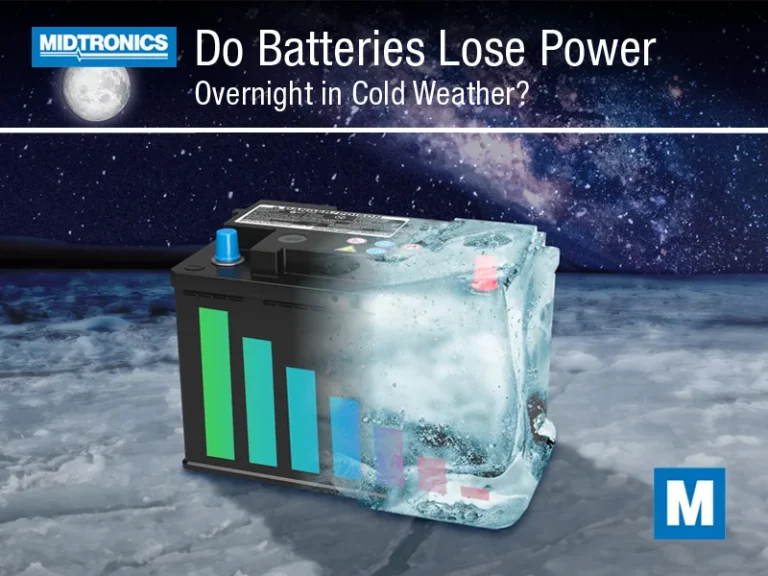
Hot or cold weather is tough on batteries. Extreme heat makes fluid evaporate. Cold weather slows down chemical reactions. Both can cause battery failure. It’s hard for batteries to work well.
Frequent Short Trips
Short trips drain battery power. Engines need time to recharge batteries. Short drives don’t give enough time. Batteries can’t recover fully. They end up losing charge faster.
Parasitic Drain
Some devices drain battery power. Lights and radios can stay on. These cause parasitic drain. Even when off, they use power. Batteries lose charge over time.
Corroded Or Loose Connections
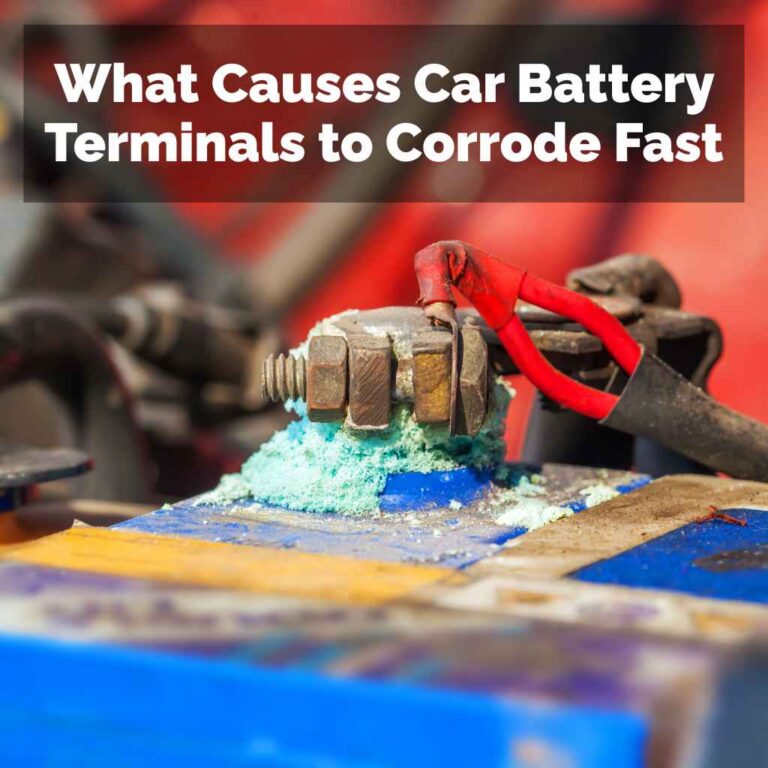
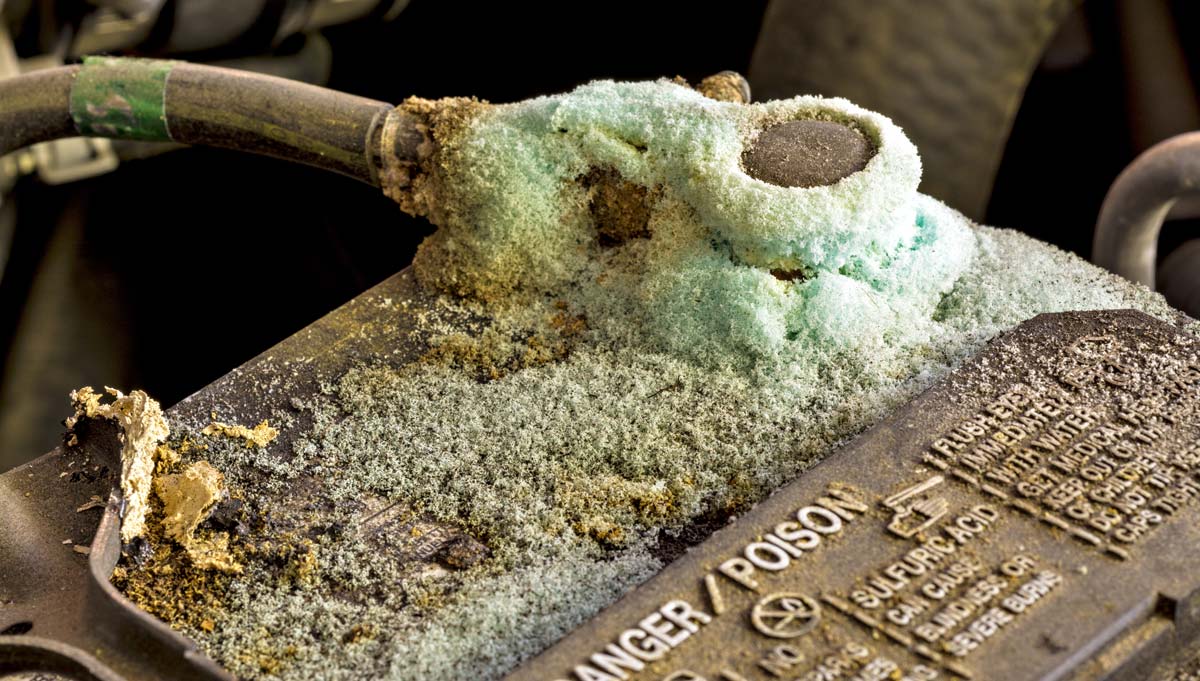
Corrosion harms battery terminals. Loose connections can’t transfer power well. Both cause poor performance. Batteries struggle to work. Their life shortens.
Signs Of A Dying Battery
The engine takes longer to start. It feels like a struggle. This is a common sign of a weak battery. Cold weather can make it worse. A healthy battery should start the engine quickly.
Car lights look less bright. Headlights are dimmer than usual. This can happen when the battery is low. Other electrical parts may also not work well.
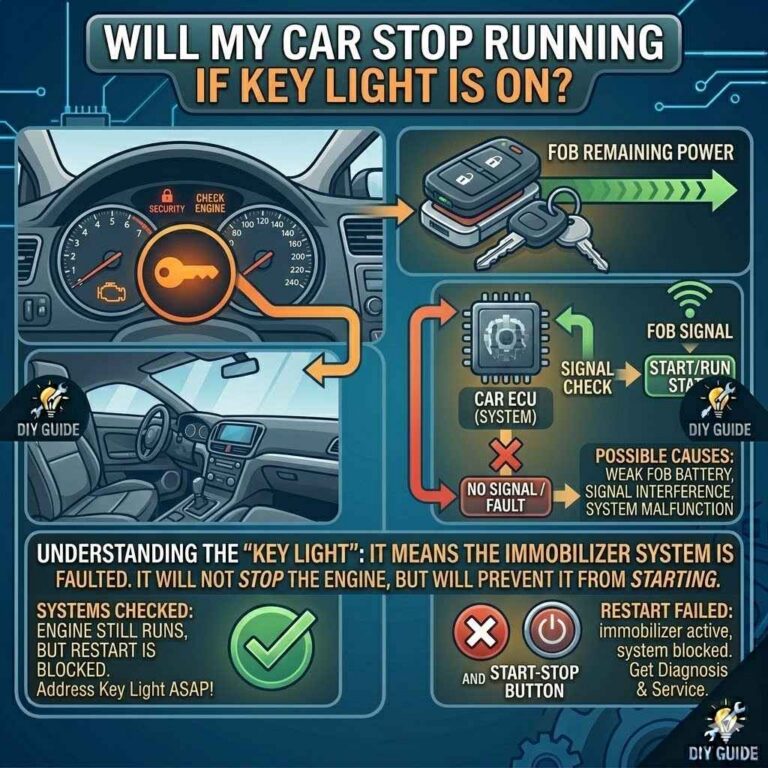
The check engine light might turn on. This can mean the battery is failing. It’s a warning to check the battery soon. Sometimes, other problems can cause this light too.
A strange smell can come from the battery. It might smell like rotten eggs. This can be a sign of a battery leak. It is important to address this quickly. A leaking battery can be dangerous.
Preventive Maintenance Tips
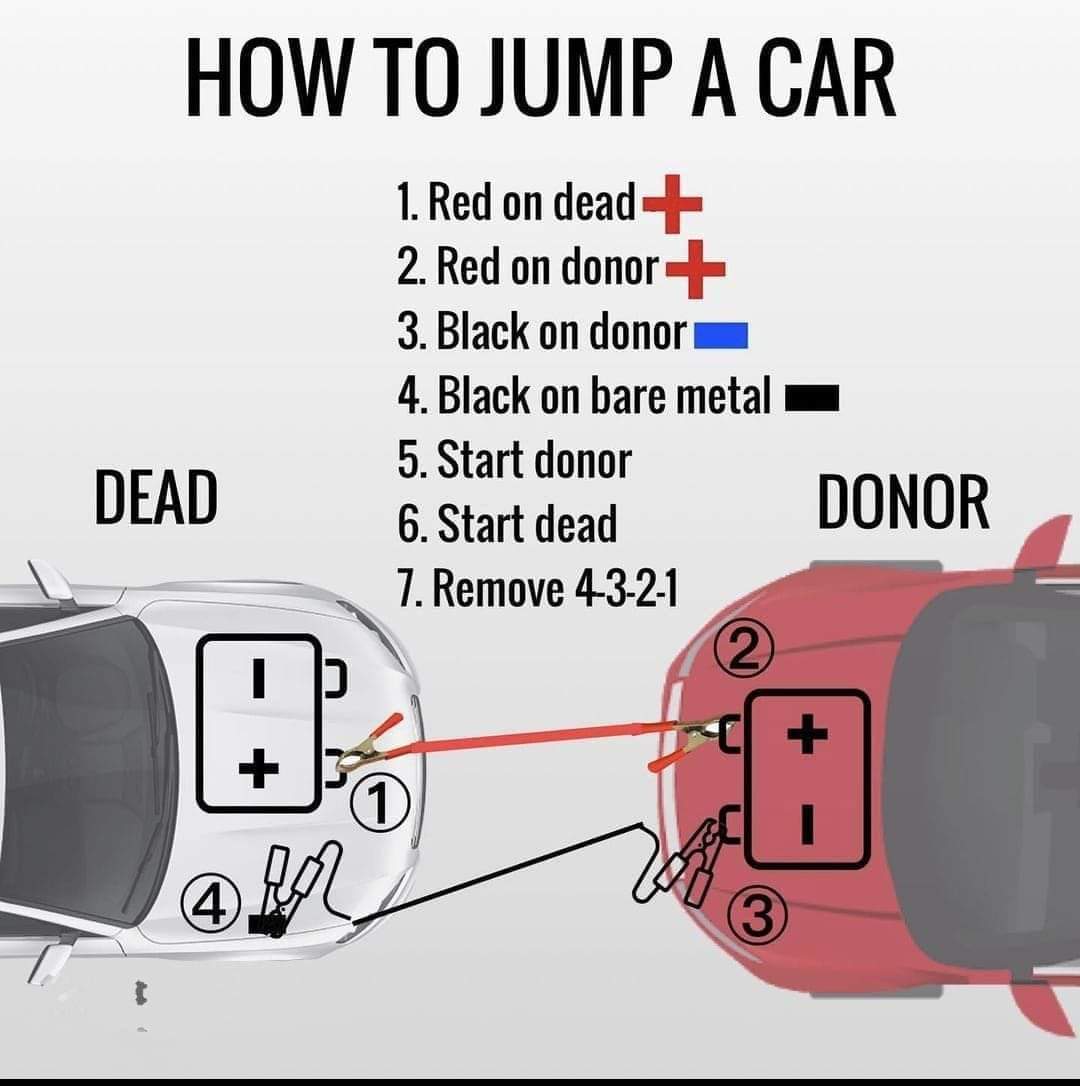
Check your car battery often. Regular testing helps find problems early. Use a voltmeter to check the charge. A healthy battery means a smoother ride.
Dirty terminals can cause trouble. Clean them with a brush and baking soda. This simple step keeps the battery working well.
Extreme heat or cold can hurt the battery. Use a battery blanket to keep it safe. Insulation helps the battery last longer.
Some parts use power when the car is off. This is the parasitic load. Turn off lights and unplug devices to save power. This keeps the battery healthy.
Credit: www.rmi.org.za
When To Replace Your Battery
Car batteries live about 3 to 5 years. Check the battery label for its age. Batteries older than 3 years might need replacing. Temperature can affect battery life. Hot weather can shorten battery lifespan.
A weak battery struggles to start the car. Listen for slow cranking sounds. Dim headlights indicate poor performance. Check if the car needs jump-starts often. These are signs of a dying battery.
Mechanics use special tools to test batteries. These tools check battery health. They measure the battery’s charge level. Mechanics can tell if the battery is weak. Regular testing prevents unexpected breakdowns.
Choosing The Right Replacement
Car batteries come in different types. Lead-acid and lithium-ion are common. Each type has its own features. Check your car’s manual for the right battery type. Specifications are important too. Look for the correct voltage and capacity. Matching these ensures your car runs well.
Choosing a trusted brand can be smart. Popular brands often offer reliable batteries. Consider the warranty as well. Long warranties provide peace of mind. If something goes wrong, you can get a replacement. Make sure the warranty covers at least two years.
Installing a battery needs care. Wear gloves to protect your hands. Disconnect the negative cable first. Connect the new battery carefully. Make sure cables are tight. Loose cables can cause problems. Test the battery after installation. Ensure everything works well before driving.
Credit: www.mccarthycollisioncenters.com
Emergency Solutions For Battery Problems
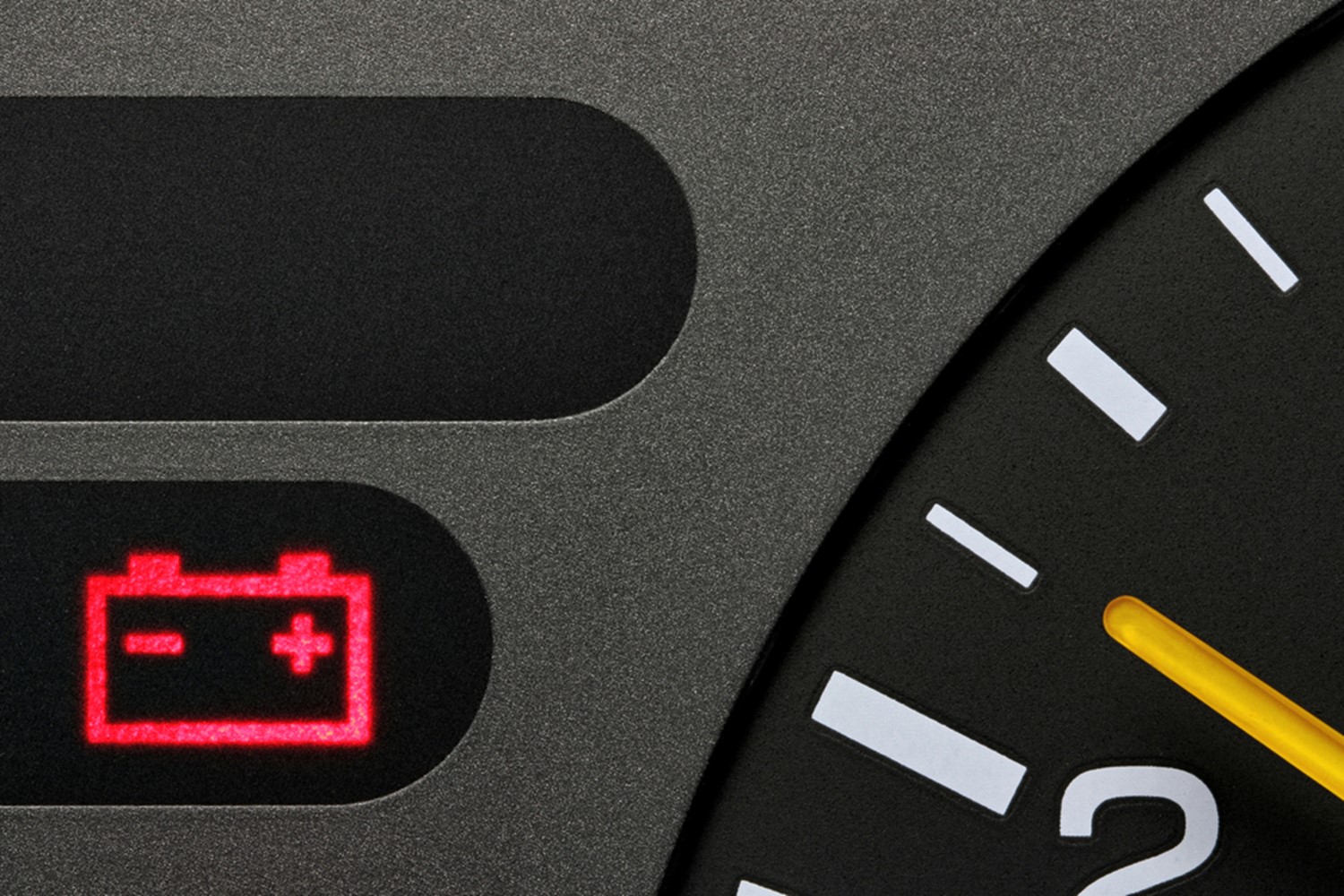
A dead battery can be a real problem. To fix it, use jumper cables. Connect them to a working car. This can start the engine. Make sure the cables are connected properly. Always be careful when handling batteries. They can be dangerous if not handled right.
Portable battery chargers are handy. They can charge your car battery anywhere. No need for another car. Simply plug it in and wait. Small and easy to carry. These chargers are lifesavers in emergencies. Always keep one in your car.
Roadside assistance can help when stuck. They come quickly to help fix problems. Call them if the battery dies. They have tools to jump-start or replace batteries. No need to worry if you can’t fix it yourself. Help is just a call away.
Credit: www.lesschwab.com
Frequently Asked Questions
Why Do Car Batteries Lose Charge Quickly?
Car batteries can lose charge quickly due to extreme temperatures, faulty alternators, or parasitic drains. In cold weather, they struggle to retain power. A faulty alternator fails to charge the battery properly. Parasitic drains occur when electronic components continue to draw power, even when the car is off.
How Often Should Car Batteries Be Replaced?
Typically, car batteries should be replaced every 3 to 5 years. However, factors like extreme temperatures, driving habits, and battery quality affect lifespan. Regular testing and maintenance can help prolong their life. It’s crucial to check battery health annually, especially if it’s over three years old.
What Causes Car Batteries To Die Suddenly?
Car batteries can die suddenly due to leaving lights on, a faulty alternator, or extreme temperatures. Sometimes, an old battery can fail without warning. Regular maintenance and inspections help prevent unexpected battery failures. Ensure all electrical components are turned off when the car is not in use.
Can Frequent Short Trips Kill Car Batteries?
Yes, frequent short trips can prevent the battery from fully charging. This leads to gradual depletion. The alternator needs sufficient time to recharge the battery. Consider using a battery charger if you frequently take short trips. Regular long drives can help maintain battery health.
Conclusion
Car batteries die for many reasons. Age, extreme temperatures, and faulty connections are common culprits. Regular maintenance can help extend battery life. Clean terminals and check for corrosion. Avoid leaving lights on when parked. Consider investing in a battery charger for emergencies.
Awareness of these factors can prevent sudden breakdowns. Staying informed helps in making smart choices. Keep your battery healthy to ensure smooth rides. Reliable transportation begins with a dependable battery. Remember, small actions can make a big difference. Keep these tips in mind to avoid unwanted surprises.
Your car deserves the best care possible.