Why Does My Car Leak Coolant: Essential Fixes
Your car is more than just a machine; it’s your trusted companion on the road. So, when you notice a mysterious puddle forming under it, it’s natural to feel concerned.
If you’ve ever asked yourself, “Why does my car leak coolant? “, you’re not alone. Coolant leaks are common but can lead to serious issues if ignored. Imagine your car running smoothly, with no unexpected breakdowns. Sounds great, right? Understanding why your car leaks coolant is the first step toward that peace of mind.
We’ll explore the possible reasons behind this issue and help you identify warning signs early. Stay with us, and you’ll soon be equipped with the knowledge to keep your car in top shape, saving you time, money, and stress.
Common Causes Of Coolant Leaks
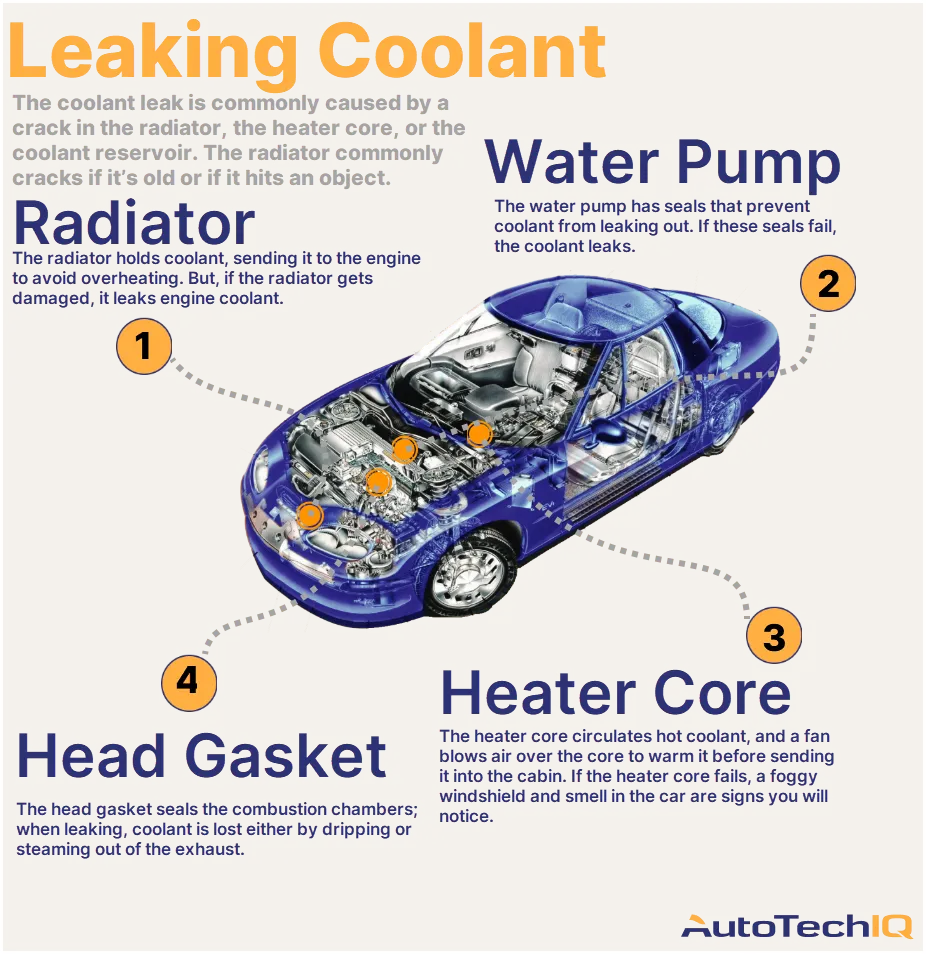
A damaged radiator can cause coolant leaks. Small cracks may form over time. These cracks let coolant escape. Regular checks can help you spot issues early.
Hose connections wear out over time. They become loose and let coolant leak. Regular maintenance can prevent this issue. Replace old hoses promptly.
The water pump keeps coolant flowing. A faulty pump may leak. This reduces the coolant level. Check the pump during routine inspections.
An engine block can crack due to overheating. This leads to coolant leaks. Cracks are serious and need fixing quickly. Always monitor your car’s temperature gauge.
Signs Of Coolant Leaks
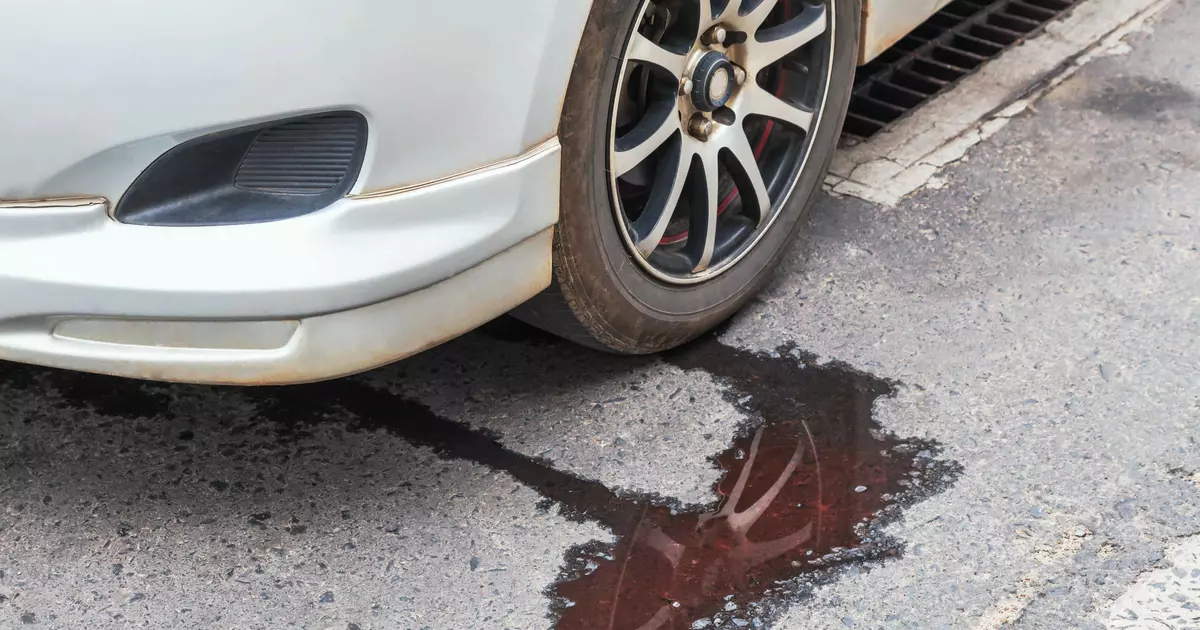
Look for green or orange puddles under the car. These puddles mean the coolant is leaking. A strong sweet smell might also be present. This is a sure sign of a coolant leak. Check regularly to prevent bigger issues.
Engines get too hot if coolant leaks. An overheating engine can damage the car. Watch the temperature gauge. If it rises too high, there might be a leak. Stop the car if it overheats. It can save you from big repairs.
Coolant levels should stay the same. Check the coolant reservoir often. If it drops, a leak could be the cause. Fill the coolant to the right level. If it drops again, inspect for leaks.
Steam from the engine bay is a warning. This steam means the coolant is escaping. Do not ignore it. A hot engine and steam are bad signs. Turn off the car and check for leaks.
Diagnosing The Leak Source
Pressure testing helps find coolant leaks. A tool pumps air into the system. Watch for drops in pressure. Pressure loss means there’s a leak. Check hoses and connections. Pay attention to seals and gaskets. These parts can wear out. Look for cracked or damaged areas. Pressure testing is safe. It’s a useful way to find leaks.
Use your eyes to spot leaks. Bright light helps see better. Check under the car. Look for wet spots or puddles. Coolant is often green or pink. Trace the leak’s path. Follow it back to the source. Check all hoses and connections. Look for cracks or breaks. Use a mirror for hard spots. Careful inspection can reveal hidden leaks.
Dye helps find leaks easily. Add dye to the coolant. Run the engine for a bit. Use a UV light to spot the dye. It glows bright under UV light. Easy to see even tiny leaks. Dye shows where coolant escapes. Safe for the engine. Dye detection is a quick way to find leaks.
Credit: haynes.com
Essential Repairs For Coolant Leaks
A leaking radiator needs quick attention. Radiator caps can wear out. New caps stop leaks. Radiator fans help cool the engine. Broken fans may need fixing. Radiator hoses can crack. Replace them if needed.
Hoses carry coolant through the car. Cracked hoses leak. Check them often. Loose clamps can cause leaks too. Tighten clamps to stop leaks. Replace worn hoses with new ones.
The water pump moves coolant through the engine. If it leaks, replace it. A broken pump can cause overheating. Coolant puddles under the car mean a bad pump. Quick replacement keeps the engine cool.
Cracks in the engine block are serious. Coolant leaks from these cracks. Sealants can fix small cracks. Big cracks may need a mechanic. Regular checks help find problems early. Fixing leaks saves money and time.
Preventive Measures
Cars need regular checksto stay healthy. Look for leaks often. Check hoses and clamps. A tight clamp stops leaks. Inspect the radiatorfor damage. A broken radiator may leak. Find problems early to save money.
Use the right coolantfor your car. Read the car manual. Good coolant protects the engine. Cheap coolant can harm it. Mix coolant with water as told. Using too little coolant can cause overheating. Too much water can freeze.
Flush the cooling systemoften. Old coolant can cause blockages. Blockages lead to leaks. A clean system works better. Follow the car manual for flushing times. Flushing keeps the engine running well.
When To Seek Professional Help
Experiencing frequent coolant leaks can signal a serious issue. Consider seeking expert assistance if puddles form under your car often. Ignoring leaks may lead to engine damage and costly repairs.
Signs Of Severe Damage
Coolant leaks can mean big trouble. Puddles under the car are a sign. Steam from the engine also means danger. Loud noises can mean damage inside. If the engine overheats, it’s serious. Call a mechanic if you see smoke. A sweet smell can mean leaks. Low coolant levels often mean leaks too.
Complex Repair Needs
Sometimes, car problems need experts. Damaged hoses can be tricky to fix. Broken radiator parts need special tools. Engine cracks are not easy to repair. Leaks in hidden areas are hard to find. Experts can handle technical problems. They know how to fix complex issues. They have the right equipment.
Cost Vs. Diy Considerations
Fixing a car can cost a lot. Mechanics charge money for their work. DIY can be cheaper. But some repairs are too hard. Wrong fixes can cost more later. Parts can be expensive. DIY might save money. But it needs time and skill. Think before trying a DIY fix. Safety matters more than cost.
Frequently Asked Questions
Why Is My Car Losing Coolant?
Your car might be losing coolant due to leaks in the radiator or hoses. Another reason could be a faulty radiator cap. Additionally, a blown head gasket can also cause coolant loss. Regularly checking for puddles under your car and inspecting hoses can help identify the issue.
How Can I Find A Coolant Leak?
To find a coolant leak, check under your car for puddles. Inspect the radiator, hoses, and water pump for visible leaks. You can also use a coolant pressure tester. This tool can help identify leaks by pressurizing the system. Regular inspections can prevent severe damage.
Is It Safe To Drive With A Coolant Leak?
Driving with a coolant leak is not safe. It can lead to engine overheating, causing severe damage. A leaking coolant reduces the system’s efficiency. This can lead to engine failure if not addressed promptly. It’s best to repair the leak immediately to avoid costly repairs.
What Causes A Radiator To Leak Coolant?
Radiators can leak coolant due to corrosion and physical damage. Over time, rust can develop, causing small leaks. Physical impacts or accidents can also damage the radiator. Regular maintenance and using anti-corrosive coolant can extend radiator life. Always inspect your radiator for early signs of wear.
Conclusion
Coolant leaks can trouble your car’s performance. Regular inspections help spot issues early. Keep an eye on hoses, radiator, and clamps. Quick fixes prevent costly repairs later. Trust your senses. Unusual smells or puddles signal problems. Don’t ignore them. Visit a mechanic when unsure.
Leaks may harm your engine. Coolant is vital for temperature control. Protect your investment by maintaining your cooling system. Simple steps lead to safer drives. Your car’s health depends on timely care. Stay alert and act promptly. A well-maintained car ensures peace of mind on the road.