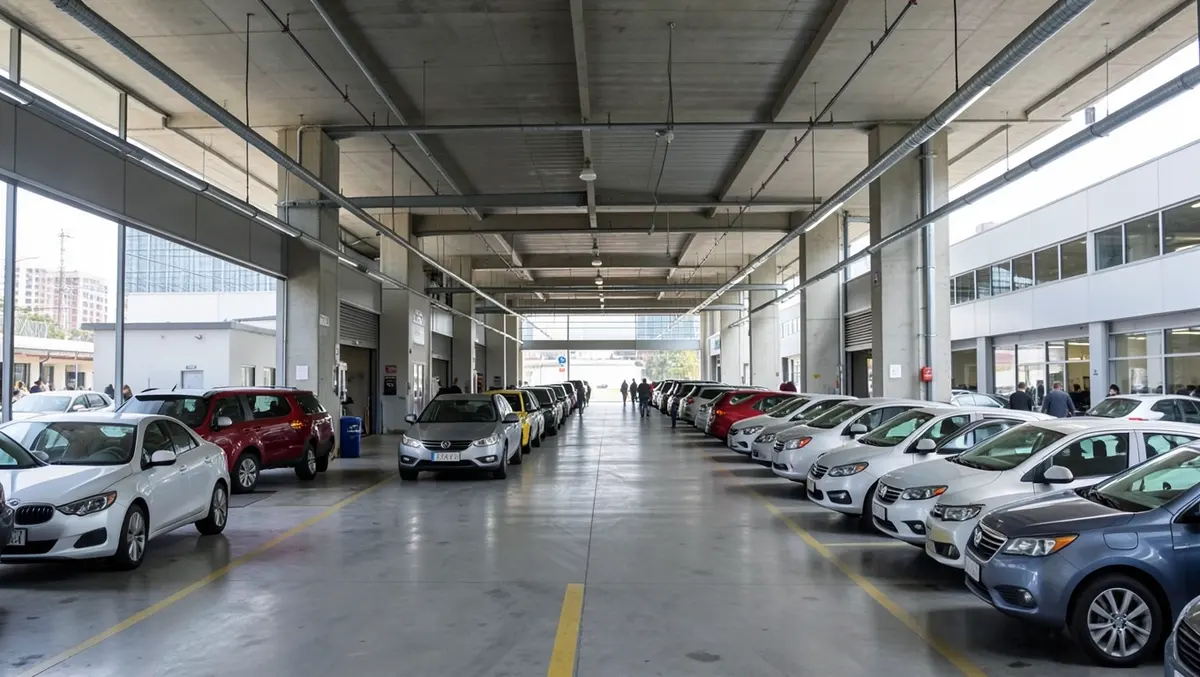
How Much Does a Car Wash Make a Year? Real Profit Numbers
A car wash business can earn between $40,000 to $100,000 annually. Earnings depend on location, service type, and customer volume.
Exploring the potential income of a car wash is fascinating. These businesses are part of a growing industry, making profits by keeping vehicles clean. Factors like location, service options, and customer base play a huge role. As more people look for convenient ways to maintain their cars, car washes have become essential.
Understanding how these factors affect earnings helps in grasping the industry’s dynamics. This blog delves into the financial aspect of car washes, offering insights into how much they can make in a year. Whether you’re curious or considering starting a car wash, this information will be valuable.
Car Wash Industry Overview
The car wash industry has quietly become one of the more resilient small-business categories in the U.S., with roughly 60,000 locations nationwide generating a combined estimated $15 billion a year, according to industry trade figures from the International Carwash Association. Part of that growth comes down to timing: as newer vehicles ship with more sensitive paint clear coats, ceramic coatings, and advanced sensors bundled into bumpers and grilles, more owners would rather pay a professional than risk scratching things with a home hose and sponge. Pricing tracks closely with local real estate and traffic patterns — a single exterior wash might run $6-$10 in a small town, while the same wash at a busy urban intersection can be priced at $15-$25 simply because rent, wages, and demand are all higher there.
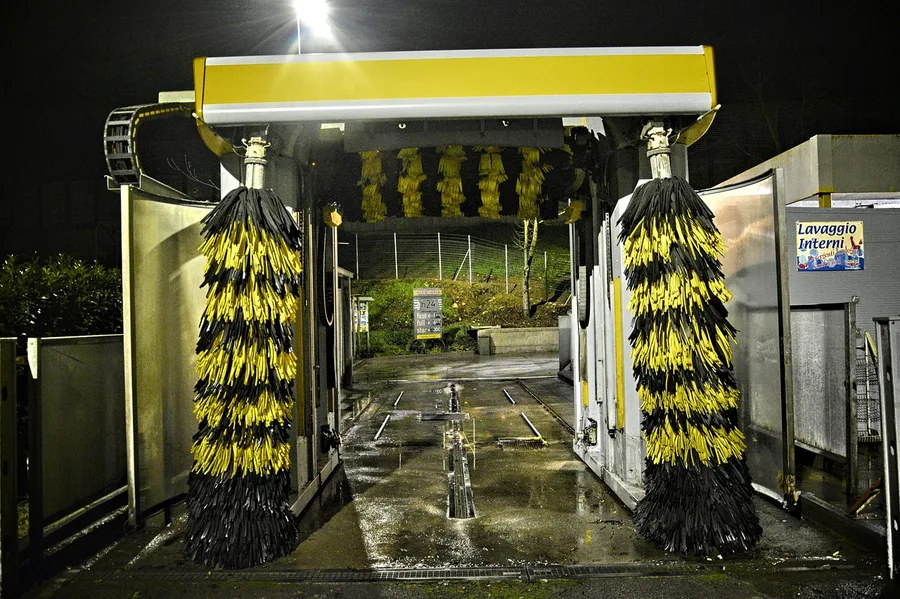
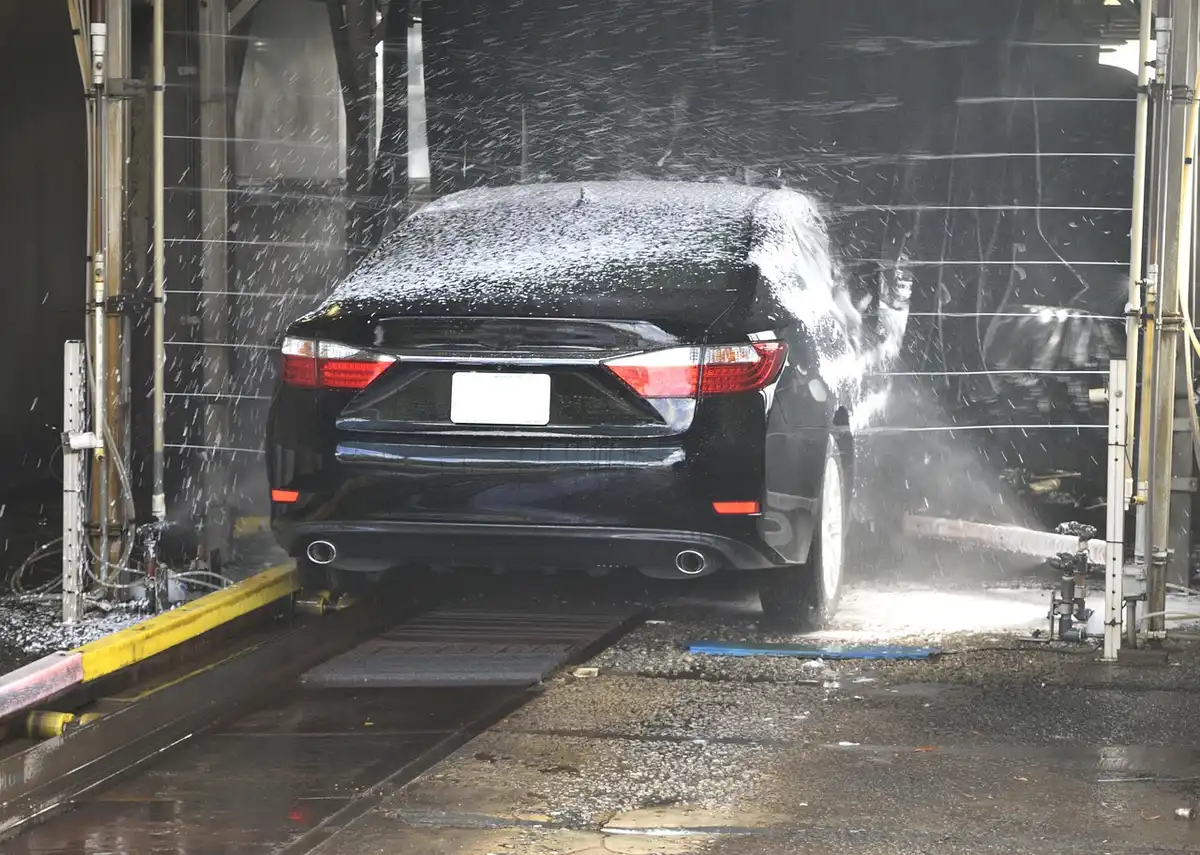
Not every car wash operates the same way, and the model an owner chooses has a direct effect on both the ceiling and the risk of the business. Self-service bays hand the customer a coin- or card-operated wand, foam brush, and vacuum, keeping labor costs near zero but capping revenue to whatever a handful of stalls can process. In-bay automatics pull a single car into one stall where rotating cloth or foam arms do the scrubbing — cheaper to build than a full tunnel, but slower to turn cars around. Conveyor or tunnel washes move vehicles through on a chain at a fixed pace, often finishing a car in under five minutes, which is why they tend to post the highest volume and revenue of the three. Full-service locations add hand-drying, interior vacuuming, and detailing add-ons on top of any of these formats, trading speed for a higher average ticket.
Revenue Streams
The base exterior wash is the entry point, not the whole business. A single pass through a tunnel might sell for $10-$20, and at a well-placed location running a couple hundred cars a day, that alone can add up to real, steady daily revenue. Over the past decade, though, the bigger shift in the industry has been the move to unlimited wash club memberships, typically priced around $20-$40 a month per vehicle. Instead of collecting one $15 transaction, an operator locks in recurring revenue that keeps flowing even during a slow week — many tunnel operators now report that memberships make up well over half of total sales, which is also part of why private equity firms have been buying up regional car wash chains.
Add-on services carry much better margins than the base wash itself, since the marginal cost of an extra minute of labor or a squirt of wax is small compared to what customers will pay for it. Hand waxing, paint sealant, tire shine, and underbody rust-inhibitor rinses (especially valuable in states that salt roads in winter) are common upsells at the pay station or kiosk. Interior vacuuming and mat cleaning round things out at full-service locations. None of these add-ons require much extra equipment, so a large share of what a customer pays for them drops straight to profit.
Cost Structure
Fixed costs are the bills that show up whether the wash runs ten cars or a thousand in a given month. Rent or land payments and the financing on tunnel equipment — which can easily run $300,000 to over $1 million for a modern automated system — are the two biggest line items, along with insurance and any salaried management staff. Because these costs don’t flex with volume, an operator’s break-even point is really a function of how much traffic the location can realistically draw, which is why site selection matters as much as the equipment inside the building.
Variable costs move with every car that comes through. Water and electricity climb directly with volume — dryers and high-pressure pumps are especially electricity-hungry — while soap, wax, and other chemicals get consumed at a fairly predictable rate per vehicle once an operator has run the numbers for a few months. Credit card processing fees on membership billing are a smaller but constant drag as well. Many newer tunnels install water-reclaim systems that filter and recycle 60-80% of rinse water, which cuts the variable water bill significantly over a year of operation.
Profit Margins
Gross profit is simply total revenue minus the direct cost of delivering each wash — water, chemicals, and the labor tied to that specific car — before rent, loan payments, or salaries are subtracted. It’s a useful early gauge because it shows whether the core service itself is priced correctly, separate from how the building or debt is structured. A tunnel wash charging $15 that costs $3 in water, soap, and per-car labor has a healthy gross margin before anything else is factored in.
Net profit is what actually remains once rent, equipment financing, insurance, payroll, and marketing are all paid — the number that determines whether the owner takes home real income. Well-run tunnel operations with strong membership bases commonly report net margins in the 20-30% range, though a poorly located or under-marketed wash can post far less, since fixed costs don’t shrink just because fewer cars show up. Reducing water and energy use, keeping equipment maintained to avoid costly breakdowns, and growing the membership base tend to move net profit more than raising the price of a single wash ever will.
Location Impact
Site selection is arguably the single biggest lever an owner controls before the business even opens. Corner lots on busy arterial roads, locations near grocery stores or gas stations, and fast-growing suburban corridors tend to deliver the traffic volume that automated tunnels need to hit their break-even point. In these areas, high visibility from the road generates a meaningful share of business from drivers who simply notice the sign and pull in — no advertising spend required.
Rural and small-town locations face a smaller addressable customer base by definition, which caps daily car counts no matter how well the business is run. That doesn’t make them unviable — a wash serving a tight-knit community can build a loyal, repeat customer base with less local competition to worry about — but the ceiling on annual revenue is usually lower than what a comparable operation would see on a busy urban corridor.
Urban locations also tend to support higher membership penetration, since commuters passing the same intersection daily are prime candidates for an unlimited wash club. Rural operators lean more heavily on word-of-mouth and community reputation to keep the same regulars coming back month after month. Both models can be profitable; they just get there through different customer volumes and different pricing strategies.
Seasonal Variations
Car wash earnings vary due to seasonal changes. Busy months like summer and spring boost profits. In contrast, colder seasons might bring fewer customers, affecting the annual income of a car wash business.
Peak Seasons
Spring and summer are typically the strongest months for exterior wash volume. Pollen coats windshields and hoods for weeks in many regions, road-trip season means cars pick up bug splatter and highway grime, and warmer weather simply makes people more willing to spend a few minutes outside at a wash bay. Holiday weekends around Memorial Day and the Fourth of July often bring a noticeable bump as people clean up before family gatherings or travel. Membership operators tend to see a smaller seasonal swing than pay-per-wash locations, since subscribers keep paying the monthly fee whether they visit twice or ten times.
Off-peak Challenges
Winter is trickier than a simple “less business” story. Snow and ice keep some cars parked and discourage casual visits, but road salt is genuinely corrosive to paint, wheel wells, and undercarriage components, which pushes salt-belt customers toward rust-prevention rinses even when they’d rather stay home. Smart operators lean into that: running underbody-rinse specials after a snowstorm, offering interior-detailing packages when exterior demand dips, and using slower weeks to schedule equipment maintenance rather than let the tunnel sit idle waiting for a rush. Overall driving volume still falls in bad weather, so most locations plan for a genuine off-season dip in raw traffic even with those workarounds in place.
Customer Demographics
A car wash’s customer base is broader than most other small businesses, which is part of what makes the model relatively stable. Busy professionals pay for speed and convenience rather than spend a Saturday washing a car themselves. Enthusiasts who care about paint condition often opt for the more expensive add-ons — wax, sealant, tire shine — that carry the best margins. Families with a minivan or SUV tend to book interior vacuuming and mat cleaning more often, since kids and pets make a bigger mess inside the cabin than on the exterior. Older customers generally favor formats that don’t require them to leave the car, which is one reason tunnel and in-bay automatic washes have grown faster than self-service bays over the last two decades.
Membership and loyalty programs are how most operators turn a one-time visitor into a recurring source of revenue. A points-per-visit system or a flat monthly unlimited plan both work toward the same goal: making it feel wasteful to switch to a competitor down the street. Referral incentives — a free wash for bringing a friend, for instance — cost the business very little since the marginal expense of one extra car through a tunnel is small, but they can meaningfully grow the membership base over time.
Strategies For Maximizing Profits
Maximizing profits in a car wash business involves careful planning. Annual earnings depend on location, services, and pricing. Implementing efficient operations and regular promotions can significantly boost income.
Marketing Techniques
Because a car wash is a local, drive-by business, most of the highest-return marketing happens close to home rather than through broad national advertising. Google Business Profile reviews and local search ranking matter enormously, since a driver deciding between two nearby washes will often just pick whichever one shows up first with better ratings. Direct mail and local flyers still work for announcing a grand opening or a seasonal promotion in the surrounding neighborhoods. Social media posts showing a freshly detailed, shining vehicle tend to outperform generic ads, and running a discount on the first rainy or snowy day after a dry spell can pull in customers who’d otherwise put off a wash. A referral-based loyalty program — rewarding existing members for bringing in new ones — is usually cheaper per new customer than any paid ad campaign.
Operational Efficiency
Labor and utility costs are the two levers operators can influence day to day, since rent and equipment financing are already locked in. Training staff to keep the line moving without sacrificing quality directly increases how many cars a tunnel can process per hour, which is the main driver of daily revenue at high-volume locations. Water-reclaim systems and energy-efficient dryers lower the variable cost per car noticeably over a full year, even though they add to the upfront equipment bill. Preventive maintenance on conveyor chains, pumps, and dryers avoids the kind of unplanned downtime that can shut a tunnel down for a day or more — a far bigger hit to revenue than the cost of routine servicing. Keeping chemicals and supplies stocked ahead of a busy weekend, and scheduling staff around known peak hours, rounds out the operational side of the business.
Future Outlook
Automation has moved from a novelty to a standard feature at newer locations. Touchless systems rely on high-pressure water and air jets instead of foam brushes or cloth strips, which lowers the risk of swirl marks on paint and appeals to owners of newer vehicles with delicate clear coats or wraps. Mobile apps now handle membership sign-ups, license-plate recognition at the entry lane, and even remote gate access, cutting down the staff needed just to manage the payment line. Some operators are experimenting with AI-adjusted tunnel speeds that slow down for larger vehicles and speed up for compact cars, squeezing a few more washes into a busy hour without any extra labor.
Environmental pressure is reshaping the industry from a different angle. A home driveway wash sends soap, oil residue, and brake dust straight into storm drains untreated, while a commercial wash with a proper reclaim system captures and filters that runoff before recycling most of the water — a genuine selling point some operators now use in their marketing. Biodegradable soaps and lower-phosphate formulas have become standard rather than a premium add-on, and water-recycling equipment that used to be optional is increasingly required by local wastewater regulations in drought-prone regions. That regulatory push, more than customer demand alone, is likely to keep driving the industry toward more efficient equipment over the next several years.
Frequently Asked Questions
How Profitable Is Owning A Car Wash?
Owning a car wash can be profitable. Profits depend on location, services offered, and efficient management. High traffic areas boost earnings. Offering additional services, like detailing, increases revenue. Proper marketing and customer satisfaction are crucial. Initial investment is significant, but returns can be rewarding with consistent effort and smart strategies.
How Much Does It Cost To Start A Car Wash?
Starting a car wash costs between $10,000 and $100,000. Costs vary based on location, equipment, and type. Self-service is cheaper; automated washes require more investment. Consider utilities, permits, and marketing expenses too. Plan your budget carefully.
What Is The Success Rate Of A Car Wash Business?
The success rate of a car wash business varies widely. Factors include location, quality of service, and marketing strategies. Typically, well-managed car washes have a high chance of profitability, often exceeding 70%. Focus on customer satisfaction and efficiency to enhance success.
What Type Of Car Wash Makes The Most Money?
Automated car washes generate the most money. They offer fast service and lower labor costs. Investing in high-quality equipment attracts more customers. Regular promotions and memberships increase revenue. Location and convenience also play crucial roles in profitability.
Conclusion
A car wash business can be quite profitable. Income varies by location, customer base, and service quality. Small car washes make less. Larger ones with more services earn more. Seasonal demand also affects yearly earnings. Understanding these factors helps estimate potential profits.
Investing in quality equipment and good marketing boosts income. So, running a car wash can be a good business venture. With the right approach, it can bring steady income year-round.
Products related to this article
Sponsored / affiliate links. As an Amazon Associate I earn from qualifying purchases. I may earn additional commission from eligible campaigns.
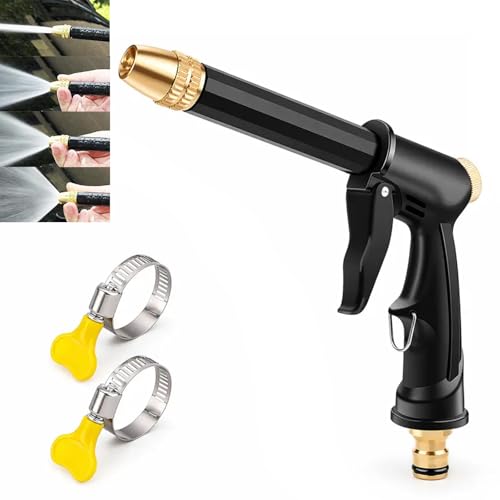 Orodira Powerful High-Pressure Home Car Wash & Garden Sprayer, High Pressure Water Gun For Hose, Car Wash Water Gun With Booster Nozzle, Pressure Washer Spray Nozzle (black1)
 Foam Cannon 1 L Bottle Car Wash Snow Foam Lance with 1/4" Quick Connector Pressure Power Jet Washer Quick Release Adjustable Nozzle